Mobile / WhatsApp
E-mail
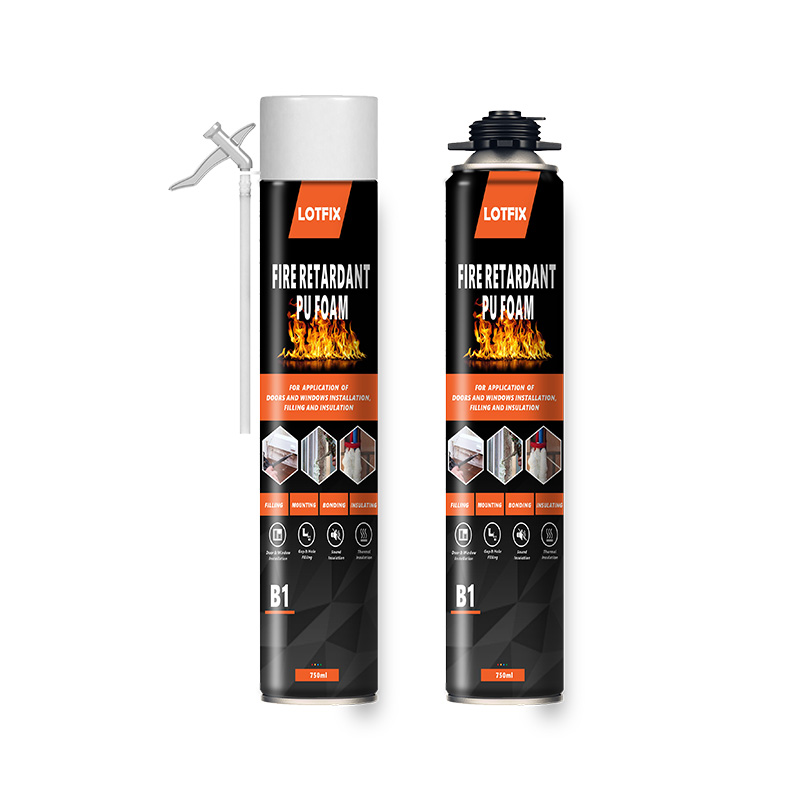
B1 and B2 fire retardant PU foam are commonly used in construction sealing, filling, insulation, and installation work where buyers need a foam product with fire-performance positioning. In general product communication, B1 is usually positioned as a higher fire-retardant grade, while B2 is often used for practical construction applications that still require improved flame resistance compared with ordinary foam.
For buyers, the important point is not to choose by the name alone. Fire-retardant performance should be checked together with the test standard, report, application area, local market requirement, and whether the foam is suitable for the real installation environment.
In many PU foam markets, B1 and B2 are used to describe fire-retardant positioning. B1 is generally promoted for stronger flame-retardant performance and more demanding applications. B2 is commonly used for construction filling and sealing where buyers need a practical fire-retardant foam option.
A simple way to understand it: B1 is usually selected for higher fire-performance expectations, while B2 is often selected for more common construction sealing and filling needs.
| Item | B1 Fire Retardant PU Foam | B2 Fire Retardant PU Foam |
|---|---|---|
| Product positioning | Higher fire-retardant positioning | Practical fire-retardant construction foam positioning |
| Typical buyer expectation | Better flame-retardant performance and stronger compliance support | Balanced cost, usability, and improved fire-performance positioning |
| Common use logic | Projects with stricter fire-related requirements | General construction sealing, filling, and installation where B2 is accepted |
B1 fire retardant PU foam is usually preferred when the project, market, or buyer requires a higher fire-performance grade. It may be selected for commercial buildings, public facilities, higher-standard installation work, or projects where the purchasing specification clearly asks for stronger flame-retardant performance.
B1 is often considered when project documents, contractors, or local requirements ask for higher fire-retardant positioning.
Buyers may prefer B1 for selected applications in commercial interiors, public buildings, and higher-risk spaces.
Distributors may use B1 products to serve customers who want a higher-grade option for professional use.
When the buyer’s project specification clearly states B1, substituting B2 should be avoided unless approved.
B2 fire retardant PU foam is practical for many construction sealing and filling applications where a flame-retardant product is needed, but the project does not require the higher B1 positioning. It can be a suitable choice for distributors and contractors who need a balanced option for daily construction work.
| B2 Use Situation | Why It Can Be Practical |
|---|---|
| General construction gaps | B2 can support daily filling and sealing needs where the market accepts this grade. |
| Window and door installation | Useful for frame perimeter filling when fire-retardant positioning is required but B1 is not specified. |
| Retail and distributor markets | B2 is often easier to position as a practical fire-retardant foam for common construction users. |
| Cost-sensitive projects | When allowed by the project, B2 may offer a more balanced cost-performance option. |
Choosing by B1 or B2 name only can be risky. Different markets may ask for different test references, document formats, or compliance evidence. Buyers should review the test standard, certificate, technical data, intended application, and local market requirement before confirming the grade.
Important: fire-retardant foam does not mean fireproof foam. It should be used according to project requirements, test data, and local building regulations.
Buyers should avoid these mistakes:
• Choosing only by “B1” or “B2” without checking the test report
• Assuming one grade is accepted in every country or project
• Using fire retardant foam as a replacement for firestop systems without approval
• Ignoring application conditions, joint size, and final covering requirements
• Comparing price without checking foam yield, curing, adhesion, and packaging
For importers, distributors, and project buyers, fire retardant PU foam should be selected based on both fire-performance positioning and practical construction use. The grade should match the local market requirement, intended application, and available documentation.
Before placing an order, buyers should confirm:
• Required grade: B1, B2, or another local fire-performance requirement
• Test standard, test report, certificate, or technical data sheet needed by the market
• Application area: window and door gaps, wall openings, pipe gaps, cavities, or general construction filling
• Whether the foam is straw type or gun type
• Foam yield, expansion behavior, curing time, cutting time, and adhesion performance
• Can size, carton quantity, label language, shelf life, and storage conditions
• Whether OEM packaging or private label supply is required
• Whether samples are needed for testing before bulk purchase
The safest purchasing method is to start with the project or market requirement, then choose the product grade. If the project clearly asks for B1, buyers should not downgrade by price alone. If the application is a common construction filling job where B2 is accepted, B2 may be the more practical option.
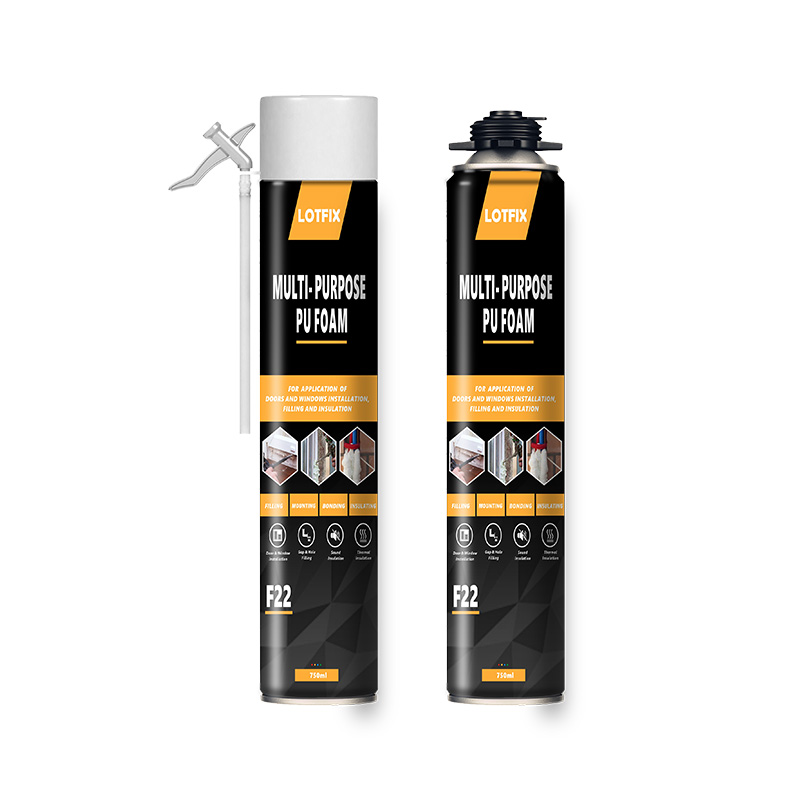
LOTFIX provides PU foam, silicone sealant, and related sealing products for construction, installation, distribution, and project applications. If you are comparing B1 fire retardant PU foam, B2 PU foam, general purpose PU foam, winter PU foam, silicone sealant, or other sealing solutions, you can visit the LOTFIX homepage to learn more about available product options.
For product selection, sample requests, packaging details, or OEM cooperation, please contact us and share your application requirements.
Visit LOTFIX Homepage Contact LOTFIX