Mobile / WhatsApp
E-mail
Table of Contents
What is the quick selection chart for acrylic and silicone caulk?
What are acrylic caulk, acrylic latex caulk, and siliconized acrylic caulk?
How do acrylic and silicone compare in waterproofing, UV, movement, paintability, and odor?
Which caulk is better for interior wall gaps, trim, and decorative joints?
Which caulk is better for windows, bathrooms, and outdoor joints?
Acrylic caulk is best for dry, paintable interior gaps, while silicone caulk is better for waterproof, flexible, wet-area, and outdoor joints.
The choice between acrylic caulk and silicone caulk is not about which one is always better. It depends on where the joint is, whether it needs to be painted, how much movement it will face, and whether water exposure is expected. Acrylic caulk is easy to apply and paint, making it practical for walls, trims, baseboards, and decorative gaps. Silicone caulk is harder to paint but offers better water resistance, flexibility, and durability in bathrooms, kitchens, glass joints, and exterior sealing.
Choose acrylic caulk when the joint is indoors, dry, low-movement, and needs to be painted. Choose silicone caulk when the joint is exposed to water, humidity, UV, temperature change, or movement.
Simple rule: if the joint must be painted, start with acrylic or siliconized acrylic. If the joint must stay waterproof and flexible, use silicone.
Many project failures happen because the wrong caulk is used in the wrong place. Acrylic caulk may look good after painting, but it can crack or soften in wet joints. Silicone caulk can seal wet areas well, but ordinary paint will not bond to most silicone surfaces. Understanding this trade-off helps you avoid peeling paint, cracked joints, water leaks, and repeated repairs.
The fastest way to choose between acrylic caulk and silicone caulk is to match the material to the application area. Acrylic is better for paintable decorative gaps, while silicone is better for wet, flexible, and weather-exposed joints.
| Application | Better Choice | Reason |
|---|---|---|
| Baseboards, trims, molding, and wall cracks | Acrylic caulk | Paintable, easy to smooth, low odor, and suitable for dry interior finishing. |
| Painted door frames and interior window trim | Acrylic or siliconized acrylic caulk | Better when paintability and a neat decorative finish are required. |
| Showers, bathtubs, sinks, and wet bathroom joints | Sanitary silicone caulk | Better waterproofing, flexibility, and mildew-resistant performance. |
| Glass, tile, ceramic, and metal joints | Silicone caulk | Good adhesion and water resistance on many non-porous surfaces when compatible. |
| Exterior gaps exposed to rain, UV, and temperature change | Exterior silicone or suitable hybrid sealant | Better long-term flexibility and weather resistance than standard acrylic caulk. |
| Joints that need both paintability and better flexibility | Siliconized acrylic or paintable hybrid sealant | A compromise option when ordinary acrylic is too weak and silicone is not paintable. |
This chart is useful for quick decisions, but always check the product label or technical data sheet when the joint is exposed to water, movement, UV, high temperature, natural stone, or special substrates.
Acrylic caulk is a water-based caulk commonly used for interior gaps and paintable finishing. Acrylic latex caulk is a common form of acrylic caulk with good paint compatibility and easy cleanup. Siliconized acrylic caulk is acrylic caulk modified with silicone to improve flexibility and water resistance compared with basic acrylic.
Best for dry interior gaps, trim edges, baseboards, wall cracks, and decorative joints that will be painted.
A common paintable caulk type with low odor, water cleanup before curing, and good compatibility with many wall paints.
A hybrid-like middle option for users who want paintability with better flexibility and water resistance than basic acrylic.
Best for wet areas, glass, ceramic, metal, bathrooms, kitchens, and flexible waterproof joints, but usually not paintable.
Siliconized acrylic caulk is often confused with silicone caulk. It is not the same as 100% silicone. It may offer better performance than basic acrylic in selected areas, but for constant wet exposure, shower joints, glass sealing, or exterior high-movement joints, silicone or a suitable hybrid sealant is usually safer.
Acrylic caulk performs better in paintability and ease of use, while silicone caulk performs better in waterproofing, flexibility, UV resistance, and wet-area durability. The right choice depends on which performance matters most.
| Performance Factor | Acrylic Caulk | Silicone Caulk | Selection Advice |
|---|---|---|---|
| Paintability | Usually paintable after drying. | Most 100% silicone is not paintable. | Use acrylic for painted walls, trims, and baseboards. |
| Water resistance | Suitable for dry or lightly damp areas, depending on formula. | Excellent for waterproof and wet-area sealing. | Use silicone for showers, bathtubs, sinks, and wet tile joints. |
| Movement capability | Limited flexibility; may crack in high-movement joints. | High flexibility after curing. | Use silicone or hybrid sealant for moving joints. |
| UV and outdoor exposure | Standard acrylic may age faster outdoors. | Generally better UV and weather resistance. | Use exterior-grade silicone or suitable hybrid sealant outdoors. |
| Odor and cleanup | Low odor and water cleanup before curing. | Odor depends on cure type; cleanup is harder once applied. | Use acrylic for easy indoor decoration work. |
| Surface appearance | Can blend into painted surfaces. | Must choose the correct color because it usually cannot be painted. | For silicone, choose clear, white, black, gray, or matched color before application. |
For most home and construction projects, the decision comes down to paintability versus waterproof flexibility. Acrylic wins when appearance under paint matters. Silicone wins when the joint must stay sealed under water, humidity, movement, or weather exposure.
Acrylic caulk is usually better for interior wall gaps, trim, baseboards, crown molding, door frames, drywall cracks, and decorative joints because these areas often need a smooth paintable finish.
Baseboards and skirting boards: acrylic caulk fills small gaps between wall and trim before painting.
Crown molding and chair rails: acrylic caulk helps create a clean transition between decorative trim and painted wall surfaces.
Door frames and interior window trim: acrylic or siliconized acrylic is useful when the joint will be painted.
Drywall cracks and small wall gaps: acrylic caulk can fill minor gaps before repainting, as long as the joint is stable.
Low-odor indoor work: water-based acrylic caulk is easier to use in occupied spaces.
Silicone is usually not the first choice for these areas because most paints will not bond well to cured silicone. If you apply silicone along a trim joint and later try to paint over it, the paint may bead, peel, or leave an uneven finish.
Silicone caulk is usually better for bathrooms, kitchens, glass joints, tile corners, and outdoor joints because these areas need stronger water resistance, flexibility, and weather durability. For windows, the best choice depends on whether the joint is interior paintable trim or exterior weather sealing.
| Area | Recommended Direction | Reason |
|---|---|---|
| Bathroom shower and bathtub joints | Sanitary silicone caulk | Better waterproofing, flexibility, and mildew-resistant performance. |
| Kitchen sink and countertop joints | Kitchen and bathroom silicone caulk | Suitable for splash zones, cleaning, and flexible wet-area sealing. |
| Glass, ceramic, and tile joints | Silicone caulk | Good fit for non-porous surfaces when compatible. |
| Interior window trim to be painted | Acrylic or siliconized acrylic caulk | Paintability is usually the main requirement. |
| Exterior window perimeter | Exterior silicone, PU, or hybrid sealant | Outdoor exposure requires weather resistance, adhesion, and movement capability. |
For wet rooms and exterior joints, do not choose caulk only because it is easy to apply or cheap. Water exposure and movement will quickly reveal whether the material is suitable.
Acrylic caulk should not be used in constantly wet areas, high-movement joints, exterior weather-exposed gaps, glass-to-tile shower joints, or places where long-term waterproof flexibility is required.
Do not use standard acrylic caulk in shower corners: it can soften, crack, or lose adhesion under constant moisture.
Do not use acrylic caulk around bathtubs or sinks if water exposure is frequent: silicone is usually safer for wet joints.
Do not use acrylic caulk for large moving joints: limited elasticity can lead to cracking.
Do not use basic acrylic caulk for exposed exterior joints: UV, rain, and temperature changes can reduce durability.
Do not use acrylic caulk where paintability is not needed but waterproofing is critical: silicone or hybrid sealant may perform better.
Acrylic caulk is useful, but it is mainly a finishing material for dry, paintable, low-movement gaps. Treating it as a waterproof sealant for every joint is one of the fastest ways to get early failure.
The most common mistake is choosing caulk by habit instead of by joint condition. Paintable gaps, wet joints, moving corners, exterior exposure, and glass or tile surfaces all require different material decisions.
| Mistake | Why It Fails | Better Practice |
|---|---|---|
| Using acrylic caulk in a shower | Standard acrylic is not designed for constant wet exposure. | Use sanitary silicone for shower and bathtub joints. |
| Using silicone where paint is required | Most paint will not bond well to cured silicone. | Use acrylic, siliconized acrylic, or paintable hybrid sealant. |
| Choosing by color only | A nice-looking bead may still fail if the material is wrong. | Choose by water exposure, movement, substrate, and paintability first. |
| Applying new caulk over dirty old caulk | Dust, oil, soap, and old residue weaken adhesion. | Remove failed material, clean the joint, and dry the surface before application. |
| Ignoring cure time | Early paint or water exposure can damage the bead. | Follow the product label or TDS for paint-over time, water exposure, and full cure. |
A good caulk choice should answer four questions: Will the joint be painted? Will it get wet? Will it move? What surfaces must it bond to? The answer to these questions usually decides whether acrylic, silicone, siliconized acrylic, PU, or hybrid sealant is more suitable.
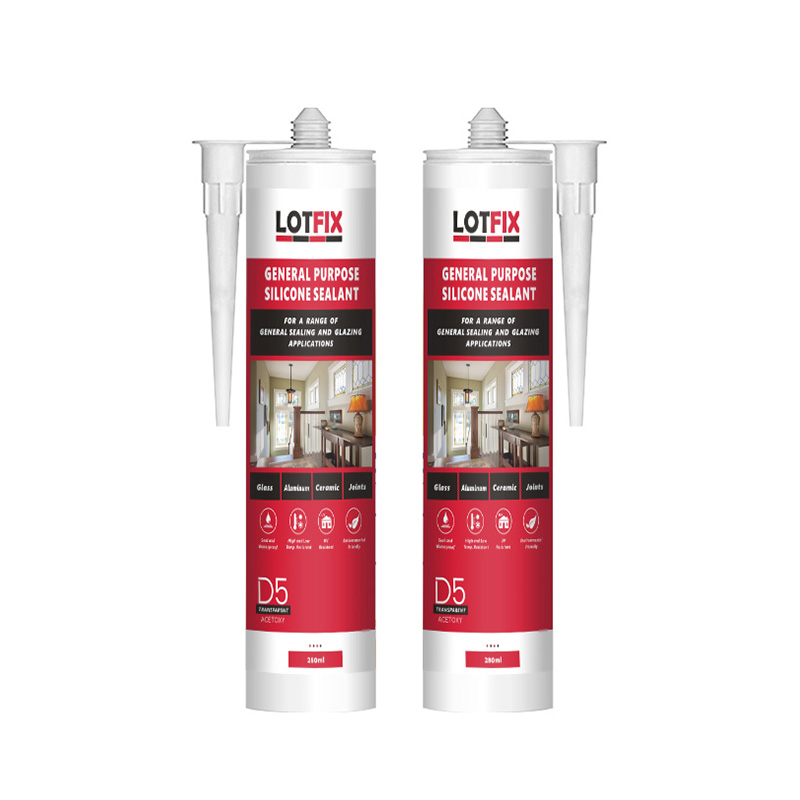
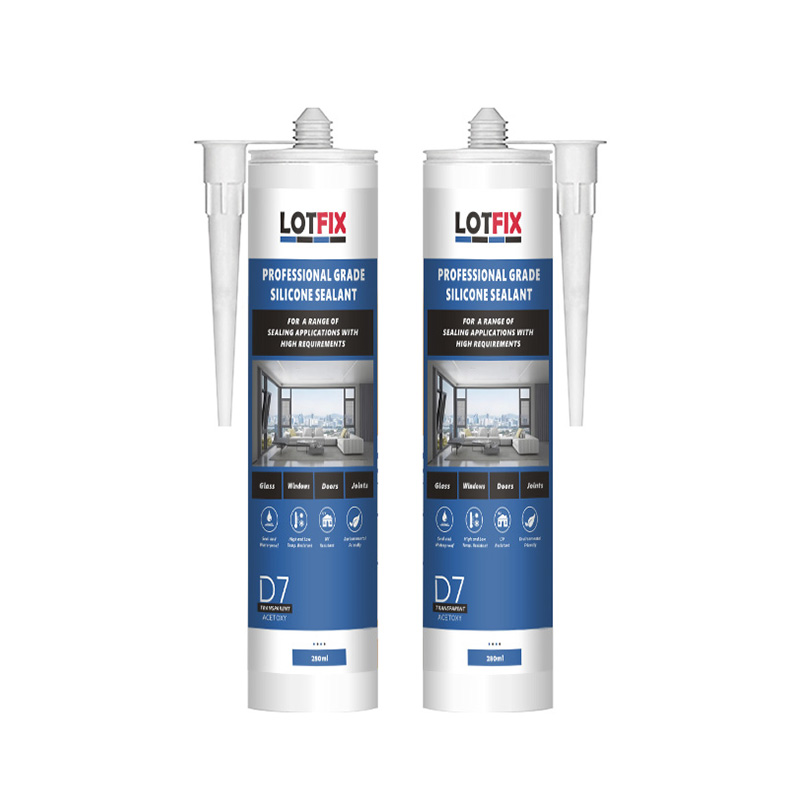
LOTFIX product selection should follow the same rule: use acrylic sealant for dry paintable interior gaps, silicone sealant for wet flexible joints, and hybrid or PU sealant when stronger adhesion, movement capability, or exterior performance is required.
| Project Need | Recommended LOTFIX Product Direction | Selection Reminder |
|---|---|---|
| Interior trims, baseboards, wall gaps, and paintable joints | LOTFIX acrylic sealant direction | Confirm paint-over time, shrinkage, color, and indoor application suitability. |
| Bathroom, shower, bathtub, sink, tile, and glass joints | LOTFIX silicone sealant direction | Choose sanitary or wet-area silicone when mildew resistance and waterproofing matter. |
| Exterior gaps, window perimeters, and mixed-material joints | LOTFIX hybrid sealant or suitable exterior sealant direction | Check weather resistance, adhesion, movement capability, and substrate compatibility. |
| Higher-strength bonding or construction sealing | LOTFIX PU or adhesive sealant direction | Review technical data before using in load-bearing, automotive, or safety-related applications. |
To compare available product categories, you can visit the LOTFIX homepage. For specific project use, the final decision should still be based on the product label, technical data sheet, substrate compatibility, and working conditions.
Acrylic caulk is better for paintable dry interior gaps, but silicone is better for wet, flexible, and waterproof joints.
It may be used in dry bathroom trim areas, but shower, bathtub, and sink joints usually need sanitary silicone.
Most 100% silicone caulk cannot be painted. Use acrylic, siliconized acrylic, or paintable hybrid sealant if painting is required.
Siliconized acrylic caulk is acrylic caulk modified with silicone to improve flexibility and water resistance while keeping paintability in many formulas.
Use acrylic for paintable interior trim gaps. Use exterior silicone, PU, or hybrid sealant for outdoor window perimeter sealing.
In wet or outdoor areas, silicone usually lasts longer. In dry painted interior joints, acrylic caulk can perform well when applied correctly.
The final choice is straightforward: use acrylic caulk where paintability and interior finish matter, and use silicone caulk where waterproof flexibility and durability matter more.
LOTFIX provides silicone sealant, acrylic sealant, PU foam, adhesive, hybrid sealant, and related construction material solutions for sealing, filling, bonding, waterproofing, gap protection, and installation applications. If you are comparing products for interior trims, bathrooms, kitchens, windows, doors, tile joints, exterior gaps, or general construction sealing, you can visit the LOTFIX homepage to learn more about available product categories.
If you have questions about acrylic caulk, silicone caulk, siliconized acrylic caulk, product selection, application scenarios, or cooperation requirements, please Contact Us.