Mobile / WhatsApp
E-mail
Table of Contents
Caulk or sealant can become touch-dry in minutes to hours, but full curing may take 24 hours to several days depending on the material, bead size, temperature, humidity, and product formula.
There is no single drying time for all caulks and sealants. Acrylic caulk, silicone sealant, polyurethane sealant, MS sealant, butyl sealant, mastic, and surface sealer all behave differently. A product may be dry enough to touch, but not ready for paint, water exposure, joint movement, or full service. For professional use, the safest answer always starts with the material type and ends with the product technical data sheet.
Most caulk or sealant products take about 30 minutes to several hours to become surface-dry, but full cure time can range from 24 hours to 7 days or longer. Acrylic caulk usually dries faster, while silicone, polyurethane, MS polymer, butyl, and mastic products often need more time before full service.
Practical answer: touch-dry is not the same as fully cured. Before painting, water exposure, load, or movement, check the material type and follow the product label or TDS.
For example, a thin acrylic caulk bead around baseboards may be paintable much faster than a thick polyurethane bead in an exterior joint. A silicone bead around a shower may feel dry after one hour, but the joint may still need 24 hours or longer before water exposure. This is why drying time should be judged by use condition, not only by surface touch.
Dry, cure, and set are often used together, but they do not mean the same thing. Dry usually describes the surface condition, set describes early stability, and cure describes the full chemical or physical development of the sealant.
| Term | What It Means | What It Does Not Mean | Why It Matters |
|---|---|---|---|
| Dry to touch | The surface no longer feels wet or sticky. | It does not mean the inside is fully cured. | Useful for light handling, but not enough for service use. |
| Tack-free time | The surface stops being sticky to light touch. | It does not mean ready for water, stress, or paint. | Common in silicone, MS, PU, and other sealant data sheets. |
| Set time | The material gains early shape stability. | It does not always mean final strength. | Important when asking how long for sealant to set before light handling. |
| Full cure | The sealant reaches final strength, elasticity, adhesion, and sealing performance. | It is not the same as surface dry time. | Critical before movement, water exposure, load, or long-term service. |
In simple terms, dry time tells you when the surface looks or feels dry. Cure time tells you when the product can perform as intended. For sealing, waterproofing, bonding, or moving joints, cure time is more important.
The table below gives a general comparison of caulk cure time and sealant dry time by material. These ranges are for practical planning only. Actual values depend on the specific product formula and application conditions.
| Material | Touch-Dry / Tack-Free | Paintable Time | Water Exposure | Full Cure / Service Use |
|---|---|---|---|---|
| Acrylic caulk | About 30–60 minutes, sometimes faster. | Often 2–4 hours; fast-paint formulas may be quicker. | Usually avoid water for at least 24 hours. | Often about 24 hours or longer. |
| Silicone sealant | Commonly 10–60 minutes. | Usually not paintable unless specially formulated. | Often 24 hours; showers may need 24–48 hours or more. | Often 24–72 hours or longer for thick beads. |
| Polyurethane sealant | Often 1–4 hours, depending on formula. | Commonly after skin or initial cure; check TDS. | Usually wait at least 24–72 hours. | Often several days; deep joints take longer. |
| MS polymer sealant | Commonly 10–60 minutes. | Often 24–48 hours depending on paint and formula. | Usually after initial cure; check product instructions. | Often several days; thick beads may need longer. |
| Butyl sealant | May skin over in minutes to hours. | Usually not treated like paintable acrylic caulk. | Depends heavily on formula and application. | May remain flexible or non-hardening; check product type. |
| Mastic | Highly variable; hours to 24 hours. | Depends on whether it is adhesive, sealant, or coating. | Often avoid water until fully dry or cured. | Can take 24 hours to several days, sometimes longer in thick layers. |
| Surface sealer | Often 1–4 hours to touch, depending on coating type. | Recoat time varies by formula. | Often 24–72 hours before heavy water exposure. | May need several days for full performance. |
The key point is that a thin bead in warm, stable conditions dries faster than a thick bead in cold, humid, enclosed, or poorly ventilated conditions. When the joint is critical, never rely only on a general chart.
Acrylic caulk usually becomes dry to the touch in about 30 to 60 minutes and may be paintable after a few hours, depending on the formula. Full curing usually needs at least 24 hours, especially for deeper or wider beads.
Dry indoor gaps, baseboards, trims, molding, wall cracks, door frames, and paintable decorative joints.
Many acrylic caulks can be painted after the surface dries, but fast-paint and standard formulas have different waiting times.
Acrylic caulk should usually be protected from water until it has cured enough, often at least 24 hours.
It is not the best choice for constant water, shower joints, exterior high movement, or heavy-duty waterproof sealing.
Acrylic caulk dries mainly by water evaporation, so bead size and air conditions matter. Thick beads, cold rooms, high humidity, or poor ventilation can delay drying and paintability.
Silicone sealant usually becomes tack-free in about 10 to 60 minutes, but full cure commonly takes 24 to 72 hours or longer. Thick silicone beads, enclosed joints, low temperature, or low humidity can extend the curing time.
Touch or tack-free: often within 10–60 minutes, depending on formula.
Shower or water exposure: many products need about 24 hours, while some require 24–48 hours or more.
Full cure: often 24–72 hours, but thick or deep joints may need longer.
Painting: most 100% silicone sealants are not paintable unless the label clearly says otherwise.
Silicone is commonly used in bathrooms, kitchens, glass joints, tile corners, sinks, countertops, and wet areas because it remains flexible and water-resistant after curing. But surface dryness is not enough. Before water exposure or normal service, the sealant must cure according to the product instructions.
Polyurethane, MS polymer, butyl, and mastic products have wider drying ranges than basic acrylic caulk. Their dry time depends strongly on curing chemistry, joint depth, application thickness, and whether the product is used as a sealant, adhesive, mastic, or coating.
| Product Type | Common Drying Behavior | Typical Use | Important Reminder |
|---|---|---|---|
| Polyurethane sealant | Skins and cures gradually; full cure can take several days. | Construction joints, concrete, exterior gaps, expansion joints, bonding and sealing. | Check paint-over time and water exposure time carefully. |
| MS polymer sealant | Often tack-free within minutes to an hour; full cure takes longer. | Hybrid sealing, bonding, interior and exterior joints, multi-surface applications. | Cure depth matters; thick beads may need multiple days. |
| Butyl sealant | May skin over but can remain flexible, tacky, or non-hardening by design. | Roofing, flashing, gutters, metal laps, waterproofing details. | Do not judge it like acrylic or silicone; some butyl products are not meant to harden fully. |
| Mastic | Very broad range; some dry in 24 hours, while thick layers can need several days or longer. | Tile adhesive, duct sealing, waterproofing, roofing, or specialty sealing depending on product. | “Mastic” is a broad term, so the product TDS is essential. |
This is especially important for the question “how long does mastic take to dry.” Mastic is not one single material. It may refer to tile adhesive, duct mastic, roofing mastic, waterproofing mastic, or a sealing compound, so the drying time can change dramatically.
Caulk or sealant can be painted, exposed to water, or put into service only after it reaches the required stage for that use. Paintability, water exposure, and movement resistance do not always happen at the same time.
| Action | General Waiting Direction | Materials to Watch | Risk of Doing It Too Early |
|---|---|---|---|
| Painting | Wait until the product is paintable according to the label. | Acrylic, PU, MS, paintable hybrid sealants. | Cracking, wrinkling, poor adhesion, discoloration, or slow drying under paint. |
| Light touch | Usually after tack-free or dry-to-touch stage. | Most caulk and sealant types. | Finger marks, bead deformation, or surface contamination. |
| Water exposure | Often at least 24 hours; wet areas may need longer. | Silicone, acrylic, MS, PU, mastic, surface sealer. | Weak curing, leakage, surface washout, or adhesion loss. |
| Movement or load | Wait until enough cure strength develops. | PU, MS, silicone, construction sealants. | Joint tearing, loss of adhesion, cracking, or permanent deformation. |
| Full service | Wait for full cure or TDS service time. | All sealants in critical applications. | Reduced long-term performance and early failure. |
A common mistake is to use “dry to touch” as the only signal. For trim work, that may be enough before light handling. For shower, countertop, exterior, roof, or expansion joint applications, it is not enough.
Actual cure time can take longer than the label suggests because real jobsite conditions are often different from standard test conditions. Temperature, humidity, bead thickness, surface porosity, airflow, and joint depth can all slow drying or curing.
Thick caulk or sealant cures from the surface inward, so the center can stay soft long after the outside looks dry.
Cold conditions slow evaporation, skin formation, and chemical curing, especially for exterior or unheated areas.
Some products need moisture to cure, while water-based products need evaporation. Too dry or too humid can both create problems.
Enclosed spaces slow evaporation and curing, especially behind fixtures, inside deep gaps, and under thick adhesive layers.
Dust, oil, soap residue, old caulk, cleaner residue, or moisture can delay drying and weaken adhesion.
Fast-dry acrylic, sanitary silicone, neutral silicone, PU, MS, butyl, and mastic all use different curing systems.
This is why a product that cures quickly in a laboratory may take longer on a construction site. When conditions are not ideal, add extra waiting time rather than forcing early service.
You should check the product technical data sheet when the sealant will be painted, exposed to water, used in a moving joint, applied outdoors, used on sensitive materials, or installed in a critical waterproofing or bonding area.
Before painting: confirm whether the product is paintable and how long to wait.
Before water exposure: confirm the minimum wait time for showers, sinks, bathrooms, kitchens, and exterior joints.
Before movement or load: check full cure time, movement capability, hardness, and service condition.
Before use on stone or metal: confirm substrate compatibility and staining risk.
Before using mastic: identify whether it is an adhesive, coating, waterproofing compound, or sealant.
Before professional installation: verify curing rate, application temperature, humidity range, storage life, and surface preparation.
General drying charts are useful for quick planning, but the TDS is the final reference. This is especially true for mastic, polyurethane, MS polymer, stone-safe silicone, food-adjacent kitchen sealants, and exterior construction joints.
Acrylic caulk often becomes touch-dry in 30–60 minutes and may cure in about 24 hours, but thicker beads or humid conditions need longer.
Sealant dry time depends on material. Silicone and MS may become tack-free within an hour, while full curing often takes 24–72 hours or longer.
Mastic can take 24 hours to several days or longer, depending on whether it is used as adhesive, sealant, coating, or waterproofing compound.
Surface sealer may become touch-dry in a few hours, but full water resistance or traffic resistance may take 24–72 hours or several days.
Many sealants set enough for light handling in hours, but full cure may take days. Set time is not the same as full service time.
Proper bead size, clean surfaces, suitable temperature, and stable ventilation help drying. Avoid excessive heat or early water exposure.
The safest rule is simple: use the material chart for planning, then follow the product label or TDS before painting, wetting, loading, or putting the joint into full service.
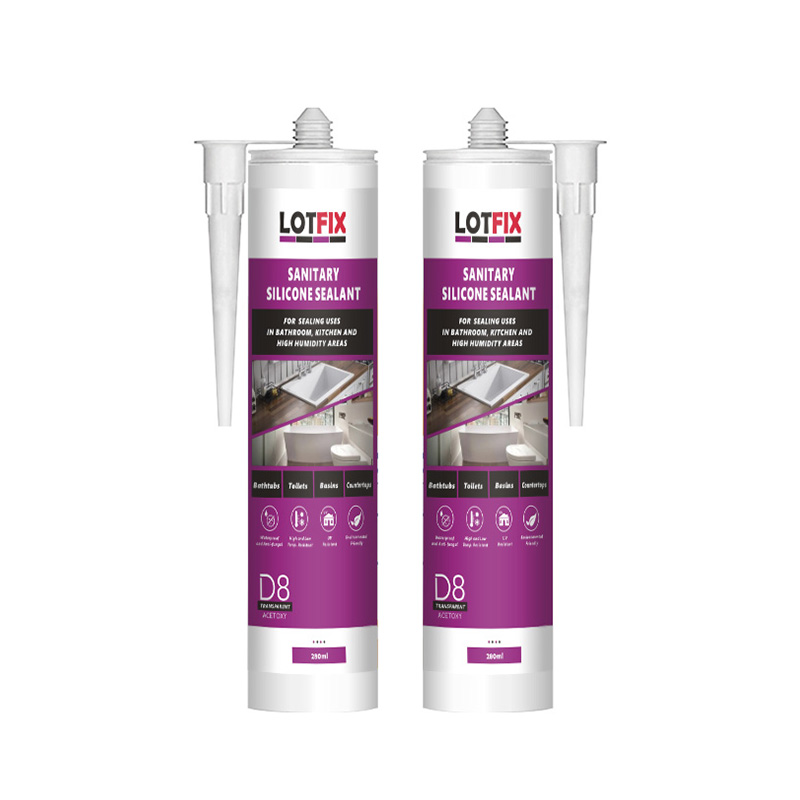
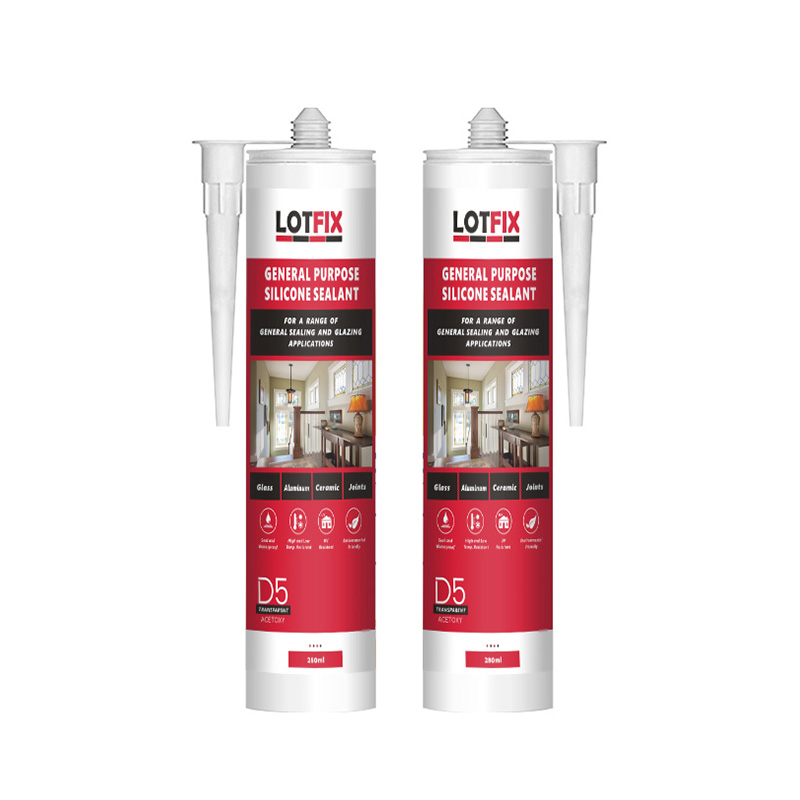
LOTFIX provides silicone sealant, acrylic sealant, PU foam, adhesive, hybrid sealant, and related construction material solutions for sealing, filling, bonding, insulation, and installation applications. If you are comparing products for bathrooms, kitchens, showers, windows, doors, tile joints, countertops, exterior gaps, or general construction use, you can visit the LOTFIX homepage to learn more about available product categories.
If you have questions about caulk dry time, sealant cure time, material selection, application conditions, or cooperation requirements, please Contact Us.