Mobile / WhatsApp
E-mail
Table of Contents
Neutral cure silicone is a silicone sealant that cures by releasing neutral by-products instead of strong acetic acid, making it more suitable for metals, mirrors, coated glass, concrete, stone, and other sensitive substrates.
In practical use, the biggest difference between neutral cure silicone and acetoxy silicone is compatibility. Acetoxy silicone is often fast-curing and cost-effective, but it releases acetic acid during curing and may corrode or affect sensitive materials. Neutral cure silicone usually has lower odor, better substrate compatibility, and broader construction use, especially where non-corrosive sealant performance is needed.
Neutral cure means the silicone sealant cures without releasing strong acidic by-products. During curing, the sealant reacts with moisture in the air and gradually forms an elastic rubber-like material. Because the curing by-products are more neutral than acetic acid, neutral cure silicone is generally less corrosive and more suitable for sensitive surfaces.
Simple answer: neutral cure silicone is a non-corrosive silicone sealant direction for applications where standard vinegar-smell acetoxy silicone may damage metal, mirror backing, natural stone, coated glass, or alkaline building materials.
This does not mean every neutral silicone is suitable for every project. A neutral silicone sealant still needs to match the substrate, joint movement, weather exposure, water exposure, service temperature, and application requirement. For sensitive or high-value materials, always check the product label or technical data sheet before use.
Neutral cure silicone is usually chosen for wider material compatibility and lower corrosion risk, while acetoxy silicone is often chosen for glass, ceramic, tile, and general sanitary sealing where the vinegar odor and acidic curing are acceptable.
| Comparison Point | Neutral Cure Silicone | Acetoxy Silicone | Selection Advice |
|---|---|---|---|
| Curing by-product | Neutral-type by-products, depending on formula. | Acetic acid, with a vinegar-like smell. | Use neutral cure where corrosion or material sensitivity is a concern. |
| Odor | Usually milder odor. | Stronger vinegar smell during curing. | Neutral cure is often better for indoor or enclosed areas. |
| Corrosion risk | Lower corrosion risk on many metals and sensitive materials. | May affect copper, some metals, mirror backing, and alkaline substrates. | Use neutral cure for metal, mirror, stone, concrete, and coated surfaces. |
| Common applications | Windows, doors, aluminum frames, curtain walls, mirrors, stone, concrete, exterior joints. | Glass, ceramic, tile, sanitary joints, kitchens, bathrooms, general glazing. | Choose by substrate first, not only by price or cure speed. |
| Curing speed | Often slower than acetoxy, depending on formula. | Often faster skin-over and cure in many general formulas. | Check tack-free time and cure speed in the TDS. |
| Cost | Usually higher. | Usually more economical. | Do not save cost by using acetoxy on sensitive materials. |
Acetoxy silicone releases acetic acid during curing, which creates a strong vinegar smell. Neutral cure silicone releases less acidic by-products, which may vary by formula, such as alcohol-type, oxime-type, alkoxy-type, or other neutral curing systems.
Releases acetic acid. It is easy to recognize because of the vinegar-like odor during curing.
Releases neutral-type by-products depending on the product chemistry, usually with lower odor and lower corrosion risk.
Curing by-products can affect metals, mirror backing, coatings, concrete, stone, plastics, and indoor air comfort.
The by-product is not just a smell issue. It can affect corrosion, staining, adhesion, and compatibility. This is why neutral silicone sealant is often described as a non corrosive sealant for sensitive construction and glazing applications.
Acetoxy silicone usually has a stronger vinegar odor and may skin over quickly. Neutral cure silicone usually has a milder odor, but some formulas may cure more slowly. Actual tack-free time and full cure time depend on temperature, humidity, bead thickness, and product formulation.
Odor: acetoxy silicone usually smells stronger because it releases acetic acid; neutral cure silicone is usually more comfortable for indoor or enclosed areas.
Skin-over time: both types can skin over within minutes to hours, depending on the formula.
Full cure: deeper cure takes longer than surface drying. Thick beads, cold conditions, and low humidity can extend cure time.
Ventilation: both types should be applied with suitable ventilation and according to the product SDS.
Water exposure: waterproof performance should be judged after proper curing, not immediately after application.
Do not choose a sealant only because it feels dry on the surface. Tack-free time means the surface is no longer sticky, but full cure means the bead has developed its final physical properties.
Neutral cure silicone is usually safer for sensitive substrates such as aluminum, copper, mirrors, coated glass, natural stone, concrete, masonry, and some plastics. Acetoxy silicone is more suitable for many glass, tile, ceramic, and sanitary joints when the surfaces are compatible.
| Substrate / Area | Recommended Direction | Reason | Reminder |
|---|---|---|---|
| Aluminum frames | Neutral silicone sealant. | Lower corrosion risk and better compatibility with metal window systems. | Check coated aluminum, anodized aluminum, and primer requirements. |
| Copper, brass, and sensitive metals | Neutral cure silicone or compatible specialty sealant. | Acidic curing may increase corrosion or discoloration risk. | Always test and confirm compatibility with the product data sheet. |
| Ordinary glass and ceramic tile | Acetoxy or neutral silicone, depending on application. | Both may bond well to many clean non-porous surfaces. | Use sanitary grade for bathrooms, kitchens, showers, and sinks. |
| Mirrors | Neutral mirror silicone sealant. | Helps reduce risk to mirror backing and edge coatings. | Do not use ordinary acidic silicone behind mirrors unless confirmed safe. |
| Natural stone | Stone-compatible neutral silicone or specialty sealant. | Some sealants may stain porous stone. | Check non-staining performance and test before use. |
| Concrete, brick, and masonry | Neutral silicone, PU, or hybrid sealant, depending on joint design. | Alkaline and porous surfaces may not be suitable for acetoxy silicone. | Primer, joint depth, backer rod, and movement capability may matter. |
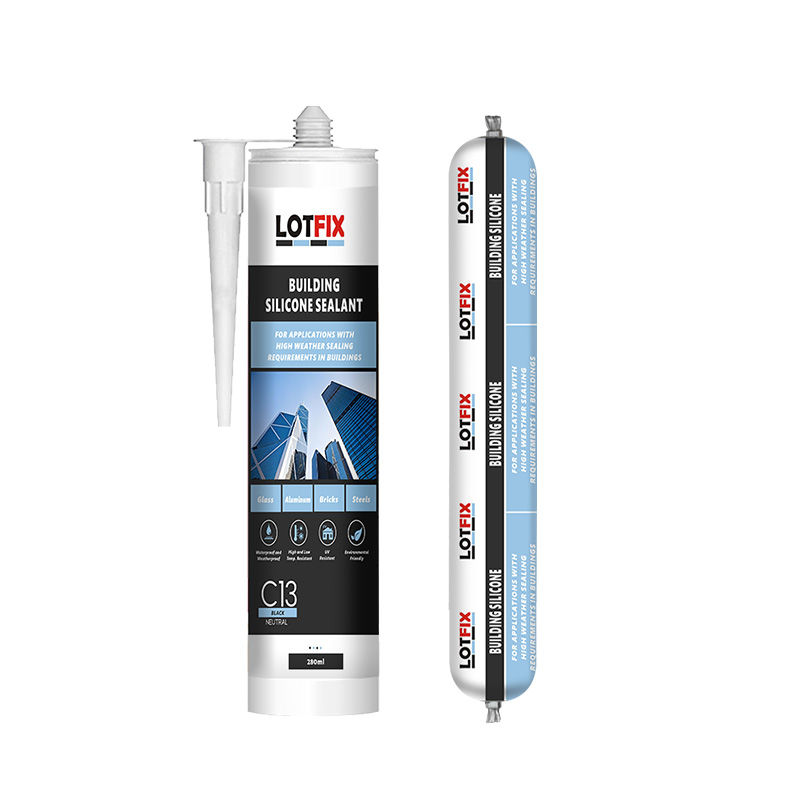
Neutral silicone sealant is commonly used where compatibility, low corrosion risk, weather resistance, and flexible waterproof sealing are required. It is especially useful for windows, doors, aluminum frames, curtain walls, mirrors, coated glass, facade joints, and mixed-material construction joints.
Suitable for many aluminum, PVC, glass, and coated frame sealing applications when the product data supports the substrate.
Neutral mirror silicone can reduce risk to mirror backing, decorative coating, and sensitive edge materials.
Many neutral silicones are used for weatherproof joints because they stay flexible and resist outdoor exposure.
Useful where glass, metal, stone, concrete, plastic, ceramic, or coated surfaces meet in one joint.
Neutral silicone is often preferred when the project has multiple substrates and the risk of acidic curing is not acceptable. However, for simple glass and ceramic bathroom joints, acetoxy sanitary silicone may still be practical when compatible and correctly applied.
Neutral cure silicone should be applied to a clean, dry, stable, and compatible surface. The bead should be continuous, properly tooled, and allowed to cure fully before water exposure, movement stress, cleaning, or service use.
Clean the surface: remove dust, oil, old sealant, soap residue, loose coating, and moisture.
Check compatibility: confirm the sealant is suitable for glass, aluminum, metal, stone, concrete, plastic, or coated surfaces.
Use masking tape: apply tape on both sides of visible joints for a cleaner edge.
Cut the nozzle correctly: cut the nozzle at about 45 degrees and match the opening to the joint width.
Apply a continuous bead: avoid gaps, bubbles, skips, and thin areas.
Tool before skin-over: smooth the bead before a skin forms so the sealant contacts both sides of the joint.
Allow proper cure: curing depends on humidity, temperature, bead thickness, and product formula.
Check the TDS: confirm tack-free time, cure speed, service temperature, water exposure, and application limits.
Neutral cure silicone cures with moisture, so very dry air, low temperature, or deep joints can slow curing. A bead may look finished on the surface while the inner layer still needs more time to cure.
Neutral cure silicone has broader compatibility than acetoxy silicone, but it is not a universal solution. It may still be unsuitable for some plastics, natural stone, structural glazing, submerged joints, painted finishes, food-contact areas, or high-chemical environments unless the product is specifically designed for those uses.
| Limitation | Why It Matters | What to Do |
|---|---|---|
| Paintability | Most silicone sealants are not paintable after curing. | Use acrylic, PU, MS, or paintable hybrid sealant when painting is required. |
| Natural stone staining | Some silicone oils or components may stain porous stone. | Use stone-compatible non-staining neutral silicone and test first. |
| Structural glazing | Structural glass systems require tested structural silicone, not general neutral silicone. | Request structural-grade data, project approval, and system guidance. |
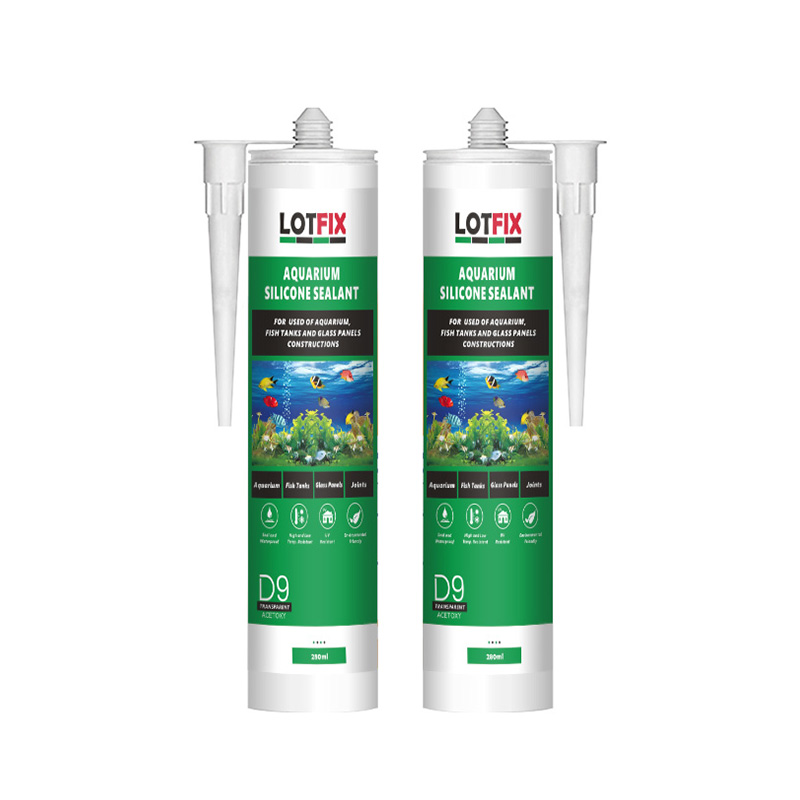
| Permanent immersion | Waterproof joints and underwater joints are different service conditions. | Use products clearly approved for immersion or aquarium use when needed. |
| Plastic compatibility | Some plastics are difficult to bond or may be affected by chemicals. | Test adhesion and check primer or surface treatment requirements. |
LOTFIX product selection should follow the substrate and application requirement. Neutral silicone is suitable for many sensitive or mixed-material sealing projects, while acetoxy sanitary silicone, acrylic sealant, PU sealant, or hybrid sealant may be better in other conditions.
| Project Need | LOTFIX Product Direction | Selection Reminder |
|---|---|---|
| Aluminum windows, doors, frames, and mixed materials | LOTFIX neutral silicone sealant direction | Check adhesion, weather resistance, cure type, and substrate compatibility. |
| Bathrooms, kitchens, tiles, sinks, and showers | LOTFIX sanitary silicone sealant direction | Choose suitable anti-fungal or wet-area formulas where hygiene and waterproofing matter. |
| Mirrors and decorative glass | LOTFIX mirror silicone sealant direction | Use mirror-compatible neutral cure products rather than ordinary acidic silicone. |
| Paintable interior gaps and trims | LOTFIX acrylic sealant direction | Use paintable sealant when the joint needs coating after application. |
| Concrete, construction joints, stronger bonding, or movement joints | LOTFIX PU or hybrid sealant direction | Check hardness, elongation, movement capability, adhesion, and curing speed. |
To compare available product categories, you can visit the LOTFIX homepage. For specific projects, the final product should be confirmed by substrate, application environment, technical data sheet, and working conditions.
Neutral cure means the silicone cures by releasing neutral-type by-products rather than strong acetic acid, reducing odor and corrosion risk.
Neutral cure silicone is better for sensitive metals, mirrors, stone, concrete, and mixed materials. Acetoxy silicone can still work well on compatible glass, tile, and sanitary joints.
Neutral silicone may still have some odor during curing, but it usually does not have the strong vinegar smell associated with acetoxy silicone.
Neutral cure silicone is generally less corrosive than acetoxy silicone, but compatibility still needs to be confirmed for sensitive metals and coatings.
Mirror-compatible neutral silicone can be used for mirror applications. Ordinary acidic silicone should not be used behind mirrors unless confirmed safe.
Most silicone sealants are not paintable. For painted joints, acrylic sealant, PU sealant, MS sealant, or paintable hybrid sealant may be more suitable.
The final rule is clear: choose neutral cure silicone for sensitive or mixed substrates where non-corrosive sealing matters, and choose acetoxy silicone only where the substrate and application can accept acidic curing.
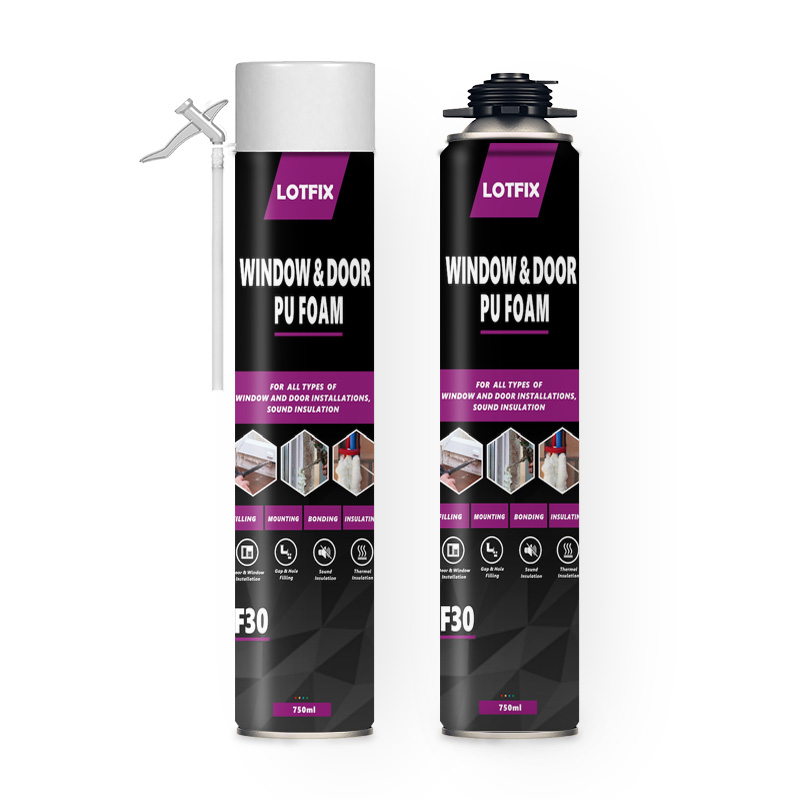
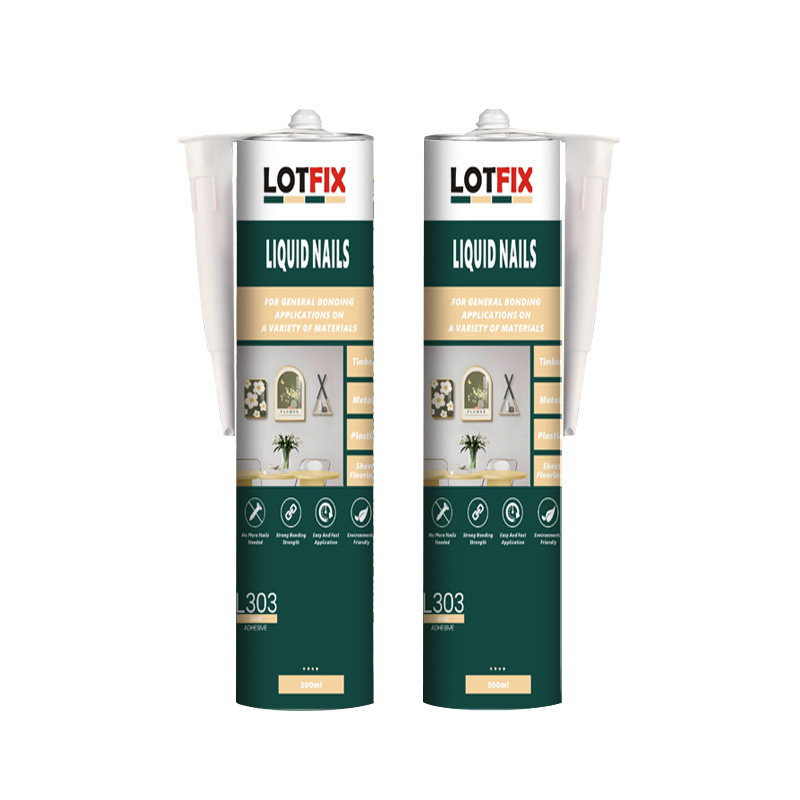
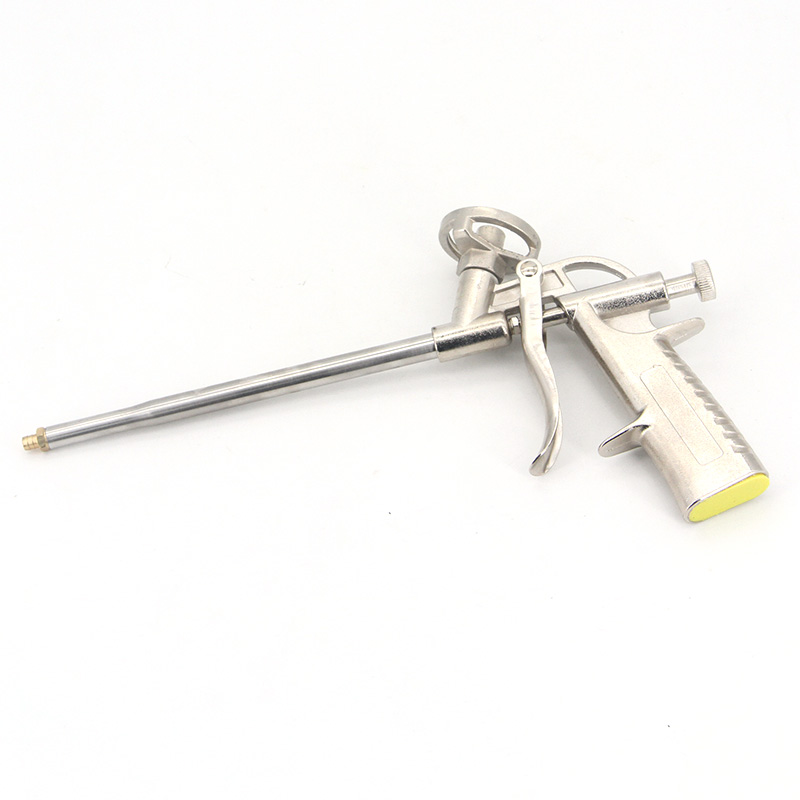
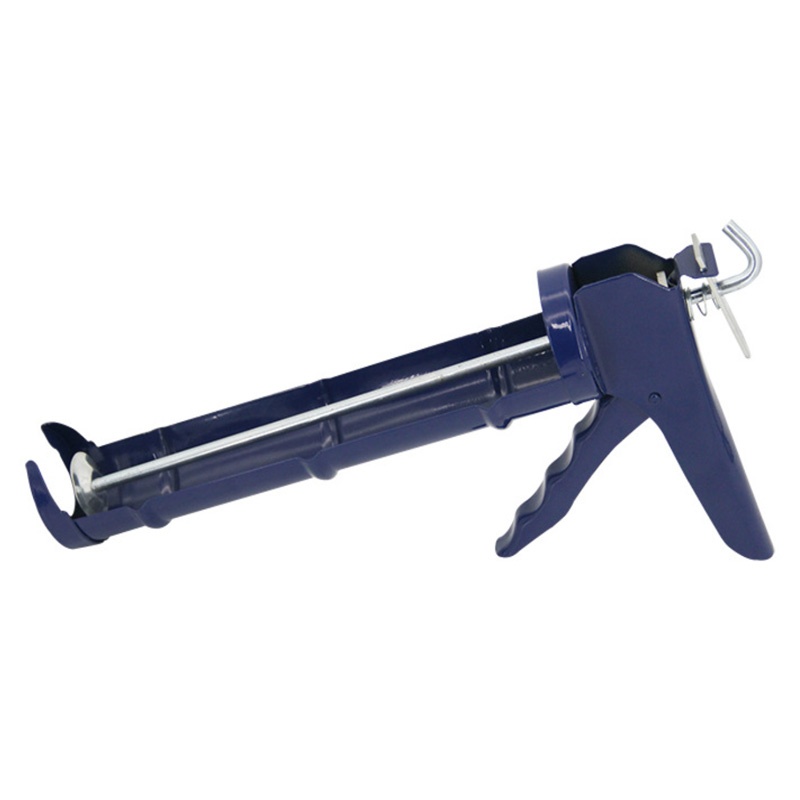
LOTFIX provides silicone sealant, acrylic sealant, PU foam, adhesive, hybrid sealant, PU sealant, caulking tools, and related construction material solutions for sealing, filling, bonding, waterproofing, gap protection, and installation applications. If you are comparing products for aluminum frames, glass, mirrors, bathrooms, kitchens, windows, doors, stone, concrete, exterior joints, or general construction sealing, you can visit the LOTFIX homepage to learn more about available product categories.
If you have questions about neutral cure silicone, acetoxy silicone, non-corrosive sealant, product selection, application scenarios, or cooperation requirements, please Contact Us.