Mobile / WhatsApp
E-mail
Table of Contents
What is the quick comparison between PU and silicone sealant?
How do PU and silicone compare in adhesion strength and movement?
How do PU and silicone compare in UV, weather, and outdoor use?
How do PU and silicone compare in paintability, odor, and curing time?
Which sealant is better for automotive and construction applications?
Polyurethane sealant is usually better for strong adhesion, abrasion resistance, paintable construction joints, wood, concrete, and automotive bonding, while silicone sealant is usually better for UV resistance, waterproof flexibility, glass, tile, bathrooms, kitchens, and weather-exposed sealing.
The choice between polyurethane sealant and silicone sealant is not about one material being better in every situation. PU sealant and silicone sealant have different chemistry, different curing behavior, and different strengths. If the joint needs paintability, strong bonding, abrasion resistance, or adhesion to porous materials, polyurethane may be more suitable. If the joint needs long-term UV resistance, waterproof flexibility, or sealing around glass, ceramic, sanitary areas, and exterior weather joints, silicone may be the better choice.
Polyurethane sealant is better when adhesion strength, paintability, abrasion resistance, and bonding to concrete, wood, metal, or automotive surfaces matter more. Silicone sealant is better when UV resistance, waterproofing, flexibility, and performance on glass, tile, ceramic, or wet-area joints matter more.
Simple rule: choose PU sealant for strong paintable bonding and construction joints; choose silicone sealant for waterproof, UV-resistant, flexible, glass, tile, and sanitary sealing.
In search results, users may also compare PU sealant vs silicone, silicone vs polyurethane, urethane sealant vs silicone, and polyurethane caulk vs silicone. These searches point to the same decision: match the sealant to the substrate, movement, weather exposure, paintability, and curing requirements.
A quick comparison helps show where polyurethane sealant and silicone sealant perform differently. PU is often chosen for strong bonding and paintability, while silicone is often chosen for waterproofing, UV resistance, and flexible sealing.
| Comparison Point | Polyurethane Sealant | Silicone Sealant | Better Choice |
|---|---|---|---|
| Adhesion strength | Strong adhesion on many construction materials. | Good adhesion on glass, ceramic, aluminum, and selected non-porous surfaces. | PU for strong construction bonding; silicone for glass and wet-area sealing. |
| Movement flexibility | Flexible, but product grade and joint design matter. | Excellent flexibility and elastic recovery in many sealing applications. | Depends on movement class and TDS data. |
| UV resistance | May need coating or paint for long outdoor exposure, depending on formula. | Generally better UV and weather resistance. | Silicone for high-UV exposed joints. |
| Paintability | Usually paintable after proper curing or skin formation. | Most 100% silicone is not paintable. | PU when painting is required. |
| Water resistance | Good waterproof sealing in suitable applications. | Excellent waterproof sealing after full cure. | Silicone for bathrooms, kitchens, glass, and tile wet joints. |
| Abrasion resistance | Often better for traffic, flooring, and exposed construction joints. | Softer surface and less suitable for abrasion-heavy joints. | PU for abrasion-prone construction areas. |
This table gives a general direction, but exact performance still depends on the specific product. A high-performance silicone may outperform a low-grade PU in some areas, and a specialized PU may outperform general silicone in others.
Polyurethane sealant is an elastic adhesive-sealant based on polyurethane chemistry, often used for bonding and sealing construction joints, concrete gaps, wood joints, automotive glass, metal panels, and exterior applications. Silicone sealant is an elastic sealant based on silicone polymer chemistry, often used for waterproof sealing, glass joints, sanitary areas, kitchens, bathrooms, tile, aluminum, and weatherproof joints.
A strong adhesive-sealant direction for concrete, wood, metal, construction joints, automotive bonding, and paintable exterior gaps.
A waterproof and flexible sealant direction for glass, ceramic, tile, bathrooms, kitchens, windows, and UV-exposed sealing.
PU is often chosen when bonding strength and paintability matter; silicone is often chosen when water, UV, and long-term flexibility matter.
The words “PU” and “silicone” are not enough. Always check the formula, application area, substrate, and product TDS.
Both materials can seal gaps, resist moisture, and remain flexible. The difference is how they perform under paint, UV, abrasion, chemical exposure, movement, and different substrates.
PU sealant is often stronger in adhesive bonding and abrasion resistance, while silicone sealant is often stronger in elastic recovery and waterproof flexibility. For moving joints, both can work, but the final choice should be based on movement capability, joint width, modulus, elongation, and substrate compatibility.
Choose PU sealant when the joint needs stronger bonding to concrete, wood, masonry, metal, or automotive surfaces.
Choose silicone sealant when the joint needs excellent flexibility, waterproofing, UV resistance, and compatibility with glass, tile, ceramic, or aluminum.
Check movement class before using either material in expansion joints, facade joints, curtain wall joints, or large exterior gaps.
Do not assume stronger is always better: a very stiff sealant may fail in a joint that needs movement absorption.
Do not assume flexible is always enough: a flexible sealant can still fail if adhesion to the substrate is poor.
For construction joints, the bead shape and joint design are just as important as the material. The sealant must bond to the two sides of the joint, stretch with movement, and avoid three-sided adhesion when backer rod is required.
Silicone sealant usually performs better under long-term UV and weather exposure, while polyurethane sealant may need paint, coating, or a UV-resistant grade for exposed outdoor use. PU can still be excellent outdoors when the correct product and protection system are used.
| Outdoor Condition | PU Sealant Direction | Silicone Sealant Direction |
|---|---|---|
| Direct sunlight | Check UV resistance or paint/coating requirement. | Generally strong UV resistance for exposed joints. |
| Rain and weather | Good when product is exterior-grade and properly cured. | Good for weatherproof sealing around windows, glass, and exterior gaps. |
| Painted exterior joints | Often suitable because PU is usually paintable. | Most 100% silicone is not paintable. |
| Facade and curtain wall joints | May be used in selected construction joints when specified. | Often used for glazing and weather sealing when compatible. |
For outdoor sealing, do not choose only by waterproof claims. UV exposure, temperature cycling, substrate movement, paintability, and long-term weathering data should all be checked.
Polyurethane sealant is usually more suitable when painting is required, while most 100% silicone sealants cannot be painted after curing. Odor and curing time depend on the product formula, cure system, bead thickness, temperature, and humidity.
| Factor | Polyurethane Sealant | Silicone Sealant | Practical Advice |
|---|---|---|---|
| Paintability | Usually paintable after suitable curing or skin formation. | Most 100% silicone is not paintable. | Use PU, MS, hybrid, or acrylic if painting is required. |
| Odor | May have noticeable odor during application, depending on formula. | Acetoxy silicone has vinegar-like odor; neutral silicone is usually lower odor. | For indoor use, check low-odor and ventilation requirements. |
| Tack-free time | Often measured in hours or shorter depending on formula. | Often minutes to an hour depending on formula. | Tack-free does not mean full cure. |
| Full cure | May take several days, especially in thick joints. | Often 24–72 hours or longer for thick beads. | Check cure speed in mm per 24 hours when available. |
When users ask about polyurethane caulk vs silicone, paintability is often the deciding factor. If the joint will be painted, silicone is usually not the best choice unless it is a special paintable silicone or the paint system is confirmed compatible.
For wood and concrete, polyurethane sealant is often a strong choice because it can provide durable adhesion, paintability, and abrasion resistance. For glass, ceramic, tile, and many sanitary joints, silicone sealant is usually more suitable because it offers strong waterproof flexibility and UV resistance.
| Substrate | Recommended Direction | Why | Reminder |
|---|---|---|---|
| Wood | PU sealant, hybrid sealant, or paintable sealant. | Better fit when adhesion, flexibility, and painting are needed. | For polyurethane sealant wood applications, check moisture content and coating compatibility. |
| Concrete and masonry | PU sealant or suitable construction joint sealant. | Good for construction joints, cracks, expansion joints, and abrasion-prone areas. | Primer may be required on porous or dusty surfaces. |
| Glass | Silicone sealant. | Strong fit for transparent, waterproof, UV-exposed, and elastic glass joints. | Use neutral silicone for sensitive metals, mirrors, or special glass systems when required. |
| Tile and ceramic | Sanitary silicone sealant. | Better for bathrooms, kitchens, showers, sinks, and wet-area corners. | Choose mildew-resistant sanitary silicone for high-humidity areas. |
| Metal | PU, neutral silicone, or hybrid sealant. | Selection depends on corrosion risk, paintability, movement, and weather exposure. | Avoid incompatible cure systems on sensitive metals. |
Substrate compatibility is one of the most important selection factors. Even a high-performance sealant can fail if the surface is dusty, oily, wet, coated, weak, or chemically incompatible.
In automotive applications, PU sealant is often used where bonding strength, vibration resistance, and structural or semi-structural adhesion are needed. In construction applications, PU is often used for concrete, floors, facades, expansion joints, and painted joints, while silicone is often used for glass, curtain wall, sanitary, and weatherproof sealing.
Structural windshield installation normally requires dedicated PU windshield adhesive, not ordinary silicone sealant.
PU or suitable automotive sealants may be used where adhesion, vibration resistance, and coating compatibility are required.
PU is often suitable for concrete and expansion joints, while silicone is often suitable for glazing and weather sealing.
Silicone is usually preferred for showers, bathtubs, sinks, tile corners, glass screens, and high-humidity joints.
For automotive and construction use, the product must be selected by application data. A general-purpose PU or silicone may not be suitable for structural bonding, vehicle glass, fire-rated joints, food-contact areas, natural stone, or high-chemical exposure environments unless the TDS supports it.
PU and silicone should not be used interchangeably when the joint has strict requirements for paintability, structural bonding, glass sealing, UV exposure, sanitary performance, substrate compatibility, or safe curing.
Do not replace windshield PU adhesive with silicone: ordinary silicone is not a structural automotive glass adhesive.
Do not use most silicone where the joint must be painted: paint usually does not bond well to cured 100% silicone.
Do not use the wrong sealant on natural stone: some products may stain porous stone or need special neutral-cure formulas.
Do not use standard PU in high-UV exposed joints without checking weathering: some PU sealants need paint or coating protection.
Do not use ordinary construction sealant in sanitary wet areas: bathrooms and kitchens may need mildew-resistant sanitary silicone.
Do not apply either product over dirty old sealant: poor surface preparation can cause adhesion failure.
The biggest mistake is selecting by material name alone. A sealant must match the joint environment, not just the product category.
To choose between PU and silicone sealant correctly, check the technical data sheet for adhesion, movement capability, elongation, hardness, modulus, tack-free time, curing speed, service temperature, application temperature, UV resistance, water resistance, and paintability.
| TDS Item | Why It Matters | Selection Tip |
|---|---|---|
| Substrate adhesion | Shows whether the sealant can bond to glass, concrete, wood, metal, tile, or plastic. | Ask for primer requirements if the substrate is porous, coated, or difficult to bond. |
| Movement capability | Important for expansion joints, facades, window perimeters, and exterior gaps. | Match the sealant to expected joint movement. |
| Hardness and modulus | Affects softness, stiffness, abrasion resistance, and movement behavior. | Do not choose a very hard sealant for a joint that needs high flexibility. |
| Curing speed | Determines waiting time before painting, water exposure, or service use. | Thick beads and low temperature can extend cure time. |
| UV and weather resistance | Critical for exterior exposed joints. | Use exterior-grade silicone, PU, MS, or hybrid products according to exposure. |
| Paintability | Decides whether the final surface can be coated. | PU is often more suitable when the sealant must be painted. |
A product TDS is especially important for exterior joints, automotive bonding, facade sealing, natural stone, food-related areas, wet rooms, chemical exposure, and movement joints. General comparison articles can guide selection, but the TDS should confirm the final choice.
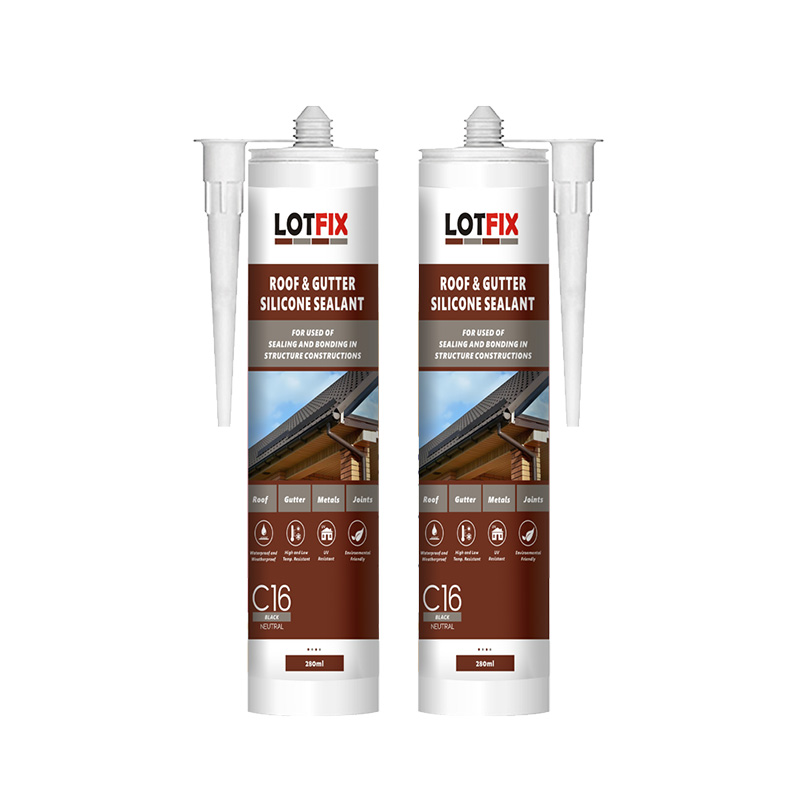
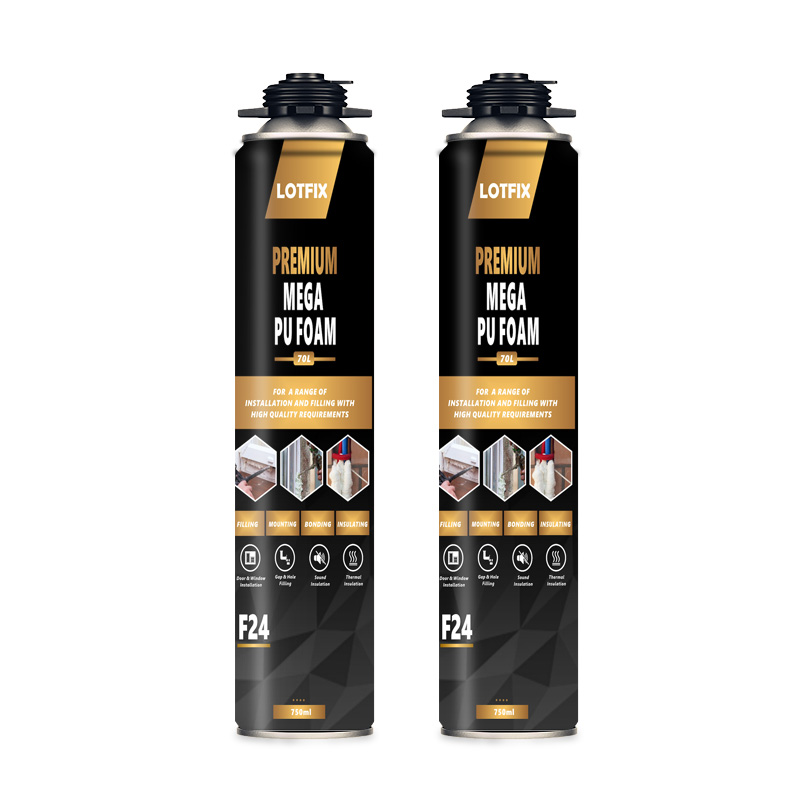
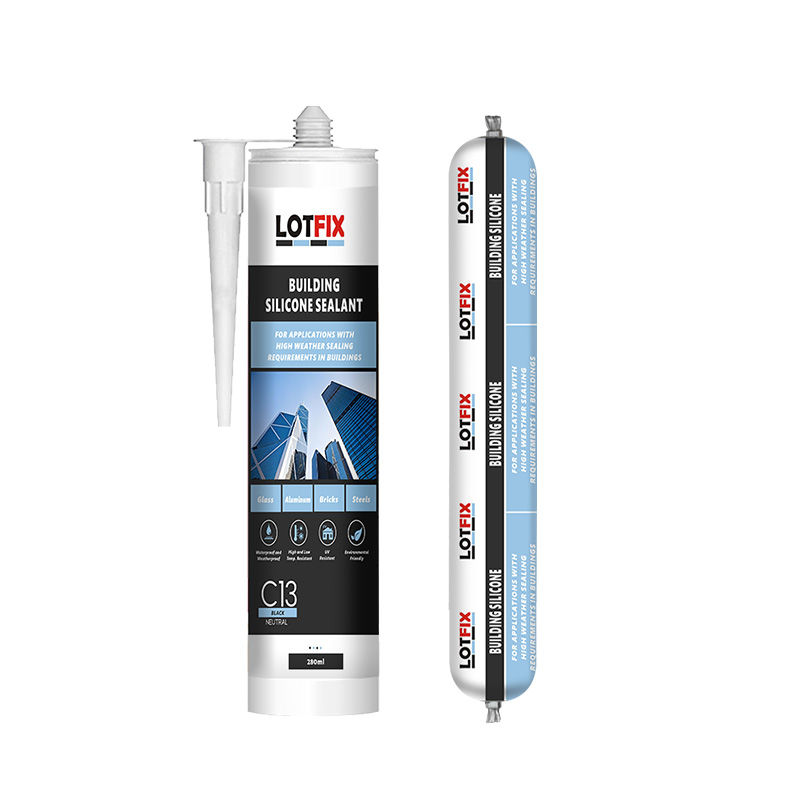
For LOTFIX product selection, PU sealant is more suitable for strong bonding, construction sealing, automotive-related sealing, and paintable joints, while silicone sealant is more suitable for waterproof, sanitary, glass, tile, window, kitchen, bathroom, and weather-sealing applications.
| Project Need | LOTFIX Product Direction | Selection Reminder |
|---|---|---|
| Bathroom, kitchen, tile, sink, and glass sealing | LOTFIX silicone sealant direction | Check sanitary grade, mildew resistance, cure type, color, and substrate compatibility. |
| Concrete, wood, construction joints, and paintable gaps | LOTFIX PU sealant direction | Check adhesion, hardness, movement capability, paint-over time, and cure speed. |
| Exterior window and mixed-material joints | LOTFIX silicone, PU, or hybrid sealant direction | Choose based on UV exposure, paintability, movement, and substrate type. |
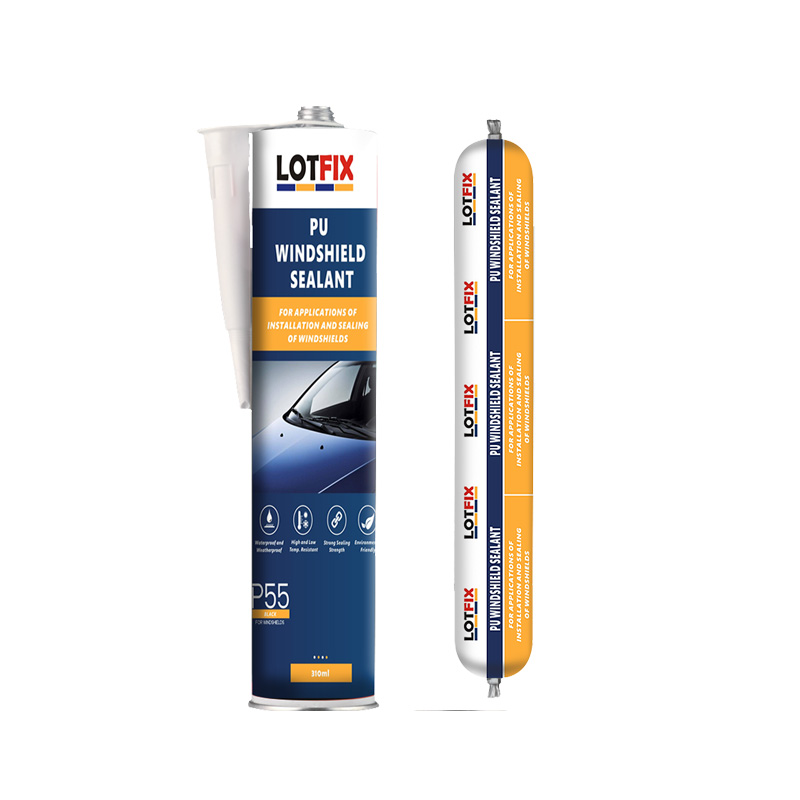
| Automotive glass or special bonding applications | LOTFIX PU adhesive or PU windshield sealant direction | Request TDS, SDS, primer guidance, cure data, and application requirements before use. |
To compare available product categories, you can visit the LOTFIX homepage. For specific projects, the final product should be confirmed by the product label, technical data sheet, substrate, joint design, and working environment.
Polyurethane is better for strong adhesion, paintable joints, abrasion resistance, concrete, wood, and automotive bonding. Silicone is better for waterproof, UV-resistant, glass, tile, and sanitary sealing.
Silicone is often better for direct UV exposure and weather sealing. PU can also be used outdoors if the product is exterior-grade or protected by paint or coating.
Yes, polyurethane sealant is often suitable for wood joints when adhesion, flexibility, and paintability are required. Surface moisture and coating compatibility should be checked.
Most 100% silicone sealants are not paintable. If painting is required, polyurethane, MS polymer, hybrid, acrylic, or paintable sealant may be more suitable.
PU sealant is often better for concrete joints, expansion joints, and abrasion-prone construction gaps. Primer and joint design should be checked.
Silicone sealant is usually better for glass, tile, showers, bathtubs, sinks, bathrooms, kitchens, and other waterproof sanitary joints.
The final rule is simple: use polyurethane sealant when bonding strength, paintability, abrasion resistance, or porous substrates matter more; use silicone sealant when waterproof flexibility, UV resistance, glass, tile, or sanitary sealing matters more.
LOTFIX provides silicone sealant, acrylic sealant, PU foam, adhesive, hybrid sealant, PU sealant, PU windshield sealant, and related construction material solutions for sealing, filling, bonding, waterproofing, gap protection, and installation applications. If you are comparing products for bathrooms, kitchens, windows, doors, glass, concrete, wood, automotive use, exterior joints, or general construction sealing, you can visit the LOTFIX homepage to learn more about available product categories.
If you have questions about polyurethane sealant, silicone sealant, PU sealant vs silicone, product selection, application scenarios, or cooperation requirements, please Contact Us.