Mobile / WhatsApp
E-mail
Table of Contents
The safest silicone for aquariums is a fully cured aquarium-safe silicone sealant that is clearly labeled for aquarium or fish tank use and does not contain mold inhibitors, fungicides, or unsuitable additives.
Many people think “100% silicone” automatically means fish tank safe, but that is not enough. A silicone sealant used around fish, plants, shrimp, filters, and long-term water contact must be selected more carefully. The product should be suitable for permanent water exposure after full cure, compatible with glass joints, and free from additives that may leach into the water. For structural aquarium building or rebuilding, adhesive strength and joint design also matter, not only water resistance.
Aquarium-safe silicone is silicone sealant that is specifically suitable for fish tanks after full cure. It should bond well to glass, resist long-term water exposure, and contain no additives that could harm aquatic life.
Simple rule: choose silicone that clearly states aquarium-safe, fish tank safe, or suitable for aquarium use. Do not rely only on “100% silicone” if the label does not confirm aquarium suitability.
The main concern is not only whether silicone can seal water. Many silicone products are waterproof after curing, but some are designed for bathrooms, kitchens, windows, mirrors, or construction joints rather than living aquatic systems. If the product contains anti-mold additives, fungicides, biocides, plasticizers, solvents, or unclear additives, it should not be used inside an aquarium.
The best aquarium silicone is usually a dedicated aquarium silicone sealant or a silicone product whose technical data clearly supports fish tank use. It should be safe after full cure and suitable for glass bonding or sealing under continuous water exposure.
| Product Type | Can It Be Used in Aquariums? | Selection Reminder |
|---|---|---|
| Aquarium silicone sealant | Usually the safest direction. | Use when the label or TDS clearly confirms aquarium or fish tank suitability. |
| 100% silicone without aquarium label | Not automatically safe. | Check additives, cure system, full cure requirements, and supplier confirmation before use. |
| Sanitary silicone sealant | Usually not recommended unless confirmed aquarium-safe. | Many sanitary formulas include anti-mold or anti-fungal additives not intended for fish tanks. |
| Construction silicone sealant | Only if the product data supports it. | Construction waterproofing does not automatically mean aquarium safety. |
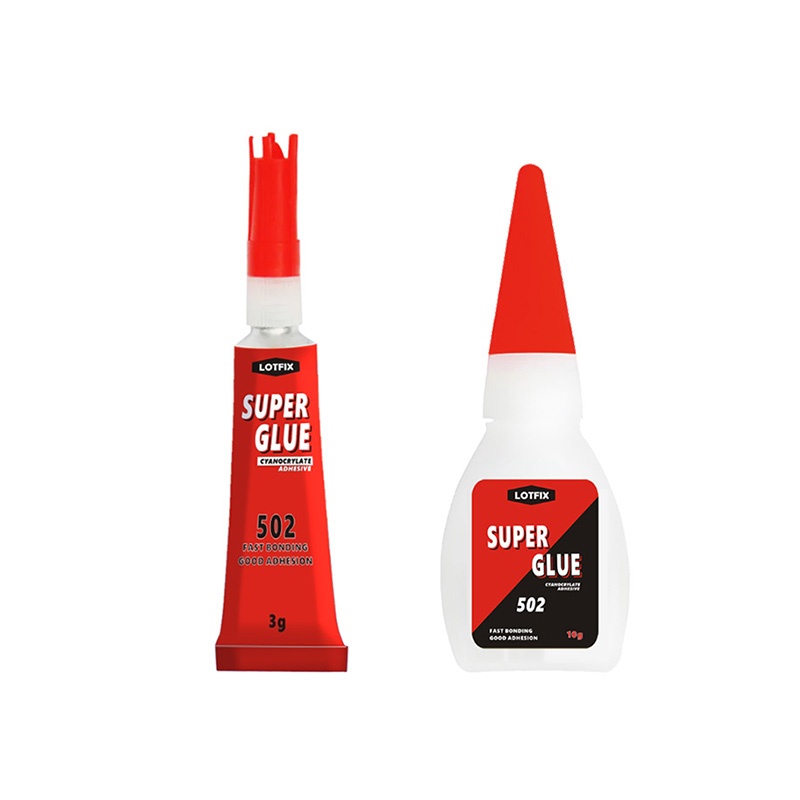
| Cyanoacrylate gel glue | May be used for small aquarium decorations if suitable and fully cured. | Not for structural glass seams or tank rebuilding. |
For aquarium seams, the safest option is still aquarium silicone, not general glue. Fish tank safe glue for small decorations and aquarium silicone for structural glass joints are different product categories.
Ordinary sanitary silicone is not always safe for aquariums because it may contain anti-mold, anti-fungal, or mildew-resistant additives. These additives are useful in bathrooms but may be unsuitable for fish, shrimp, plants, and beneficial bacteria in aquarium water.
Bathroom silicone often contains additives designed to suppress mold growth, but aquarium water is a living environment.
If the label only says kitchen, bathroom, sanitary, or mildew resistant, it may not be intended for aquarium use.
A product can be waterproof in a shower but still unsuitable for continuous contact with fish tank water.
Silicone must fully cure before water contact. Any uncured material, odor, or residue can be risky in a closed aquatic system.
This is why “sanitary silicone” and “aquarium silicone” should not be treated as the same thing. For fish tanks, avoid products that advertise mold resistance, mildew resistance, anti-fungal performance, or bathroom-only use unless the manufacturer clearly confirms aquarium suitability.
Fish tank safe glue should be non-toxic after full cure, stable under water, suitable for the target material, free from harmful additives, and strong enough for the specific application. Structural aquarium seams require stronger requirements than small decoration bonding.
| Requirement | Why It Matters | What to Check |
|---|---|---|
| Aquarium-safe statement | Confirms the product is intended for fish tank conditions. | Label, TDS, supplier confirmation, or aquarium-use documentation. |
| No harmful additives | Fungicides or biocides may affect aquatic life. | Avoid anti-mold, mildew-resistant, anti-fungal, or unknown additive claims. |
| Full underwater stability | Aquarium seams remain under water for long periods. | Continuous water contact suitability after full cure. |
| Glass bonding strength | Tank seams must resist water pressure and glass movement. | Adhesion, tensile strength, elongation, joint design, and recommended use. |
| Complete cure before use | Uncured silicone can release odor or residues. | Cure time, bead thickness, temperature, humidity, and smell check. |
For structural aquarium seams, do not choose glue only by “waterproof” or “strong bonding” claims. The product must be suitable for glass, water pressure, long-term immersion, and aquatic safety after full cure.
Aquarium silicone does not work alone. Glass thickness, tank size, water depth, joint width, bead shape, bracing, and edge preparation all affect whether a fish tank seam can hold water safely over time.
Glass thickness matters: larger tanks and deeper water require stronger glass and proper engineering.
Joint size matters: a thin decorative bead is not the same as a structural bonding seam.
Surface contact matters: silicone must bond directly to clean glass, not to dust, oil, old residue, or wet surfaces.
Bead shape matters: a continuous, well-tooled bead helps reduce weak spots and trapped air.
Tank design matters: rimless tanks, large tanks, and tall tanks need professional design and suitable material selection.
If the aquarium is large, load-bearing, custom-built, or previously failed, do not rely on a general repair article alone. Structural aquarium building should follow professional glass thickness calculations, adhesive recommendations, and safety margins.
Small aquarium repair usually means resealing an interior bead or fixing a minor non-structural leak, while aquarium rebuild means removing glass panels, cleaning bonding surfaces, and rebuilding structural seams. The risk level is very different.
| Work Type | What It Usually Means | Risk Reminder |
|---|---|---|
| Small interior reseal | Removing old inner bead and applying new aquarium silicone over clean glass areas. | New silicone does not reliably bond to old cured silicone, so old residue must be removed carefully. |
| Minor leak repair | Fixing a small leak after identifying the exact source. | If the structural seam is failing, a surface patch may not be safe. |
| Full aquarium rebuild | Separating panels, cleaning all edges, and rebuilding structural silicone seams. | Requires correct glass thickness, seam design, clamping, curing, and professional judgment. |
| Decoration bonding | Attaching rocks, plants, coral fragments, or small aquarium accessories. | This is not the same as bonding aquarium glass panels. |
For small repairs, preparation and full cure are critical. For rebuilds, safety and structural design are even more important. A leaking large aquarium can cause property damage and harm aquatic life, so professional help is recommended when the structural seam is uncertain.
To apply aquarium silicone sealant, remove old material, clean the glass, dry the joint, apply a continuous bead, tool it smoothly, allow full cure, rinse if needed, and perform a leak test before adding fish.
Empty and dry the tank: never apply silicone to a wet operating aquarium with fish inside.
Remove old silicone: cut away failed silicone carefully. Avoid scratching or damaging the glass edge.
Clean the glass: remove dust, algae, oil, minerals, and silicone residue from the bonding area.
Dry completely: hidden moisture can weaken adhesion and affect curing.
Mask the joint: tape both sides if a clean bead line is needed.
Apply a continuous bead: avoid gaps, breaks, bubbles, and thin spots.
Tool quickly: smooth the bead before skin-over so the silicone contacts the glass well.
Allow full cure: wait according to the product instructions and bead thickness before adding water.
Leak test first: test with water in a safe location before returning fish, plants, or decorations.
Do not apply new silicone over a dirty or peeling old bead. Silicone bonds best to clean glass, not to old cured silicone film. Poor preparation is one of the most common reasons aquarium repairs fail.
Aquarium silicone may become tack-free in minutes to hours, but it often needs 24 to 72 hours or longer to fully cure before water exposure. Thick seams, large tanks, low temperature, low humidity, or deep beads may need several days to a week or more.
| Cure Stage | What It Means | Aquarium Reminder |
|---|---|---|
| Skin-over time | The surface starts forming a skin. | Tool the bead before this stage; do not add water yet. |
| Tack-free time | The surface no longer feels sticky. | Tack-free does not mean fish-safe or water-ready. |
| Full cure | The silicone cures through the full bead and reaches final properties. | Wait for full cure before filling the tank. |
| Odor check | Some silicone has a vinegar-like odor during cure. | Strong remaining odor can indicate the cure is not complete. |
Do not rush this step. Aquarium silicone should be fully cured before water, fish, shrimp, plants, or filter media are added. When in doubt, wait longer and follow the product TDS instead of relying only on surface touch.
An aquarium leak test should be done after full silicone cure and before adding livestock. Fill the tank with water in a safe location, inspect all seams, and leave it long enough to confirm that no slow leaks appear.
Choose a safe test area: use a garage, balcony, bathroom, or outdoor space where water leakage will not cause serious damage.
Use a level surface: uneven support can stress the glass and seams.
Fill gradually: add water in stages and inspect seams after each stage.
Check all edges: look for droplets, damp lines, bubbles, or water tracking under the tank.
Wait long enough: some leaks are slow and may not appear immediately.
Do not add fish during testing: livestock should only be added after the tank passes the leak test and is properly prepared.
A leak test does not replace proper structural design, but it can help catch obvious sealing failures before the aquarium is placed in normal use.
Hot glue is not recommended for aquarium glass seams, leak repairs, or long-term underwater sealing. It is not a replacement for aquarium silicone and should not be used to build or repair the structure of a fish tank.
Use aquarium silicone for glass seams and structural sealing. Do not use hot glue for tank construction, leak repair, or permanent submerged sealing.
Hot glue may soften, lose adhesion, or contain unknown additives that are not intended for aquarium water. It may be acceptable for some temporary dry-side craft uses outside the tank, but it should not be trusted for water pressure, submerged joints, or fish-safe structural bonding.
Silicone that is clearly labeled aquarium-safe or suitable for fish tanks, fully cured, and free from harmful additives is the safest choice.
Not always. 100% silicone is not enough if the product contains unsuitable additives or does not confirm aquarium use.
Usually no, unless the manufacturer clearly confirms aquarium safety. Many sanitary silicones contain anti-mold additives.
It may become tack-free in hours, but full cure can take 24–72 hours or longer. Thick seams may need several days to a week or more.
No. Surface dry does not mean fully cured. Wait for full cure according to the product instructions before filling the tank.
A dedicated aquarium silicone sealant is usually the best choice for fish tank glass seams and long-term water contact.
The final rule is simple: use aquarium-safe silicone for fish tank seams, avoid ordinary anti-mold sanitary silicone, allow full cure, and always leak test before adding aquatic life.
LOTFIX provides silicone sealant, acrylic sealant, PU foam, adhesive, hybrid sealant, PU sealant, and related construction material solutions for sealing, filling, bonding, waterproofing, gap protection, and installation applications. If you are comparing sealants for glass, bathrooms, kitchens, windows, doors, construction joints, or special water-contact applications, you can visit the LOTFIX homepage to learn more about available product categories.
If you have questions about silicone sealant selection, aquarium-safe requirements, product compatibility, application scenarios, or cooperation requirements, please Contact Us.