Mobile / WhatsApp
E-mail
Table of Contents
Cured silicone sealant can form a water-resistant or waterproof seal for many joints, but waterproof, weatherproof, and continuous immersion are different requirements that need different sealant choices.
Silicone is one of the most common waterproof sealant materials for bathrooms, kitchens, glass, tile, windows, and many construction joints. However, “is silicone waterproof?” is not enough for real product selection. A shower corner, exterior window frame, roof lap, swimming pool joint, chemical exposure area, and moving construction joint all face different conditions. The best waterproof sealant depends on water exposure, UV, chemicals, movement, substrate, curing conditions, and service life expectations.
Yes, cured silicone sealant is generally waterproof for many common sealing applications when it is applied correctly to a clean, dry, compatible surface. It resists water penetration, stays flexible after curing, and is widely used in bathrooms, kitchens, glass joints, tile corners, sinks, and window sealing.
Simple answer: silicone is waterproof for many wet-area and weather-sealing joints, but not every silicone product is suitable for permanent underwater use, chemical exposure, or high-movement construction joints.
Silicone performs well because it remains elastic and does not absorb water like porous materials. Once cured, water tends to bead on the surface instead of soaking through the sealant. Still, the final result depends on surface preparation, bead size, curing time, substrate compatibility, and whether the product is designed for that specific environment.
Waterproof, water-resistant, and weatherproof are often used together, but they do not mean the same thing. A sealant may resist splashes, rain, or humidity, but that does not automatically mean it can handle long-term standing water or chemical exposure.
| Term | What It Means | Typical Example | Selection Reminder |
|---|---|---|---|
| Water-resistant | Can resist light moisture, splashes, or occasional dampness. | Interior gaps near lightly damp areas. | Not enough for showers, roofs, or leak-prone joints. |
| Waterproof | Can block water penetration when properly applied and cured. | Bathroom silicone, kitchen sink sealant, glass-to-tile joints. | Check curing time and water exposure limits. |
| Weatherproof | Can resist outdoor rain, UV, temperature change, and wind exposure. | Exterior windows, door frames, facade joints, outdoor gaps. | UV resistance and movement capability matter. |
| Continuous immersion | Designed to remain under water or standing liquid for long periods. | Pools, tanks, fountains, submerged joints. | Only use products specifically approved for immersion. |
This distinction helps avoid overclaiming. Silicone may be excellent in showers and exterior joints, but a permanently submerged joint needs a product specifically tested for immersion. The same logic applies to chemical resistance and high-temperature environments.
Silicone, PU, MS polymer, acrylic, and butyl sealants can all be used in waterproofing-related applications, but their strengths are different. Silicone is strong in wet areas and UV exposure, PU is strong in adhesion and movement, MS balances adhesion and paintability, acrylic is mainly for paintable dry gaps, and butyl is useful for selected roofing and flashing details.
| Sealant Type | Waterproof Performance | Best Use | Main Limitation |
|---|---|---|---|
| Silicone sealant | Excellent water resistance after curing. | Bathrooms, kitchens, glass, tile, sinks, showers, windows, wet joints. | Usually not paintable; not every formula is suitable for immersion or all substrates. |
| PU sealant | Good waterproof sealing with strong adhesion and movement capability. | Construction joints, concrete, facades, expansion joints, automotive and industrial sealing. | UV resistance, paint timing, and cure conditions must be checked by product. |
| MS polymer sealant | Good water resistance and multi-surface adhesion in many applications. | Windows, doors, facades, mixed materials, interior and exterior construction joints. | Full cure time and immersion suitability vary by formula. |
| Acrylic sealant | Limited water resistance; best for dry or lightly damp areas. | Interior trims, baseboards, wall gaps, paintable decorative joints. | Not ideal for constant wet exposure, showers, or high-movement joints. |
| Butyl sealant | Good moisture resistance for selected roofing, flashing, and lap joints. | Roof details, gutters, flashing, metal laps, waterproofing edges. | Can remain tacky or non-hardening; not for every visible finish or joint type. |
The best waterproof sealant is therefore not one material for every project. It is the material whose adhesion, flexibility, water resistance, UV resistance, chemical resistance, and curing behavior match the actual joint.
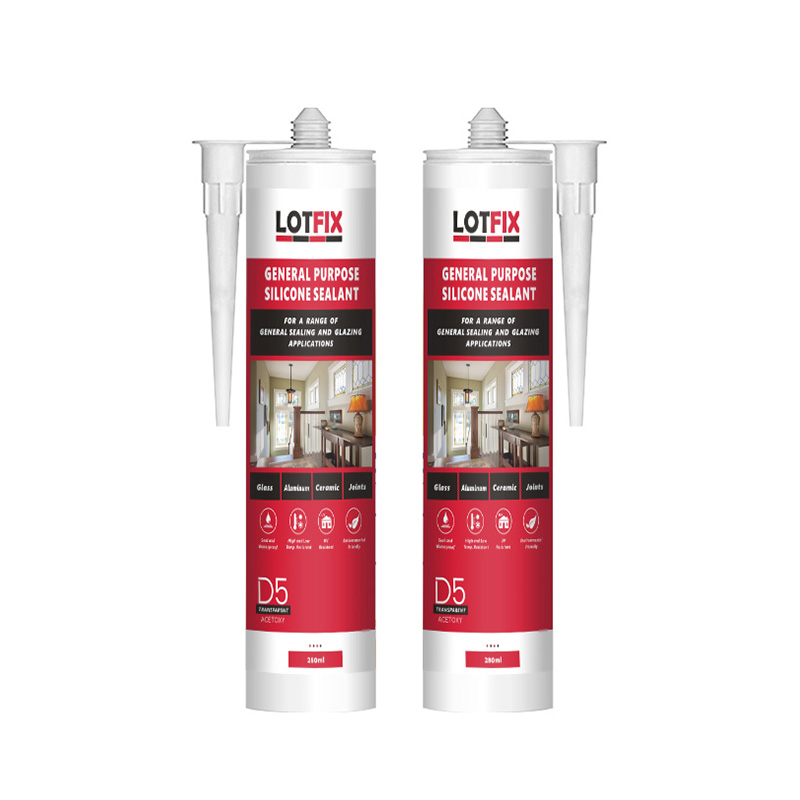
For windows and exterior walls, choose a weatherproof sealant that can resist rain, UV, temperature changes, joint movement, and adhesion loss. Silicone, MS polymer, PU, or suitable exterior-grade hybrid sealants are commonly considered depending on the substrate and project requirements.
Use a sealant that bonds to glass, aluminum, PVC, painted metal, concrete, or masonry as required by the frame system.
Choose a weather-resistant material with enough movement capability for expansion, contraction, and building movement.
When paintability is required, check whether PU, MS, or hybrid sealant is more suitable than standard silicone.
Direct sunlight can age some sealants faster, so UV resistance should be checked before exterior use.
Exterior waterproof sealing is not only about blocking rain. The sealant must also remain bonded while the joint moves. A rigid or low-grade material may crack even if it initially looks sealed.
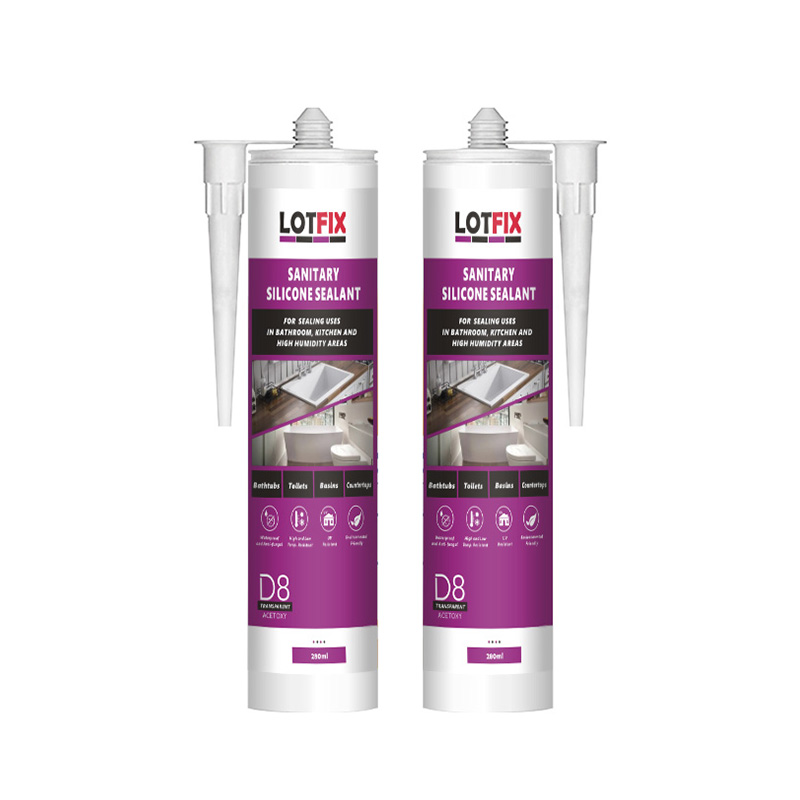
For bathrooms and high-moisture environments, sanitary silicone sealant is usually the best choice for showers, bathtubs, sinks, tile corners, and glass joints because it provides waterproof flexibility and mildew-resistant performance.
Shower corners: use sanitary silicone rather than acrylic caulk because corners need flexibility and water resistance.
Bathtub edges: use a waterproof flexible sealant that can handle joint movement and frequent water contact.
Sink joints: silicone is commonly used around kitchen and bathroom sinks due to splash exposure.
Glass shower screens: silicone is often suitable for glass-to-tile or glass-to-metal sealing when compatible.
Tile corners: use flexible sealant at changes of plane instead of rigid grout.
High-humidity rooms: select products with mildew-resistant properties where hygiene and appearance matter.
High-moisture environments need more than basic water resistance. Cleaning chemicals, soap residue, mold risk, ventilation, and early water exposure after installation all affect performance. The joint should be clean, dry, and fully cured before normal use.
Roofs and outdoor joints need sealants that can resist rain, UV, temperature changes, surface movement, and substrate expansion. Butyl, PU, MS, silicone, or roofing-specific sealants may be used depending on the roof material and joint design.
| Outdoor Area | Product Direction | Selection Reminder |
|---|---|---|
| Roof flashing and metal laps | Butyl, PU, MS, or roofing sealant | Check adhesion to metal, coating, asphalt, concrete, or membrane materials. |
| Gutters and drainage edges | Waterproof exterior sealant | Standing water and debris may require a stronger product than ordinary caulk. |
| Facade and expansion joints | PU, MS, or suitable weatherproof silicone | Movement capability and joint design are critical. |
| Exterior cracks and small gaps | Exterior-grade sealant matched to the substrate | Do not use interior acrylic caulk for exposed outdoor waterproofing. |
For roofs, avoid choosing only by the word “waterproof.” The sealant must match the roofing material, movement, slope, drainage condition, UV exposure, and whether water may stand on the surface.
For continuous immersion or standing water, use only sealants specifically approved for that condition. A sealant that works in a shower or exterior rain joint may not be suitable for pools, tanks, fountains, ponds, or constantly submerged gaps.
Check immersion approval: the product label or TDS should clearly state suitability for continuous water immersion.
Check water type: fresh water, chlorinated water, salt water, and wastewater can affect sealants differently.
Check substrate compatibility: concrete, tile, glass, metal, plastic, and coated surfaces require different adhesion behavior.
Check cure before immersion: many products need full cure before they can be exposed to water.
Check pressure and movement: tanks, pools, and structural joints may need system-level waterproofing, not only surface sealing.
This is where many general-purpose sealants fail. They may resist splashes, but constant water contact can soften the joint, weaken adhesion, or allow water to track behind the bead if the product is not designed for immersion.
Waterproofing performance can be reduced by chemical exposure, UV radiation, temperature cycling, and joint movement. A sealant that blocks water in a stable indoor joint may fail faster in harsh weather, industrial cleaning, or high-movement construction joints.
| Condition | Why It Matters | What to Check |
|---|---|---|
| Cleaning chemicals | Acids, alkalis, solvents, detergents, and disinfectants can attack some sealants. | Chemical resistance list, cleaning method, and exposure frequency. |
| UV exposure | Sunlight can harden, discolor, or degrade weak outdoor sealants. | UV resistance, exterior grade, color stability, and weathering data. |
| Joint movement | Expansion, contraction, vibration, and settlement can tear rigid sealants. | Movement capability, elongation, modulus, and joint width design. |
| Temperature cycling | Heat and cold change material expansion and curing behavior. | Application temperature, service temperature, and cure time. |
| Porous substrates | Concrete, stone, brick, and masonry can hold moisture or need primer. | Primer requirement, staining risk, and adhesion testing. |
For high-moisture, chemical, and weather-resistant sealing systems, the product should be selected from technical data, not from general claims. The more demanding the environment, the more important it is to check the TDS.
To choose the right waterproof sealant, identify the water exposure level, substrate, movement, UV exposure, chemical exposure, paintability, curing conditions, and whether the joint needs immersion resistance.
Define the water exposure: light moisture, splashes, rain, constant humidity, standing water, or full immersion.
Check the substrate: glass, tile, metal, concrete, stone, plastic, wood, painted surface, or coated material.
Check movement: static gaps can use simpler sealants; moving joints need flexible materials with proper movement capability.
Check paintability: most silicone is not paintable, while acrylic, PU, MS, or hybrid sealants may be better for painted finishes.
Check UV and weather exposure: exterior joints need weatherproof materials, not interior caulk.
Check chemical exposure: kitchens, bathrooms, industrial areas, and pools may involve cleaners, solvents, chlorine, or other chemicals.
Check cure time: waterproof performance usually requires proper curing before water exposure.
Check the TDS: confirm application temperature, service temperature, adhesion, movement, water exposure, and special limitations.
The safest decision process is simple: match the sealant to the real service condition first, then choose the product grade, color, package, and application method. Do not use interior acrylic caulk for wet joints, and do not use a general-purpose silicone for immersion unless the product clearly supports it.
Yes, cured silicone is waterproof for many common sealing joints, but product suitability depends on application, curing, and service conditions.
Silicone is often best for wet bathroom and glass joints; PU, MS, butyl, or hybrid sealants may be better for exterior, roof, or moving joints.
Acrylic sealant may resist light moisture in some formulas, but it is usually not the best choice for constant wet exposure or high-movement joints.
Exterior-grade silicone can be good for outdoor waterproofing, especially where UV and weather resistance matter, but substrate compatibility must be checked.
Only silicone products specifically approved for immersion should be used underwater. General bathroom silicone should not be assumed suitable for permanent immersion.
Most waterproof sealants need proper curing before water exposure. The exact waiting time depends on material, bead size, temperature, humidity, and product instructions.
The final rule is clear: silicone is waterproof for many wet and weather-sealing applications, but the best waterproof sealant must be chosen by exposure level, substrate, movement, chemicals, UV, and technical data.
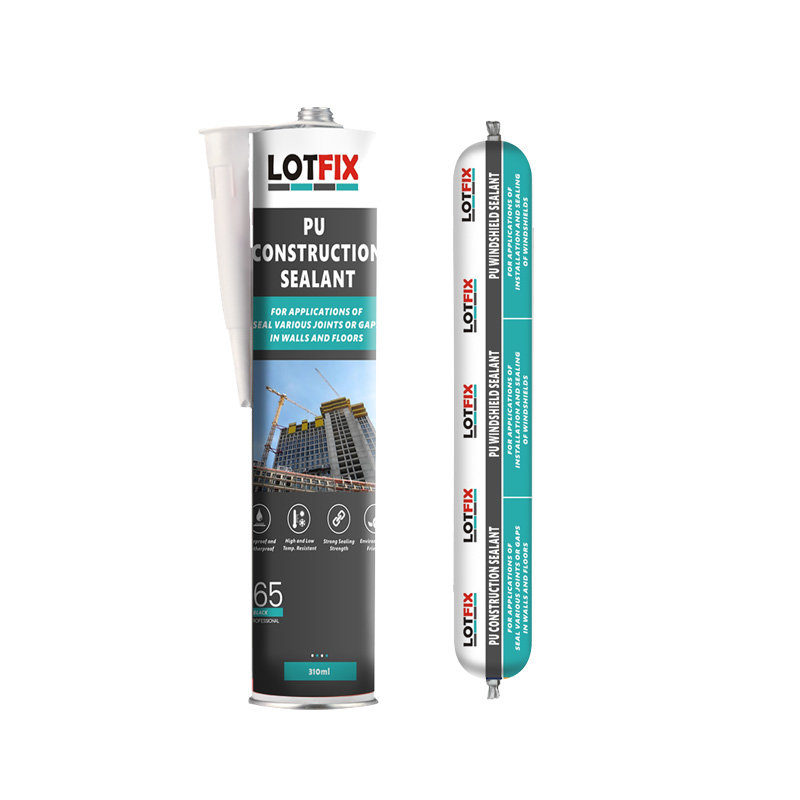
LOTFIX provides silicone sealant, acrylic sealant, PU foam, adhesive, hybrid sealant, PU sealant, and related construction material solutions for sealing, filling, bonding, waterproofing, gap protection, and installation applications. If you are comparing products for bathrooms, kitchens, showers, windows, doors, roofs, exterior joints, tile joints, or general construction sealing, you can visit the LOTFIX homepage to learn more about available product categories.
If you have questions about waterproof sealant selection, silicone sealant, high-moisture environments, weather resistance, application scenarios, or cooperation requirements, please Contact Us.