Mobile / WhatsApp
E-mail
Table of Contents
A sealant is a material used to fill, close, or protect joints and gaps so that water, air, dust, insects, sound, or movement cannot easily pass through.
In construction, decoration, automotive, glazing, sanitary, roofing, and industrial applications, sealants are used wherever two surfaces meet and the joint needs protection. A sealant may be flexible, paintable, waterproof, weather-resistant, adhesive, or chemical-resistant depending on its formula. The right choice depends on the material being sealed, the joint movement, the exposure condition, and the required service life.
Sealant means a gap-filling and joint-protecting material that creates a barrier between surfaces. Its main purpose is to seal openings, prevent leakage, protect joints, improve appearance, and help the building or product perform properly over time.
Simple definition: a sealant is used to close gaps and protect joints; the best sealant is the one that matches the surface, exposure, movement, and performance requirement.
Used around windows, doors, bathrooms, kitchens, tiles, roofs, and exterior joints to reduce water penetration.
Helps close small openings around frames, trims, panels, and wall joints to improve comfort and cleanliness.
Flexible sealants help joints handle expansion, contraction, vibration, and building movement.
Used to make gaps around trims, baseboards, frames, and panels look clean and continuous.
Sealant, adhesive, and caulk are related words, but they are not exactly the same. Sealant focuses on closing and protecting joints. Adhesive focuses on bonding materials together. Caulk often refers to gap-filling products, especially for small cracks and finishing work.
| Term | Main Meaning | Typical Use | Selection Reminder |
|---|---|---|---|
| Sealant | Seals gaps and joints against water, air, dust, or movement. | Windows, bathrooms, facades, tiles, roofs, concrete joints. | Check flexibility, adhesion, water resistance, and weather resistance. |
| Adhesive | Bonds two materials together. | Panels, trims, automotive parts, construction bonding, assembly. | Check bond strength, substrate compatibility, and load requirement. |
| Caulk | Fills small gaps, cracks, seams, or decorative joints. | Baseboards, trims, interior wall gaps, small household repairs. | Check whether it is acrylic, silicone, PU, MS, or another formula. |
Some products are adhesive sealants, which means they can both bond and seal. However, not every sealant is a structural adhesive, and not every adhesive is designed to seal moving or waterproof joints.
Silicone sealant is commonly used for waterproof, flexible, UV-resistant, and weather-resistant joints. It is widely used around glass, aluminum, ceramic, tile, bathrooms, kitchens, sinks, showers, windows, doors, and exterior weather seals.
Best fit: wet areas, non-porous surfaces, glass joints, tile corners, sanitary sealing, exterior weather sealing.
Main strength: waterproof flexibility, UV resistance, and long-term elasticity.
Main limitation: most silicone sealants are not paintable, and some cure systems may not suit sensitive metals, mirrors, or stone.
Common variants: acetoxy silicone, neutral cure silicone, sanitary silicone, glazing silicone, weatherproof silicone.
This section gives only a top-level overview. A dedicated silicone sealant guide should be used when the main question is specifically about silicone chemistry, neutral cure, acetoxy cure, sanitary use, or glass sealing.
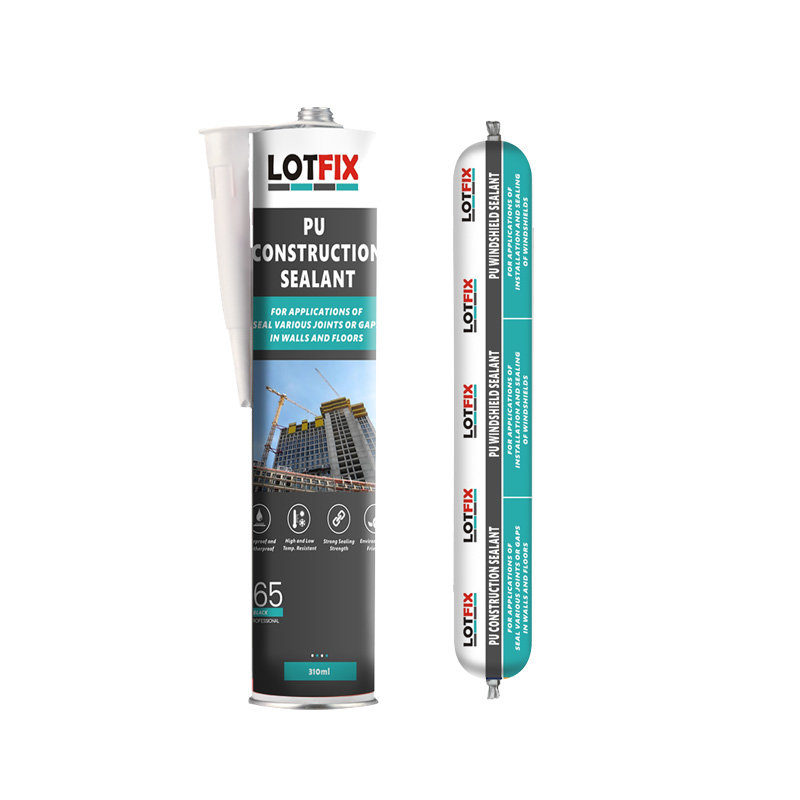
Polyurethane sealant, also called PU sealant, is commonly used where stronger adhesion, toughness, abrasion resistance, and paintability are needed. It is often selected for concrete, wood, metal, automotive, flooring, facade, and construction joints.
Best fit: concrete joints, construction gaps, automotive-related sealing, wood joints, expansion joints, and paintable applications.
Main strength: strong adhesion, toughness, and good performance in many demanding construction applications.
Main limitation: UV resistance, curing conditions, paint timing, and chemical safety should be checked by product.
Common use note: structural or automotive applications require product-specific technical data, not general PU wording.
MS polymer sealant, also called hybrid sealant or modified silane sealant, is used for mixed-material sealing where adhesion, flexibility, weather resistance, and paintability may all be important. It is often considered a balanced option between silicone and PU in many construction applications.
Best fit: windows, doors, facades, panels, mixed substrates, exterior joints, and paintable sealing areas.
Main strength: multi-surface adhesion, low odor in many formulas, paintability, and good weather sealing potential.
Main limitation: cure speed, immersion suitability, strength, and cost vary by product.
Common use note: always confirm whether the formula is suitable for wet areas, structural bonding, or exterior exposure.
Acrylic sealant is commonly used for dry interior gaps that need painting. It is widely used around baseboards, trims, drywall cracks, interior frames, molding, and decorative joints.
Best fit: interior dry gaps, wall cracks, baseboards, decorative trim, and paintable finishing joints.
Main strength: paintability, easy application, low odor, and easy cleanup before curing.
Main limitation: limited water resistance and flexibility compared with silicone, PU, or MS sealants.
Common use note: not the first choice for constant wet areas, high-movement joints, or exposed exterior sealing unless the product data supports it.
Butyl sealant is often used for moisture-resistant sealing in roofing, flashing, metal laps, gutters, caravan seams, and selected waterproofing details. It is known for strong moisture barrier properties in suitable joint designs.
Best fit: roof details, flashing, metal overlap joints, gutters, and selected outdoor waterproofing edges.
Main strength: moisture resistance and sealing ability in lap joints and non-visible technical areas.
Main limitation: some butyl products remain tacky or are not suitable for visible decorative joints.
Common use note: check compatibility with roof materials, metal coatings, membranes, and application temperature.
A sealant curing system describes how the product changes from paste into an elastic or solid material. Common systems include moisture cure, water evaporation, solvent evaporation, chemical reaction, and non-hardening systems.
| Curing System | How It Works | Typical Product Direction | Practical Reminder |
|---|---|---|---|
| Moisture cure | Reacts with moisture in the air to cure. | Silicone, PU, MS polymer, hybrid sealant. | Low humidity, cold weather, and thick beads may slow curing. |
| Water evaporation | Water leaves the material as it dries. | Acrylic sealant and water-based caulk. | Drying can be slower in cold, damp, or poorly ventilated conditions. |
| Solvent evaporation | Solvent evaporates and leaves the sealant film. | Some specialty sealants and adhesives. | Ventilation, VOC, odor, and safety data should be checked. |
| Non-hardening | Remains soft or tacky rather than fully curing hard. | Some butyl tapes and butyl sealants. | Useful in selected lap joints, but not ideal for all visible or traffic areas. |
Sealant technical terms help buyers understand how a product behaves after application. These terms are important when comparing products for construction, glazing, waterproofing, facade, automotive, or industrial use.
| Term | Meaning | Why It Matters |
|---|---|---|
| Movement capability | How much a cured sealant can stretch or compress with the joint. | Important for expansion joints, window perimeters, facades, and exterior gaps. |
| Shore A hardness | A measurement of how soft or hard the cured sealant feels. | Affects flexibility, surface toughness, abrasion resistance, and tooling feel. |
| Tack-free time | The time when the sealant surface is no longer sticky. | Useful for handling and dust pickup, but it does not mean full cure. |
| Skin time | The time before a surface skin forms. | Tooling should usually be completed before this stage. |
| Full cure time | The time required for the sealant to develop final properties through the bead. | Important before water exposure, movement stress, painting, or service use. |
| Modulus | Resistance to deformation when stretched or compressed. | Low-modulus products suit high-movement joints; higher-modulus products may feel firmer. |
To choose the right sealant, start with the substrate and application environment. The same product may work well on one surface but fail on another if adhesion, movement, water exposure, or curing conditions are wrong.
Identify the substrate: glass, aluminum, PVC, wood, concrete, stone, metal, tile, ceramic, painted surface, or masonry.
Check the exposure: dry indoor gap, wet bathroom joint, exterior weather joint, roof detail, moving construction joint, or industrial environment.
Decide if the joint needs paint: most silicone sealants are not paintable; acrylic, PU, MS, or hybrid sealants may be better for painted finishes.
Check movement: high-movement joints need proper sealant flexibility, correct bead shape, and often backer rod.
Check water contact: splash, humidity, rain, standing water, and immersion are different service conditions.
Review the TDS and SDS: confirm adhesion, curing, safety, service temperature, application temperature, and limitations.
| Application | Common Sealant Direction | Selection Reminder |
|---|---|---|
| Bathroom and kitchen joints | Sanitary silicone sealant. | Choose waterproof and mildew-resistant products for wet areas. |
| Interior trim and wall gaps | Acrylic sealant or paintable caulk. | Paintability is usually more important than high waterproofing. |
| Windows and exterior frames | Neutral silicone, PU, MS, or hybrid sealant. | Check UV resistance, adhesion, movement, and substrate compatibility. |
| Concrete and construction joints | PU, MS, hybrid, or suitable construction sealant. | Check joint design, backer rod, movement class, primer, and cure conditions. |
| Roof and flashing details | Butyl, PU, MS, silicone, or roofing-specific sealant. | Choose by roof material, water exposure, UV, slope, and drainage condition. |
Sealant is a material used to fill and protect joints so water, air, dust, insects, or movement cannot easily pass through.
The purpose of sealant is to close gaps, prevent leakage, protect joints, improve appearance, and help surfaces handle movement or exposure.
Common types include silicone, polyurethane, MS polymer, acrylic, butyl, hybrid, and specialty construction sealants.
No. Sealant mainly seals joints, while adhesive mainly bonds materials. Some products are adhesive sealants and can do both.
Some sealants are waterproof after curing, but not all. Water resistance depends on the formula, curing, application, and exposure condition.
Choose by substrate, water exposure, movement, paintability, curing condition, service temperature, and the product technical data sheet.
The final rule is simple: define the joint first, then choose the sealant chemistry. A good sealant choice should match the substrate, environment, movement, curing condition, finish requirement, and long-term performance target.
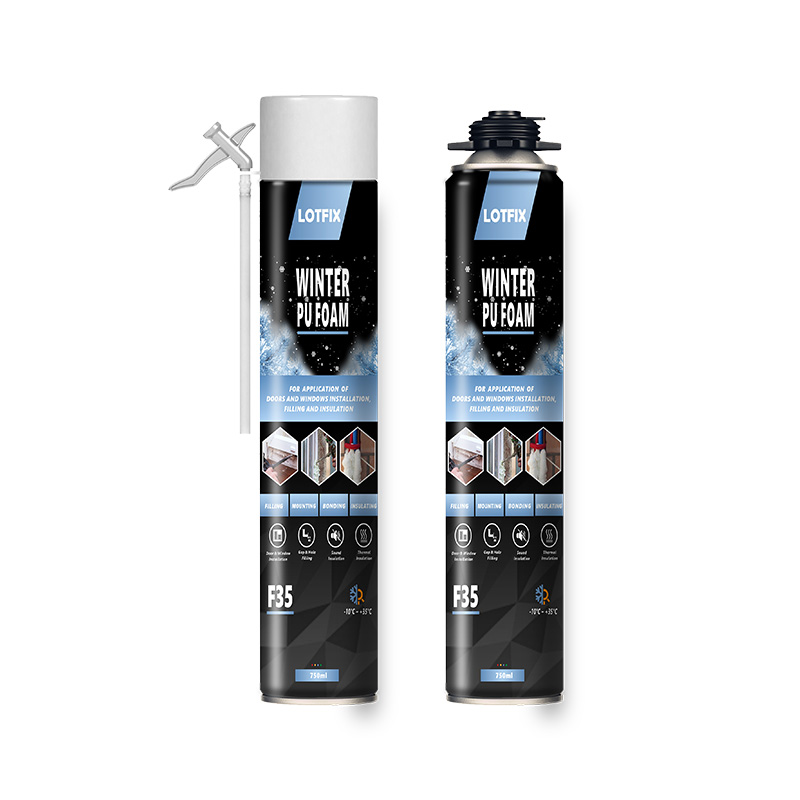
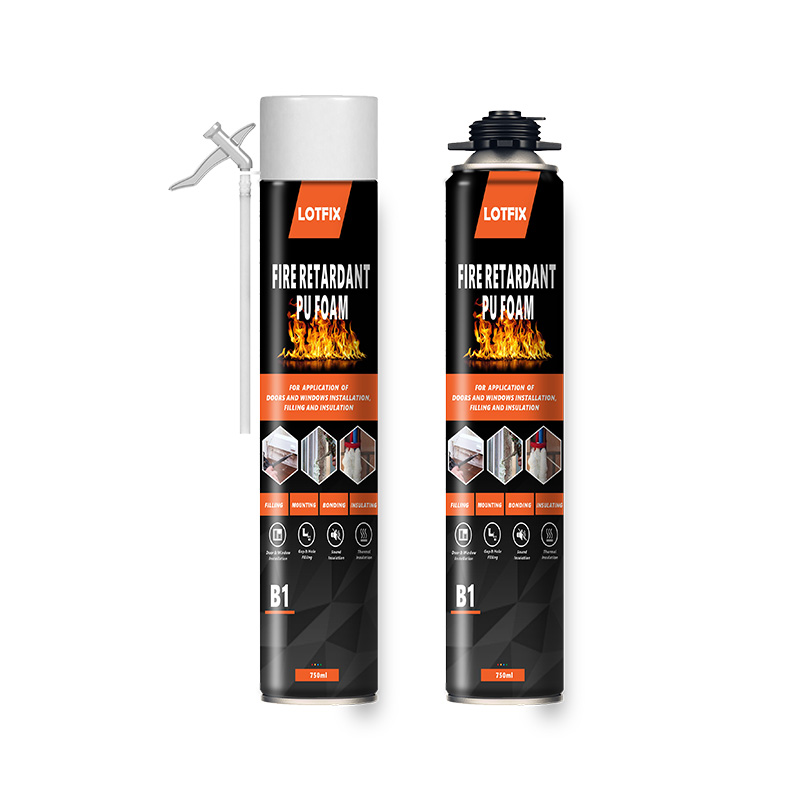
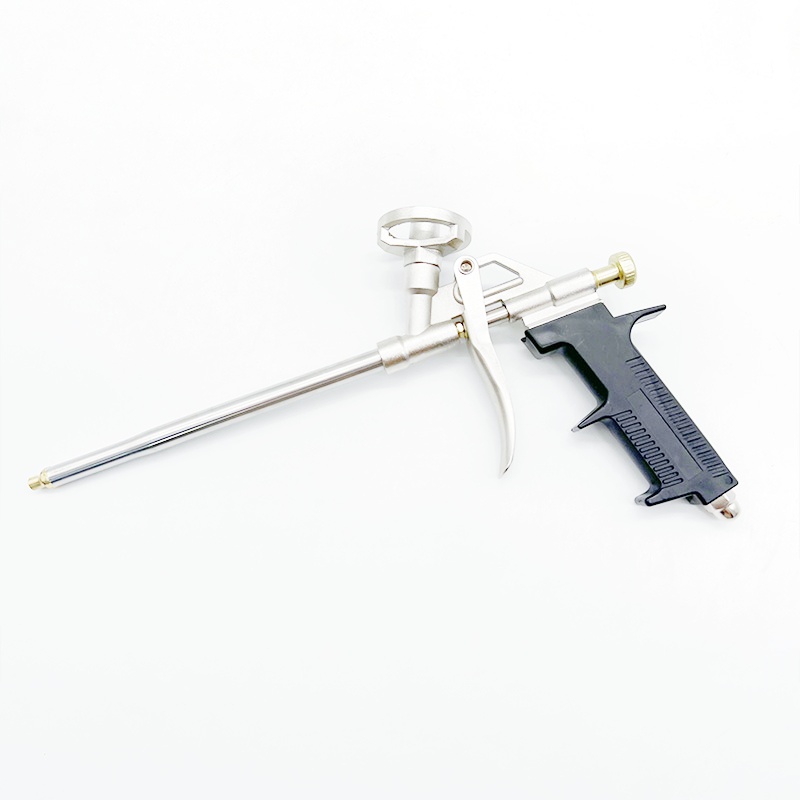
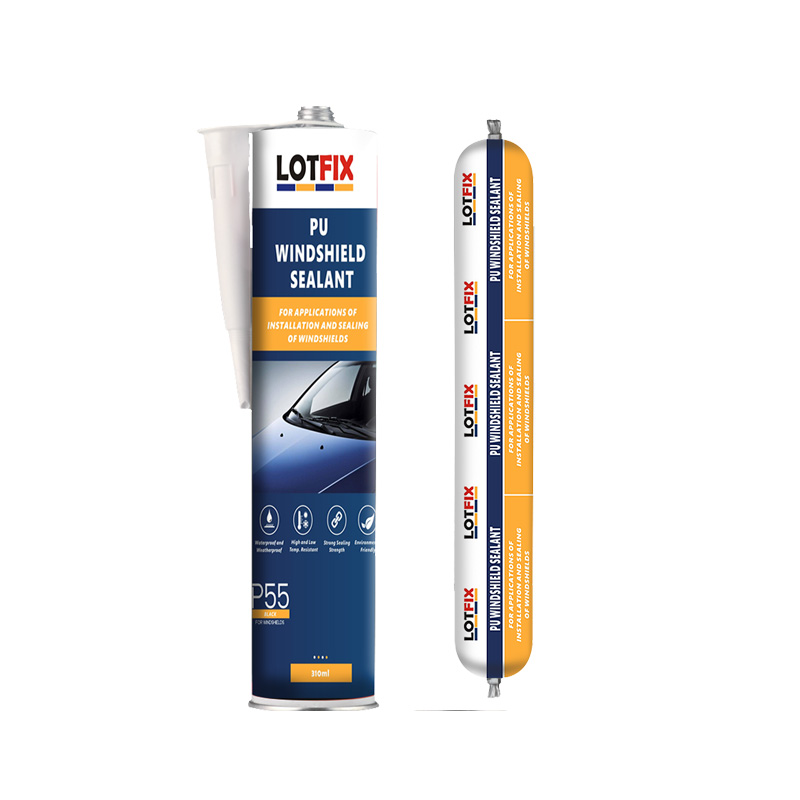
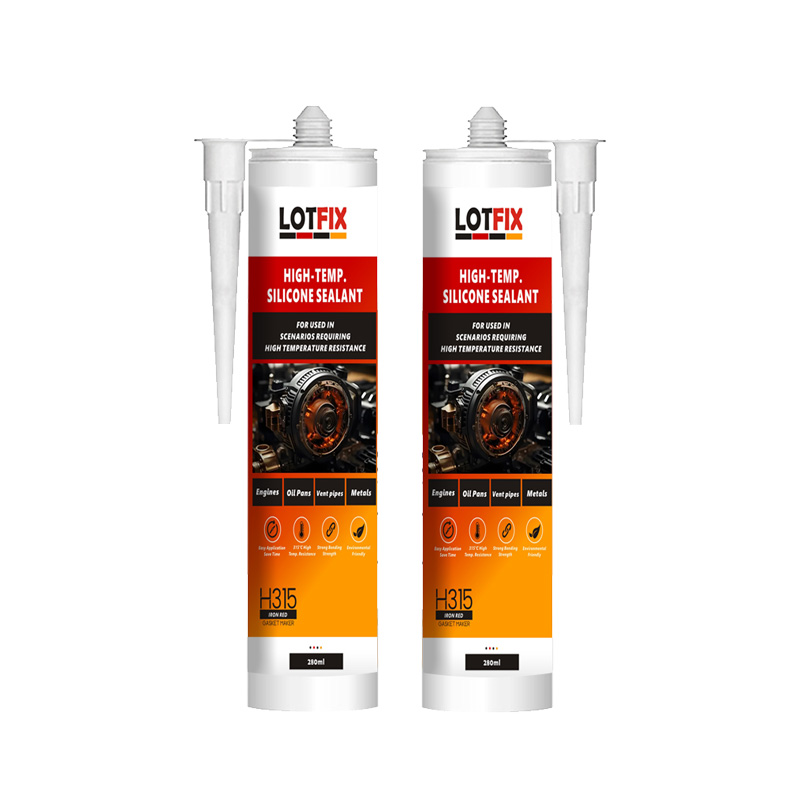
LOTFIX provides silicone sealant, acrylic sealant, PU foam, adhesive, hybrid sealant, PU sealant, caulking tools, and related construction material solutions for sealing, filling, bonding, waterproofing, gap protection, and installation applications. If you are comparing sealants for bathrooms, kitchens, windows, doors, glass, tile, concrete, roofing, exterior joints, or general construction use, you can visit the LOTFIX homepage to learn more about available product categories.
If you have questions about sealant meaning, sealant types, product selection, application scenarios, or cooperation requirements, please Contact Us.