Mobile / WhatsApp
E-mail
Table of Contents
Caulk usually describes a gap-filling product or application, sealant is a broader material category for sealing joints, and silicone is one chemical type of sealant or caulk.
This is why searches such as caulk vs silicone, caulk vs sealant, silicone vs caulk, and difference between caulk and sealant can feel confusing. These words are often used together in daily conversation, but they do not sit at the same level. “Caulk” often describes how the product is used, “sealant” describes the function, and “silicone” describes the chemistry.
The easiest way to understand the difference is to separate the naming levels: caulk is often the form or application, sealant is the broader function, and silicone is one material chemistry used to make flexible waterproof sealants.
| Term | What It Usually Refers To | Simple Example |
|---|---|---|
| Caulk | A gap-filling product or the act of filling joints and cracks. | Paintable caulk for baseboards, trim, wall gaps, and interior finishing. |
| Sealant | A broader sealing material used to block water, air, dust, or movement at joints. | Window sealant, construction sealant, waterproof sealant, facade sealant. |
| Silicone | A specific sealant chemistry known for flexibility, waterproofing, and UV resistance. | Silicone sealant for glass, tile, bathrooms, kitchens, and exterior joints. |
Simple rule: all silicone caulk can be discussed as a type of sealant, but not all caulk is silicone, and not all sealant is caulk.
Caulk usually refers to a product used to fill small gaps, cracks, seams, or joints. In many markets, the word is strongly associated with interior finishing, painting work, baseboards, trim, drywall gaps, and small household repair.
However, caulk is not one single chemical material. A caulk product may be acrylic, acrylic latex, siliconized acrylic, silicone, PU, or another formula. That is why “caulk vs silicone” can be misleading: silicone can also be sold as caulk when it is packaged for joint filling.
A gap-filling material applied with a caulk gun along cracks, trim edges, corners, and seams.
Paintable white caulk for baseboards, door frames, wall gaps, crown molding, and interior decoration.
Caulk describes usage more than chemistry. Always check whether it is acrylic, silicone, PU, MS, or another type.
Sealant is the broader term. It describes materials designed to seal joints against water, air, dust, insects, sound, weather, movement, or contamination. A sealant may be used in construction, glazing, bathrooms, kitchens, automotive, roofing, flooring, facade, HVAC, and industrial applications.
Compared with the word caulk, sealant usually sounds more technical and more application-driven. It is often used when the joint needs waterproofing, flexibility, movement capability, weather resistance, or long-term performance.
| Sealant Function | Typical Application | Common Product Direction |
|---|---|---|
| Waterproof sealing | Bathrooms, kitchens, sinks, showers, window perimeters. | Silicone sealant, hybrid sealant, PU sealant. |
| Weather sealing | Exterior windows, facades, doors, metal panels. | Neutral silicone, PU, MS, or exterior-grade hybrid sealant. |
| Decorative gap filling | Interior trim, baseboards, drywall cracks, molding. | Acrylic caulk or paintable sealant. |
Silicone is not exactly the same as caulk because silicone describes the chemical base of the product, while caulk often describes how the product is used. A silicone product can be called silicone caulk, silicone sealant, sanitary silicone, glass sealant, or neutral silicone depending on market wording and application.
This is why “silicone vs caulk” is not a perfect comparison. It is closer to comparing a material chemistry with a product format or use case. A more precise question would be “silicone caulk vs acrylic caulk” or “silicone sealant vs acrylic sealant.”
Silicone is a chemistry: it usually offers waterproof flexibility, UV resistance, and good performance on glass, tile, ceramic, and many non-porous surfaces.
Caulk is often an application word: it may refer to acrylic, silicone, siliconized acrylic, PU, or another gap-filling product.
Sealant is the broader function: it covers products designed to seal joints in many different environments.
Product label matters: the name on the cartridge should be checked together with the TDS, substrate, and application area.
An adhesive is mainly designed to bond materials together, while a sealant is mainly designed to seal gaps and block water, air, dust, or movement. Some products can do both, which is why terms like silicone adhesive vs caulk can overlap.
| Term | Main Purpose | What to Check |
|---|---|---|
| Adhesive | Bonding two materials together. | Bond strength, substrate compatibility, load, cure time, and service conditions. |
| Sealant | Sealing joints, gaps, or seams against water, air, dust, and movement. | Movement capability, water resistance, UV resistance, adhesion, and joint design. |
| Adhesive sealant | Combining bonding and sealing in one product. | Whether the product is strong enough for bonding and flexible enough for sealing. |
A silicone adhesive may be used to bond and seal certain materials, but ordinary silicone caulk should not automatically be treated as a structural adhesive. For load-bearing, automotive, structural glazing, or safety-related bonding, the product data must support that use.
Acrylic, silicone, PU, and MS are material types used to make caulks and sealants. They should be selected by application, not by name alone.
| Material Type | Often Called | Typical Direction | Simple Reminder |
|---|---|---|---|
| Acrylic | Acrylic caulk, acrylic sealant, paintable caulk. | Interior dry gaps, trim, baseboards, wall cracks, painted finishes. | Good for paintability, not the first choice for constant wet or high-movement joints. |
| Silicone | Silicone caulk, silicone sealant, sanitary silicone. | Glass, tile, kitchens, bathrooms, sinks, showers, weather sealing. | Strong for waterproof flexibility, but most silicone is not paintable. |
| PU | Polyurethane sealant, PU sealant, urethane sealant. | Construction joints, concrete, wood, automotive, stronger bonding, paintable joints. | Good for adhesion and toughness, but check UV, curing, and SDS requirements. |
| MS | MS polymer sealant, hybrid sealant, modified silane sealant. | Mixed materials, exterior joints, paintable sealing, low-odor projects. | A balanced option, but product-specific performance still matters. |
The best choice depends on joint condition. Instead of asking only whether to use caulk, sealant, or silicone, first ask where the joint is, whether it needs paint, whether it gets wet, and whether it moves.
Indoor dry painted gaps: acrylic caulk or paintable sealant is usually a practical direction.
Bathrooms, kitchens, sinks, and showers: silicone sealant is usually more suitable for waterproof flexible joints.
Exterior windows and doors: neutral silicone, PU, MS, or hybrid sealant may be selected based on substrate and weather exposure.
Concrete, wood, and stronger construction joints: PU or hybrid sealant may be more suitable when adhesion and toughness matter.
Joints that must be painted: avoid most 100% silicone unless the product is specifically paintable.
High-movement joints: check movement capability, joint design, backer rod, and TDS data before choosing.
This page does not need to rank every material in depth. The key point is the naming logic: caulk, sealant, and silicone answer different questions. For final product selection, the technical data sheet and application environment should guide the choice.
Many wrong purchases happen because buyers treat caulk, sealant, silicone, and adhesive as interchangeable words. They overlap, but they are not identical.
| Mistake | Why It Causes Confusion | Better Way to Ask |
|---|---|---|
| “Caulk vs silicone” | Caulk is often a product use; silicone is a material chemistry. | Ask “acrylic caulk vs silicone caulk” or “paintable caulk vs silicone sealant.” |
| “Sealant vs caulk” | Sealant is broader; caulk is often used for smaller gap filling and finishing. | Define the joint: interior trim, wet area, exterior frame, or movement joint. |
| “Silicone adhesive vs caulk” | Adhesive focuses on bonding; caulk focuses on filling and sealing. | Check whether the job needs bonding strength, waterproof sealing, or both. |
| Calling all cartridges “silicone” | A cartridge may contain acrylic, PU, MS, hybrid, adhesive, or foam-related products. | Read the chemistry, application, cure type, and TDS before purchase. |
Caulk usually describes a gap-filling product or use, while silicone is a specific material chemistry. Silicone can be one type of caulk or sealant.
Caulk is often used for small gaps and finishing joints, while sealant is a broader term for materials that seal against water, air, dust, or movement.
Silicone can be both, depending on how it is packaged and used. It is more precise to call it a silicone sealant or silicone caulk.
Not always. Strength depends on the formula, substrate, joint design, and application. Sealant is a broader term, not automatically stronger.
For wet bathroom joints, sanitary silicone sealant is usually more suitable than basic acrylic caulk because it provides better waterproof flexibility.
Not always. Silicone adhesive focuses more on bonding, while silicone caulk focuses more on filling and sealing gaps. Some products combine both functions.
The final rule is simple: caulk describes gap filling, sealant describes sealing function, and silicone describes one chemistry. For the right product, match the material to the joint, surface, exposure, movement, and finish requirement.
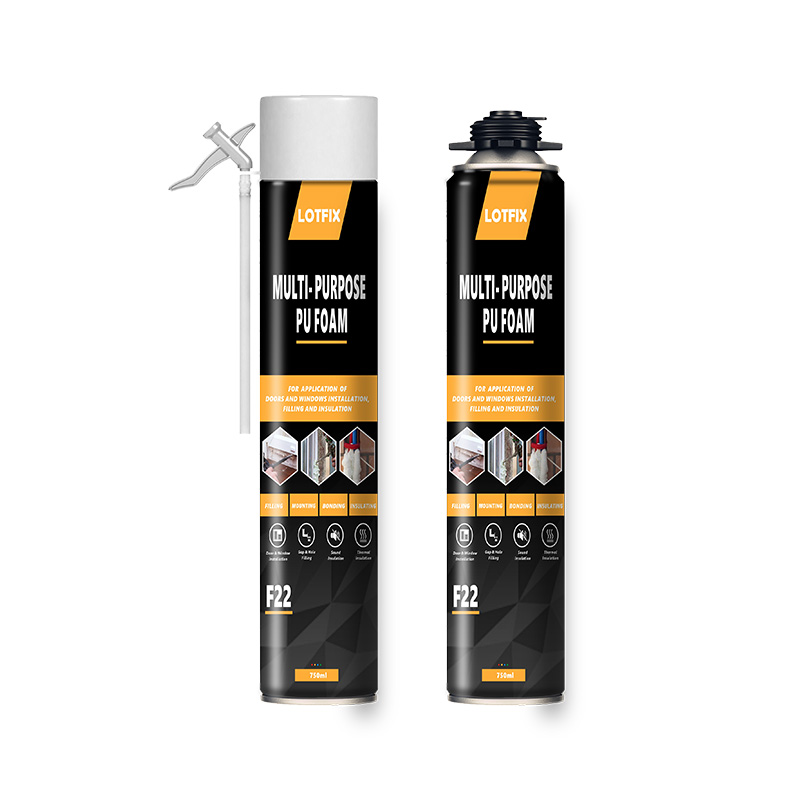
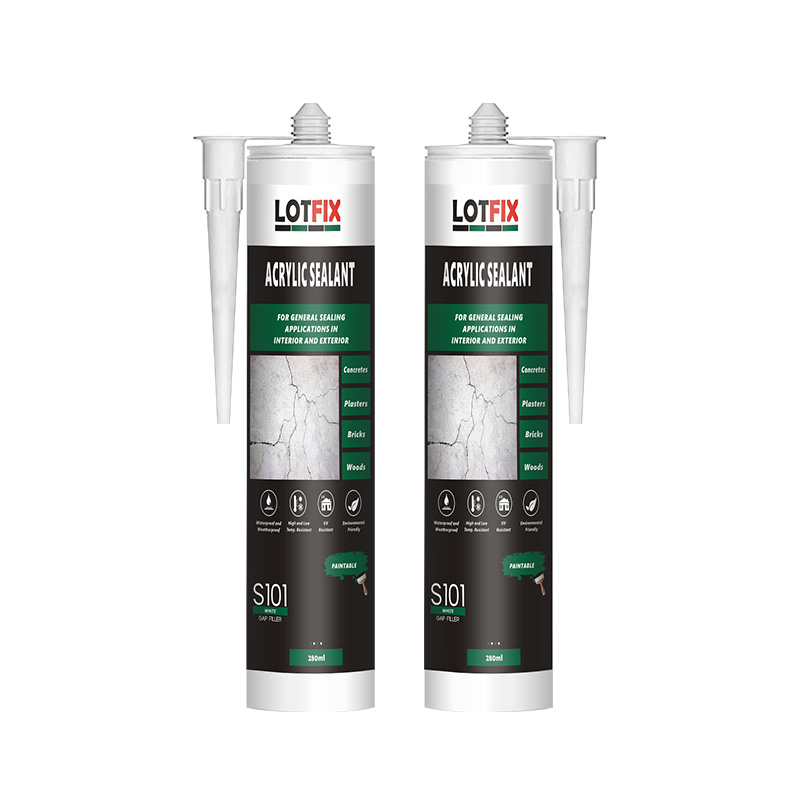
LOTFIX provides silicone sealant, acrylic sealant, PU foam, adhesive, hybrid sealant, PU sealant, caulking tools, and related construction material solutions for sealing, filling, bonding, waterproofing, gap protection, and installation applications. If you are comparing products for bathrooms, kitchens, windows, doors, glass, tile, trim, concrete, exterior joints, or general construction sealing, you can visit the LOTFIX homepage to learn more about available product categories.
If you have questions about caulk vs silicone, caulk vs sealant, product selection, application scenarios, or cooperation requirements, please Contact Us.