Mobile / WhatsApp
E-mail
PU adhesive foam for insulation boards is designed for bonding thermal insulation panels to walls, roofs, floors, and other construction surfaces. It combines adhesive performance with foam application convenience, making it useful for insulation board installation where faster application, lighter handling, and cleaner work are important.
For buyers, the key point is to understand that adhesive foam is not the same as ordinary gap-filling PU foam. It should provide stronger bonding performance, controlled application, suitable open time, and compatibility with insulation boards and base surfaces.
PU adhesive foam is designed to bond insulation boards to suitable construction substrates. It is commonly used as an alternative to traditional cement-based adhesive or paste-type adhesive in selected insulation projects, especially where installers want faster application and easier handling.
A simple way to understand it: general PU foam mainly fills gaps, while PU adhesive foam is formulated to bond boards.
| Design Purpose | Why It Matters |
|---|---|
| Board bonding | The foam needs to hold insulation boards firmly to the installation surface after curing. |
| Fast application | Gun-applied foam can reduce mixing, spreading, and cleanup compared with some traditional adhesives. |
| Controlled expansion | Excessive expansion may affect board flatness, so controlled behavior is important. |
| Substrate compatibility | The foam should match the board type and base surface, such as masonry, concrete, plaster, or other suitable substrates. |
Board bonding and gap filling are different tasks. Gap filling focuses on occupying empty spaces, while board bonding focuses on adhesion, load support, surface contact, and installation stability. This is why buyers should not select ordinary PU foam when the real purpose is insulation board bonding.
| Comparison Point | PU Adhesive Foam | General Gap-Filling PU Foam |
|---|---|---|
| Main function | Bonds insulation boards to suitable surfaces | Fills gaps, cavities, holes, and construction openings |
| Performance focus | Adhesion strength, open time, board stability, controlled expansion | Expansion, filling volume, insulation, sealing support |
| Best use | EPS, XPS, PU, PIR, mineral wool or other compatible insulation boards, depending on formula | Window gaps, wall holes, pipe penetrations, general construction voids |
| Buyer risk if misused | Wrong selection may affect board adhesion or flatness | May not provide the required bonding performance for insulation boards |
PU adhesive foam is commonly used in insulation board installation for walls, facades, roofs, floors, and renovation projects. The exact application depends on local construction methods, board type, project specification, and whether mechanical fixing is also required.
Used to bond insulation boards to masonry, concrete, plastered walls, or other suitable wall surfaces.
Useful for selected exterior insulation systems where faster board placement and cleaner application are needed.
Can be used in compatible roof or floor insulation board applications where the adhesive system fits the project requirement.
Suitable for selected interior insulation panels, renovation boards, and thermal improvement projects.
Traditional insulation board adhesive is often supplied as powder, mortar, paste, or cement-based material. PU adhesive foam is usually valued for faster application, lighter handling, and reduced mixing work. However, buyers should compare them based on project conditions rather than assuming one is always better.
| Comparison Point | PU Adhesive Foam | Traditional Adhesive |
|---|---|---|
| Application speed | Fast gun application with less mixing and preparation | May require mixing, spreading, and more preparation time |
| Handling | Lightweight cans, easier transport and application on site | Heavier bags or buckets depending on product type |
| Surface leveling | Requires suitable surface flatness and controlled application | May help compensate for some unevenness depending on thickness and method |
| Project fit | Good for fast installation and compatible board systems | Often used in traditional facade insulation systems and cement-based construction methods |
Important: PU adhesive foam should be selected according to board type, substrate condition, installation method, and local construction requirements. It should not be treated as a universal replacement for every traditional adhesive system.
For importers, distributors, and project buyers, PU adhesive foam should be selected based on insulation board type, bonding surface, application method, performance requirement, and packaging needs.
Before placing an order, buyers should confirm:
• Board type: EPS, XPS, PU, PIR, mineral wool, or other compatible insulation panels
• Base surface: concrete, masonry, plaster, cement board, roof surface, or other substrate
• Whether the product is for wall, facade, roof, floor, or interior insulation work
• Required bonding strength, open time, curing time, and application temperature
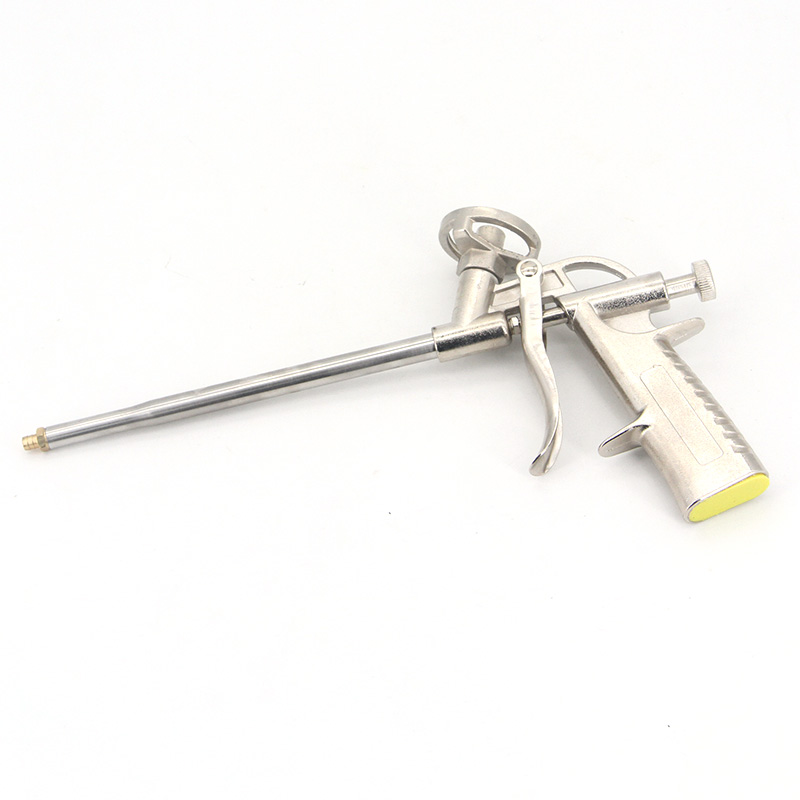
• Straw type or gun type application
• Can size, carton quantity, shelf life, label language, and storage conditions
• Whether OEM packaging, private label, or distributor-ready design is needed
• Whether samples are needed for board bonding tests before bulk purchase
The safest purchasing method is to define the insulation board and installation surface first. If the target application is board bonding, buyers should choose PU adhesive foam designed for bonding performance instead of ordinary gap-filling PU foam.
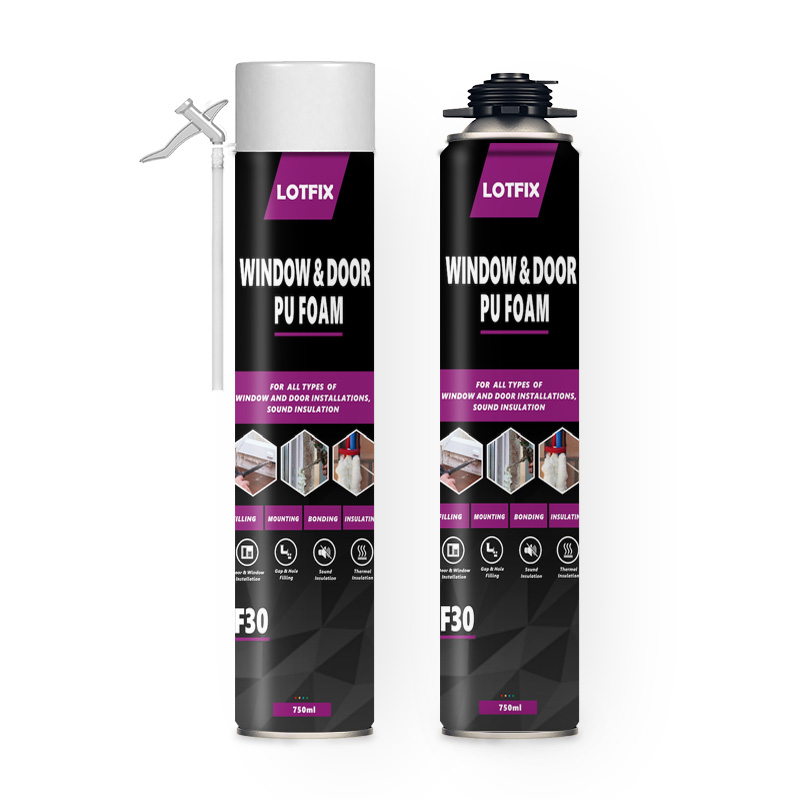
LOTFIX provides PU foam, silicone sealant, and related sealing products for construction, insulation, distribution, and project applications. If you are comparing PU adhesive foam, general purpose PU foam, low expansion foam, silicone sealant, or other sealing and bonding solutions, you can visit the LOTFIX homepage to learn more about available product options.
For product selection, sample requests, packaging details, or OEM cooperation, please contact us and share your application requirements.
Visit LOTFIX Homepage Contact LOTFIX