Mobile / WhatsApp
E-mail
Building silicone sealant is commonly used in construction and installation work to seal joints, gaps, edges, and connection areas between different building materials. It helps improve waterproofing, air sealing, appearance, and joint protection in windows, doors, walls, panels, bathrooms, kitchens, and many general building details.
For buyers, the important point is that “building silicone sealant” is a broad product description. The right product still depends on the surface material, indoor or outdoor environment, movement requirement, curing type, color, packaging, and expected service life.
In the construction market, building silicone sealant usually refers to silicone sealants used for general building joints, installation gaps, perimeter sealing, waterproofing details, and finishing work. It may include acetic silicone sealant, neutral silicone sealant, sanitary silicone sealant, weatherproof silicone sealant, or other application-specific products.
A simple way to understand it: building silicone sealant is not one single formula. It is a product category used across different construction sealing tasks.
| Sealant Type | Common Construction Use | Buyer Note |
|---|---|---|
| Acetic silicone sealant | Glass, ceramic tiles, simple indoor sealing | Usually cost-effective, but not ideal for some metals or sensitive surfaces. |
| Neutral silicone sealant | Windows, doors, concrete, coated surfaces, metal frames, mixed substrates | Better compatibility for many construction materials. |
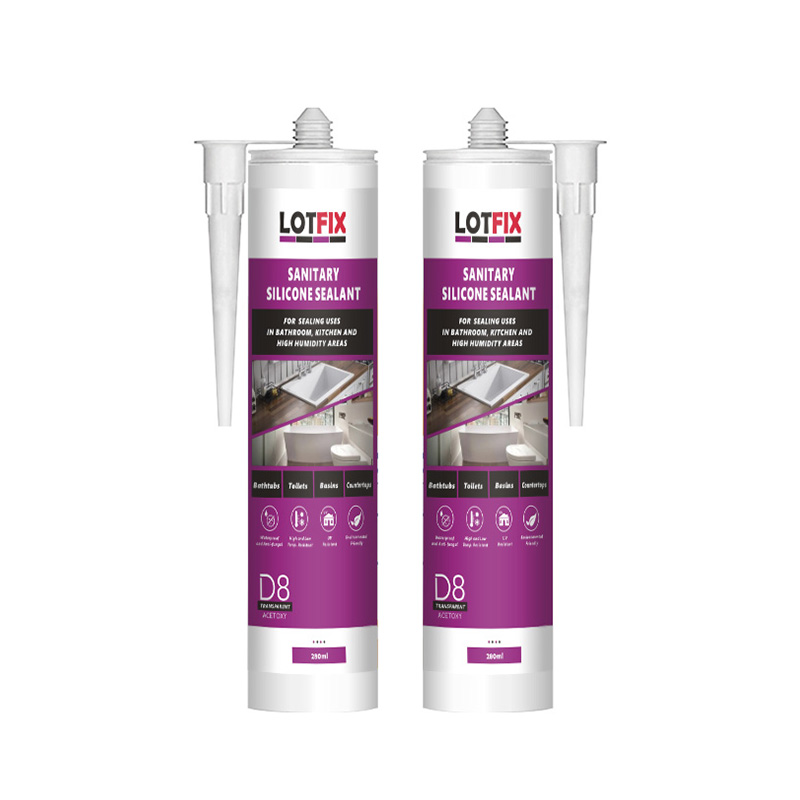
| Sanitary silicone sealant | Bathrooms, kitchens, sinks, wet areas | Mold resistance and water resistance are important. |
| Weatherproof silicone sealant | Exterior windows, facades, curtain walls, exposed building joints | UV resistance, weather resistance, and flexibility matter more. |
Perimeter sealing is one of the most common uses of building silicone sealant. It refers to sealing the edge area around installed components, such as windows, doors, wall panels, sanitary fixtures, countertops, and frames. These joints often need to block water, air, dust, and small movement between materials.
Used around frames to seal gaps between aluminum, PVC, wood, glass, concrete, or wall surfaces.
Applied along wall edges, cabinets, panels, trims, and decorative connection areas for cleaner finishing.
Used around sinks, bathtubs, countertops, tiles, and sanitary fixtures to improve water sealing.
Used for selected outdoor gaps where weather resistance and material compatibility are required.
Building silicone sealant is often used as a general term, while weatherproof sealant and structural sealant describe more specific performance requirements. Buyers should avoid using these names interchangeably when the project has clear technical demands.
| Product Term | Main Purpose | Typical Use |
|---|---|---|
| Building silicone sealant | General sealing, waterproofing, gap filling, finishing | Windows, doors, interiors, kitchens, bathrooms, installation gaps |
| Weatherproof silicone sealant | Long-term exterior weather resistance | Facades, curtain walls, exterior window joints, exposed outdoor gaps |
| Structural silicone sealant | Structural bonding and load-related glazing applications | Structural glazing and curtain wall bonding systems that require professional specification |
Important: general building silicone sealant should not be used as structural silicone sealant unless the product is specifically designed and approved for that structural application.
Project buyers usually care about stable performance, easy application, suitable packaging, consistent color, and fewer after-installation problems. For distributors and importers, the product also needs to match local market habits, common cartridge sizes, labeling requirements, and end-user expectations.
Buyers want the sealant to cure properly, bond well, remain flexible, and reduce leakage or cracking complaints.
The sealant must fit the actual surface, such as glass, aluminum, ceramic, concrete, coated panels, or sanitary materials.
Cartridge size, sausage pack, carton quantity, label language, color range, and OEM branding affect purchasing decisions.
Before ordering, buyers should confirm:
• The exact application: window, door, bathroom, kitchen, facade, interior trim, or general gap sealing
• The main substrates: glass, ceramic, aluminum, concrete, coated surface, PVC, stone-related material, or mixed materials
• Indoor or outdoor use conditions
• Required curing type: acetic or neutral
• Required color, packaging size, carton packing, shelf life, and private label needs
• Whether the project needs general sealing, weatherproof sealing, sanitary sealing, or structural-grade performance
For construction and installation work, the safest purchasing method is to define the application first, then select the sealant formula. This helps avoid wrong product matching, adhesion failure, odor complaints, corrosion risk, or premature joint repair.
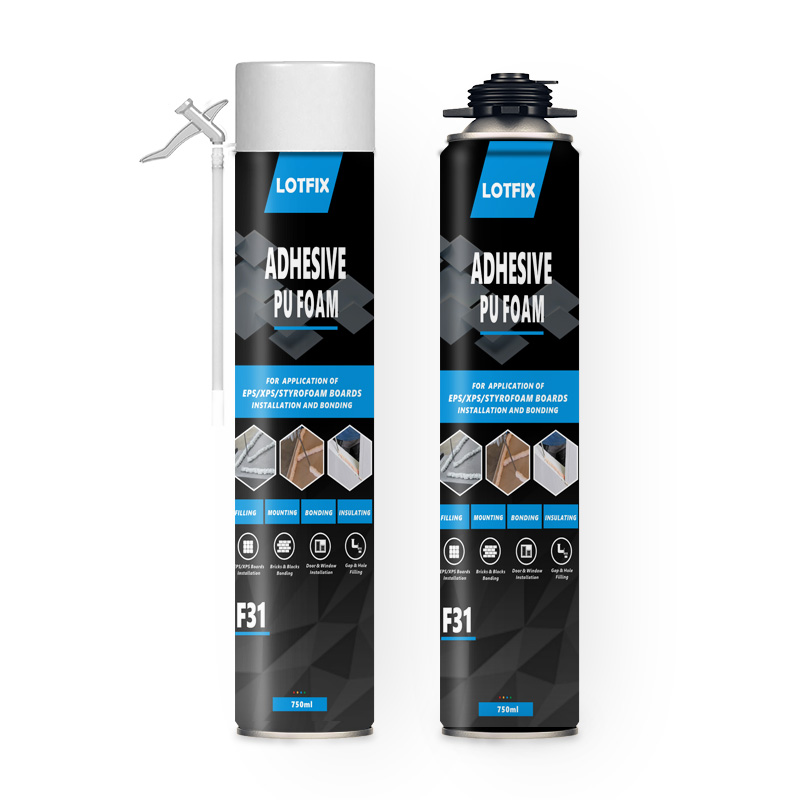
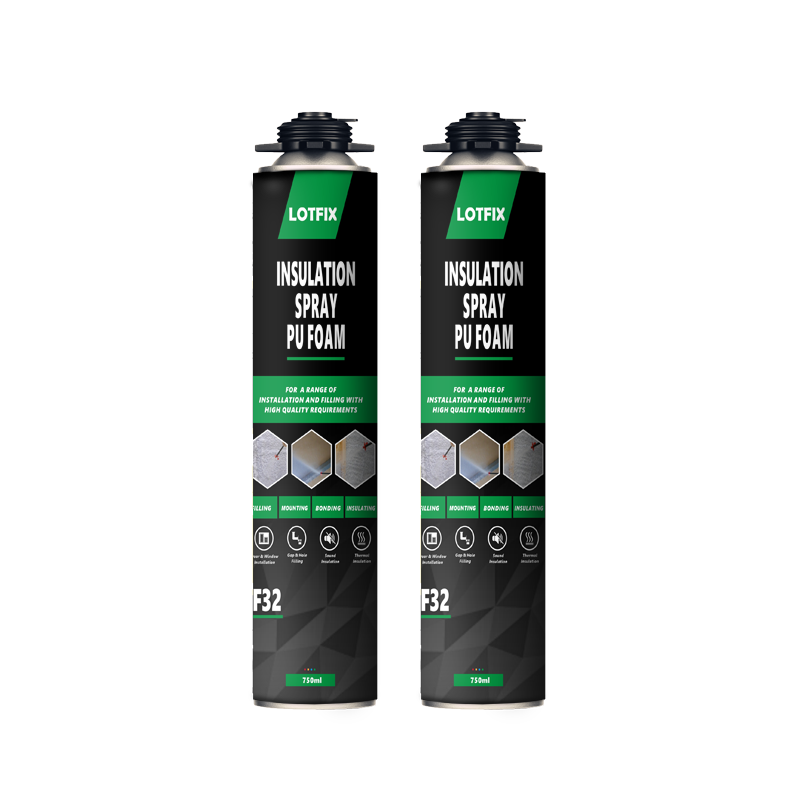
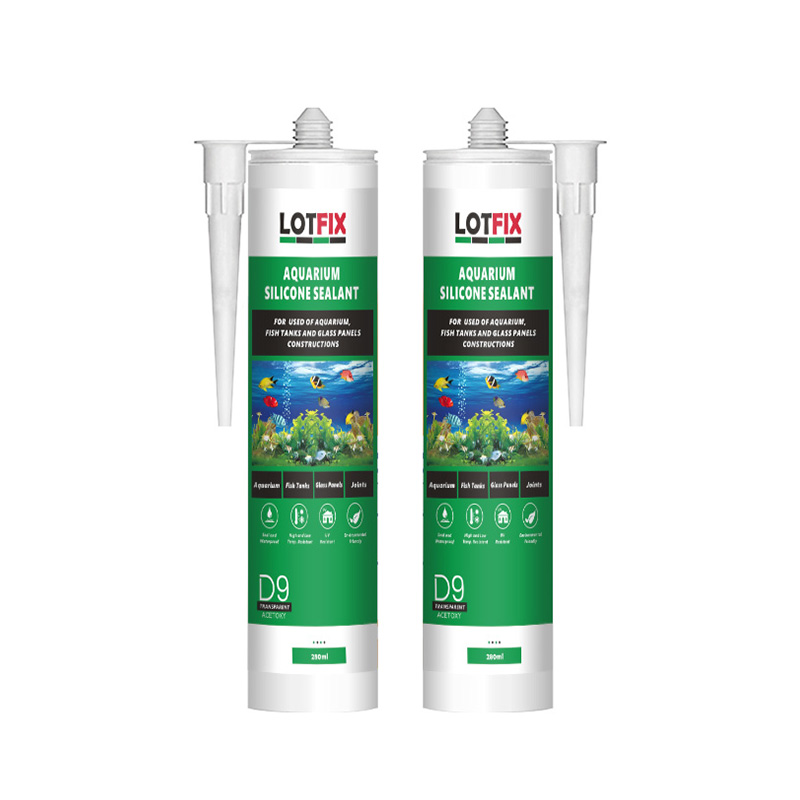
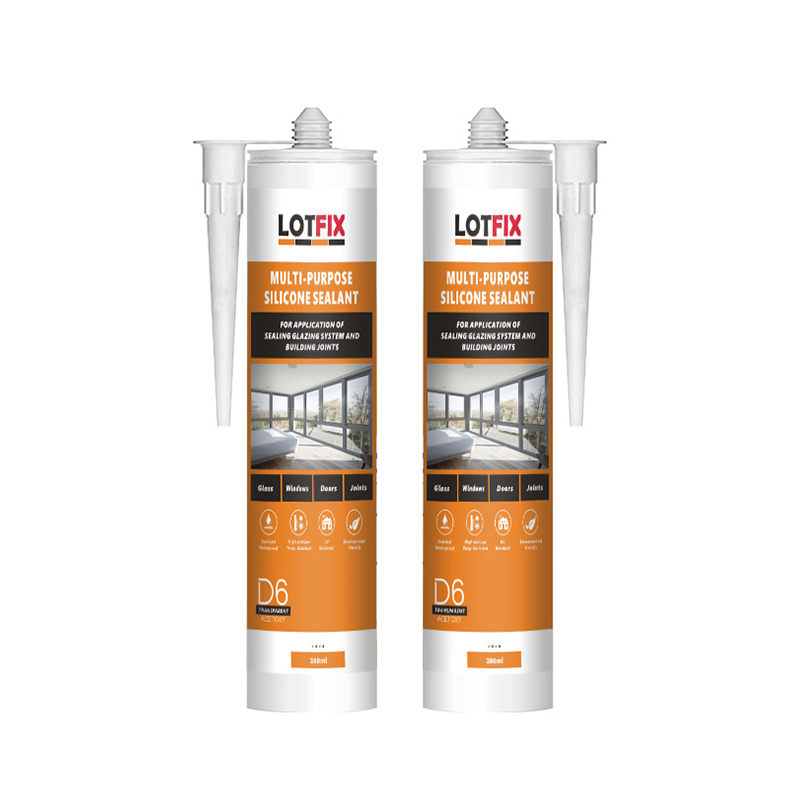
LOTFIX provides silicone sealant and related sealing products for construction, distribution, and project applications. If you are comparing building silicone sealant, neutral silicone sealant, acetic silicone sealant, weatherproof silicone sealant, PU foam, or other sealing solutions, you can visit the LOTFIX homepage to learn more about available product options.
For product selection, sample requests, packaging details, or OEM cooperation, please contact us and share your application requirements.
Visit LOTFIX Homepage Contact LOTFIX