Mobile / WhatsApp
E-mail
Contents
For curtain wall perimeter joints, the best silicone sealant is not simply the strongest product, but the one that can maintain weatherproofing, movement capability, adhesion stability, and long-term facade appearance under real building conditions.
Curtain wall perimeter joints are the transition areas between the curtain wall system and the surrounding building structure, such as concrete walls, masonry, metal frames, window openings, columns, or slab edges. These joints are exposed to rain, wind pressure, temperature changes, UV radiation, and continuous expansion and contraction. Because of this, sealant selection directly affects water tightness, air leakage control, facade durability, and later maintenance costs.
A suitable silicone sealant for facade perimeter work should offer reliable adhesion to common construction substrates, excellent weather resistance, and enough flexibility to absorb joint movement without cracking, debonding, or losing elasticity. For buyers, contractors, and facade engineers, the key is to match the sealant with the joint function, substrate type, project environment, and installation conditions.
Curtain wall perimeter joints need long-term weatherproofing, stable adhesion, and high movement capability more than simple surface sealing. These joints are usually more active than ordinary interior gaps because the curtain wall system and the surrounding building structure may move at different rates.
The sealant must resist rainwater, UV exposure, heat, cold, and outdoor aging without becoming brittle or losing elasticity.
Facade joints expand and contract with temperature changes, so the sealant should stretch and recover without tearing or detaching.
The product should bond well to substrates such as aluminum, glass, concrete, stone, coated metal, and painted surfaces when properly prepared.
In real projects, perimeter joints are not always clean, simple, or uniform. Some areas may involve porous concrete, coated aluminum profiles, prefabricated panels, painted surfaces, stone edges, or irregular joint widths. This is why professional sealant selection should consider both product performance and field application conditions.
For exterior curtain wall perimeter work, neutral cure silicone sealant is commonly preferred because it is suitable for many construction materials and provides strong weathering resistance. However, the final choice still depends on the substrate, joint size, design movement, and project requirements.
Curtain wall perimeter sealant is mainly used for weatherproofing, while structural silicone is used for bonding and load transfer in specific curtain wall systems. Confusing these two roles can lead to incorrect product selection and unnecessary project risk.
| Item | Weatherproof Silicone Sealant | Structural Silicone Sealant |
|---|---|---|
| Main Function | Blocks rain, wind, dust, and air leakage around joints. | Bonds glass or panels to frames and helps transfer loads. |
| Typical Use | Curtain wall perimeter joints, facade expansion joints, window-wall transitions, and exterior sealing gaps. | Structural glazing systems and bonded curtain wall assemblies. |
| Selection Focus | Weather resistance, elasticity, adhesion, movement capability, and color stability. | Structural strength, compatibility, engineering approval, and project-specific testing. |
| Buyer Reminder | Suitable for sealing and waterproofing, but not for structural bonding unless specified. | Should be used only after proper design review and compatibility confirmation. |
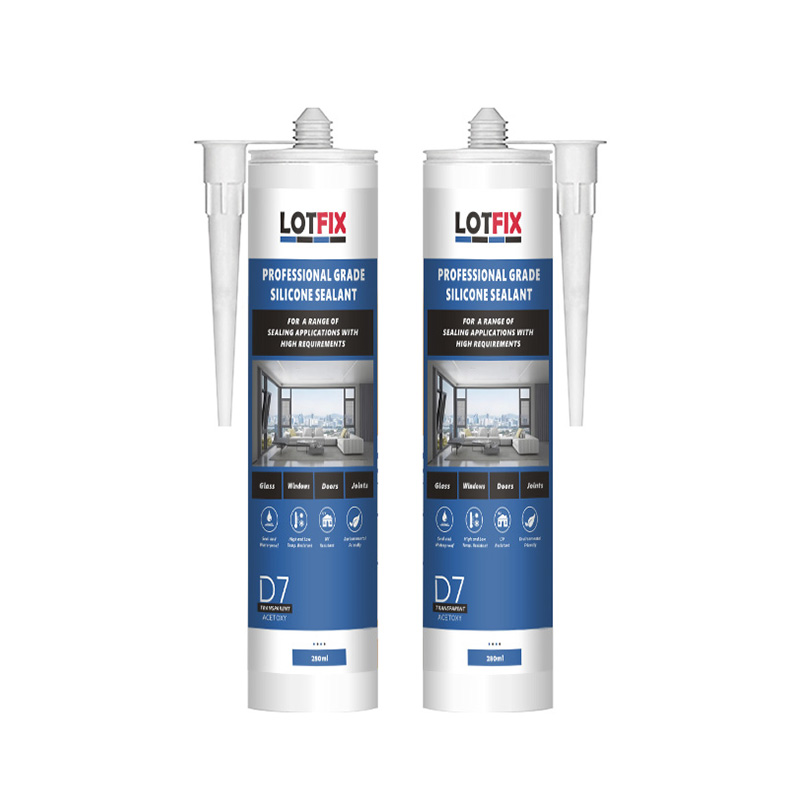
For perimeter joints, buyers usually need a high-performance neutral cure silicone weatherproof sealant. Neutral cure products are often used for facade applications because they are more compatible with many construction materials and are less likely to cause corrosion or staining compared with unsuitable sealant types.
However, if the joint is expected to carry load, bond curtain wall units, or support glazing components, the product must be reviewed as a structural glazing material rather than treated as a normal perimeter sealant. The two applications should not be mixed without technical confirmation.
Most sealant failures in curtain wall perimeter joints are caused not only by product quality, but also by wrong product matching, poor joint design, or improper site application. Even a good silicone sealant can fail if the joint is too narrow, the surface is contaminated, or the sealant is applied without proper backing material.
Using general-purpose sealant for facade joints: ordinary sealants may not provide enough UV resistance, movement capability, or long-term outdoor durability.
Ignoring substrate compatibility: concrete, coated aluminum, stone, glass, and painted surfaces may require different adhesion checks or primer recommendations.
Applying sealant on dirty or damp surfaces: dust, oil, water, cement residue, or release agents can reduce bonding strength.
Incorrect joint depth: if the sealant is too thick or too thin, it may not move properly and can crack, tear, or separate from the substrate.
No backer rod or wrong backing material: three-sided adhesion can restrict movement and increase the risk of failure.
Choosing color only by appearance: facade color matching is important, but performance and compatibility should come first.
A professional perimeter joint solution should consider joint width, expected movement, substrate condition, construction temperature, curing time, and the surrounding facade materials. For large projects, mock-up testing or sample confirmation is also useful before full application.
Project Reminder:
Before bulk application, buyers should confirm whether the sealant is compatible with the actual project materials. This is especially important for coated aluminum, natural stone, concrete, painted panels, and materials with surface treatments.
Buyers should choose curtain wall perimeter silicone sealant by checking project function, substrate compatibility, movement demand, weather exposure, and supplier support instead of comparing price alone. Facade sealing is a long-term performance item, so low initial cost may lead to higher repair cost later.
Confirm whether the joint is for weatherproofing, expansion movement, or structural bonding.
Check the substrates, including glass, aluminum, concrete, stone, coated metal, or painted surfaces.
Review movement capability and make sure the sealant can handle facade expansion and contraction.
Select a neutral cure silicone sealant for exterior perimeter sealing when suitable for the project materials.
Ask for technical data, application guidance, color options, and compatibility recommendations.
Prepare the joint correctly with cleaning, backing material, masking, tooling, and curing control.
For facade contractors, the best product is one that performs consistently across different site conditions. For distributors and importers, the best choice is also connected to stable supply, clear product positioning, packaging options, and reliable technical communication.
A sealant supplier should not only provide products, but also help buyers understand which type is suitable for curtain wall perimeter joints, window and door sealing, glass facade sealing, or general construction waterproofing.
When evaluating a silicone sealant supplier, buyers can also pay attention to whether the company supports sample testing, color confirmation, OEM packaging, project-based recommendations, and export documentation. These details are especially important for B2B buyers who need repeat orders, consistent quality, and products that match local market requirements.
If you are selecting silicone sealant for curtain wall perimeter joints, facade weatherproofing, window and door sealing, or other construction applications, LOTFIX can help you review product options based on substrate, joint type, application environment, packaging demand, and market positioning.
LOTFIX supplies sealant products for construction and industrial applications, with support for buyers who need stable quality, practical product recommendations, and suitable solutions for different project or distribution needs. You can also visit the LOTFIX homepage here: https://www.lotfixsealant.com/.
Have other questions about silicone sealant selection?
Contact LOTFIX for product information, sample discussion, or project matching support.
Contact LOTFIX