Mobile / WhatsApp
E-mail
Contents
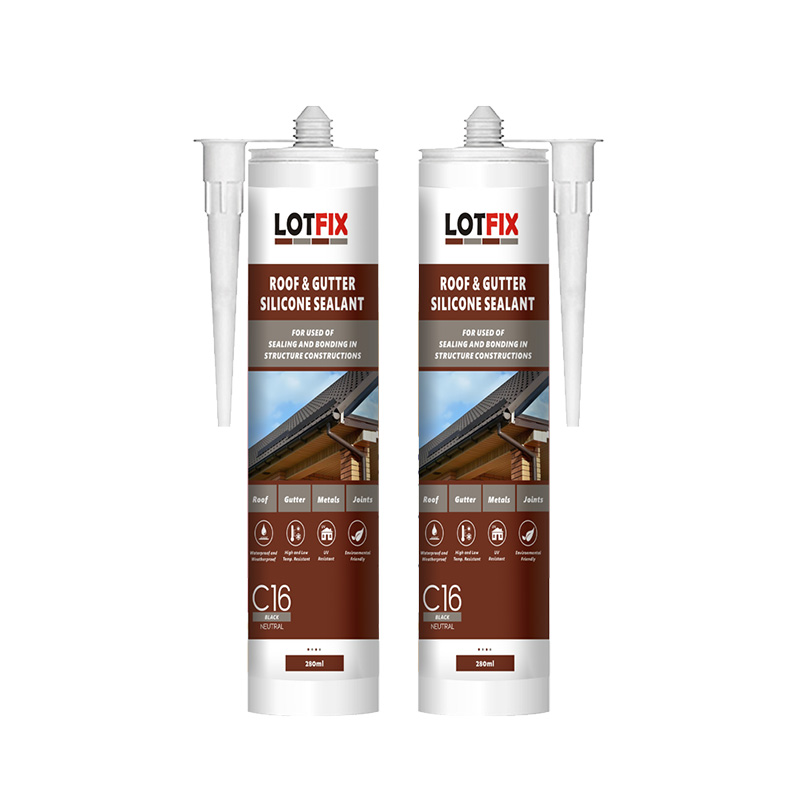
For metal roof leaks, the best sealant is usually a neutral cure, weather-resistant roof and gutter silicone sealant that can bond to metal surfaces, resist UV exposure, and remain flexible during roof movement.
Metal roofs are exposed to rain, sunlight, wind uplift, thermal expansion, fastener movement, and surface coating aging. A leak may appear around screws, laps, seams, flashing, gutters, roof penetrations, or panel joints. Because metal expands and contracts with temperature changes, the sealant must not only block water but also maintain elasticity after repeated movement.
Choosing the right sealant depends on the leak location, roof material, surface condition, repair purpose, and expected service life. A quick patch may stop water temporarily, but long-term roof sealing requires proper surface preparation, compatible sealant chemistry, and correct application around the actual water entry point.
Temporary metal roof repair focuses on stopping active water entry quickly, while long-term sealing focuses on adhesion, movement resistance, weather durability, and correct joint treatment. Buyers should not evaluate a roof sealant only by how fast it covers a leak.
| Repair Purpose | Temporary Repair | Long-Term Sealing |
|---|---|---|
| Main Goal | Stop water entry quickly before proper repair work. | Create a durable weatherproof seal around leak-prone joints. |
| Typical Situation | Emergency leakage, rainy season patching, minor screw hole leakage. | Roof maintenance, project repair, flashing sealing, seam treatment. |
| Sealant Requirement | Easy application, quick skinning, basic water resistance. | UV resistance, strong adhesion, flexibility, neutral cure chemistry, aging resistance. |
| Buyer Reminder | A temporary patch should still be inspected later. | Surface cleaning and correct application are as important as product selection. |
For a short-term repair, buyers may focus on fast application and immediate water resistance. For long-term roof maintenance, the better choice is a sealant that can bond to coated metal, galvanized steel, aluminum, roof flashing, gutters, and other roofing components without becoming hard, brittle, or detached.
If the metal panel is damaged, heavily corroded, loose, or structurally deformed, sealant alone should not be treated as the full repair solution. The damaged area may need mechanical repair, panel replacement, fastener replacement, or flashing correction before sealing.
Neutral cure silicone sealant is usually preferred for metal roof leaks because it is more suitable for many metal surfaces and is less likely to cause corrosion compared with unsuitable acidic sealants. This is especially important for galvanized metal, aluminum, coated steel, roof flashing, and metal gutters.
Neutral cure sealant is better suited for many metal roofing materials, especially where corrosion risk must be reduced.
A roof sealant must resist UV exposure, rain, heat, cold, and outdoor aging without cracking or losing adhesion.
Metal roofs move with temperature changes, so the sealant needs flexibility to absorb expansion and contraction.
On metal roofs, the wrong sealant can create problems even if it looks sealed at first. Some sealants may not adhere well to coated surfaces, some may become hard after aging, and some may react poorly with metal or surrounding materials. A neutral cure roof and gutter silicone sealant is often a safer option for exterior metal sealing applications.
Before bulk use, buyers should still confirm the exact substrate. Painted metal, powder-coated panels, galvanized sheets, aluminum profiles, stainless steel, and old roof coatings can behave differently. For large projects, sample testing or small-area application is useful before full repair work.
The best areas to seal on a leaking metal roof are the actual water entry points, especially fasteners, lap joints, roof penetrations, flashing edges, gutter connections, and panel transitions. Sealing random surface areas without identifying the leak source may only hide the problem temporarily.
Fastener heads and screw holes: loose screws, aged washers, or over-driven fasteners are common sources of leakage.
Panel lap seams: overlapping metal sheets may leak when movement, poor alignment, or old sealant creates gaps.
Flashing edges: roof-to-wall flashing, chimney flashing, and parapet flashing often need flexible waterproof sealing.
Roof penetrations: pipe boots, vents, skylights, ducts, and equipment bases require careful sealing around the perimeter.
Gutter and drainage joints: gutter seams, end caps, corners, and downspout connections should be sealed with weather-resistant materials.
Panel transitions: ridge caps, valleys, eaves, and roof edge details may need reinforcement if water is driven by wind.
Locate the actual leak source, not only the visible indoor water stain.
Remove dust, rust flakes, oil, old loose sealant, and standing water before application.
Repair or replace loose screws, damaged washers, or broken flashing before sealing.
Apply sealant with enough contact area on both sides of the joint.
Tool the sealant surface to improve contact, water shedding, and finished appearance.
Allow enough curing time before heavy rain exposure when project conditions allow.
Good roof sealing is not only about applying more material. A neat, continuous, well-bonded seal around the correct joint area usually performs better than a thick and messy layer spread across the panel surface.
Buyers should avoid sealants that are not designed for exterior metal roofing, especially products with poor UV resistance, weak adhesion to metal, low movement capability, or chemistry that may be unsuitable for metal substrates.
| What to Avoid | Why It Matters | Better Buying Direction |
|---|---|---|
| Interior acrylic sealant | May not withstand outdoor rain, UV, and metal roof movement. | Choose exterior roof and gutter silicone sealant. |
| Unsuitable acidic silicone | May be risky on some metal surfaces and surrounding materials. | Use neutral cure silicone for metal roof applications. |
| Rigid filler or cement patch | Metal roofs move, so rigid materials may crack or separate. | Use flexible sealant with movement capability. |
| Applying over rust and dirt | Poor surface preparation reduces adhesion and shortens service life. | Clean and prepare the substrate before sealing. |
| Ignoring roof design problems | Sealant cannot solve loose panels, failed flashing, or poor drainage alone. | Combine repair work with proper sealing. |
For distributors, contractors, and project buyers, a good purchasing decision should also include packaging type, color availability, shelf life, application temperature, curing behavior, and supplier consistency. Roof repair products often need repeat purchase, so stable product quality and clear technical communication are important.
Buyer Reminder:
A sealant that works for bathroom gaps or indoor joints is not automatically suitable for metal roof leaks. For exterior roofing, always check weather resistance, metal compatibility, flexibility, and application guidance.
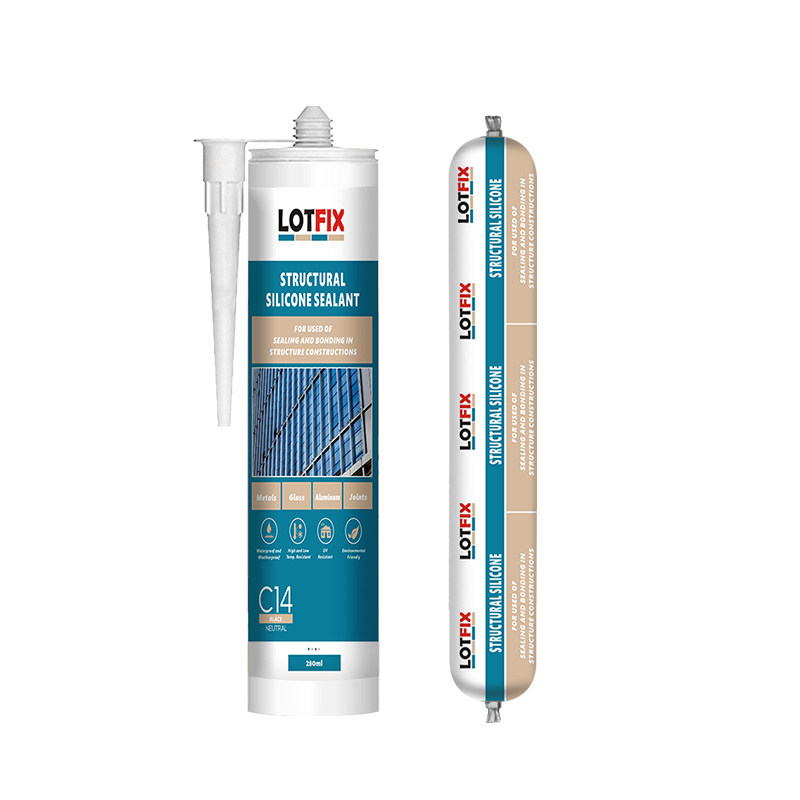
If you are selecting sealant for metal roof leaks, roof and gutter sealing, flashing repair, exterior waterproofing, or other construction applications, LOTFIX can help you review suitable options based on substrate, application area, packaging demand, target market, and project requirements.
LOTFIX supplies sealant and adhesive products for construction and industrial use, supporting buyers who need stable quality, practical product recommendations, and reliable supply for different market needs. You can also visit the LOTFIX homepage here: https://www.lotfixsealant.com/.
Have other questions about roof sealant selection?
Contact LOTFIX for product information, sample discussion, or application matching support.
Contact LOTFIX