Mobile / WhatsApp
E-mail
Contents
For aquarium glass repair, the right sealant should be an aquarium-safe silicone sealant designed for glass-to-glass bonding, with no mildew-resistant additives or unsuitable chemicals that may affect aquatic life after curing.
Aquarium glass repair is different from ordinary glass sealing because the joint must hold water pressure, remain bonded under constant immersion, and stay safe after full curing. A product that works for windows, bathrooms, kitchens, or general construction gaps may not be suitable for aquarium repair.
Buyers should first identify whether the job is a small leak repair, edge resealing, or full aquarium assembly. These applications require different levels of bonding strength, curing control, surface preparation, and safety confirmation. For large tanks, structural seam failure, or cracked glass panels, sealant alone may not be a safe repair solution.
Aquarium repair and aquarium assembly are not the same application. Repair usually focuses on resealing or stopping leakage, while assembly requires stronger structural bonding between glass panels from the beginning.
| Application | Main Purpose | Sealant Requirement |
|---|---|---|
| Small Leak Repair | Reseal minor leakage around existing joints or inner corners. | Aquarium-safe silicone with good adhesion to clean glass and water resistance after full cure. |
| Edge Resealing | Remove old inner bead and apply a new continuous seal. | Good tooling performance, stable curing, and compatibility with glass surfaces. |
| Full Tank Assembly | Bond glass panels together and create structural water-holding joints. | High-strength aquarium-grade silicone suitable for structural glass-to-glass bonding. |
| Cracked Glass Repair | Deal with damaged glass panels or structural risk. | Sealant alone is often not enough; glass replacement or professional repair may be needed. |
For minor resealing, the old loose sealant should be removed before new sealant is applied. Applying new silicone directly over aged, dirty, or detached silicone often leads to weak bonding. Silicone usually bonds best to clean glass, not to old contaminated sealant.
For assembly or major repair, product selection becomes more critical because the sealant is part of the tank structure. Buyers should confirm whether the product is suitable for aquarium construction, not only aquarium edge finishing.
Glass-to-glass aquarium bonding requires clean surfaces, continuous sealant contact, proper joint thickness, and enough curing time before the tank is filled with water. Even the right product can fail if surface preparation or application is poor.
Dust, oil, algae residue, old silicone, and cleaning chemicals can reduce adhesion, so glass should be clean and dry before application.
The sealant bead should be smooth and uninterrupted, especially along corners, vertical seams, and bottom joints.
The aquarium should not be filled until the sealant is fully cured according to product guidance and the joint has been checked.
Aquarium joints are exposed to constant water pressure. This is why a neat surface bead alone is not the full story. The sealant must have enough contact with the glass surface and should not contain gaps, air pockets, skipped sections, or weak areas.
After repair, a water test is usually necessary before adding fish, plants, equipment, or decorative materials. This helps confirm whether the repaired joint can hold water and whether the sealant has cured properly.
Common building sealants should not be used for aquarium glass repair unless they are clearly labeled or confirmed as aquarium-safe. Many construction sealants are designed for building joints, not for submerged glass joints around aquatic life.
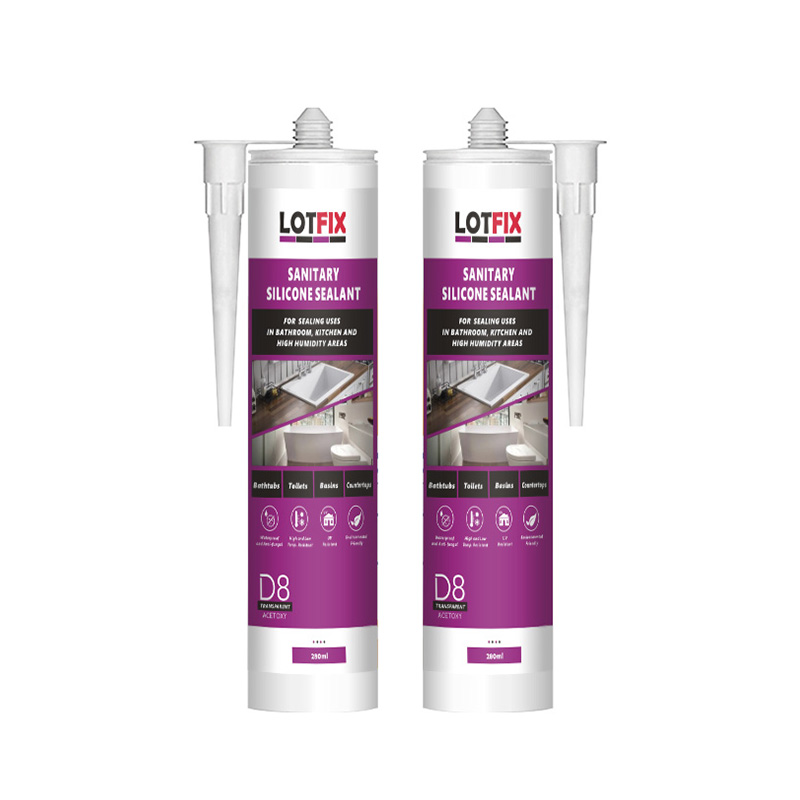
Using anti-mold bathroom sealant: some sanitary sealants contain mildew-resistant additives that may not be suitable for aquariums.
Using general construction silicone: it may work for windows or doors, but may not be tested or recommended for constant water immersion.
Applying sealant over old silicone: weak bonding may occur if the old surface is aged, dirty, oily, or partially detached.
Filling cracks instead of replacing glass: cracked panels can remain structurally unsafe even if the crack is covered.
Rushing the curing process: filling the tank too early can affect seal performance and may create safety concerns.
Buyer Reminder:
“Waterproof” does not automatically mean “aquarium-safe.” For aquarium glass repair, buyers should check product suitability for aquariums, glass bonding, full curing safety, and constant water exposure.
This distinction matters for distributors and private label buyers. If a sealant is positioned for bathroom or construction use, customers may misuse it for aquariums unless the application scope is clearly explained. Clear product naming, usage instructions, and warnings can reduce after-sales issues.
Aquarium-specific sealant should be selected based on aquarium safety, glass adhesion, water resistance after full cure, curing behavior, and whether the product is intended for repair or assembly.
| Selection Point | What to Check | Why It Matters |
|---|---|---|
| Aquarium-Safe Claim | Check whether the product is recommended for aquarium use after full cure. | Aquatic life requires safer product selection than ordinary wet-area sealing. |
| No Mildew Additives | Avoid sanitary sealants with fungicide or anti-mold additives unless aquarium suitability is confirmed. | Additives designed for bathrooms may be unsuitable for fish tanks. |
| Glass Adhesion | Choose sealant with reliable bonding to clean glass surfaces. | Aquarium seams rely heavily on stable glass-to-glass adhesion. |
| Curing Guidance | Review skin time, curing depth, full cure time, and recommended waiting period before water filling. | Incomplete curing can affect performance and safety. |
| Application Scope | Confirm whether the product is for small repair, resealing, or aquarium assembly. | Structural assembly requires stronger and more specific performance than surface repair. |
Some aquarium silicones are designed mainly for glass repair and resealing, while others may be suitable for aquarium construction. Buyers should not assume that all silicone products have the same strength, curing system, or safety profile. The product label and technical data should match the intended use.
For commercial buyers, packaging and market positioning are also important. Aquarium repair sealants may be sold in cartridges, small tubes, or retail-friendly packages depending on the target users. Clear instructions on surface preparation, curing time, water testing, and application limits can improve customer experience.
Buyers should choose aquarium glass repair sealant by checking safety after full cure, bonding strength on glass, product positioning, curing instructions, and whether the repair is minor or structural.
Confirm the sealant is aquarium-safe after full cure.
Avoid products with anti-mold or fungicide additives unless aquarium use is clearly confirmed.
Check whether the product is suitable for glass-to-glass bonding.
Review whether the application is small leak repair, resealing, or full tank assembly.
Prepare glass surfaces by removing old silicone, residue, water, oil, and dirt.
Allow full curing time before water testing and aquarium use.
Do not rely on sealant alone for cracked glass panels or unsafe tank structures.
For wholesalers, distributors, and private label buyers, the right product should also be easy to explain to end users. Clear application scope helps prevent misuse: aquarium-safe silicone for tank repair and glass bonding, sanitary silicone for bathrooms, and construction silicone for building joints.
If the market includes DIY users, packaging should highlight key use conditions such as clean glass, full curing, water testing, and product limitations. This can help reduce failed repairs caused by incorrect application rather than sealant quality.
If you are selecting sealant for aquarium glass repair, glass-to-glass bonding, bathroom sealing, construction joints, or other application scenarios, LOTFIX can help you review suitable options based on substrate, application area, packaging demand, target market, and project requirements.
LOTFIX supplies sealant and adhesive products for construction and industrial use, supporting buyers who need stable quality, practical product recommendations, and reliable supply for different market needs. You can also visit the LOTFIX homepage here: https://www.lotfixsealant.com/.
Have other questions about aquarium-safe sealant selection?
Contact LOTFIX for product information, sample discussion, or application matching support.
Contact LOTFIX