Mobile / WhatsApp
E-mail
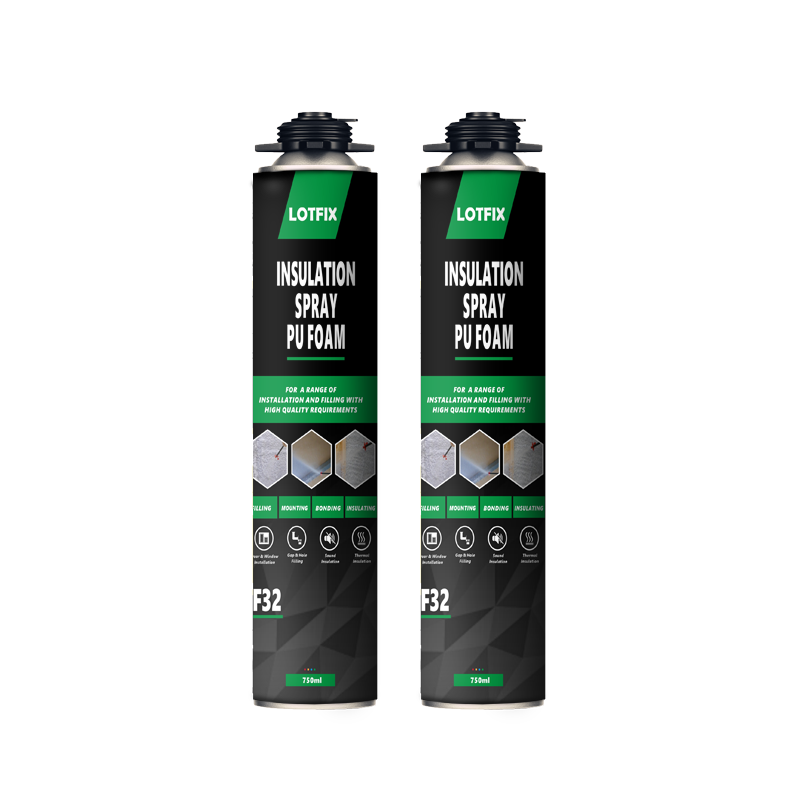
Winter PU foam is designed for construction sealing, filling, insulation, and installation work in cold-weather conditions. Compared with standard PU foam, low-temperature foam is formulated to support better extrusion, curing, expansion, and adhesion when the job site temperature is lower than normal application conditions.
For buyers, the key point is not only whether the foam can be used in winter. The product should match the actual working temperature, surface condition, curing time requirement, application method, storage condition, and installer habits in cold climates.
Standard PU foam usually performs best within normal temperature ranges. In cold weather, the foam can become harder to dispense, expand less predictably, cure more slowly, or show weaker adhesion if the surface is too cold, wet, dusty, or frozen. This can affect both working efficiency and final sealing quality.
A simple way to understand it: low temperature can slow down PU foam reaction and make application less stable, especially on cold construction surfaces.
| Cold-Weather Issue | Possible Impact on PU Foam Work |
|---|---|
| Harder extrusion | The foam may come out more slowly, making application less smooth for installers. |
| Slower curing | Cutting time and full curing time may become longer, affecting work progress. |
| Unstable expansion | Foam yield and filling behavior may become less predictable in very cold conditions. |
| Surface adhesion risk | Cold, wet, icy, or dusty surfaces can reduce bonding and final sealing stability. |
Winter PU foam is developed to support application in lower temperatures. It helps improve workability, expansion behavior, curing performance, and job-site reliability when installers need to continue sealing and filling work during colder seasons.
Helps installers apply foam more smoothly when job-site temperatures are lower.
Supports more predictable filling and expansion behavior compared with standard foam in cold conditions.
Helps contractors continue window, door, insulation, and gap-filling work during colder months.
Correct winter-grade foam can reduce problems caused by slow curing, weak filling, or poor foam structure.
Winter PU foam is commonly used in cold-season construction, renovation, installation, and maintenance work. It is especially useful when buyers serve markets with long winters, low outdoor temperatures, or construction projects that cannot stop during colder months.
Used for frame perimeter filling, insulation, and sealing support in cold-weather installation work.
Suitable for selected construction gaps, wall openings, and cavity filling where low-temperature performance is needed.
Applied around pipe openings, cable penetrations, and utility gaps that need filling or sealing support in winter work.
Useful for repair teams and contractors who need reliable foam performance during cold-season jobs.
Standard PU foam can be suitable for normal application temperatures, while winter PU foam is designed for colder working conditions. Buyers should compare the two based on temperature range, expansion behavior, curing speed, foam yield, and installer feedback.
| Comparison Point | Winter PU Foam | Standard PU Foam |
|---|---|---|
| Application condition | Designed for lower-temperature construction and installation work | Best for normal temperature conditions, depending on formula |
| Curing performance | Supports better curing behavior in cold weather | May cure more slowly when temperature is too low |
| Installer experience | Better suited for winter job sites and cold-season markets | Suitable for general use when temperature conditions are stable |
| Buyer fit | Good for markets with cold winters, outdoor installation, or seasonal construction demand | Good for regular distribution and standard construction use |
Important: winter PU foam improves low-temperature usability, but it still needs correct storage, surface preparation, and application conditions. Frozen, wet, dusty, or unstable surfaces can still cause problems.
For importers, distributors, and project buyers, winter PU foam should be selected according to local climate, job-site temperature, installer expectations, packaging requirements, and target market positioning.
Before placing an order, buyers should confirm:
• Minimum application temperature required by the target market
• Whether the foam is for window installation, door installation, gap filling, pipe sealing, or general winter construction
• Straw type or gun type application
• Foam yield, expansion behavior, cutting time, and full curing time in cold conditions
• Can size, carton quantity, label language, shelf life, and storage conditions
• Whether OEM packaging or private label supply is required
• Whether samples are needed for low-temperature application testing before bulk purchase
The safest purchasing method is to match the foam with the real working temperature and application scenario. If customers need to continue sealing, filling, or installation work in cold weather, winter PU foam can be a more suitable choice than standard foam.
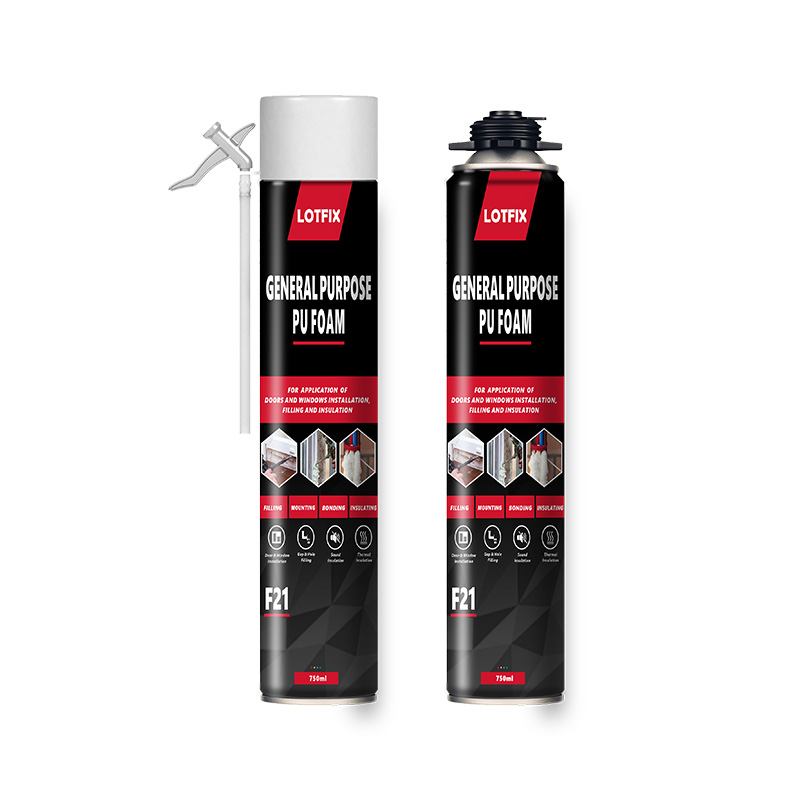
LOTFIX provides PU foam, silicone sealant, and related sealing products for construction, installation, distribution, and project applications. If you are comparing winter PU foam, low expansion foam, general purpose PU foam, PU adhesive foam, silicone sealant, or other sealing solutions, you can visit the LOTFIX homepage to learn more about available product options.
For product selection, sample requests, packaging details, or OEM cooperation, please contact us and share your application requirements.
Visit LOTFIX Homepage Contact LOTFIX