Mobile / WhatsApp
E-mail
Table of Contents
PU foam may shrink or crack after curing when the foam structure is not stable enough, the application thickness is poorly controlled, the surface is unsuitable, or the curing environment does not support proper expansion and hardening. In many cases, the problem is not caused by one single factor, but by a combination of product selection, application method, temperature, humidity, joint depth, and substrate condition.
For contractors, distributors, and project buyers, understanding these causes is important because post-cure shrinkage or cracking can lead to visible gaps, reduced sealing performance, lower insulation continuity, and customer complaints. A good PU foam product still needs the right application conditions to achieve a stable result.
PU foam shrinks or cracks after curing mainly because the cured foam cannot maintain a stable cell structure or cannot adapt to stress inside the filled gap. This may happen when the foam is applied too thick, cures unevenly, lacks enough moisture, is exposed to unsuitable temperature, or is used on a surface that does not support proper adhesion.
Shrinkage often appears as the foam pulling away from the sides of a gap, leaving small spaces after it has cured.
Cracking may appear when the outer layer cures faster than the inner foam, or when the foam is exposed to stress, movement, or poor finishing protection.
Weak, soft, or brittle foam may indicate poor curing, wrong product selection, low moisture, extreme temperature, or unstable storage conditions before use.
Because PU foam is an expanding and curing material, its final condition depends on both chemistry and jobsite handling. Buyers should not judge the issue only by the visible crack. It is better to review the product type, application thickness, weather, surface condition, and curing time together.
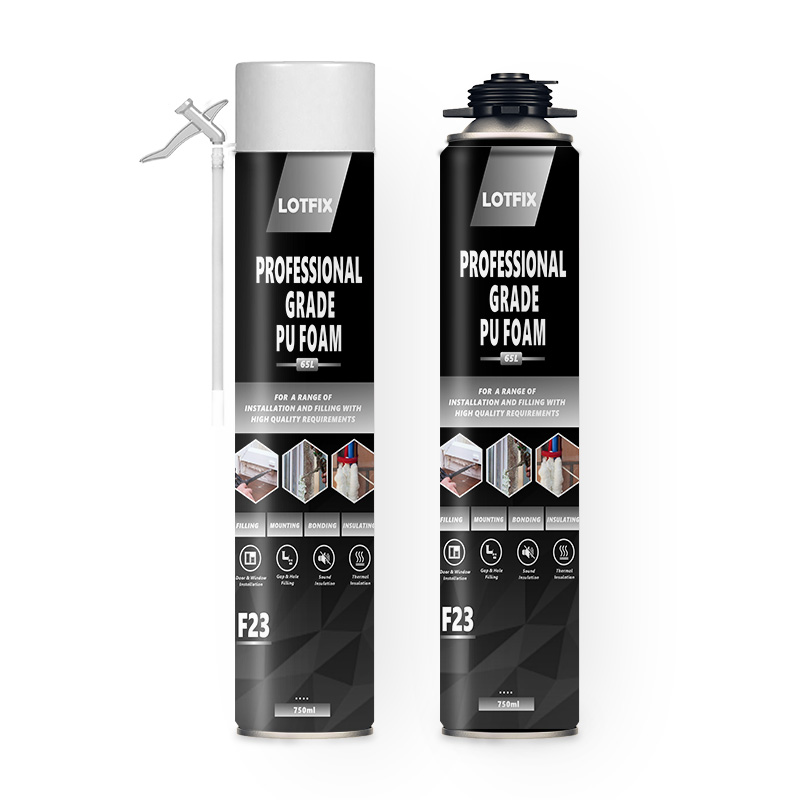
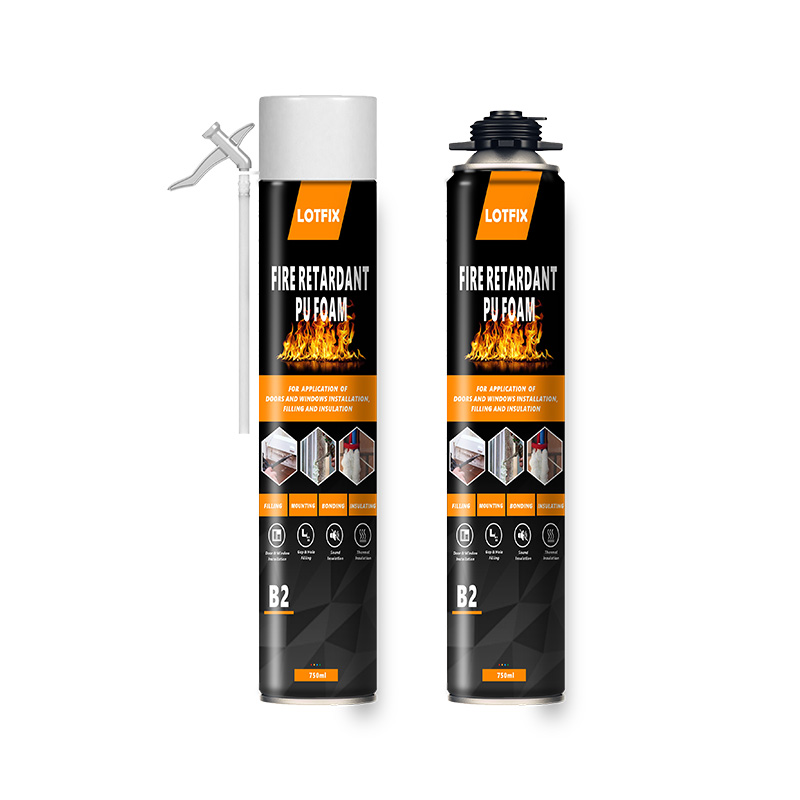
Product choice affects foam shrinkage and cracking because different PU foam products are designed for different uses. General-purpose foam, high-expansion foam, low-expansion foam, fire retardant foam, adhesive foam, and professional-grade foam may have different expansion behavior, density, curing speed, flexibility, and final strength.
| Product Factor | How It Affects the Result | Buyer Check |
|---|---|---|
| Foam type | Using general filling foam for bonding, structural gaps, or special insulation work may create performance mismatch. | Confirm whether the foam is for filling, sealing, insulation, bonding, fire retardant use, or installation support. |
| Expansion control | Excessive expansion can create stress, while poor expansion may leave hollow areas or weak filling. | Choose high-expansion or low-expansion foam according to the gap and application purpose. |
| Foam density | Low-density foam may not perform well in some demanding gaps, while overly rigid foam may be less tolerant of movement. | Ask for product data and select a grade that matches the working condition. |
| Shelf life and storage | Expired or poorly stored foam may discharge unevenly, cure poorly, or form an unstable structure. | Check production date, shelf life, storage temperature, and can condition before use. |
A common purchasing mistake is choosing foam only by price or yield, while ignoring the actual gap size, substrate, expansion control, and final performance requirement.
Application thickness and environment directly affect PU foam curing. If foam is applied too thick in one pass, the outer layer may cure while the inside remains soft, unstable, or slow to react. This uneven curing can increase the risk of shrinkage, cracking, hollow areas, or weak internal structure.
| Application Issue | Possible Result | Practical Correction |
|---|---|---|
| Overfilling the gap | Excess pressure, uneven expansion, waste, deformation, or cracking after curing. | Fill only part of the gap and allow space for expansion according to product instructions. |
| One thick application | Outer surface cures first, while inner foam may remain weak or unstable. | For deep gaps, apply in controlled layers where needed. |
| Low temperature | Slower curing, reduced expansion, poor discharge, and delayed trimming time. | Store cans properly and apply within the recommended temperature range. |
| High heat or direct sunlight | Fast surface drying, uneven curing, or premature surface stress. | Avoid extreme exposure during application and protect fresh foam where necessary. |
| Early cutting or finishing | Foam may be damaged before it reaches stable curing. | Wait until the foam is fully cured before trimming, covering, or painting. |
Installers should pay special attention to deep gaps around doors, windows, pipe penetrations, roof details, and insulation joints. These areas are easy to overfill because the gap looks empty at first, but PU foam continues to expand after application. Controlled filling is usually more reliable than applying too much foam at once.
Substrate and moisture conditions influence PU foam performance because foam needs proper contact and suitable curing conditions. If the surface is dusty, oily, frozen, loose, or unstable, the foam may not bond well. If the environment is too dry or too wet, the foam structure and curing result may also be affected.
Dust, weak plaster, loose paint, and powdery concrete can stop the foam from bonding directly to a stable base. The foam may separate after curing.
PU foam often needs moisture to cure properly. Very dry conditions can slow curing and may affect the final foam structure.
Standing water, frost, snow, or condensation can reduce adhesion and create weak contact between the foam and the substrate.
Moisture control should be practical, not extreme. A slightly damp surface may help some PU foam products cure, but wet, frozen, oily, or contaminated surfaces should be avoided. The correct approach depends on the product instruction and the actual site condition.
Concrete and masonry: remove dust, loose sand, weak plaster, and surface powder before filling.
Metal surfaces: remove oil, rust flakes, release agents, and loose coatings before application.
Wood surfaces: check whether the surface is dry, clean, and structurally stable.
PVC and painted surfaces: test adhesion when the substrate is smooth, coated, or unfamiliar.
Cold-weather surfaces: do not apply directly onto frost, ice, snow, or wet dust.
Buyers and installers can reduce post-cure problems by choosing the right PU foam for the application, controlling storage and can temperature, preparing the surface, applying foam in suitable amounts, and allowing enough curing time before trimming or finishing.
| Step | What to Do | Why It Helps |
|---|---|---|
| Choose the right foam | Match the foam type with filling, sealing, insulation, bonding, or fire retardant requirements. | Reduces mismatch between product performance and jobsite use. |
| Check shelf life | Avoid expired, damaged, or poorly stored cans. | Helps maintain stable discharge, expansion, and curing behavior. |
| Prepare the surface | Clean dust, oil, loose layers, water, frost, and unstable coatings. | Improves adhesion and reduces foam separation after curing. |
| Control filling amount | Do not completely fill the gap before expansion; follow the recommended filling ratio. | Prevents excessive pressure, waste, and cracking caused by overfilling. |
| Allow full curing | Wait before trimming, painting, covering, or loading the foam. | Reduces damage caused by early finishing. |
| Protect exposed foam | Use sealant, coating, plaster, cover plates, or other finishing protection where needed. | Helps reduce damage from UV, weather, moisture, and mechanical impact. |
If shrinkage or cracking happens repeatedly, buyers should not only ask whether the foam is “good or bad.” A more useful review is to check the whole process: product batch and shelf life, storage condition, surface preparation, filling depth, weather, moisture, curing time, and final protection. This gives a clearer basis for solving the problem.
LOTFIX provides PU foam, silicone sealant, acrylic sealant, adhesive, and related construction material solutions for sealing, filling, bonding, insulation, and installation applications. If you are comparing PU foam products for door and window gaps, wall joints, insulation areas, or general construction filling work, you can visit the LOTFIX homepage to learn more about available product categories.
If you have questions about product selection, application scenarios, or cooperation requirements, please Contact Us.