Mobile / WhatsApp
E-mail
Table of Contents
Cold weather changes how sealants and PU foam behave during construction. Lower temperature can slow curing, make materials harder to apply, reduce expansion speed, and increase the risk of poor adhesion if the surface is wet, frozen, dusty, or unstable.
For winter projects, the key is not only choosing a suitable product, but also controlling storage, surface preparation, application temperature, curing time, and inspection. Windows, doors, roofs, wall gaps, insulation joints, and pipe penetrations may all require sealing or filling in winter, but the working method should be adjusted according to site conditions.
In cold weather, sealant and foam usually become less active and more sensitive to application conditions. Materials may still be usable, but installers should expect slower curing, different handling feel, and stricter requirements for clean and dry surfaces.
| Cold-Weather Factor | What May Happen | Practical Response |
|---|---|---|
| Low material temperature | Sealant may become harder to extrude; foam cans may discharge less smoothly. | Store products in a suitable indoor area before use and avoid using frozen materials. |
| Cold substrate | Adhesion may be weaker if the surface is too cold, damp, icy, or contaminated. | Check the surface condition before application and clean or dry the area first. |
| Slower curing | Sealant skinning, foam curing, and full strength development may take longer. | Allow more curing time before trimming, painting, loading, or exposing to stress. |
| Moisture and frost | Condensation, ice, or snow can block direct contact between product and substrate. | Do not apply directly over frost, standing water, loose snow, or wet dust. |
| Joint movement | Building materials may contract in cold conditions, changing joint width and stress. | Select flexible sealants and avoid overfilling or poor joint design. |
Winter application is not only about temperature on the weather report. Installers should also check the actual temperature of the product, the surface, and the working area. A sealant or foam that performs well in normal conditions may give different results if it is stored outdoors overnight or applied onto a cold, wet surface.
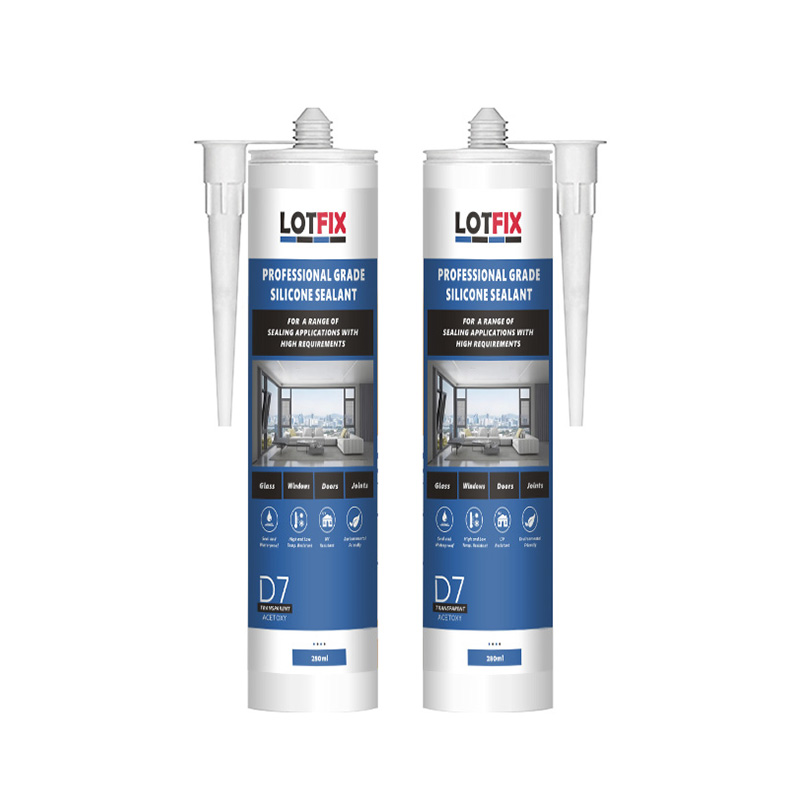
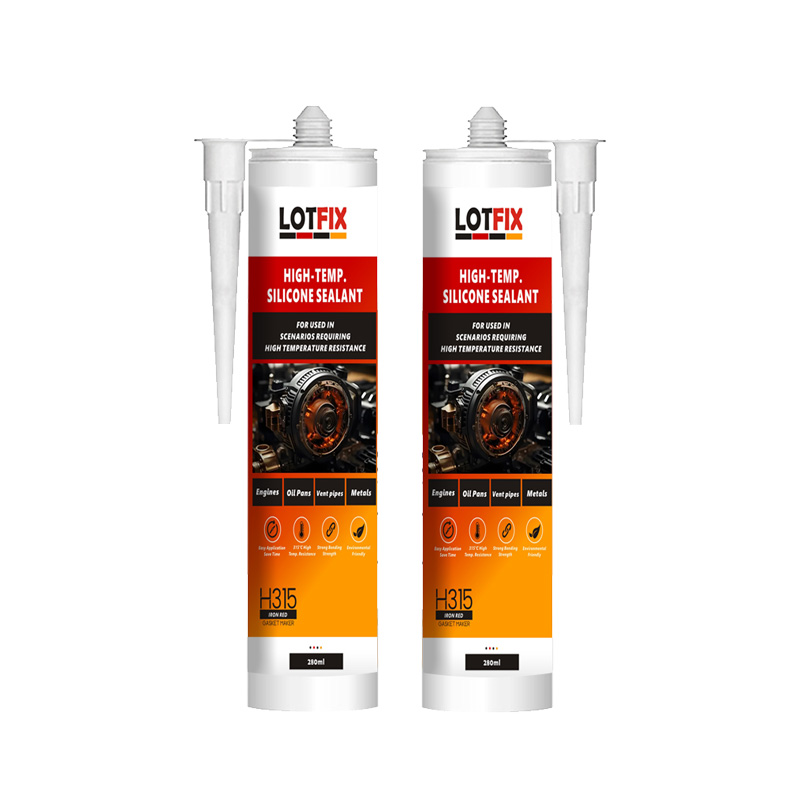
Silicone sealant can still be used in many cold-weather sealing projects, but installers need to pay closer attention to extrusion, adhesion, surface dryness, and curing time. The sealant should be applied onto a clean and stable surface, not over ice, frost, oil, loose paint, or dust.
Low temperature may make silicone sealant feel thicker and harder to gun out. Keeping cartridges at a suitable storage temperature before use can help improve application consistency.
Cold and dry air can slow skin formation and full curing. Installers should avoid touching, trimming, painting, or loading the joint too early.
Adhesion problems are more likely when the surface is damp, frozen, dusty, or unstable. Cleaning and drying the joint area is essential before sealing.
For window and door sealing, bathroom renovation, facade joints, roofing details, and general construction gaps, installers should also confirm whether the silicone sealant type matches the substrate. Glass, aluminum, ceramic tile, concrete, painted metal, PVC, and natural stone may require different sealant types or compatibility checks.
In winter sealing work, the most common mistake is treating a cold joint like a normal-temperature joint. The sealant may look applied, but adhesion and curing can still be affected if the surface is not properly prepared.
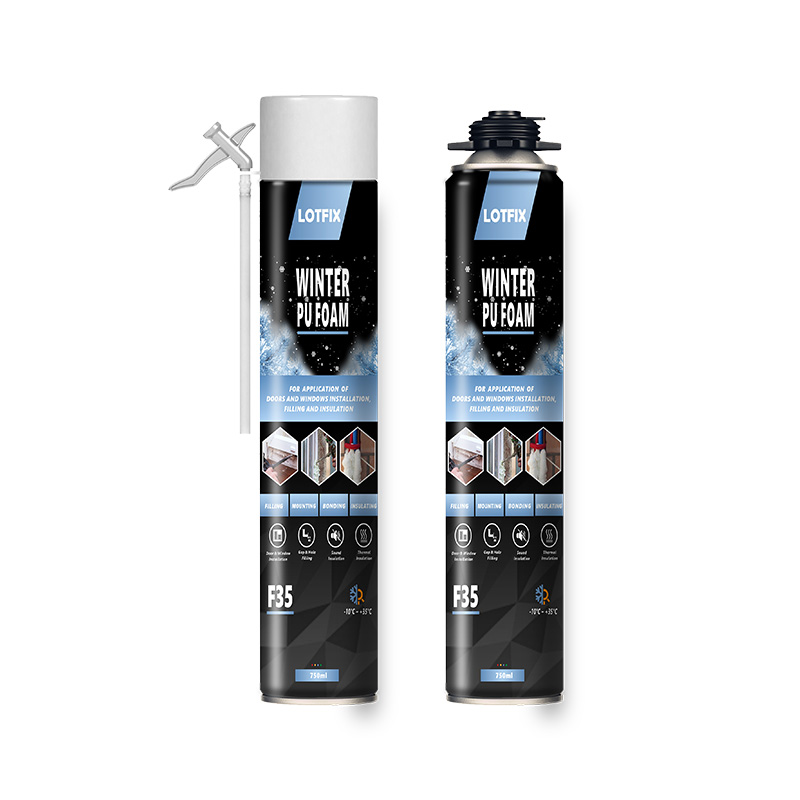
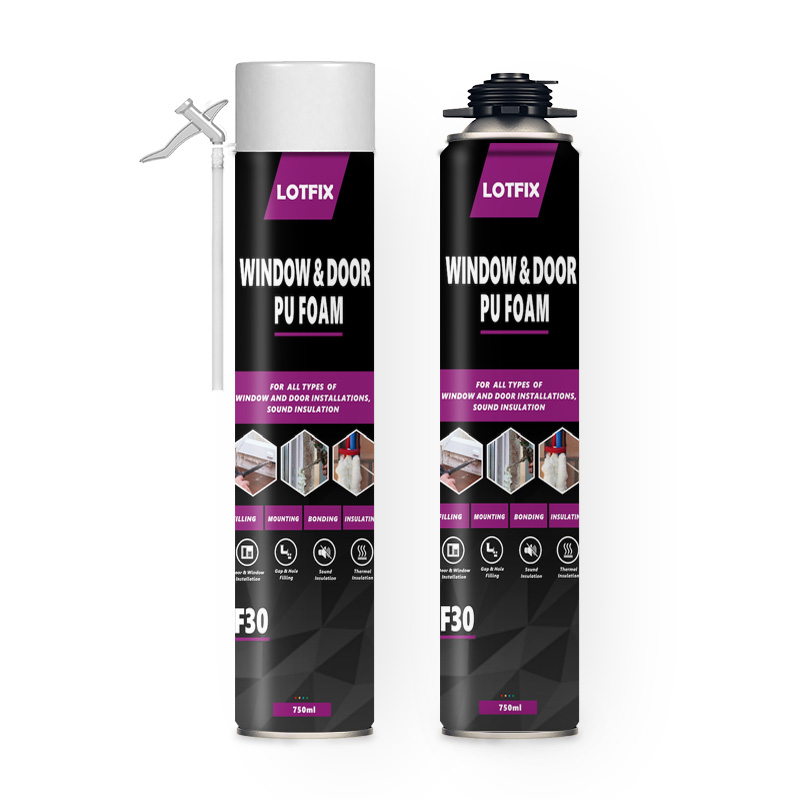
PU foam is useful for filling, sealing, insulation, and installation gaps, but winter conditions can affect expansion, discharge, curing, and final foam structure. The can temperature, surface temperature, and moisture level all influence the result.
| Application Point | Why It Matters in Winter | Recommended Practice |
|---|---|---|
| Can temperature | A cold can may reduce discharge pressure and make foam output unstable. | Store cans indoors before use and follow the product’s recommended application temperature. |
| Shaking before use | Proper mixing helps improve foam consistency and application performance. | Shake the can fully according to the instruction before spraying. |
| Gap filling depth | Overfilling can cause waste, deformation, or poor internal curing. | Fill gaps in controlled amounts and allow for foam expansion. |
| Moisture balance | PU foam often needs moisture to cure, but frost and standing water can harm adhesion. | Avoid frozen or wet surfaces; use controlled moisture only when suitable for the product. |
| Trimming time | Cold weather can extend curing time, making early trimming risky. | Wait until the foam is fully cured before cutting or finishing. |
For winter foam work around windows, doors, pipe penetrations, wall gaps, roof details, and insulation joints, installers should avoid rushing the process. If the foam is applied too cold, too thick, or onto frozen surfaces, it may expand poorly, cure slowly, or fail to bond as expected.
Buyers and installers can reduce cold-weather risk by treating winter sealing and foam work as a controlled process. Product selection is only one part of the result; storage, surface preparation, site timing, and inspection are equally important.
Confirm the application temperature range: check the product instruction and make sure it matches the expected jobsite condition.
Store products correctly: do not leave sealant cartridges or foam cans exposed to freezing outdoor conditions before use.
Prepare the surface: remove frost, snow, oil, dust, loose paint, rust, and weak substrate layers.
Allow more curing time: cold weather often slows the process, so avoid early trimming, stress, or finishing.
Run a small test first: for unfamiliar substrates or low-temperature projects, test adhesion and curing before full application.
Protect finished areas: keep new sealant or foam away from rain, snow, mechanical damage, and contamination during the early curing stage.
For winter projects, a stable result usually comes from three controls: suitable product, suitable surface, and suitable curing time.
Before purchasing sealants and foam for winter construction, buyers should check whether the product is suitable for the intended application, substrate, climate, storage condition, and project schedule. This helps avoid product complaints caused by mismatched use rather than product quality alone.
Application type: window sealing, roof joint sealing, bathroom sealing, gap filling, insulation filling, or installation support.
Substrate compatibility: glass, aluminum, concrete, masonry, PVC, painted metal, wood, ceramic tile, or insulation materials.
Temperature requirement: storage temperature, application temperature, and service temperature after curing.
Curing expectations: skin time, tack-free time, trimming time, and full curing time may change in winter.
Packaging and logistics: cold-season shipping, warehouse storage, and on-site handling should be considered before bulk orders.
Technical support: buyers should request clear usage guidance to reduce installation errors in low-temperature projects.
Winter construction does not mean sealant and foam work must stop. It means the product and working method must be matched more carefully. When buyers and installers manage temperature, surface condition, curing time, and project protection, sealants and PU foam can still support reliable sealing, filling, and insulation work during colder seasons.
LOTFIX provides PU foam, silicone sealant, acrylic sealant, adhesive, and related construction material solutions for sealing, filling, bonding, insulation, and installation applications. If you are comparing products for winter construction, window and door sealing, roof details, or general building gaps, you can visit the LOTFIX homepage to learn more about available product categories.
If you have questions about product selection, application scenarios, or cooperation requirements, please Contact Us.