Mobile / WhatsApp
E-mail
Table of Contents
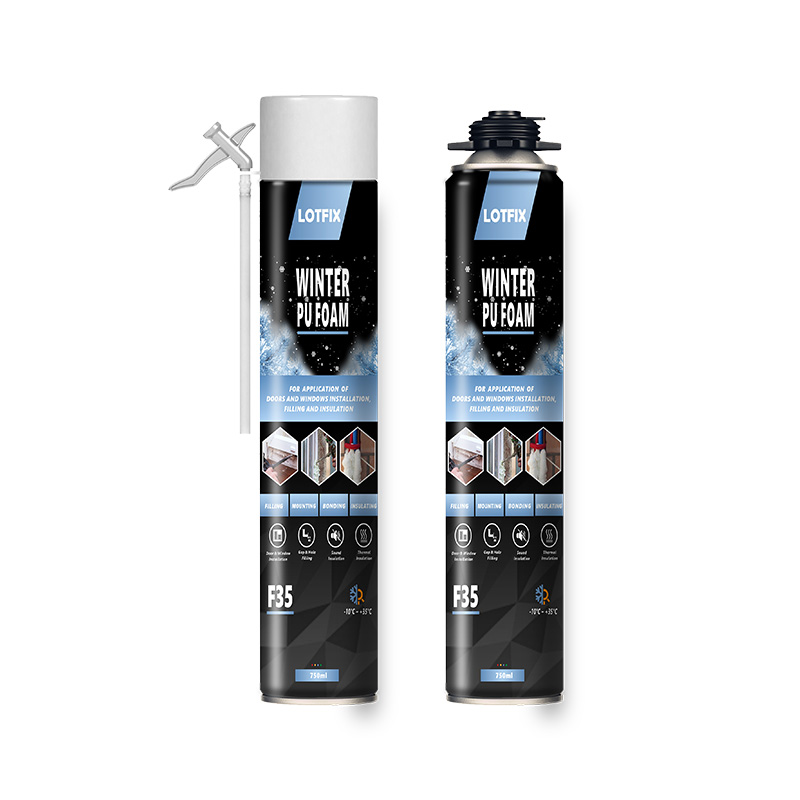
PU adhesive foam is commonly used for fixing insulation boards because it combines bonding, gap filling, and fast jobsite handling in one material. For contractors, distributors, and building material buyers, its value is not only in adhesion strength, but also in how it simplifies board installation in real working conditions.
In insulation projects, different wall bases, board types, working temperatures, and installation methods can affect the final bonding result. Understanding where PU adhesive foam works well — and where preparation is still required — helps buyers choose a more practical solution for exterior insulation systems, interior insulation upgrades, cold-room panels, and general construction board fixing.
PU adhesive foam is suitable for many insulation board installation scenarios where quick fixing, lightweight handling, and stable bonding are required. It is often used on job sites where workers need to position boards efficiently without mixing cement mortar or carrying heavy wet materials.
Used for fixing EPS, XPS, PU, or other insulation boards on suitable wall bases. It helps improve installation speed in facade insulation work, especially when board alignment and continuous workflow are important.
Suitable for renovation projects where workers need a cleaner and faster bonding method. It can reduce dust, water use, and preparation steps compared with traditional wet adhesive systems.
In some panel installation or insulation repair applications, adhesive foam can help bond boards while also filling small gaps between uneven surfaces, edges, or joints.
For partial board replacement, maintenance, or local insulation upgrades, adhesive foam is easier to carry and apply than bagged cement-based materials.
The key point is that PU adhesive foam is not only a “glue” for insulation boards. It is a jobsite material designed to help workers bond boards, adjust placement, and fill minor gaps during installation. This makes it especially useful when project efficiency and clean application are important.
PU adhesive foam saves time because it removes several preparation steps normally required by cement-based adhesive. Workers do not need to mix powder with water, wait for mortar consistency, clean mixing tools repeatedly, or carry heavy adhesive buckets across the site.
For many job sites, the biggest advantage is workflow control: open the can, apply foam strips, position the board, adjust alignment, and continue installation without stopping for wet material preparation.
No cement mixing: reduces preparation time and avoids errors caused by incorrect water ratio.
Cleaner application: less dust, less wastewater, and fewer tools to clean after installation.
Fast board positioning: workers can apply adhesive foam directly in lines or patterns according to the board size and wall condition.
Lower transport burden: cans are easier to store, carry, and distribute across floors or working areas.
Useful for repairs: small repair tasks do not require opening a full bag of cement-based adhesive.
This does not mean adhesive foam replaces every traditional adhesive system. In large facade projects, mechanical anchors, base wall condition, local building standards, and system design still matter. However, when the application is suitable, PU adhesive foam can noticeably improve installation speed and reduce unnecessary labor steps.
Surface condition has a direct influence on the bonding performance of insulation board adhesive foam. A good product still needs a stable, clean, and suitable base surface to achieve reliable adhesion.
| Factor | Why It Matters | Practical Check |
|---|---|---|
| Surface cleanliness | Dust, oil, loose particles, or release agents can reduce bonding strength. | Clean the base surface before applying foam. |
| Surface stability | Weak plaster, peeling paint, or loose cement layers may fail even if the foam bonds well. | Remove unstable layers and repair the base first. |
| Flatness | Adhesive foam can fill small gaps, but it should not be used to correct severely uneven walls. | Check wall deviation before board installation. |
| Temperature and humidity | PU foam curing depends on environmental conditions, especially moisture and temperature. | Follow the recommended application temperature and curing conditions. |
| Board material | Different insulation boards may have different surface textures and adhesion requirements. | Test compatibility before large-scale installation. |
In practical use, buyers should not judge adhesive foam only by expansion or apparent stickiness. They should also check whether the foam is designed for insulation board bonding, whether the application method is clear, and whether it can maintain stable adhesion after curing.
Buyers usually compare PU adhesive foam with cement-based adhesive from four angles: application speed, labor cost, site cleanliness, and project suitability. Cement-based adhesive is still widely used in many insulation systems, but PU adhesive foam provides a more convenient option for projects that value faster installation and cleaner handling.
| Comparison Point | PU Adhesive Foam | Cement-Based Adhesive |
|---|---|---|
| Preparation | Ready to use with a foam gun or applicator. | Requires mixing powder and water before use. |
| Jobsite efficiency | Faster for board positioning and small-to-medium installation work. | More time-consuming because of mixing, carrying, and cleaning. |
| Cleanliness | Less dust and less wastewater. | Can create more dust, slurry, and tool-cleaning work. |
| Gap handling | Can fill small gaps while bonding boards. | Mainly provides adhesive bedding; gap filling depends on application thickness. |
| Project suitability | Suitable for fast installation, repairs, renovation, and clean working environments. | Suitable for traditional insulation systems and projects requiring cementitious bonding methods. |
The better choice depends on the project requirement rather than one material being universally better. If the project needs fast application, lower labor preparation, and cleaner handling, PU adhesive foam is often more practical. If the project specification clearly requires a cementitious system, cement-based adhesive may remain the required option.
Before purchasing PU adhesive foam for insulation boards, buyers should focus on product suitability, application stability, and supplier support. A suitable adhesive foam should help installers work efficiently while still meeting the bonding needs of the insulation system.
Check the intended use: confirm that the foam is designed for insulation board bonding, not only general gap filling.
Review compatible materials: confirm whether it is suitable for EPS, XPS, PU boards, mineral substrates, concrete, masonry, or other project surfaces.
Ask about application method: clear guidance on bead pattern, waiting time, board pressing, and curing helps reduce installation mistakes.
Consider storage and transport: aerosol foam products should be stored under suitable conditions and protected from excessive heat.
Test before bulk use: for unfamiliar boards or wall bases, a small adhesion test is more reliable than judging by appearance alone.
For buyers who supply construction materials or manage insulation projects, PU adhesive foam can be a practical product because it solves several jobsite pain points at once: faster installation, cleaner operation, easier handling, and better convenience for repair or renovation work.
LOTFIX provides sealant and PU foam solutions for construction, decoration, bonding, filling, and installation applications. If you are comparing PU adhesive foam for insulation boards, project repair, or building material distribution, you can visit the LOTFIX homepage to learn more about available product categories.
If you have questions about product selection, application scenarios, or cooperation requirements, please Contact Us.