Mobile / WhatsApp
E-mail
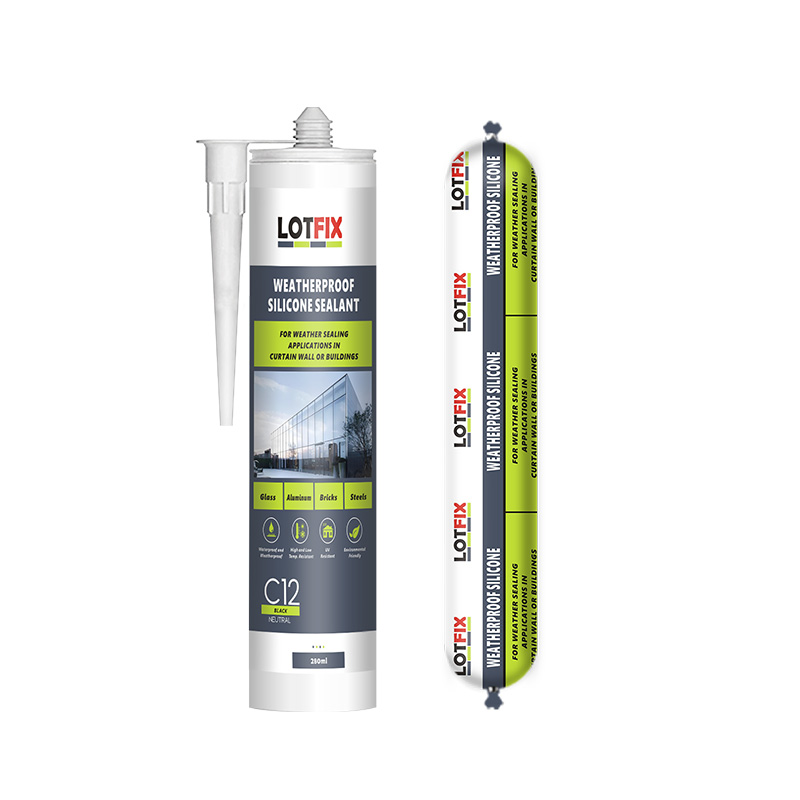
Weatherproof silicone sealant is used to seal exterior joints that are exposed to sunlight, rain, wind, temperature changes, and building movement. In exterior projects, the sealant does more than fill a gap. It helps prevent water penetration, protects joint edges, improves long-term facade performance, and keeps the building envelope more stable under outdoor conditions.
For buyers, the key point is to match the sealant with the actual project. A general silicone sealant may work for simple indoor sealing, but exterior joints usually require better UV resistance, weather resistance, adhesion stability, and flexibility.
Weatherproof silicone sealant is mainly used in exterior construction areas where joints need to remain sealed for a long time. These areas usually face direct sunlight, rainwater, dust, thermal expansion, and repeated movement between different building materials.
Used around aluminum, PVC, or coated frames to reduce water leakage and improve exterior joint sealing.
Applied between glass, aluminum profiles, panels, and other facade components exposed to outdoor weather.
Helps seal gaps between exterior wall panels, metal cladding, stone-related systems, and coated surfaces.
Suitable for certain weather-exposed joints around roof edges, exterior trims, flashing areas, and connection gaps.
Exterior joints are exposed to sunlight for years. If the sealant has poor UV resistance, it may become hard, crack, discolor, shrink, or lose adhesion faster. Once the sealant fails, rainwater can enter the joint and cause leakage, staining, mold, corrosion, or damage to surrounding materials.
UV resistance helps weatherproof silicone sealant maintain elasticity, surface stability, and sealing performance under long-term sunlight exposure.
For exterior projects, UV resistance is important because it helps reduce:
• Surface cracking after long exposure
• Hardening and loss of flexibility
• Adhesion failure on facade materials
• Water leakage caused by joint failure
• Premature repair or replacement costs
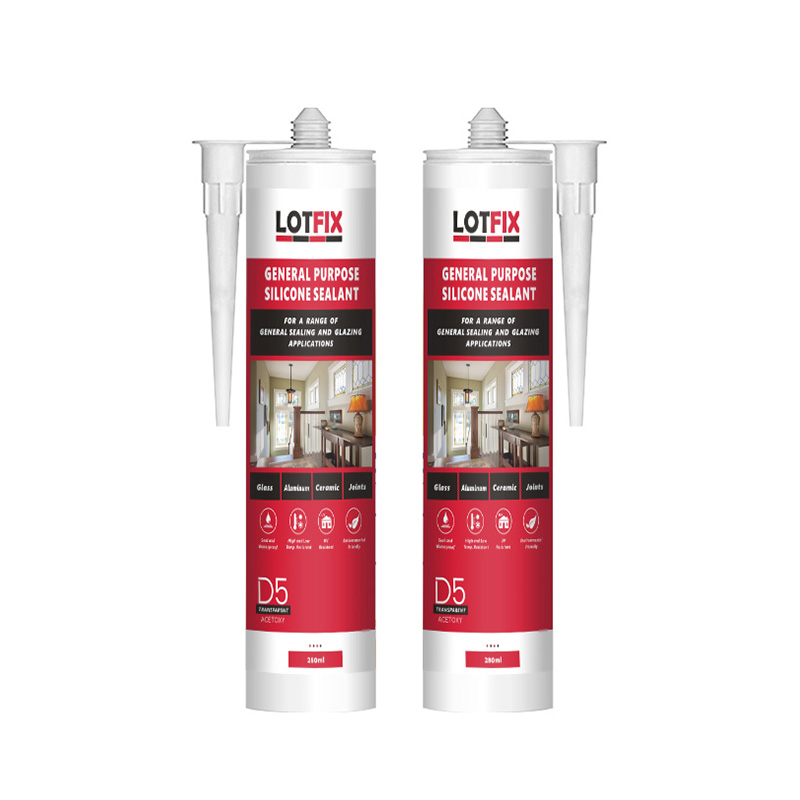
General silicone sealant is often used for basic indoor sealing, small gaps, glass, tiles, kitchens, bathrooms, or household applications. Weatherproof silicone sealant is designed for exterior use, where the product must handle more demanding environmental conditions.
| Comparison Point | Weatherproof Silicone Sealant | General Silicone Sealant |
|---|---|---|
| Main use | Exterior joints, facades, windows, doors, curtain walls, exposed gaps | Basic indoor sealing, glass, tiles, simple household gaps |
| Weather exposure | Designed for sunlight, rain, wind, and temperature changes | Usually not intended for demanding exterior exposure |
| UV resistance | Higher requirement for long-term outdoor stability | May be limited depending on formula |
| Joint movement | Better suited for joints affected by expansion and contraction | More suitable for simple and less demanding gaps |
Facade sealing is not only about waterproofing. A facade joint may connect glass, aluminum, coated panels, concrete, stone-related surfaces, or other exterior materials. The sealant must keep adhesion while the building materials expand, contract, and move under different weather conditions.
Confirm whether the joint touches glass, aluminum, coating, concrete, stone, metal panel, or mixed materials.
Consider sunlight intensity, rain, humidity, temperature range, wind pressure, and long-term weather exposure.
Exterior joints may expand and contract, so flexibility and movement capability should match the project condition.
For coated surfaces, stone-related systems, or unfamiliar materials, sample testing helps reduce ordering risk.
Before ordering weatherproof silicone sealant, buyers should confirm:
• The exact application area: window, door, facade, curtain wall, roofline, or exterior gap
• The main substrates: glass, aluminum, concrete, coated panel, stone, or mixed materials
• Whether the sealant needs neutral curing, low odor, or lower corrosion risk
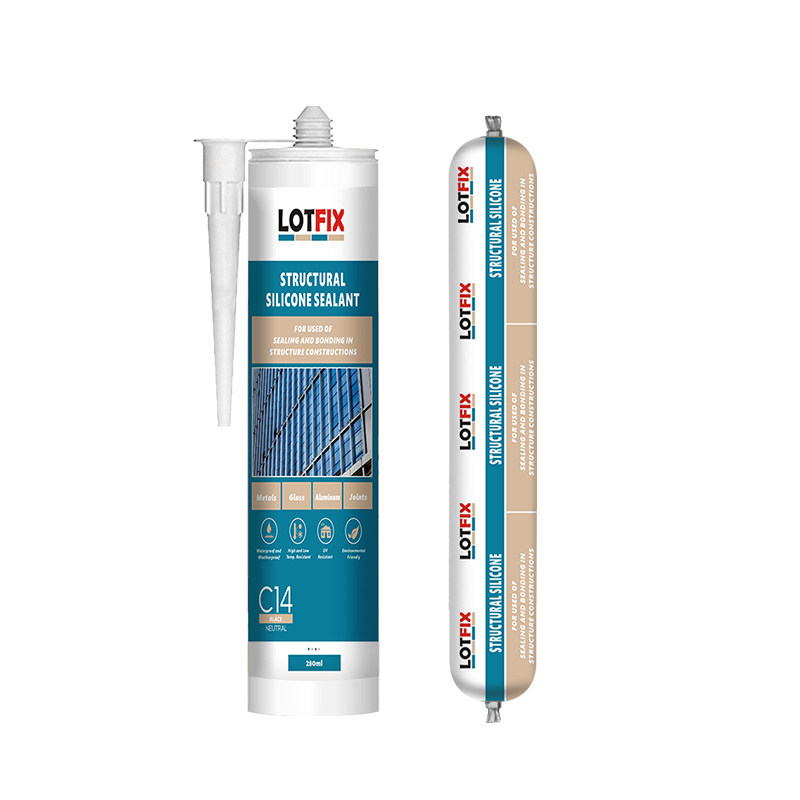
• Required color, cartridge size, sausage pack, carton quantity, and shelf life
• Whether the product is for wholesale, retail, construction project, or OEM packaging
• Whether samples are needed for adhesion and curing tests before bulk order
For importers, distributors, and project buyers, the safest approach is to describe the application first, then choose the sealant type. Weatherproof silicone sealant is usually a better fit when the joint is exposed to sunlight, rain, outdoor temperature changes, and long-term movement.
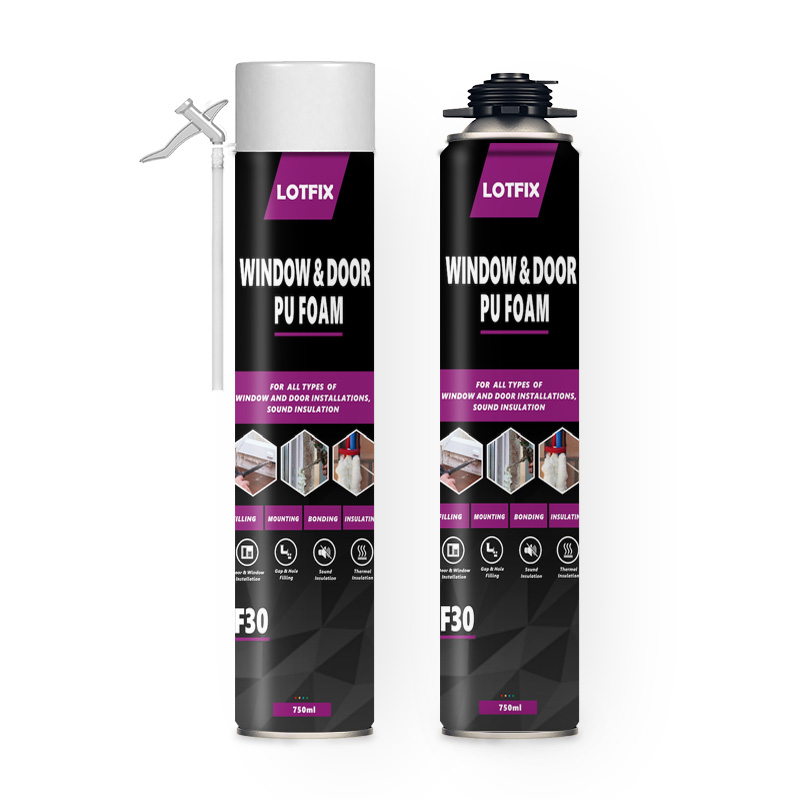
LOTFIX provides silicone sealant and related sealing products for construction, distribution, and exterior project applications. If you are comparing weatherproof silicone sealant, neutral silicone sealant, acetic silicone sealant, PU foam, or other sealing solutions, you can visit the LOTFIX homepage to learn more about available product options.
For product selection, sample requests, packaging details, or OEM cooperation, please contact us and share your application requirements.
Visit LOTFIX Homepage Contact LOTFIX