Mobile / WhatsApp
E-mail
Two parts structural silicone sealant is used in structural glazing, curtain wall, and professional facade systems where controlled curing, strong adhesion, and reliable bonding performance are required. Compared with general sealing products, a two-component structural system is selected for designed glass and frame bonding applications, not for simple gap filling or ordinary waterproofing.
For project buyers and facade contractors, the main question is not only whether the sealant is strong. They also need to confirm mixing ratio, working time, curing speed, adhesion to project substrates, compatibility with system materials, and whether the product matches the project design and testing requirements.
Two-part structural sealant contains a base component and a curing agent component. After mixing, the sealant cures through a controlled chemical reaction. This makes it useful for facade factories and curtain wall production where faster handling, predictable curing, and consistent structural bonding performance are important.
In simple terms, two-part structural silicone sealant is chosen when the project needs controlled curing and structural bonding performance in a designed glazing or facade system.
The curing process depends on the mixed components, helping production teams manage curing and handling time more predictably.
Suitable for curtain wall workshops and facade production lines where many panels need consistent bonding.
Used where the sealant becomes part of the designed bonding system between glass, metal frames, or facade components.
A stable two-component system supports repeatable performance when mixing, application, and substrate preparation are controlled.
Two parts structural silicone sealant is mainly used in professional glass and facade systems. It is not intended for ordinary household sealing. The product should be selected according to project design, glass type, frame material, joint dimension, exposure conditions, and required testing.
| Application Area | How It Is Used | Buyer Concern |
|---|---|---|
| Structural glazing | Bonds glass to compatible metal frames in a designed glazing system. | Adhesion, compatibility, design joint size, and technical approval. |
| Curtain wall panels | Used in factory-applied curtain wall bonding and facade panel production. | Curing speed, handling strength, batch stability, and production efficiency. |
| Glass and aluminum systems | Supports bonding between glass and aluminum or coated metal substrates. | Compatibility with coating, primer requirement, and long-term weather exposure. |
Important: structural silicone sealant should be used only according to project specifications, substrate testing, compatibility testing, and professional application requirements.
One-part and two-part structural silicone sealants can both be used in professional applications, but they serve different production needs. One-part systems are simpler to use and cure with moisture from the air. Two-part systems require mixing, but they can offer faster and more controlled curing for factory production.
| Comparison Point | One-Part Structural Sealant | Two-Part Structural Sealant |
|---|---|---|
| Curing method | Cures with atmospheric moisture | Cures after base and curing agent are mixed |
| Application convenience | Easier to use for smaller applications or less complex work | Requires mixing equipment and controlled processing |
| Production efficiency | Curing may be slower in deep joints or low-humidity conditions | Better suited for factory production and faster handling requirements |
| Best fit | Smaller projects, repair work, or applications where one-component simplicity is preferred | Curtain wall workshops, structural glazing production, and high-volume facade bonding |
Procurement teams should not judge two parts structural silicone sealant only by packaging or price. For structural glazing and curtain wall systems, technical data, project testing, and production compatibility are central to safe and stable use.
The base-to-curing-agent ratio must match the equipment and product specification to support stable curing.
The material should remain workable long enough for production but cure fast enough for efficient handling.
Adhesion should be verified on the actual glass, aluminum, coated metal, or project substrate.
Sealant should be compatible with spacers, gaskets, coatings, setting blocks, and other facade system materials.
Buyers often check performance data such as:
• Tensile strength and elongation
• Modulus and movement capability
• Cure rate and handling time
• Adhesion to approved substrates
• Weathering and UV resistance
• Shelf life and storage conditions
• Technical data sheet and project testing support
Before ordering two parts structural silicone sealant, buyers should confirm both project requirements and production conditions. This helps reduce the risk of wrong product selection, mixing problems, slow curing, poor adhesion, or compatibility issues on the facade system.
Before placing an order, confirm:
• Whether the application is structural glazing, curtain wall bonding, facade panel production, or another glass system
• The exact substrates: glass, aluminum, coated metal, spacer, gasket, or other system materials
• Required mixing ratio, equipment compatibility, pot life, and curing speed
• Required technical data, adhesion testing, and compatibility testing
• Packaging form, storage conditions, shelf life, and project delivery schedule
• Whether samples are needed for production trials before bulk purchase
The safest purchasing method is to treat two parts structural silicone sealant as a project-specific product. It should be selected with technical review, substrate information, production conditions, and facade system requirements clearly confirmed in advance.
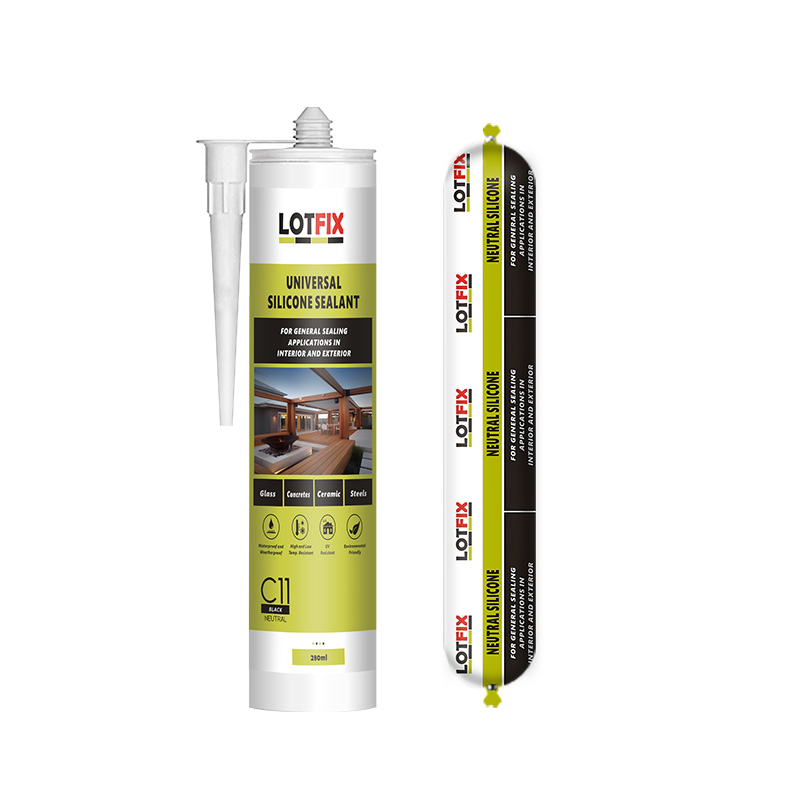
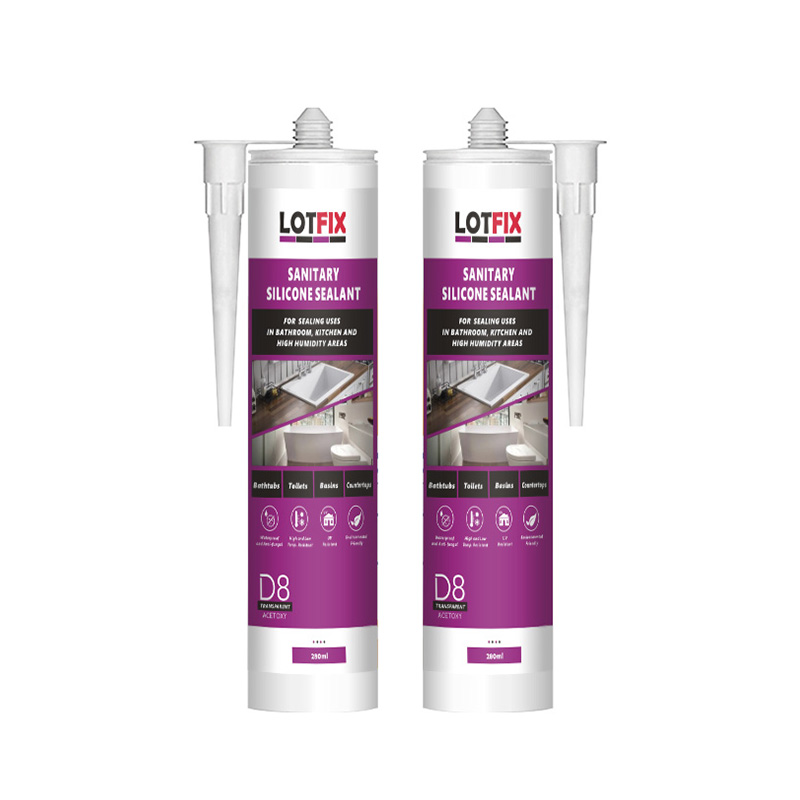
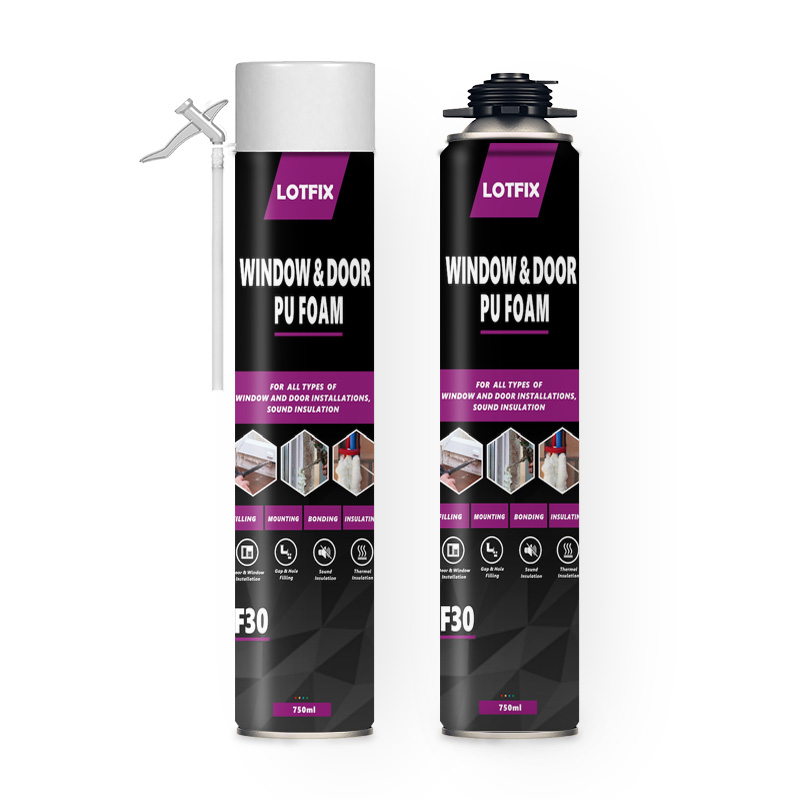
LOTFIX provides silicone sealant and related sealing products for construction, glass, facade, distribution, and project applications. If you are comparing two parts structural silicone sealant, insulating-glass silicone sealant, weatherproof silicone sealant, neutral silicone sealant, PU foam, or other sealing solutions, you can visit the LOTFIX homepage to learn more about available product options.
For product selection, sample requests, packaging details, or OEM cooperation, please contact us and share your application requirements.
Visit LOTFIX Homepage Contact LOTFIX