Mobile / WhatsApp
E-mail
Sealant packaging affects how the product is sold, stored, shipped, applied, and accepted by the target market. Cartridges, sausages, tubes, drums, and cans are not just different containers. Each packaging type fits different users, application methods, order volumes, and sales channels.
For importers, distributors, project buyers, and private label customers, choosing the right packaging is as important as choosing the right sealant formula. A good product may still face complaints if the packaging size, label language, carton quantity, nozzle, valve, or storage requirement does not match local usage habits.
Different buyers use sealants in different ways. Retail customers often prefer easy-to-use cartridges or tubes. Contractors may prefer cartridges, sausages, or gun-applied products for daily work. Factories and high-volume users may need drums or larger packaging for machine application.
| Packaging Type | Common Buyer Type | Typical Use |
|---|---|---|
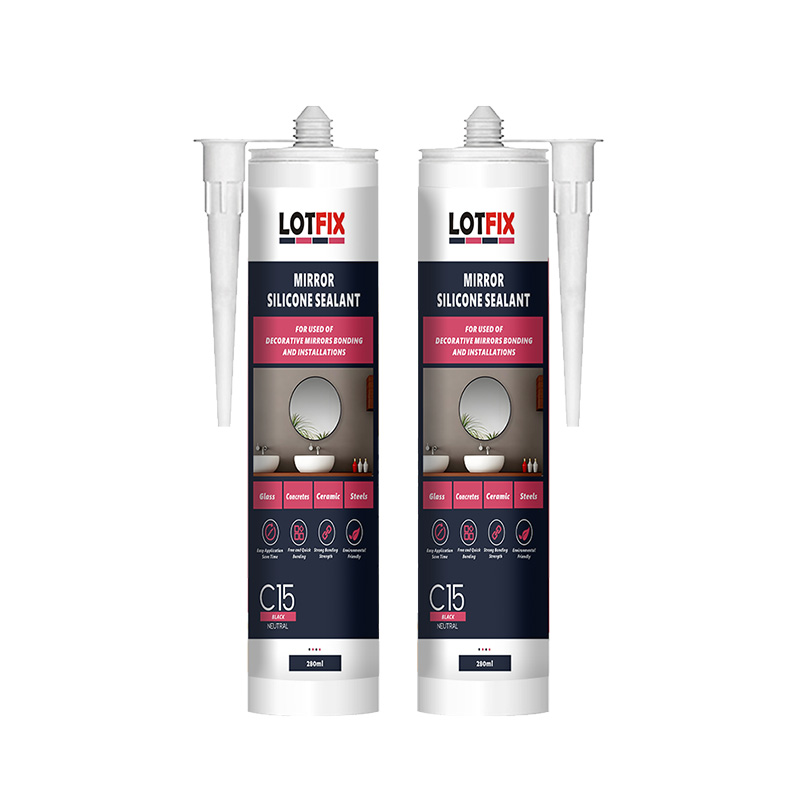
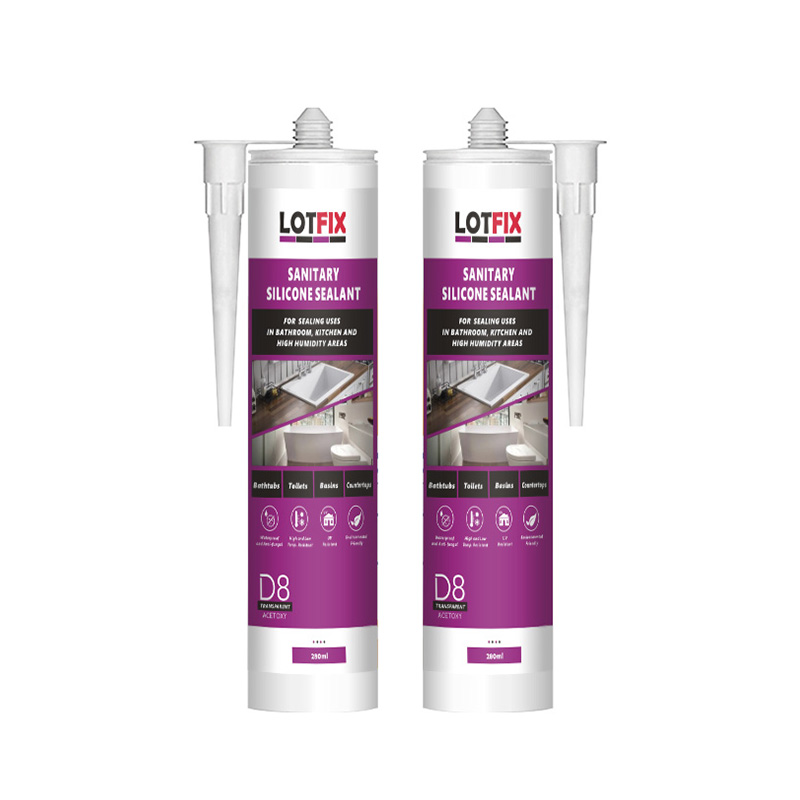
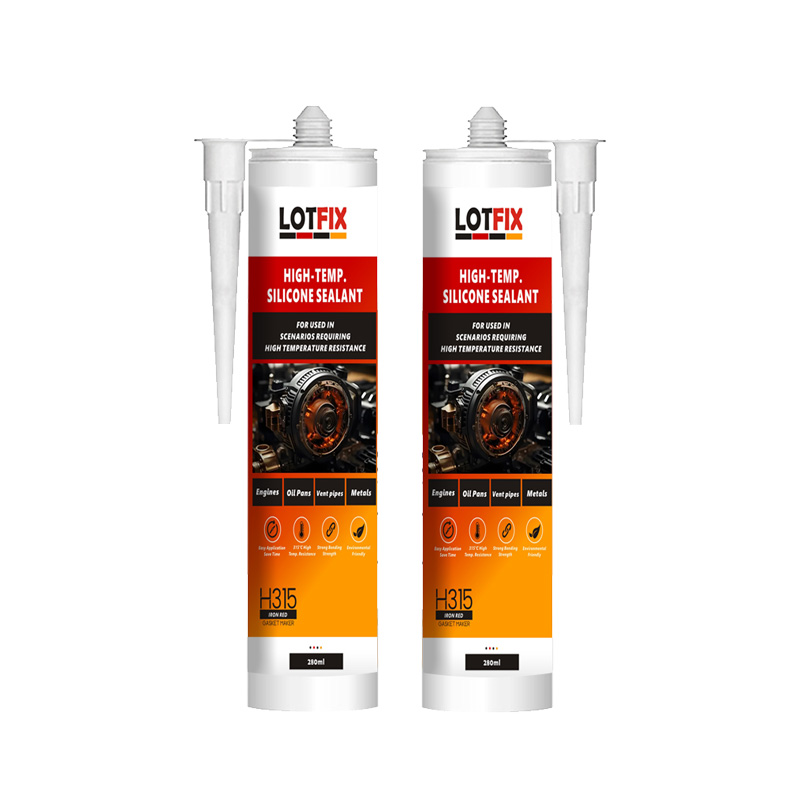
| Cartridges | Retail buyers, installers, hardware stores, distributors | Silicone sealant for windows, doors, bathrooms, kitchens, glass, and general construction joints. |
| Sausage packs | Contractors, project users, professional installers | Higher-volume application with less packaging waste and better job-site efficiency. |
| Tubes | Retail users, DIY users, small repair customers | Small repair, household use, simple gaps, and low-volume applications. |
| Drums | Factories, production lines, glass processors, project manufacturers | Machine application, two-component systems, insulating glass, structural glazing, and bulk industrial use. |
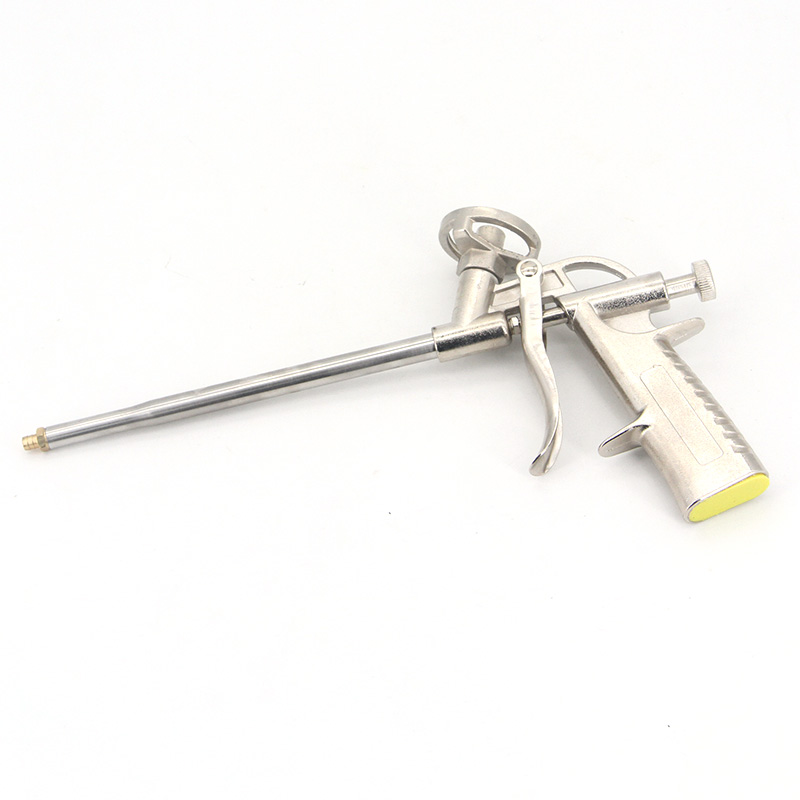
| Cans | PU foam users, contractors, retail hardware buyers | PU foam, gun foam, straw foam, winter foam, fire retardant foam, and foam cleaner. |
Packaging should follow the way the product will be sold and used. Retail packaging needs clear appearance and easy understanding. Project packaging needs efficiency and stable supply. Factory packaging needs compatibility with machines, storage conditions, and production workflow.
Needs clear label design, easy product name, local language, barcode, safety warning, and shelf-friendly carton packing.
Needs stable quality, efficient application, correct batch marking, easy handling, and suitable packaging for repeated job-site use.
Needs drum, pail, or two-component packaging that matches dispensing equipment, mixing ratio, and production speed.
A practical rule: retail packaging sells the product visually, project packaging supports efficient use, and factory packaging must match equipment and production control.
Sealant packaging affects carton size, pallet loading, container quantity, storage stability, leakage risk, and warehouse handling. For international buyers, packaging is not only a product detail. It can directly affect freight cost, damage rate, delivery planning, and customer experience.
| Packaging Factor | Why Buyers Should Check It |
|---|---|
| Carton quantity | Affects warehouse counting, retail distribution, container loading, and customer order planning. |
| Leakage protection | Poor packaging can cause cartridge leakage, can damage, valve issues, or messy cartons during shipping. |
| Pallet loading | Important for importers calculating freight cost, storage space, and unloading efficiency. |
| Storage condition | Sealants and PU foam need proper temperature, shelf life, and storage control to keep stable performance. |
Each packaging type has its own role. Buyers should choose based on application method, sales channel, user skill level, and order scale instead of copying another market blindly.
Easy to sell, easy to apply, and widely accepted in hardware stores, construction channels, and household repair markets.
Good for professional users who need larger volume, less packaging waste, and efficient site application.
Suitable for small repairs, DIY customers, and retail products where convenience is more important than volume.
Used for factory production, machine dispensing, two-component systems, and high-volume professional applications.
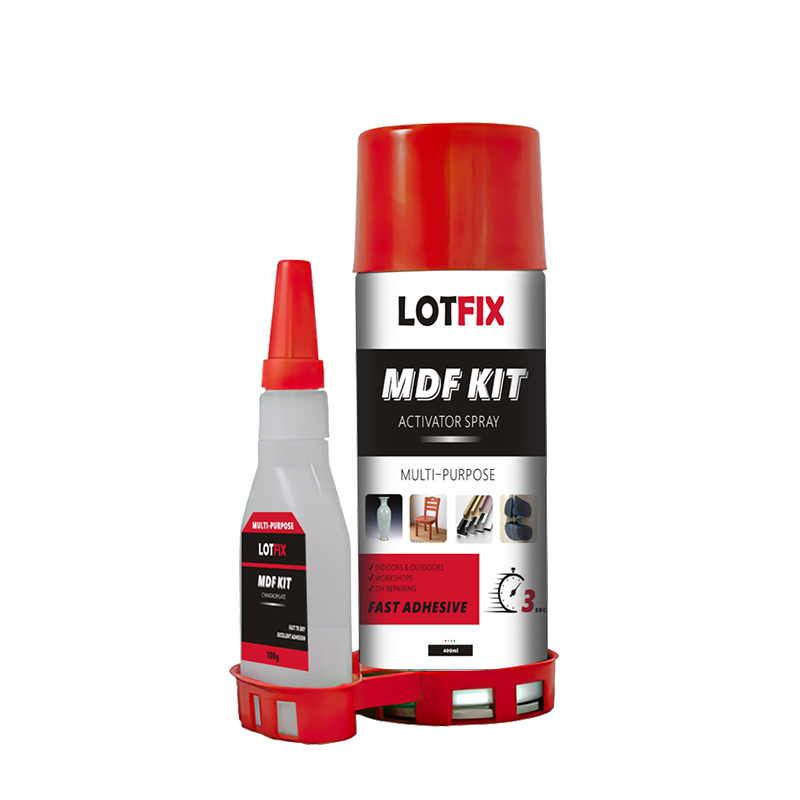
Mainly used for PU foam and PU foam cleaner, where valve quality, adapter type, yield, and label information are important.
Before confirming sealant packaging, buyers should check:
• Product type: silicone sealant, PU foam, PU foam cleaner, structural sealant, IG sealant, or other sealing product
• Packaging type: cartridge, sausage, tube, drum, pail, can, or two-component set
• Packaging size, net content, nozzle, cap, valve, straw, gun adapter, or dispensing equipment compatibility
• Carton quantity, carton size, carton printing, shipping mark, pallet loading, and container loading plan
• Label design, barcode, product name, color, local language, warning text, and application instructions
• Shelf life, storage conditions, batch number, production date format, and traceability requirement
• Whether OEM packaging or private label design is required
Important: packaging should be confirmed before bulk production, not after the product is ready. Wrong packaging can delay shipment, increase cost, or create market complaints even if the formula is correct.
The safest purchasing method is to choose packaging based on real users and sales channels. If the product is for retail shelves, packaging presentation matters more. If it is for contractors, application efficiency matters more. If it is for factory production, equipment compatibility and bulk handling are the priority.
LOTFIX provides silicone sealant, PU foam, PU foam cleaner, and related sealing products for construction, distribution, OEM, private label, and project applications. If you are comparing cartridges, sausages, tubes, drums, cans, or customized packaging options, you can visit the LOTFIX homepage to learn more about available product options.
For product selection, sample requests, packaging details, or OEM cooperation, please contact us and share your application and market requirements.
Visit LOTFIX Homepage Contact LOTFIX