Mobile / WhatsApp
E-mail
Comparing sealant samples before final approval helps buyers confirm whether the product, packaging, color, application performance, and market presentation are ready for bulk order. For silicone sealant and PU foam, sample approval should not depend only on appearance. Buyers should test curing, adhesion, extrusion, foam expansion, packaging details, and whether the sample matches the agreed version.
For importers, distributors, wholesalers, and private label buyers, sample comparison is the last practical checkpoint before production. A clear approval process can reduce wrong formula selection, wrong label printing, inconsistent packaging, and customer complaints after delivery.
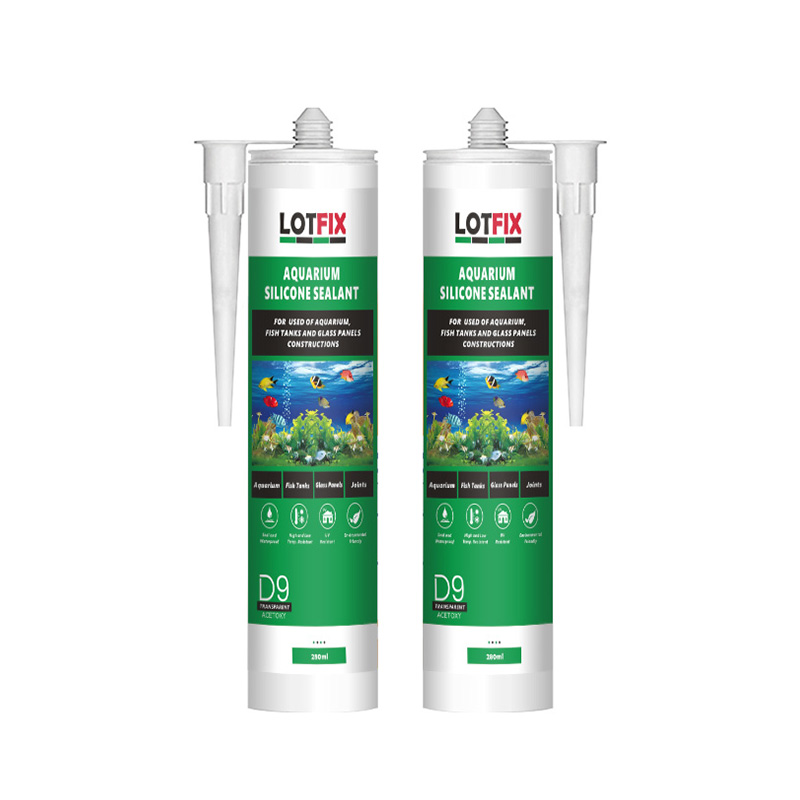
Silicone sealant samples should be tested according to the real application. A sample for bathroom use should not be judged the same way as a sample for facade, mirror, roof, or general construction sealing. Buyers should check workability first, then curing, adhesion, color, odor, and surface appearance after curing.
| Testing Item | What to Check | Why It Matters |
|---|---|---|
| Extrusion | Whether the sealant comes out smoothly and evenly | Affects installer experience and application speed. |
| Curing behavior | Skin time, tack-free time, and final curing condition | Helps confirm whether the product fits user expectations. |
| Adhesion | Bonding to glass, aluminum, tile, concrete, mirror backing, or target substrate | Wrong substrate matching may cause failure after installation. |
| Color and finish | Clear, white, black, gray, or custom color after curing | Visible joints need stable color and neat appearance. |
| Curing type | Acetic, neutral, sanitary, weatherproof, or other formula type | The wrong curing system may not fit sensitive materials or project requirements. |
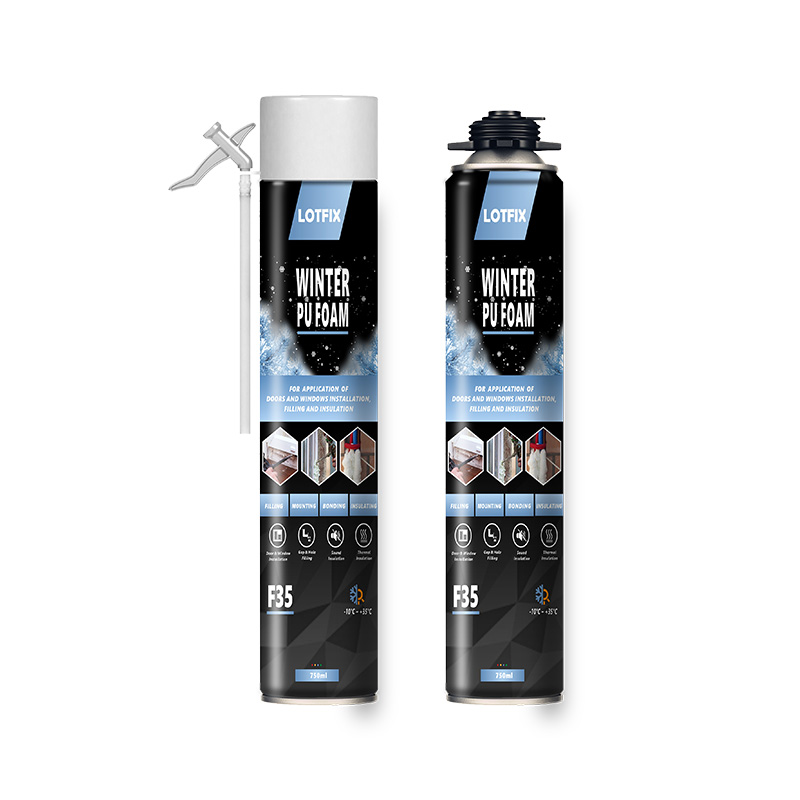
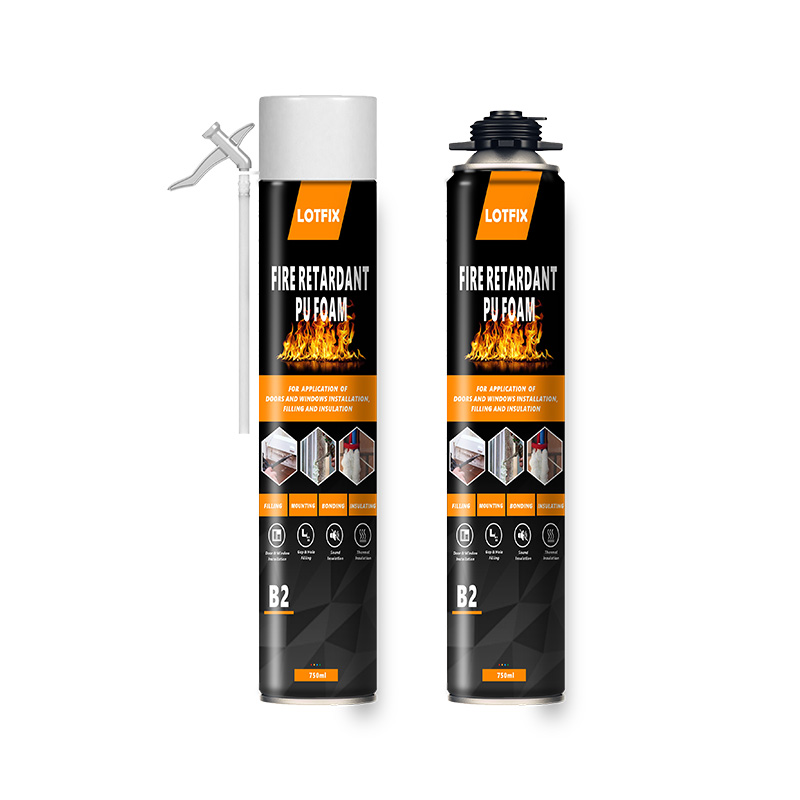
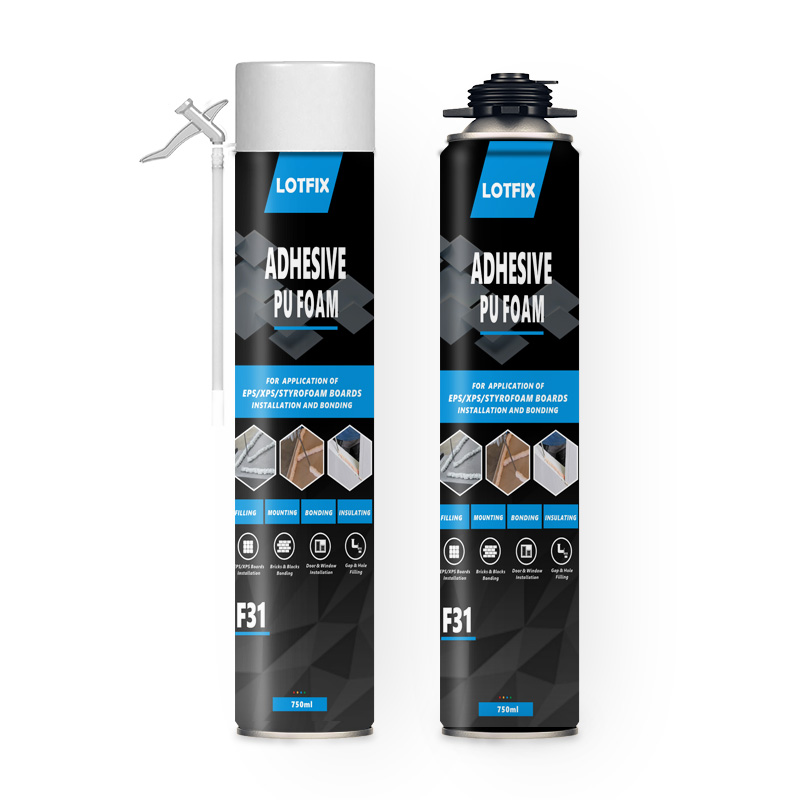
PU foam samples should be tested for real dispensing performance and final foam quality. Buyers should not only check whether foam comes out of the can. They should also observe foam yield, expansion, curing time, cutting time, cell structure, shrinkage, adhesion, and whether the can, valve, straw, or gun adapter works smoothly.
Check whether the foam expands as expected and provides suitable filling volume for the target market.
Observe skin formation, cutting time, and full curing to confirm whether it fits installer workflow.
After curing, check whether the foam has stable cells, acceptable density, and no obvious collapse or shrinkage.
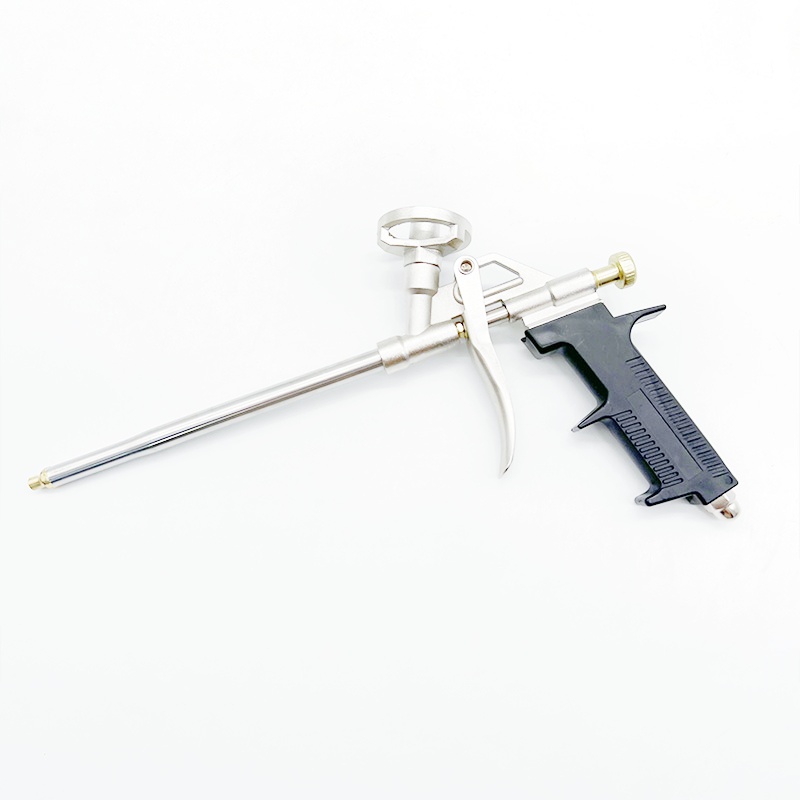
Check if the can dispenses smoothly, the valve works properly, and the straw or gun connection is reliable.
A good PU foam sample should be tested in the same way the final customer will use it: same surface, similar temperature, similar gap size, and same dispensing method.
Packaging confirmation is just as important as product testing, especially for private label orders. The formula may be correct, but if the label, cartridge, can, carton, barcode, language, warning text, or product name is wrong, the bulk order can still create market problems.
| Packaging Item | What to Confirm | Risk if Ignored |
|---|---|---|
| Label artwork | Logo, product name, language, warnings, barcode, and selling points | Wrong label can affect sales, compliance, and brand image. |
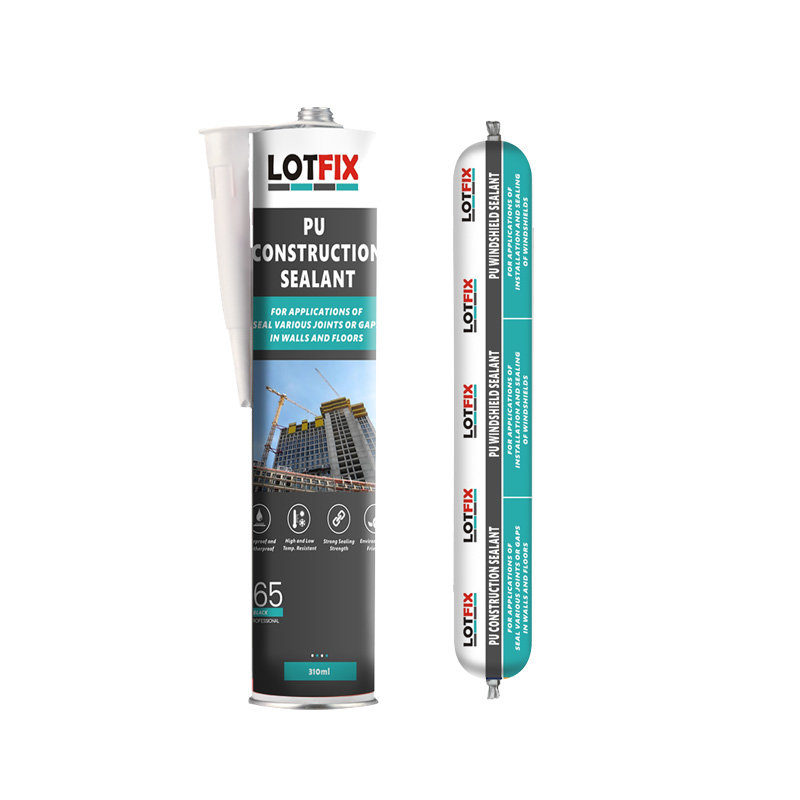
| Packaging size | Cartridge size, sausage pack, foam can size, cleaner can size | Wrong size may not match local market habits. |
| Carton details | Carton quantity, carton printing, shipping mark, pallet loading | Can create warehouse, shipment, or distribution issues. |
| Production information | Batch number, production date, shelf life, storage instructions | Missing information can affect traceability and customer confidence. |
Approving the wrong version is common when buyers compare multiple samples, make packaging revisions, or test different grades at the same time. To avoid confusion, every sample should have a clear code, product type, formula version, packaging version, and approval status.
Important: do not approve a bulk order based on photos alone. Product sample, packaging artwork, and written specification should match before final confirmation.
To avoid approving the wrong version, buyers should:
• Give each sample a clear name or code
• Record formula type, color, packaging size, and application purpose
• Keep approved samples separate from rejected versions
• Confirm label artwork and product sample together
• Save final specifications in writing before production
• Recheck carton, barcode, language, and warning information before printing
Before final approval, buyers should confirm the product version, packaging version, test result, commercial details, and required documents. This is the final checkpoint before bulk production, so the confirmation should be specific and written clearly.
Before final approval, confirm:
• Product type: silicone sealant, PU foam, PU foam cleaner, or other sealant product
• Formula type: acetic, neutral, sanitary, weatherproof, structural, low expansion, winter, fire retardant, or adhesive foam
• Product color, viscosity, extrusion, curing, adhesion, expansion, yield, or other tested performance
• Packaging size, label artwork, carton design, barcode, language, and warning text
• Shelf life, storage conditions, production date format, and batch traceability information
• Technical data sheet, test report, safety information, or market-required documents
• Final order quantity, delivery schedule, shipping mark, and pallet loading if needed
A careful sample comparison process protects both the buyer and the supplier. It helps ensure that the product approved during testing is the same product produced in bulk, with the same packaging, positioning, and expected application performance.
LOTFIX provides silicone sealant, PU foam, PU foam cleaner, and related sealing products for construction, distribution, OEM, and project applications. If you are comparing sealant samples, PU foam samples, private label packaging, or bulk order specifications, you can visit the LOTFIX homepage to learn more about available product options.
For product selection, sample requests, packaging details, or OEM cooperation, please contact us and share your application and market requirements.
Visit LOTFIX Homepage Contact LOTFIX