Mobile / WhatsApp
E-mail
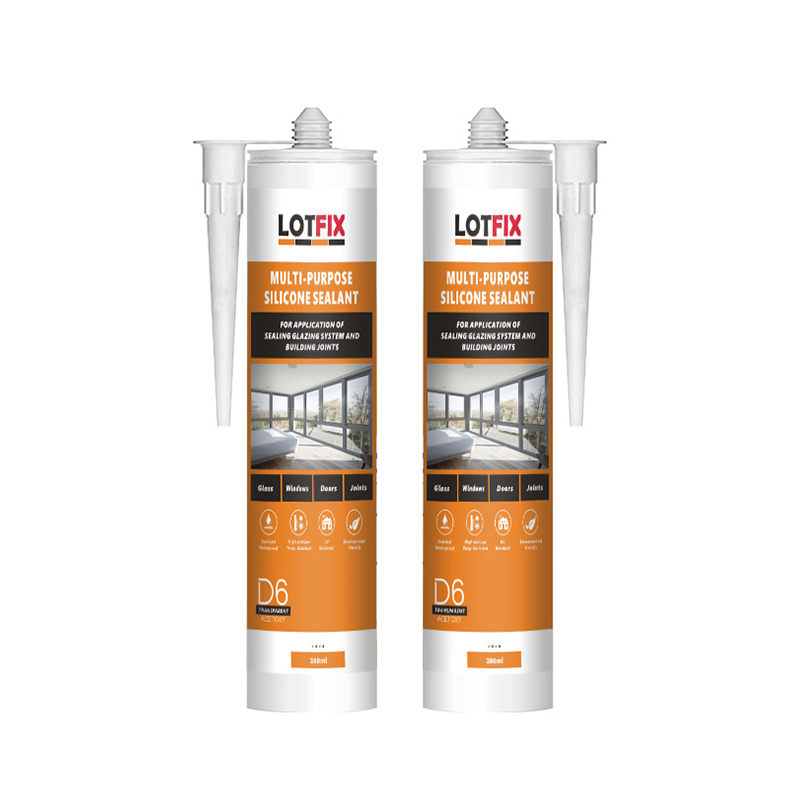
One-component and two-component sealants differ mainly in curing method, application process, equipment requirement, and suitable use scenario. One-component sealants are usually ready to use from cartridges, sausage packs, or drums and cure with moisture or air exposure. Two-component sealants require mixing a base component with a curing agent before application, making them more suitable for controlled production or professional project systems.
For buyers, the right choice is not simply “one-part is simple” or “two-part is stronger”. The decision should depend on where the sealant is applied, who applies it, whether mixing equipment is available, how fast curing is needed, and whether the project requires technical performance data.
Application method is one of the first factors buyers should consider. If the sealant will be used by installers on site, one-component products are often easier to handle. If the sealant will be used in factory production, two-component systems may offer more controlled curing and faster processing.
| Comparison Point | One-Component Sealant | Two-Component Sealant |
|---|---|---|
| Application method | Ready to use from cartridge, sausage pack, or compatible container | Requires base and curing agent mixing before application |
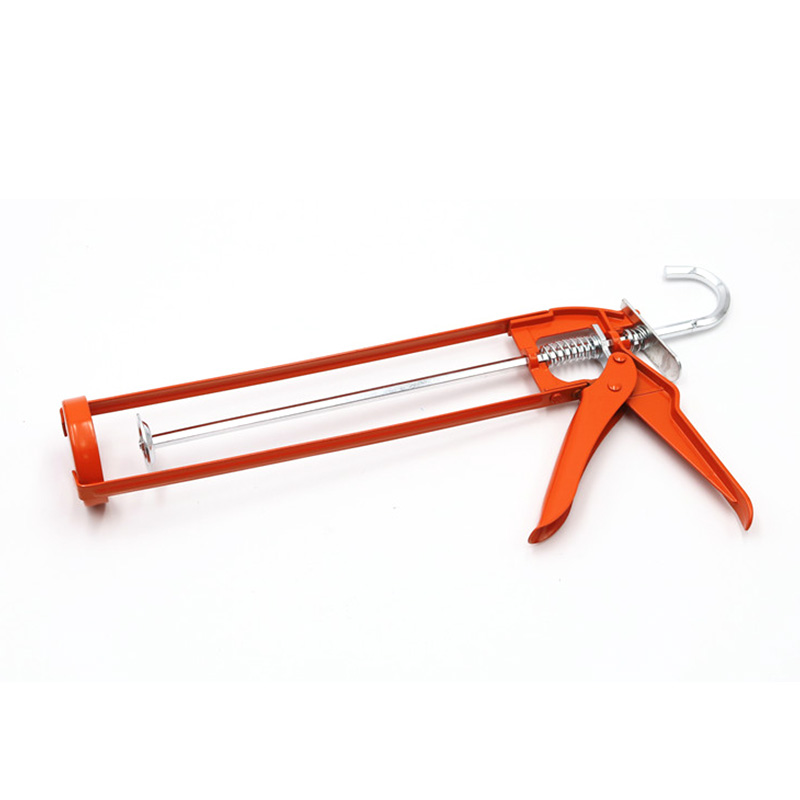
| Equipment need | Manual or pneumatic caulking tools are usually enough | Usually needs mixing and dispensing equipment |
| Curing control | Curing depends on moisture, air exposure, bead size, and conditions | Curing is controlled by mixing ratio and system design |
| Best fit | Site application, retail use, repair work, general construction sealing | Factory production, structural glazing, insulating glass, high-volume processing |
Factory production and site application have different priorities. On site, workers often need convenient packaging, simple application, easy tooling, and stable curing under real construction conditions. In factory production, buyers usually care more about mixing ratio, pot life, curing speed, production efficiency, and batch consistency.
Usually needs ready-to-use products for windows, doors, bathrooms, kitchens, roofs, mirrors, and general construction joints.
Often needs controlled curing and consistent output for insulating glass, curtain wall panels, and repeated production processes.
May require technical data, compatibility testing, adhesion testing, and approval before the product is used in the project.
A practical rule: one-component products are usually easier for field use; two-component products are usually better when controlled production and faster curing are required.
One-part sealants are widely used because they are convenient and easy to apply. They are suitable for many retail, installation, repair, and construction applications where users need a ready-to-use product without mixing equipment.
| One-Part Use Case | Typical Application |
|---|---|
| General construction sealing | Windows, doors, wall gaps, perimeter joints, and basic installation sealing. |
| Sanitary sealing | Bathrooms, kitchens, sinks, tubs, showers, and wet-area joints. |
| Weatherproof sealing | Exterior joints, roof and gutter details, windows, doors, and selected facade gaps. |
| Retail and repair use | Small repair work, household use, hardware stores, and general market distribution. |
Two-part sealants are commonly used in professional systems where curing control, bonding performance, and production efficiency matter. They are often selected by factories, facade contractors, and project users rather than ordinary retail customers.
Two-part IG sealants are used for secondary sealing in insulating glass units where factory processing and curing control matter.
Two-part structural silicone sealants can be used in designed facade or curtain wall systems with technical review and testing.
Used when factories need predictable curing, production rhythm, and consistent performance across repeated output.
Important: two-component sealants require correct mixing ratio, proper equipment, and trained operation. Wrong mixing can affect curing, adhesion, and final performance.
Before choosing one-component or two-component sealants, buyers should confirm:
• Application method: site application, retail use, repair work, factory production, or project installation
• Product type: silicone sealant, structural sealant, insulating-glass sealant, PU sealant, or related product
• Required curing speed, working time, tooling time, and handling time
• Whether mixing equipment and trained operators are available
• Target substrates, such as glass, aluminum, coated metal, concrete, ceramic, or other materials
• Packaging requirement: cartridge, sausage pack, drum, pail, two-part set, or machine-applied system
• Required technical data, test reports, sample testing, or project approval documents
The safest purchasing method is to start with the real use scenario. If the product will be used by installers on site, one-component sealants are often more practical. If the product will be used in controlled production or technical project systems, two-component sealants may be the better option.
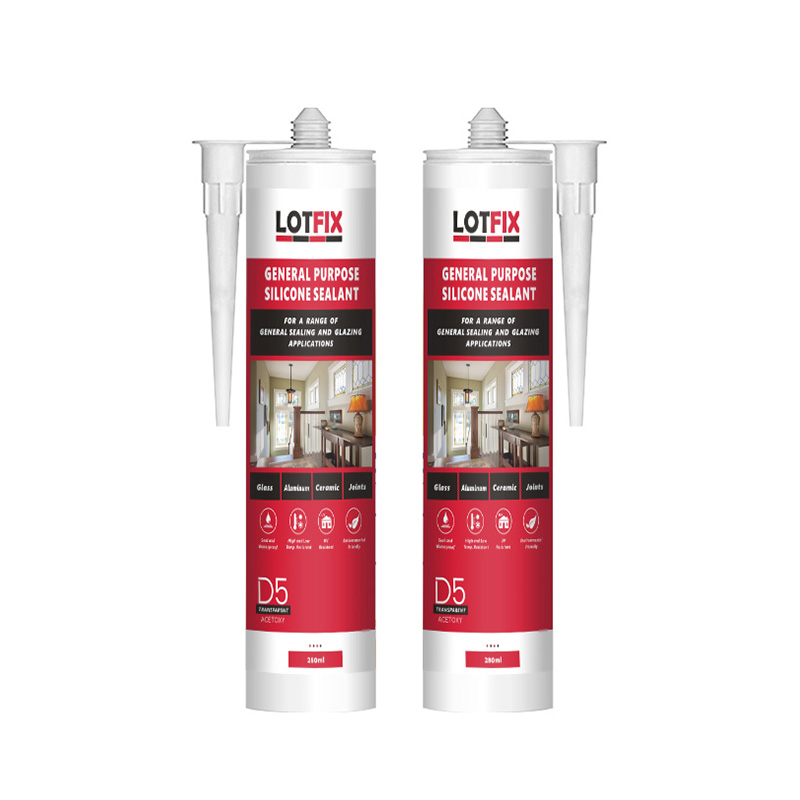
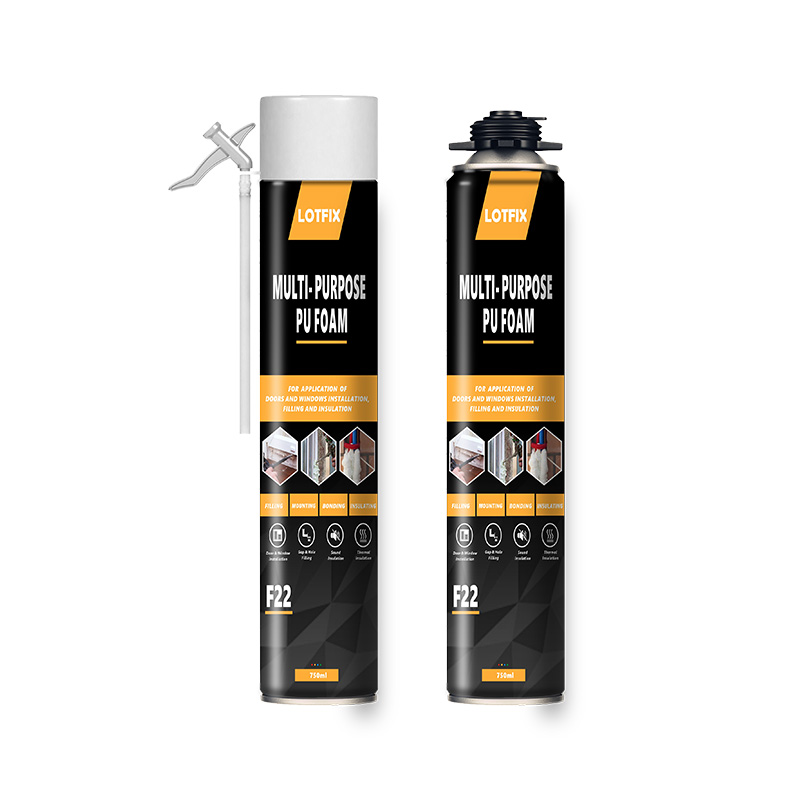
LOTFIX provides silicone sealant, PU foam, PU foam cleaner, and related sealing products for construction, glass, facade, distribution, OEM, and project applications. If you are comparing one-component sealants, two-component sealants, structural silicone sealant, insulating-glass sealant, PU foam, or other sealing solutions, you can visit the LOTFIX homepage to learn more about available product options.
For product selection, sample requests, packaging details, or OEM cooperation, please contact us and share your application and market requirements.
Visit LOTFIX Homepage Contact LOTFIX