Mobile / WhatsApp
E-mail
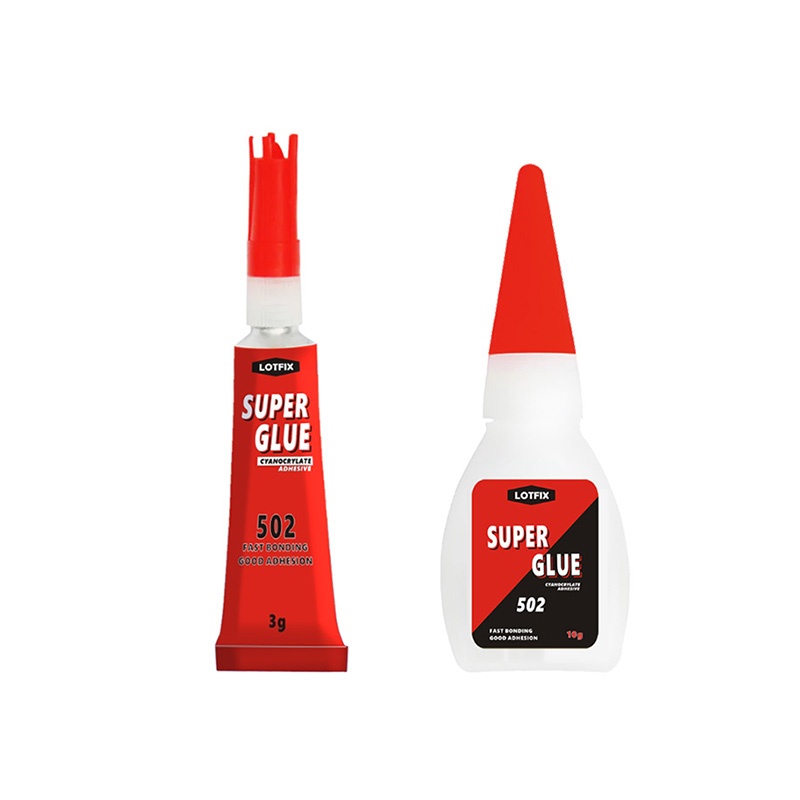
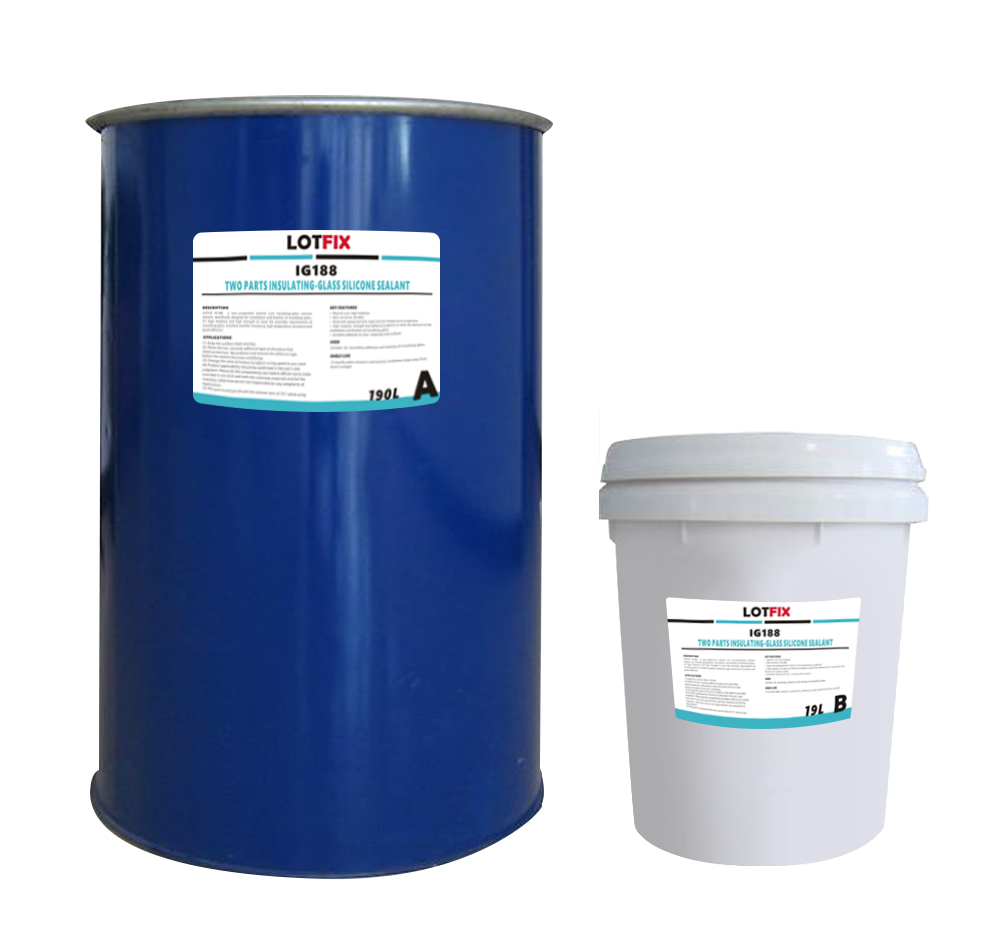
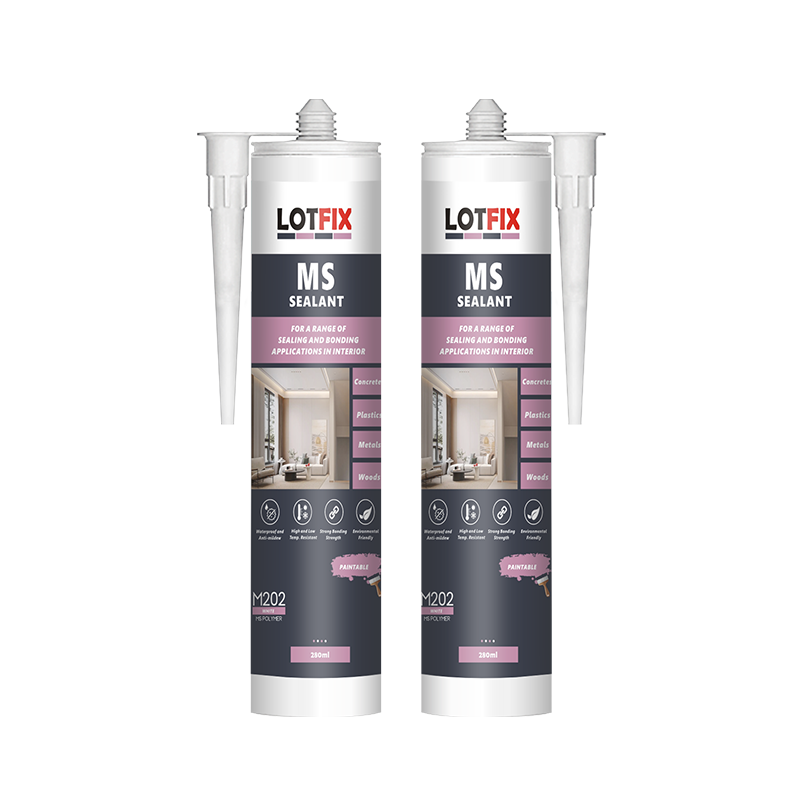
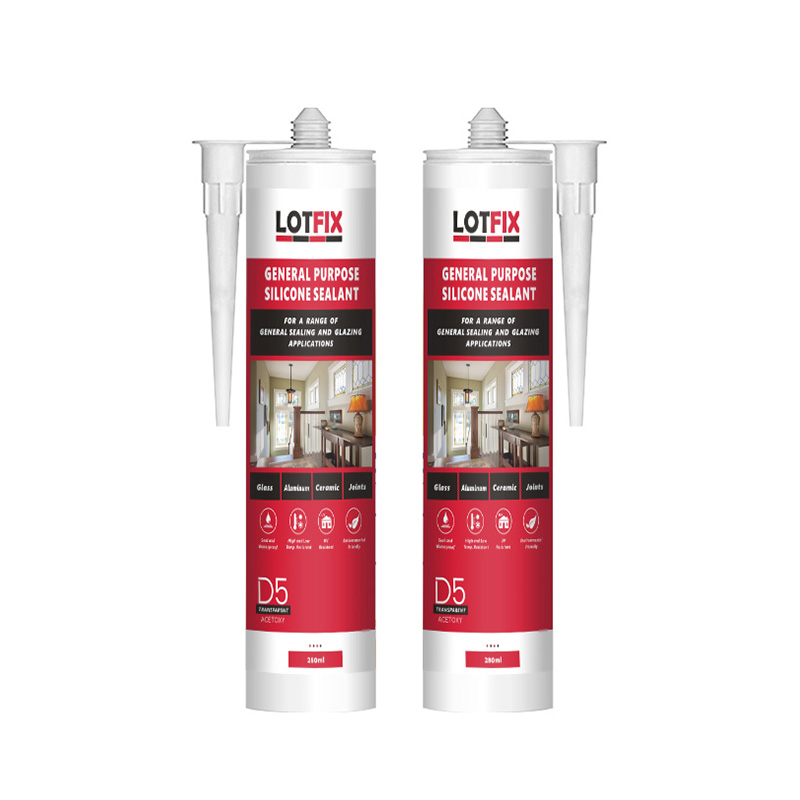
Private label sealants allow importers, distributors, wholesalers, and brand owners to sell silicone sealant, PU foam, and related sealing products under their own brand. Customization usually includes label design, cartridge or can size, carton packing, color, language, barcode, product positioning, and sometimes formula selection based on the target market.
For buyers, private label is not only about printing a logo. A good private label product should match local customer habits, application needs, shelf display, legal information, packaging expectations, and repeat-order stability.
Most private label buyers start with visible packaging elements because these directly affect market presentation. However, the product inside should be confirmed at the same time. A strong-looking label cannot replace the right formula, suitable application grade, stable quality, and proper technical information.
Logo, product name, color style, selling points, warning text, barcode, and language layout are usually customized first.
Buyers should choose acetic, neutral, sanitary, weatherproof, structural, PU foam, fire retardant foam, or other product types.
Common sealant colors include clear, white, black, gray, and market-specific colors; packaging size should match local sales habits.
Carton design, quantity per carton, shipping mark, pallet loading, and storage information should be confirmed clearly.
Private label products must fit the way customers buy and use sealants in the target market. For silicone sealant, cartridge size, nozzle, label style, and carton quantity are important. For PU foam, can size, straw or gun type, valve quality, yield positioning, and warning information are especially important.
| Customization Item | Common Options | Why It Matters |
|---|---|---|
| Sealant cartridge | Common cartridge sizes, custom label, nozzle, cap, carton packing | Affects retail shelf display, user habit, and local market acceptance. |
| PU foam can | Straw type, gun type, can size, valve, adapter, printed label, carton | Affects application method, customer experience, and repeat purchase. |
| Language and warning text | English, local language, safety warnings, storage instructions, application guidance | Helps buyers meet market communication and user instruction needs. |
| Market positioning | Professional grade, general purpose, sanitary, weatherproof, fire retardant, winter use | Clear positioning helps the product match the right customers and applications. |
Private label makes sense when buyers want to build their own brand, improve market control, create differentiated packaging, or supply stable products to distributors and contractors. It is especially useful when the buyer already understands local demand and wants a sealant or PU foam line that looks consistent and professional.
Private label helps build a recognizable product line instead of only reselling generic factory brands.
Customized packaging can make products easier to sell on shelves, online stores, and local hardware channels.
A stable private label product can support repeated use in construction, installation, maintenance, and project work.
A clear inquiry helps the supplier recommend the right product and packaging plan faster. Instead of only asking for “private label sealant price”, buyers should share product type, application, target market, packaging preference, expected quantity, and whether design support or sample testing is needed.
Before sending an inquiry, prepare:
• Product type: silicone sealant, PU foam, PU foam cleaner, or related accessory
• Application: bathroom, kitchen, window, door, facade, mirror, roof, insulation, or general construction
• Packaging size: cartridge, sausage pack, foam can, cleaner can, or carton quantity
• Brand materials: logo, label draft, color style, barcode, and market language
• Product positioning: economy, standard, professional, weatherproof, sanitary, fire retardant, winter use, or premium grade
• Target order quantity and delivery plan
• Required documents, test reports, or technical data sheets
Important: private label projects should confirm both packaging and product performance. Good design is valuable, but the formula must match the real application.
Before final production, buyers should confirm samples, packaging artwork, product specification, carton details, and shipment requirements. This reduces the risk of wrong labels, wrong colors, wrong product type, or market complaints after delivery.
| Before Production | What to Confirm |
|---|---|
| Product sample | Check curing, adhesion, color, extrusion, foam yield, packaging feel, and application performance. |
| Label artwork | Confirm logo, product name, language, warnings, barcode, batch information, and design layout. |
| Carton and shipping | Confirm carton quantity, carton printing, pallet loading, production date, shelf life, and shipping mark. |
| Documents | Confirm technical data sheet, test report, safety information, or other market-required documents. |
Private label sealants work best when buyers combine clear branding with the right product selection. A strong private label line should look professional, perform consistently, and match the needs of the local market.
LOTFIX provides silicone sealant, PU foam, PU foam cleaner, and related sealing products for construction, distribution, OEM, and private label applications. If you are planning a private label sealant line or comparing packaging options, you can visit the LOTFIX homepage to learn more about available product options.
For product selection, sample requests, packaging design, or OEM cooperation, please contact us and share your application and market requirements.
Visit LOTFIX Homepage Contact LOTFIX