Mobile / WhatsApp
E-mail
Sanitary silicone sealant is used in wet and humid areas such as bathrooms, kitchens, toilets, laundries, sinks, bathtubs, shower rooms, and countertops. Its main purpose is to seal joints against water while helping reduce mold growth on exposed sealant surfaces.
For buyers, the important point is that sanitary sealant is not just “normal silicone used in a bathroom”. It should be selected for moisture exposure, cleaning conditions, joint location, substrate compatibility, appearance, and anti-fungal performance.
Ordinary silicone sealants may provide basic waterproofing and gap filling, but sanitary silicone sealant is formulated for areas with frequent moisture, soap residue, condensation, and cleaning exposure. In these areas, the sealant must keep a neat surface, resist water, and help slow down mold growth.
A simple way to understand it: ordinary sealant fills and seals the joint; sanitary silicone sealant is designed for wet-area sealing where mold resistance and clean appearance matter more.
| Comparison Point | Sanitary Silicone Sealant | Ordinary Silicone Sealant |
|---|---|---|
| Main use | Bathrooms, kitchens, sinks, tubs, showers, wet joints | General sealing, glass, tiles, windows, doors, basic gaps |
| Moisture exposure | Designed for frequent humidity and water contact | Depends on formula and intended application |
| Anti-fungal performance | Helps reduce mold growth on the sealant surface | May not include anti-fungal additives |
| Appearance concern | Clean line and stain resistance are important | Appearance depends on application and environment |
Anti-fungal performance matters most in joints that stay damp, collect soap residue, receive water splashes, or have poor ventilation. These areas are more likely to develop black spots, staining, or mold on the sealant surface if the product is not suitable or if the joint is not maintained properly.
Shower corners, glass partitions, and floor-wall joints are exposed to water, steam, and soap residue every day.
Tub edges need a flexible waterproof seal because movement, moisture, and cleaning chemicals are common.
Sink joints are exposed to water, food residue, detergent, and frequent wiping, so clean surface performance matters.
Countertop-to-wall and backsplash joints need a neat, water-resistant seal for daily kitchen use.
Sanitary silicone sealant is best used in areas where water sealing, flexibility, and clean appearance are required. It is especially useful where tiles, glass, ceramic, acrylic, enamel, stainless steel, stone-related surfaces, or countertops meet each other.
| Area | Typical Joint | Why Sanitary Sealant Helps |
|---|---|---|
| Bathroom | Shower glass, bathtub edge, vanity basin, tile corners | Improves water sealing and helps reduce mold growth in humid areas. |
| Kitchen | Sink edge, countertop joint, backsplash, cabinet-wall gap | Resists splashing water, cleaning exposure, and daily moisture. |
| Laundry and utility areas | Wash basin, wall-floor edge, wet utility joint | Helps protect gaps in spaces with frequent water use. |
Sanitary silicone sealant can help reduce mold growth, but it cannot completely prevent mold in every condition. Mold can still appear if the joint stays wet for long periods, ventilation is poor, soap residue remains on the surface, or the sealant was applied over moisture, dust, or old mold.
Important: anti-fungal sealant helps reduce mold growth on the sealant surface, but correct installation, cleaning, and ventilation are still necessary.
Common reasons mold still appears include:
• Poor ventilation in bathrooms or kitchens
• Water remaining on the joint for long periods
• Soap, detergent, oil, or food residue left on the sealant surface
• Applying new sealant over old mold or dirty surfaces
• Wrong sealant type used in wet areas
• Joint movement, cracking, or poor adhesion allowing moisture to enter
For importers, wholesalers, and project buyers, sanitary silicone sealant should be selected based on market use, substrate compatibility, anti-fungal requirement, color, packaging, and expected application environment.
Confirm whether the product will be used in bathrooms, kitchens, showers, sinks, tubs, or general wet areas.
Check compatibility with ceramic tile, glass, acrylic, enamel, stainless steel, countertop materials, or stone-related surfaces.
Cartridge size, color, carton quantity, shelf life, label language, and OEM packaging should match local buyer habits.
Before placing an order, buyers should also confirm:
• Whether the sealant is acetic or neutral cure
• Required colors such as clear, white, black, gray, or market-specific options
• Whether anti-fungal performance is required for retail labeling
• Whether samples are needed for application and adhesion testing
• Whether the product is for retail, wholesale, project use, or OEM supply
The safest purchasing method is to define the wet-area application first, then choose the proper sanitary silicone sealant formula. This helps reduce wrong product matching, mold complaints, adhesion issues, and after-installation problems.
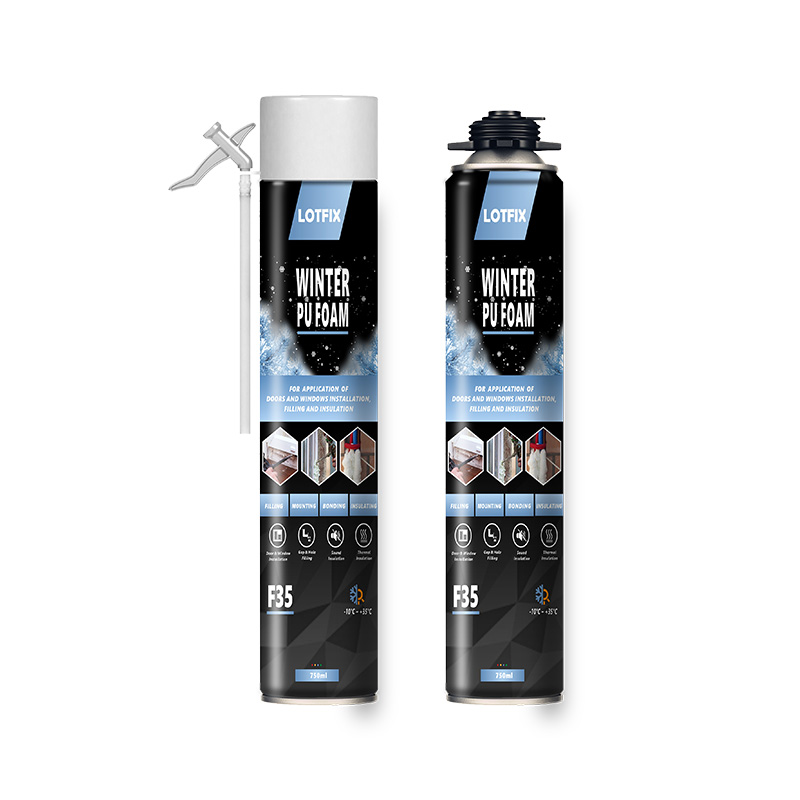
LOTFIX provides silicone sealant and related sealing products for construction, decoration, distribution, and project applications. If you are comparing sanitary silicone sealant, neutral silicone sealant, acetic silicone sealant, weatherproof silicone sealant, PU foam, or other sealing solutions, you can visit the LOTFIX homepage to learn more about available product options.
For product selection, sample requests, packaging details, or OEM cooperation, please contact us and share your application requirements.
Visit LOTFIX Homepage Contact LOTFIX