Mobile / WhatsApp
E-mail
Table of Contents
Silicone sealant fails to cure properly because of low humidity, extreme temperature, expired material, thick application, surface contamination, or using the wrong sealant type.
When silicone sealant stays sticky, remains soft inside, peels from the surface, or takes much longer than expected to harden, the problem should be checked from both the product side and the jobsite side. In many cases, curing failure is not caused by one single mistake, but by a combination of old stock, poor storage, unsuitable application conditions, oversized bead thickness, or poor surface preparation.
Silicone sealant fails to cure properly when its curing reaction is slowed, blocked, or interrupted. Most one-component silicone sealants need moisture from the air to cure. If the air is too dry, the temperature is too low, the bead is too thick, or the sealant has expired, the material may stay soft or sticky instead of forming a stable elastic seal.
Expired sealant, damaged packaging, overheated storage, or poor stock rotation can reduce curing performance before the cartridge is opened.
Applying the bead too thick, filling a deep cavity without backing, or finishing too early may leave the inside uncured.
Dust, oil, grease, water, old sealant residue, loose paint, or release agents can stop the sealant from bonding properly.
For buyers and installers, the key is to check the whole process: production date, storage history, surface cleaning, joint depth, temperature, humidity, product type, and curing time.
To repair silicone sealant that failed to cure, first identify whether it is only curing slowly or has truly failed. If the sealant is still within the normal curing period, the joint may only need more time. But if the sealant remains sticky, soft, oily, or uncured after the expected curing window, the safer solution is usually to remove it and reseal the joint.
| Problem Found | What It Usually Means | Repair Method |
|---|---|---|
| Surface is slightly tacky | The sealant may be curing slowly because of low humidity or cold temperature. | Allow more curing time and improve ventilation or humidity if suitable. |
| Sealant is soft inside | The bead may be too thick or the joint may be too deep. | Remove uncured material, use backing where needed, and reapply with controlled bead thickness. |
| Sealant stays sticky for too long | The product may be expired, poorly stored, or chemically unstable. | Remove it completely and replace it with fresh sealant from a reliable batch. |
| Sealant peels off the surface | The surface may be dirty, wet, oily, loose, or incompatible. | Remove failed sealant, clean and dry the substrate, then test or reapply the correct sealant. |
Do not simply apply new silicone over uncured or contaminated silicone. The new bead may not bond well, and the same curing or adhesion problem can return.
Remove the failed sealant: cut out soft, sticky, or loose material as completely as possible.
Clean the joint: remove oil, dust, water, old residue, soap film, release agents, and loose coatings.
Dry and inspect the surface: make sure the substrate is clean, stable, and suitable for silicone adhesion.
Choose the right sealant: match the product to the substrate and application, such as sanitary, glazing, neutral, acetic, or weatherproof use.
Apply the correct bead size: avoid overfilling deep joints and use backing material when needed.
Allow full curing: protect the joint from water, cleaning, movement, or heavy use until curing is complete.
Humidity and temperature affect silicone sealant curing because moisture-cure silicone depends on atmospheric moisture to harden. Low humidity slows the reaction, cold temperature makes curing slower and extrusion harder, while excessive heat can cause the surface to skin too quickly before the inside has cured properly.
| Condition | Possible Result | What to Do |
|---|---|---|
| Low humidity | Sealant may cure slowly or remain soft inside for longer. | Allow more curing time and avoid very dry application conditions where possible. |
| Cold temperature | Sealant becomes harder to apply and may cure much more slowly. | Store cartridges properly and apply within the recommended temperature range. |
| High heat | The surface may dry or skin too fast while the inside remains uncured. | Avoid applying on overheated surfaces or under strong direct heat. |
| Wet surface | Adhesion may fail even if the sealant itself can cure. | Do not apply onto standing water, condensation, or wet dust unless the product allows it. |
A sealant bead can look dry on the surface but still be uncured inside. This is especially common in deep joints, low-humidity rooms, cold weather, or thick applications.
Yes. Expired or poorly stored silicone sealant can fail to cure because the material may lose chemical activity before application. Long storage time, high warehouse temperature, direct sunlight, damaged packaging, or poor stock rotation can all affect extrusion, skin time, curing speed, and final performance.
Check production date: avoid using products beyond shelf life or close to expiry for important projects.
Inspect packaging: do not use leaking, swollen, cracked, or damaged cartridges.
Control storage: avoid long-term exposure to heat, direct sunlight, freezing, or wet warehouse conditions.
Rotate stock: distributors and project warehouses should follow first-in, first-out management.
If a fresh batch cures normally but an old batch stays soft or sticky under the same conditions, the issue is likely related to product age or storage history.
Thick silicone sealant stays soft inside because the outside of the bead can skin first and slow moisture movement into the center. Since many silicone sealants cure from the surface inward, an oversized bead or deep joint may need much longer to cure fully.
Filling a deep cavity with too much silicone increases cure time and may leave the center soft for longer.
A backer rod or suitable backing helps control joint depth and prevents unnecessary sealant waste.
Poor joint design can reduce flexibility, slow curing, and increase the risk of cracking or separation.
For small seams, avoid applying a large raised bead. For construction joints, follow the product data sheet and use backing material where needed so the sealant depth stays controlled.
Dirty surfaces cause silicone sealant failure because the sealant cannot bond directly to the real substrate. Dust, oil, grease, water, soap film, release agents, old sealant residue, rust, and loose coatings can create a weak layer between the sealant and the surface.
| Contamination | Common Area | Possible Problem |
|---|---|---|
| Dust or powder | Concrete, plaster, masonry, construction joints. | Sealant bonds to dust instead of the stable surface. |
| Oil or grease | Metal frames, machinery, kitchens, handled parts. | Poor adhesion and peeling after curing. |
| Water or condensation | Bathrooms, windows, outdoor joints, cold surfaces. | Weak contact and adhesion failure. |
| Old sealant residue | Repair areas and re-sealing work. | New sealant may not bond evenly or cure correctly. |
Before reapplying silicone, the surface should be clean, dry, stable, and free from loose material. For coated metal, plastic, natural stone, or unfamiliar substrates, a small compatibility test is safer than assuming the sealant will bond well.
If the wrong silicone sealant is used, it may cure slowly, fail to bond, release strong odor, stain the surface, corrode sensitive materials, or lose durability after installation. Different applications require different silicone types.
| Application | Better Product Direction | Risk of Wrong Product |
|---|---|---|
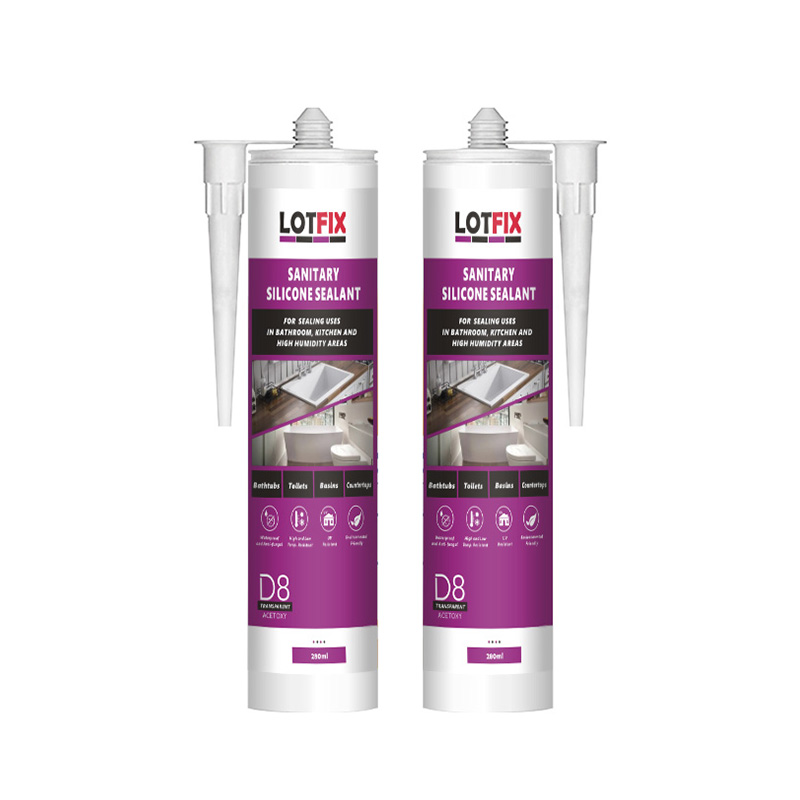
| Bathroom and kitchen sealing | Sanitary silicone with mold resistance and water resistance. | Blackening, peeling, poor appearance, or short service life. |
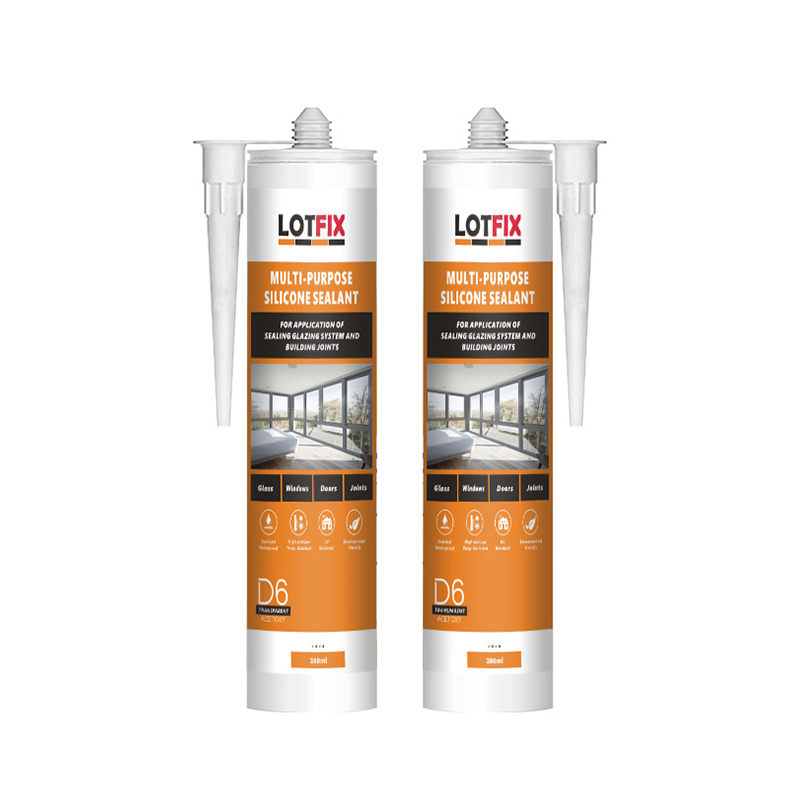
| Glass and glazing | Sealant suitable for glass adhesion and glazing use. | Weak adhesion, edge failure, or unsuitable curing behavior. |
| Metal, concrete, or alkaline surfaces | Neutral cure silicone is often safer for sensitive substrates. | Odor, corrosion, staining, or poor adhesion may occur. |
| Natural stone | Non-staining silicone with compatibility confirmation. | Oil staining or visible edge discoloration. |
Product mismatch is a common cause of curing and adhesion complaints. A sealant can be good quality, but still fail if it is used on the wrong surface or in the wrong environment.
To prevent silicone sealant curing problems, use fresh material, store it correctly, prepare the surface, control bead thickness, choose the right sealant type, and allow enough curing time before water exposure, cleaning, painting, or heavy use.
Check product freshness: confirm production date, shelf life, batch number, and packaging condition.
Store sealant correctly: avoid direct sunlight, high heat, freezing, damaged cartons, and wet storage areas.
Clean the substrate: remove dust, oil, grease, old sealant, soap residue, water, loose paint, and construction debris.
Control bead size: avoid applying too much sealant in deep joints; use backing material where needed.
Match the product: select sanitary, glazing, neutral, acetic, weatherproof, or special-purpose silicone according to the use.
Check the environment: avoid very cold, very dry, overheated, wet, or unstable application conditions.
Wait for full cure: do not rush water exposure, cleaning, trimming, painting, or loading before curing is complete.
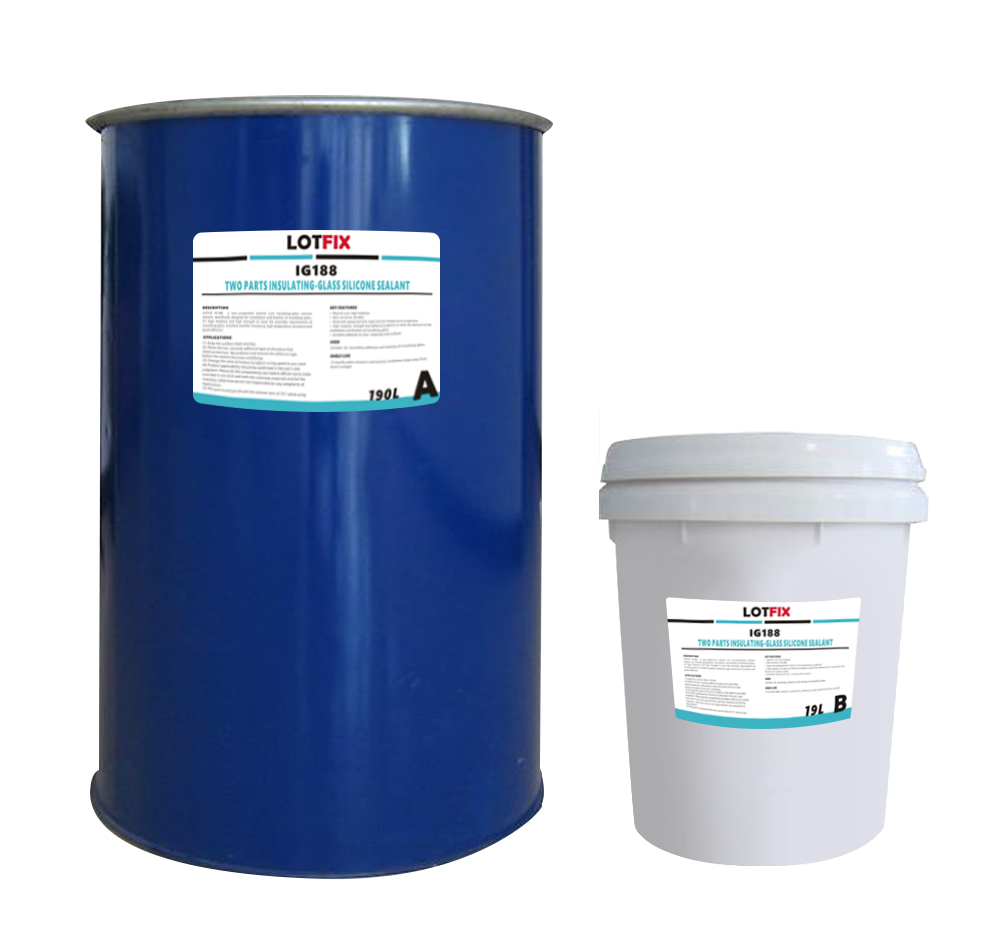
For two-component silicone: check the mix ratio and mixing quality, because poor mixing can leave soft or uncured areas.
If curing failure happens repeatedly, record the product batch, storage condition, surface type, cleaning method, bead size, temperature, humidity, and curing time. These details help identify whether the problem comes from old stock, poor application, dirty surfaces, wrong product selection, or unsuitable jobsite conditions.
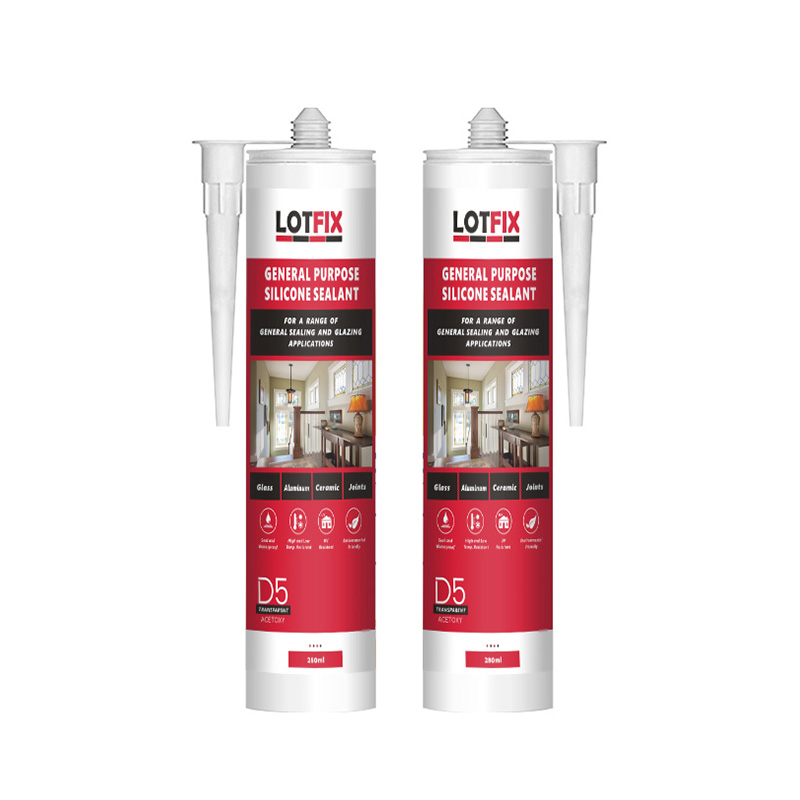
LOTFIX provides silicone sealant, PU foam, acrylic sealant, adhesive, and related construction material solutions for sealing, filling, bonding, insulation, and installation applications. If you are comparing sealants for bathroom, kitchen, glazing, window, door, facade, or general construction use, you can visit the LOTFIX homepage to learn more about available product categories.
If you have questions about product selection, application scenarios, or cooperation requirements, please Contact Us.