Mobile / WhatsApp
E-mail
PU spray foam is used in insulation projects where the foam needs to cover larger areas, irregular surfaces, cavities, joints, and hard-to-reach spaces. Compared with small can-dispensed PU foam, spray foam is more suitable for project-scale insulation work where continuous coverage, air sealing, and fast application are important.
For project buyers, the key point is to match the foam system with the application surface, insulation target, equipment condition, site environment, and safety requirements. PU spray foam can be very useful, but it is not the right solution for every gap, joint, or repair job.
PU spray foam is most useful in insulation areas where traditional boards, rolls, or small foam cans are difficult to apply efficiently. It can expand and conform to surfaces, helping reduce air leakage and improve insulation continuity in selected project areas.
Useful for selected roof decks, attic spaces, and insulation zones where continuous coverage helps reduce heat transfer and air leakage.
Can be used in compatible wall cavity applications where foam expansion helps fill irregular voids and improve sealing.
Works well on uneven areas, curved sections, corners, penetrations, and complex surfaces that are difficult to cover with rigid boards.
Suitable for larger insulation projects where speed, coverage, and air sealing performance are important.
Uneven surfaces can make insulation installation difficult. Rigid boards may leave air gaps, rolls may not fit tightly, and small foam cans may be too slow for large areas. Spray foam can follow the surface shape more easily, helping fill small gaps, corners, edges, and irregular areas.
A simple way to understand it: spray foam is useful when the project surface is too irregular for clean board installation or too large for small manual foam filling.
Spray application is often considered when the project has:
• Uneven walls, roof decks, or cavities
• Many corners, edges, holes, or penetrations
• Irregular construction gaps that are difficult to cut boards around
• Areas where air leakage control is important
• Large surfaces requiring faster insulation coverage
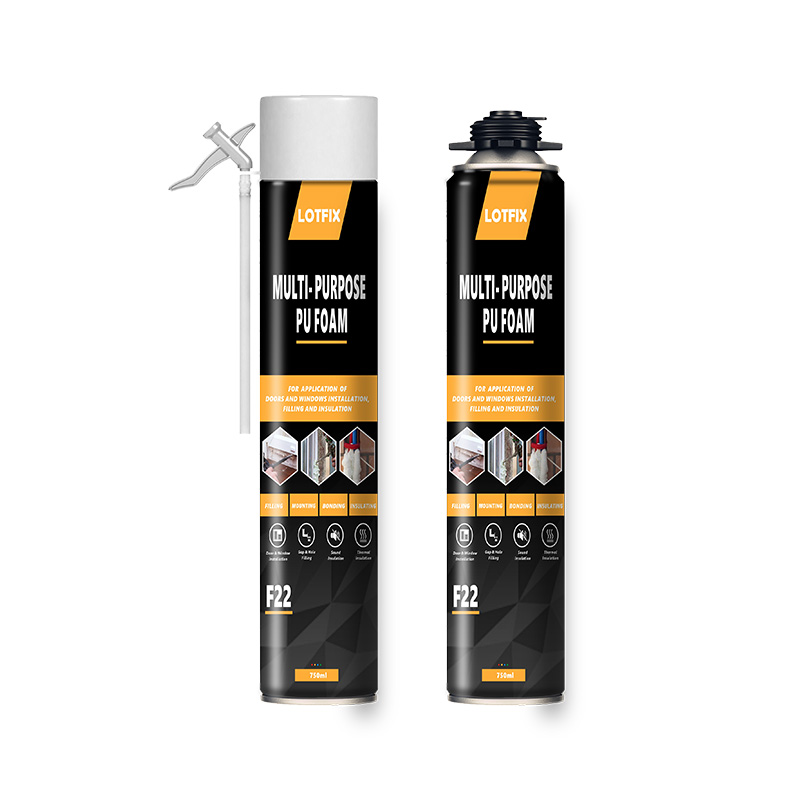
PU spray foam and can-dispensed foam are both polyurethane foam products, but they are used differently. Spray foam is usually selected for larger insulation surfaces and project-scale application. Can-dispensed foam is usually used for smaller gaps, installation joints, repairs, and controlled filling tasks.
| Comparison Point | PU Spray Foam | Can-Dispensed PU Foam |
|---|---|---|
| Main use | Large insulation areas, cavities, irregular surfaces, project-scale air sealing | Small gaps, window and door joints, holes, pipe penetrations, repair work |
| Application method | Spray equipment and trained application process | Straw or gun application from individual cans |
| Coverage | Better for broad coverage and continuous insulation layers | Better for localized filling and smaller sealing tasks |
| Buyer concern | System type, equipment, density, coverage, site safety, applicator skill | Can size, yield, expansion, curing time, straw/gun type, shelf life |
Before choosing PU spray foam, buyers should confirm the project environment and application conditions. Spray foam performance can be affected by surface condition, temperature, humidity, equipment, application thickness, ventilation, and whether the area needs later trimming, covering, or fire protection treatment.
Confirm whether the surface is clean, dry, stable, and suitable for foam adhesion.
Roof, attic, wall cavity, floor, container, cold storage, or other project areas may require different foam systems.
Spray foam normally requires suitable equipment, correct mixing, controlled application, and trained operators.
Foam may need protection from UV exposure, mechanical damage, moisture, or fire-related requirements depending on the project.
Important: PU spray foam should be selected according to project requirements and local construction rules. It should not be used without considering ventilation, safety protection, surface preparation, and final covering needs.
For importers, distributors, and project buyers, the right PU foam solution depends on whether the job is large-area insulation, board bonding, frame sealing, gap filling, or repair work. Spray foam is useful for project-scale insulation, while can-dispensed foam is often better for smaller and more controlled tasks.
Before placing an order, buyers should confirm:
• Project type: roof, attic, wall cavity, container, cold storage, floor, or renovation work
• Foam type, density, expansion behavior, curing speed, and coverage requirement
• Surface material and whether adhesion testing is needed
• Application equipment and operator experience
• Temperature, humidity, ventilation, and site safety conditions
• Whether the foam needs trimming, coating, covering, or additional fire protection treatment
• Packaging, shelf life, storage conditions, label language, and supply volume
The safest purchasing method is to define the insulation task first. If the project needs broad coverage and irregular surface sealing, PU spray foam may be suitable. If the job is only small gap filling around windows, doors, pipes, or construction joints, can-dispensed PU foam may be more practical.
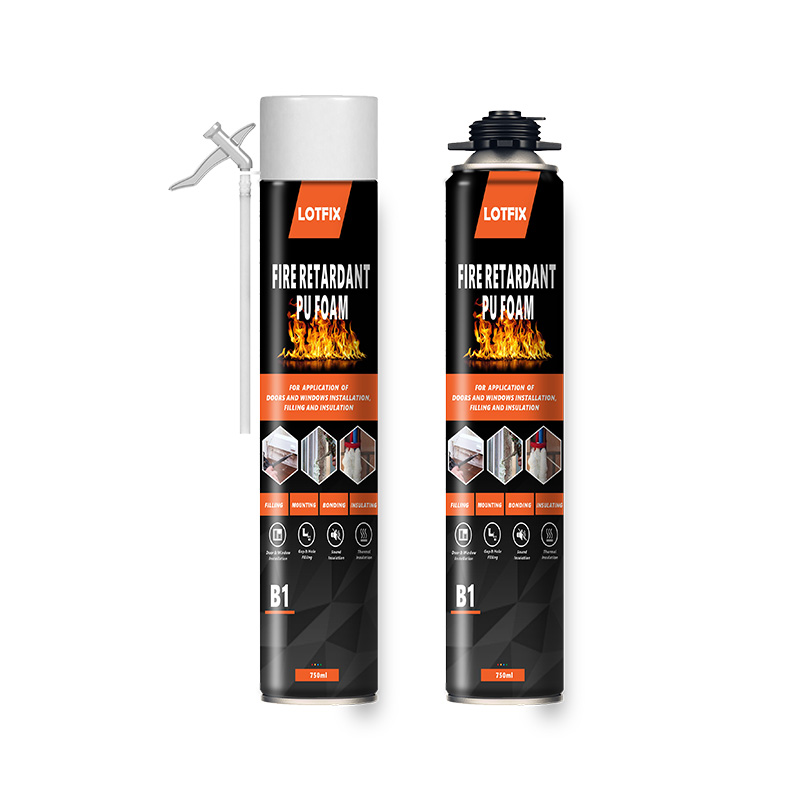
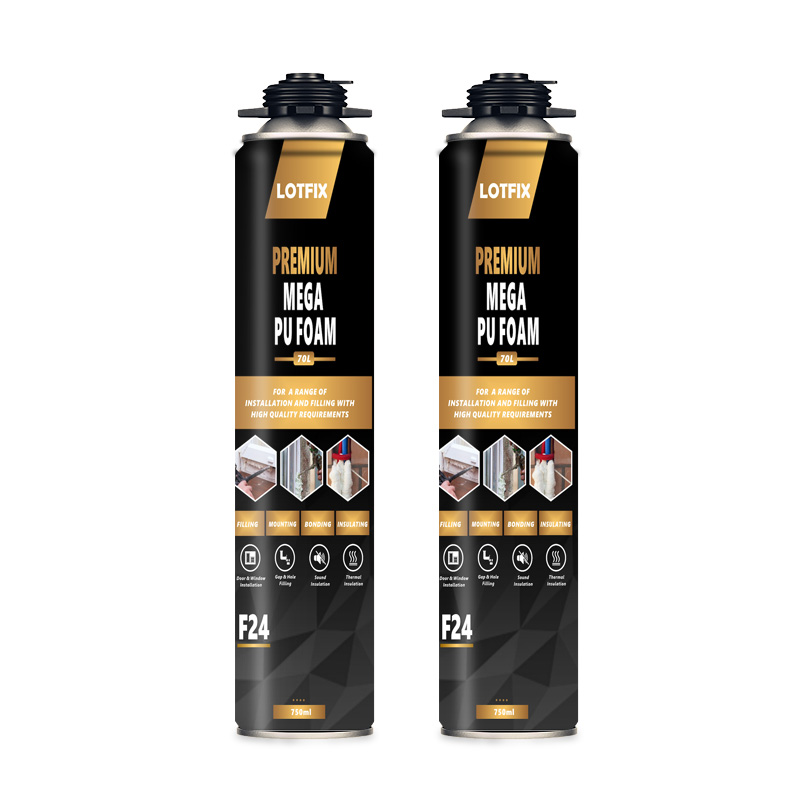
LOTFIX provides PU foam, silicone sealant, and related sealing products for construction, insulation, distribution, and project applications. If you are comparing PU spray foam, low expansion PU foam, PU adhesive foam, general purpose PU foam, silicone sealant, or other sealing and insulation solutions, you can visit the LOTFIX homepage to learn more about available product options.
For product selection, sample requests, packaging details, or OEM cooperation, please contact us and share your application requirements.
Visit LOTFIX Homepage Contact LOTFIX