Mobile / WhatsApp
E-mail
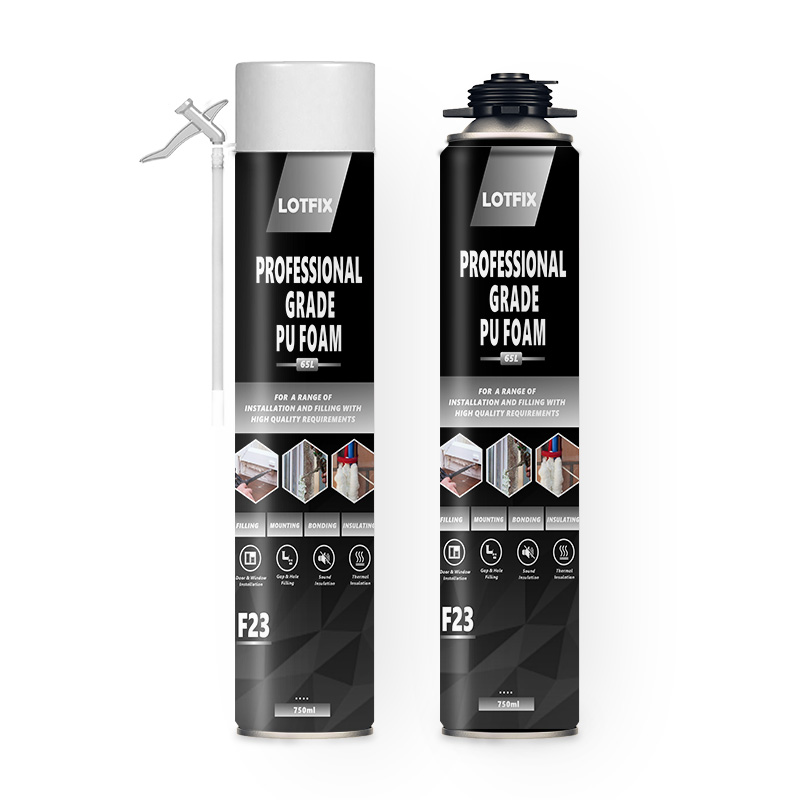
Low expansion window and door foam is designed for filling gaps around window frames, door frames, wall openings, and installation joints where controlled expansion is important. Unlike general purpose PU foam, low expansion foam expands more gently after application, helping reduce pressure on frames while still providing gap filling, insulation, and sealing support.
For installers and project buyers, controlled expansion matters because window and door frames can be affected by excessive foam pressure. If the foam expands too aggressively, it may distort frames, affect opening and closing, create uneven gaps, or cause rework after installation.
Low expansion does not mean the foam will not expand. It means the foam is designed to expand in a more controlled way after dispensing. This makes it more suitable for narrow gaps, frame perimeters, and installation areas where too much pressure can create problems.
A simple way to understand it: low expansion foam fills the gap, but it is less likely to push aggressively against the frame compared with high-expansion or general purpose foams.
| Installation Point | Why Controlled Expansion Helps |
|---|---|
| Narrow frame gaps | Helps fill the cavity without excessive pressure on window or door frames. |
| PVC and aluminum frames | Reduces the risk of distortion, bowing, or uneven frame alignment. |
| Finished installations | Helps installers maintain cleaner work and avoid excessive trimming or rework. |
| Repeat project work | More predictable expansion supports consistent installation quality across many frames. |
Window and door frames need stable installation. The foam around the frame should fill gaps, reduce air leakage, improve insulation, and support sealing work without pushing the frame out of position. This is why low expansion PU foam is often preferred for frame perimeter applications.
Controlled expansion helps reduce the risk of foam pushing against frames too strongly after application.
Useful for perimeter gaps that need filling without over-expansion, overflow, or unnecessary waste.
Helps reduce excessive cutting, trimming, and surface cleanup around finished windows and doors.
Installers can apply foam more confidently when expansion behavior is predictable.
General purpose PU foam is widely used for gap filling, insulation, sealing, and construction repair work. Low expansion foam is more specialized for areas where pressure control matters, especially around window and door frames.
| Comparison Point | Low Expansion Window and Door Foam | General Purpose PU Foam |
|---|---|---|
| Main purpose | Controlled filling around windows, doors, frames, and narrow perimeter gaps | General gap filling, insulation, bonding support, and repair work |
| Expansion behavior | Lower and more controlled expansion | May expand more, depending on formula and application amount |
| Frame safety | Better for reducing excessive pressure on frames | May be less suitable when frame deformation is a concern |
| Best users | Window and door installers, contractors, renovation teams, project buyers | General construction users, DIY repair, basic gap filling applications |
Many window and door foaming problems come from wrong foam selection, excessive application, poor surface preparation, or not allowing enough curing time. Even good PU foam can perform poorly if it is used in the wrong way.
Applying too much foam can create overflow, waste, extra trimming, and pressure on the frame.
High expansion or unsuitable general foam may not be the best choice around sensitive frame installations.
Dust, loose material, oil, or unstable surfaces can affect foam adhesion and final sealing quality.
PU foam should normally be protected from long-term UV exposure with proper trimming, covering, or finishing sealant.
Important: low expansion foam helps reduce frame pressure, but correct application amount, frame fixing, curing time, and surface preparation are still necessary.
For importers, wholesalers, and project buyers, low expansion window and door foam should be selected based on application needs, installer habits, packaging requirements, and local market expectations.
Before placing an order, buyers should confirm:
• Whether the foam is mainly for window frames, door frames, wall openings, or general construction gaps
• Required expansion level and whether controlled expansion is needed
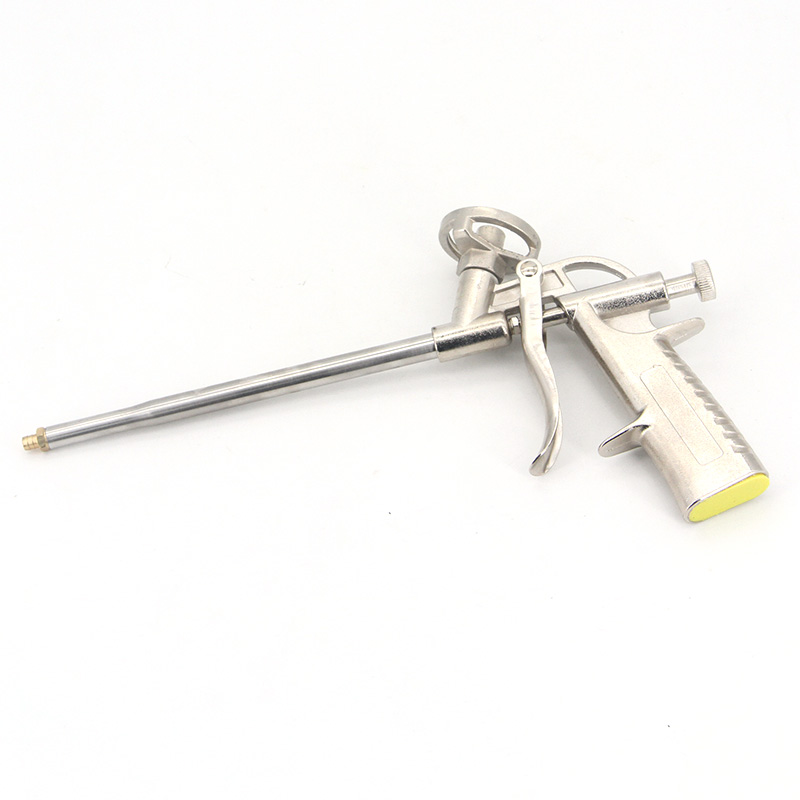
• Manual straw type or gun type application
• Foam yield, curing time, cutting time, and application temperature range
• Required can size, carton quantity, label language, shelf life, and storage conditions
• Whether OEM packaging or private label supply is needed
• Whether samples are required for installer testing before bulk purchase
The safest purchasing method is to define the installation scenario first. If the target users are window and door installers, low expansion PU foam can offer better control than ordinary general purpose foam, especially when frame alignment and clean finishing are important.
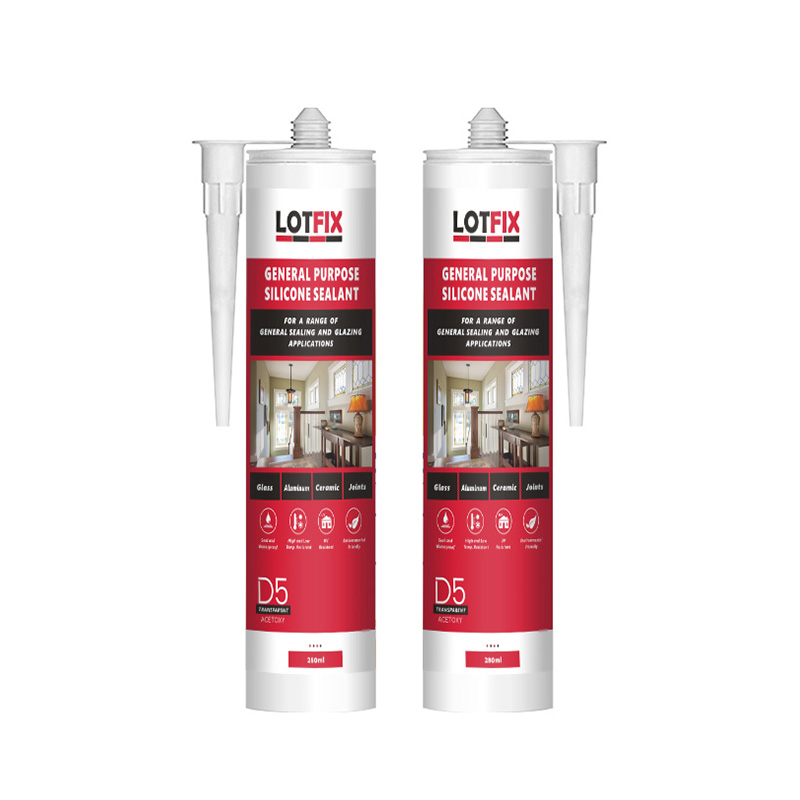
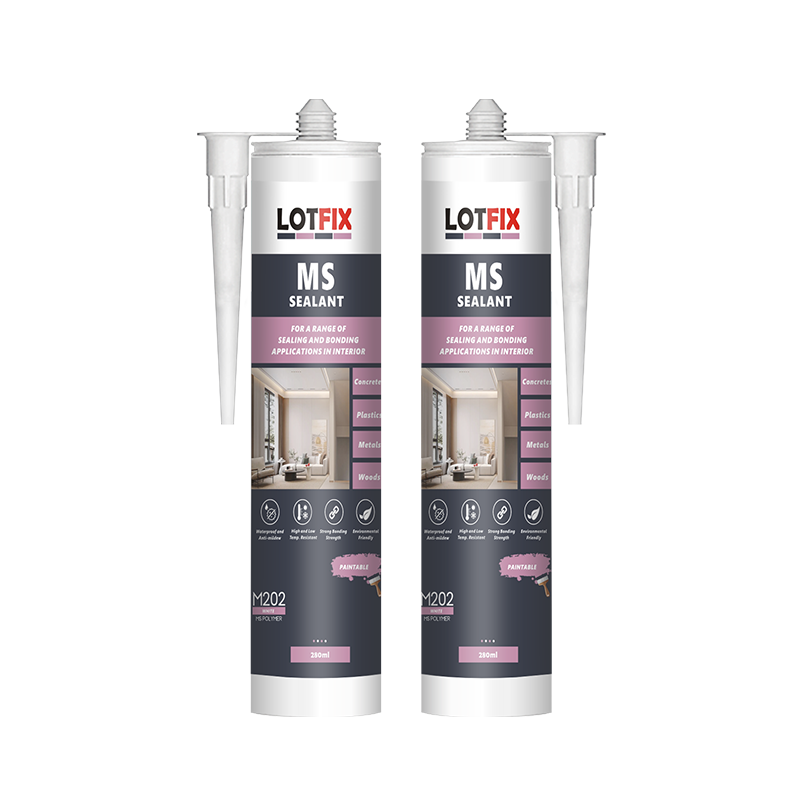
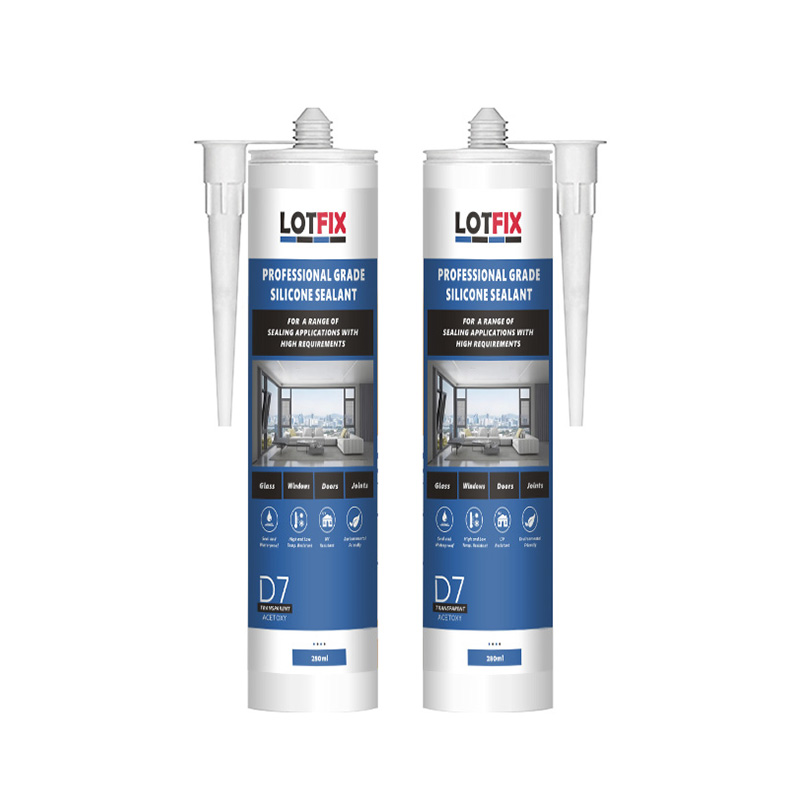
LOTFIX provides PU foam, silicone sealant, and related sealing products for construction, installation, distribution, and project applications. If you are comparing low expansion window and door foam, general purpose PU foam, silicone sealant, weatherproof sealant, or other sealing solutions, you can visit the LOTFIX homepage to learn more about available product options.
For product selection, sample requests, packaging details, or OEM cooperation, please contact us and share your application requirements.
Visit LOTFIX Homepage Contact LOTFIX