Mobile / WhatsApp
E-mail
Professional grade silicone sealant usually refers to a higher-performance sealant designed for installers, contractors, project users, and demanding daily applications. It is expected to provide more stable adhesion, better workability, cleaner tooling, stronger durability, and more reliable performance than basic general-purpose sealants.
For buyers, “professional grade” should not be treated as only a marketing phrase. The real value depends on whether the sealant performs better in practical installation work: smoother extrusion, better bonding to common substrates, stable curing, lower failure risk, and fewer complaints after application.
General purpose silicone sealant is often used for basic household sealing, simple gaps, light-duty waterproofing, and non-critical applications. Professional grade silicone sealant is usually selected when the job requires better consistency, stronger performance, and more predictable results across repeated installations.
| Comparison Point | Professional Grade Silicone Sealant | General Purpose Silicone Sealant |
|---|---|---|
| Main positioning | For installers, contractors, project users, and higher-demand sealing work | For simple sealing, household gaps, and light-duty applications |
| Performance expectation | More stable adhesion, durability, flexibility, and curing consistency | Basic sealing performance, depending on formula and application condition |
| Workability | Smoother extrusion, easier tooling, cleaner bead shape, better installer experience | May be acceptable for small jobs, but consistency can vary by grade |
| Best fit | Windows, doors, kitchens, bathrooms, exterior joints, daily installation and project sealing | Basic indoor gaps, simple glass or tile sealing, low-risk repair work |
Professional grade silicone sealant is often used by people who apply sealant every day. For them, a product is not judged only by the label. It is judged by how it behaves on site: whether it comes out smoothly, whether it tools cleanly, whether it bonds well, and whether the finished joint remains stable after curing.
Used around frames, perimeter gaps, aluminum profiles, PVC frames, and wall connections where clean sealing and adhesion matter.
Useful around sinks, countertops, tubs, shower areas, vanities, and wet joints that require neat appearance and water sealing.
Selected for exterior gaps, weather-exposed joints, metal connections, facade details, and repair areas when a stronger grade is needed.
Helps reduce rework, complaints, and inconsistency when many joints are sealed across repeated installation tasks.
Installers often notice details that buyers may overlook. A sealant may look acceptable on paper, but if it is difficult to extrude, too runny, hard to tool, slow to cure, or inconsistent from cartridge to cartridge, it can slow down work and reduce the final quality of the joint.
In real installation work, good sealant performance is not only about strength. It is also about control, consistency, and fewer problems after the job is finished.
Installers usually care about:
• Smooth extrusion without excessive hand pressure
• Stable viscosity that does not sag too easily
• Clean tooling and a neat finished bead
• Good adhesion to common surfaces
• Reasonable skin-over and curing time
• Low shrinkage and stable appearance after curing
• Consistent quality from batch to batch
Upgrading from standard sealant is worth considering when the application has higher failure costs, more demanding surfaces, repeated professional use, or stricter appearance requirements. A lower-cost sealant may be acceptable for simple, low-risk jobs, but professional work often needs more dependable performance.
| Situation | Why Upgrade Makes Sense |
|---|---|
| Exterior sealing | Weather exposure, UV, rain, and temperature changes require better long-term stability. |
| Contractor projects | Consistent workability and fewer callbacks can matter more than small price differences. |
| Visible finishing joints | Cleaner tooling and stable appearance help improve the final installation quality. |
| Mixed substrates | Aluminum, glass, ceramic, concrete, PVC, coated surfaces, and wet areas may require better compatibility. |
For importers, wholesalers, and project buyers, professional grade silicone sealant should be selected based on real application needs instead of only product name. The correct grade depends on surface type, working environment, installer expectations, packaging, and market positioning.
Confirm whether the product is for windows, doors, kitchens, bathrooms, exterior joints, contractor work, or general retail use.
Check whether the sealant needs to bond to glass, aluminum, ceramic, tile, concrete, PVC, stainless steel, or coated surfaces.
Extrusion, tooling, curing time, odor, sag resistance, and final bead appearance can affect repeat purchasing.
Before placing an order, buyers should also confirm:
• Acetic or neutral curing system
• Indoor, outdoor, sanitary, weatherproof, or multi-purpose positioning
• Required colors such as clear, white, black, gray, or market-specific colors
• Cartridge size, sausage pack, carton quantity, shelf life, and label language
• Whether OEM packaging or private label supply is required
• Whether samples are needed for workability, adhesion, and curing tests
The safest purchasing method is to define who will use the sealant and where it will be applied. If the target customers are installers, contractors, and project users, professional grade silicone sealant can provide better practical value than standard sealants used only for simple household gaps.
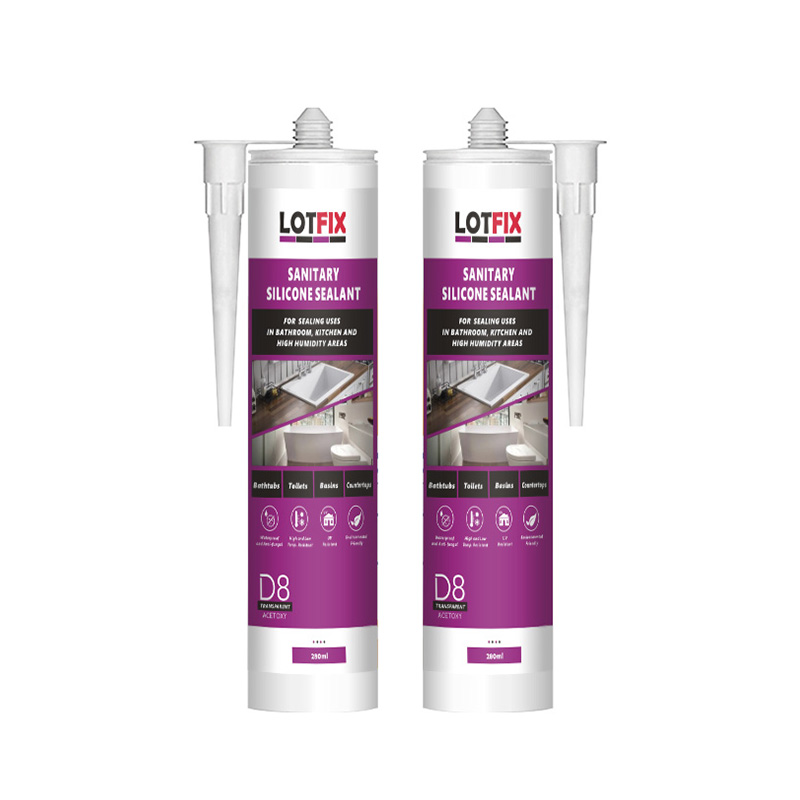
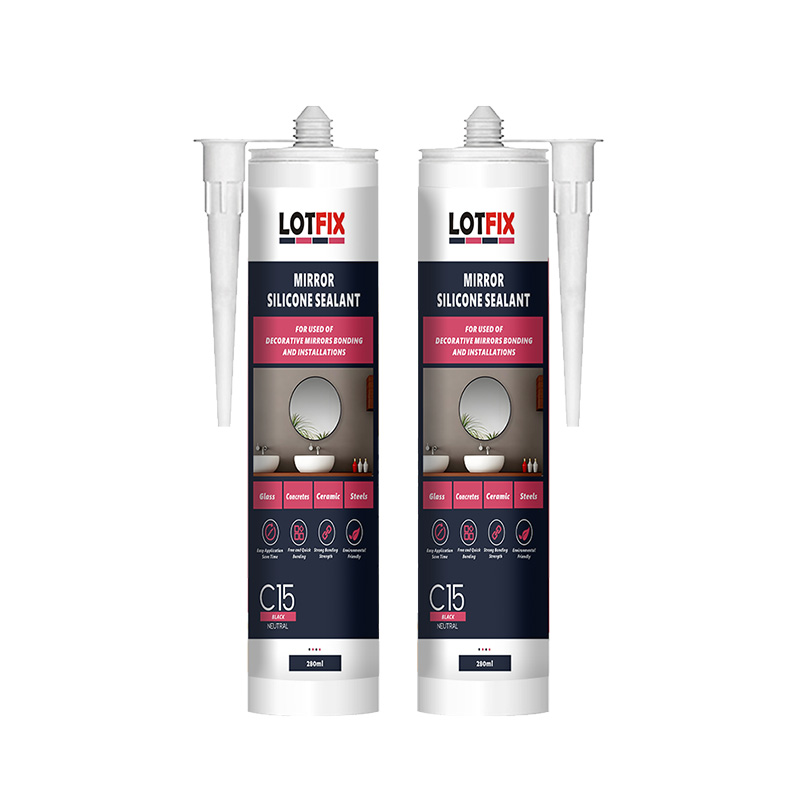
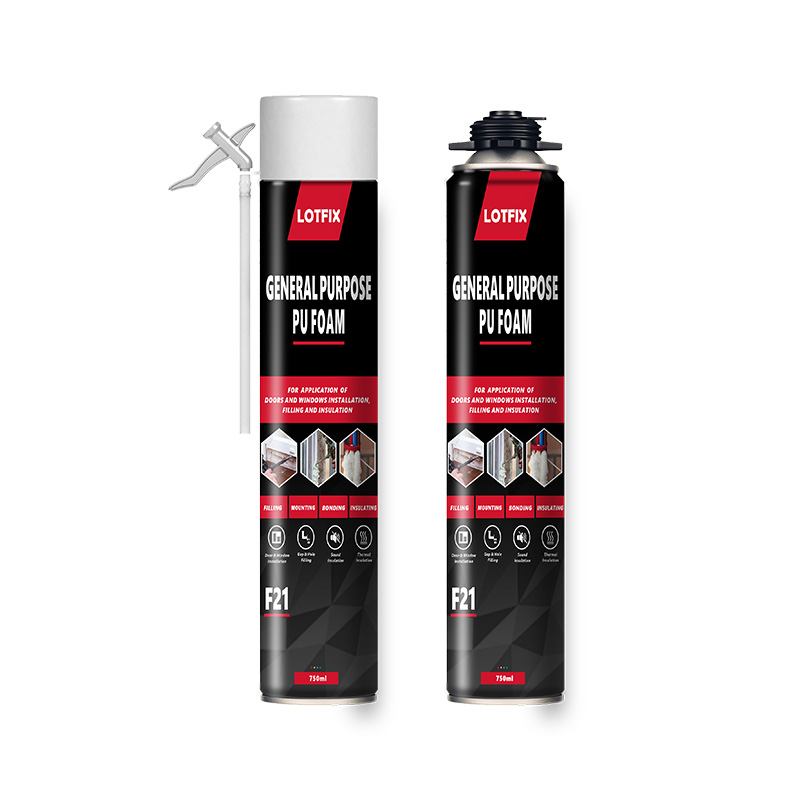
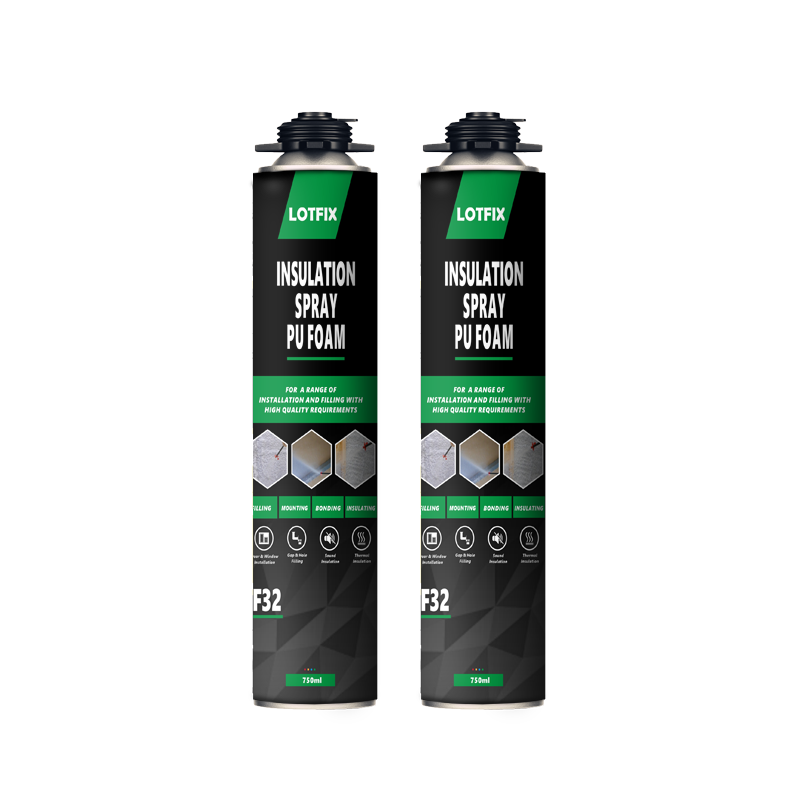
LOTFIX provides silicone sealant and related sealing products for construction, decoration, distribution, and project applications. If you are comparing professional grade silicone sealant, general purpose silicone sealant, neutral silicone sealant, sanitary silicone sealant, weatherproof silicone sealant, PU foam, or other sealing solutions, you can visit the LOTFIX homepage to learn more about available product options.
For product selection, sample requests, packaging details, or OEM cooperation, please contact us and share your application requirements.
Visit LOTFIX Homepage Contact LOTFIX