Mobile / WhatsApp
E-mail
Choosing a silicone sealant supplier for long-term cooperation is not only about getting the lowest price. For importers, wholesalers, distributors, and project buyers, the supplier should provide stable product quality, suitable category coverage, clear communication, reliable packaging support, and practical help when product selection or market requirements change.
A low quotation may look attractive at the beginning, but long-term cooperation depends on whether the supplier can support repeat orders, reduce quality complaints, respond clearly to technical questions, and help buyers match the right silicone sealant to the right application.
Price is important, but it should not be the only standard. Silicone sealant is closely related to application performance, packaging, shelf life, curing behavior, market positioning, and after-sales feedback. If buyers choose only by price, they may face unstable quality, wrong product matching, packaging complaints, or slow support when problems happen.
A reliable supplier should help buyers reduce purchasing risk, not only reduce unit cost.
| Supplier Factor | Why It Matters for Buyers |
|---|---|
| Quality stability | Repeat orders need consistent curing, adhesion, viscosity, color, and packaging quality. |
| Application understanding | The supplier should recommend the right product for glass, windows, bathrooms, facades, mirrors, roofs, or other uses. |
| Packaging support | Label design, cartridge size, carton packing, language, and OEM needs affect market sales. |
| Supply reliability | Stable delivery and clear production planning help buyers manage inventory and customer commitments. |
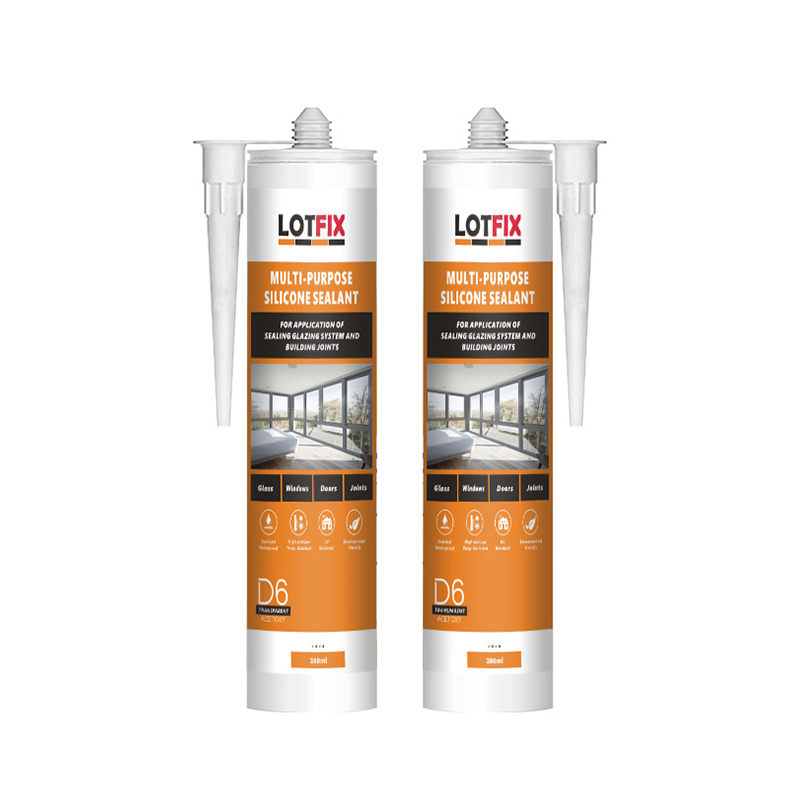
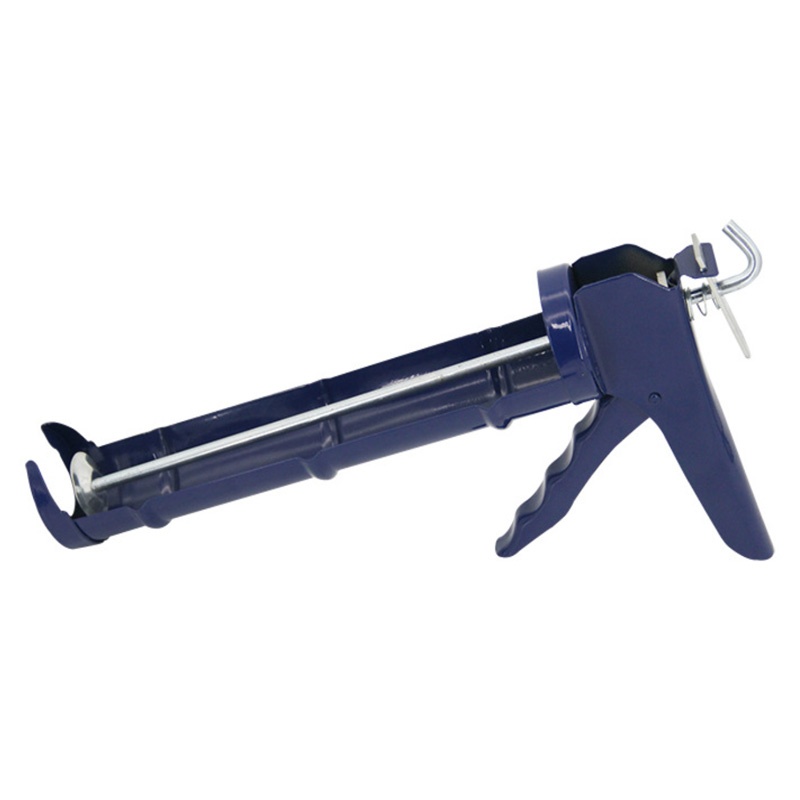
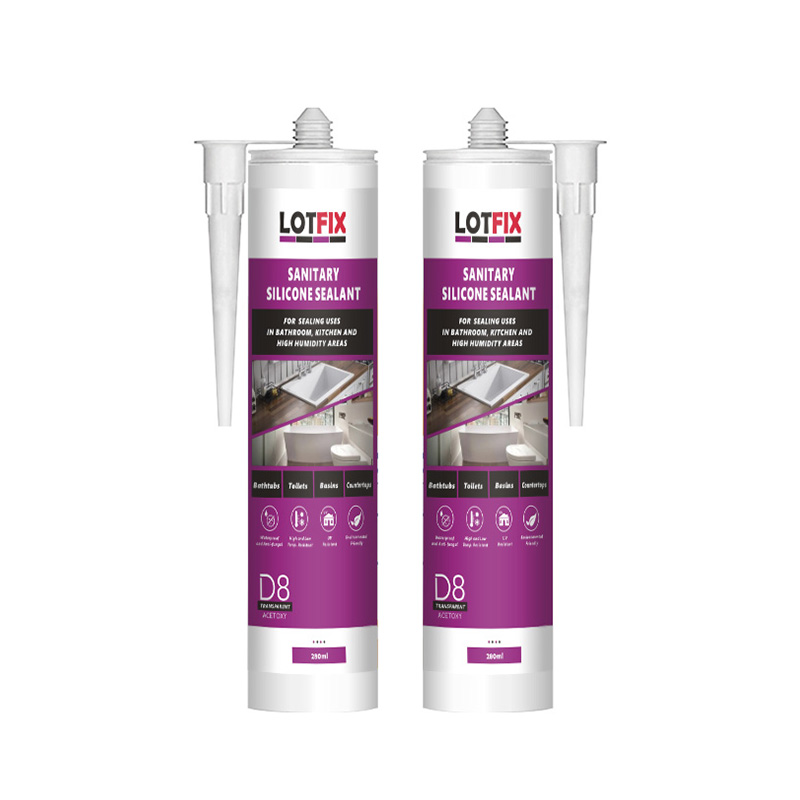
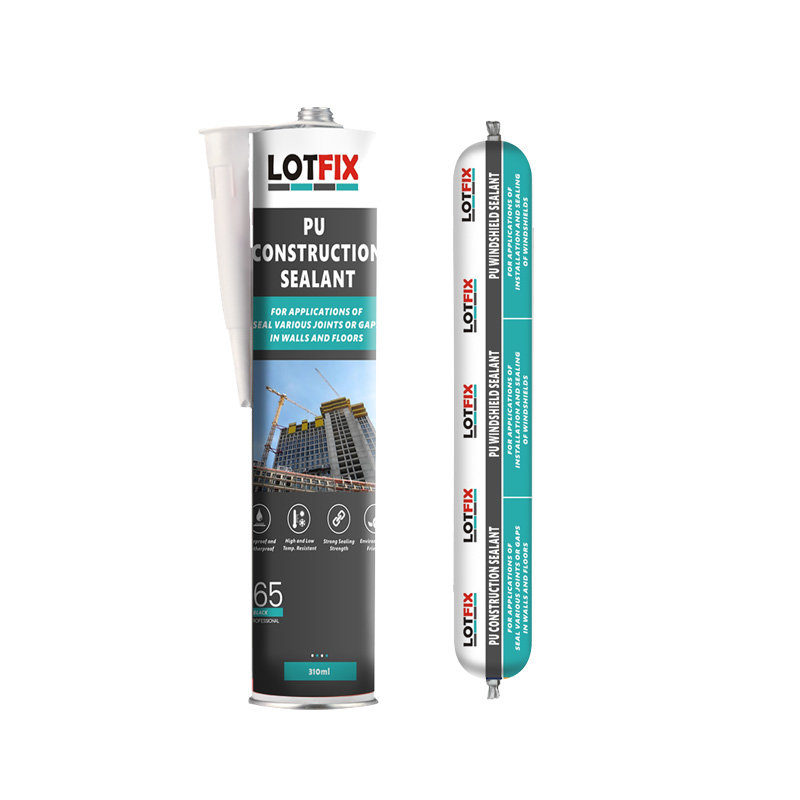
A good silicone sealant supplier should not only offer one or two basic products. Buyers often need a complete product structure for different markets and applications, such as acetic silicone sealant, neutral silicone sealant, sanitary silicone sealant, weatherproof silicone sealant, mirror silicone sealant, structural silicone sealant, PU foam, and related accessories.
Acetic silicone, neutral silicone, general purpose sealant, sanitary sealant, and common construction sealants.
Weatherproof sealant, mirror sealant, aquarium sealant, roof and gutter sealant, and professional-grade sealants.
Structural silicone, insulating-glass sealant, two-part systems, and other products for professional applications.
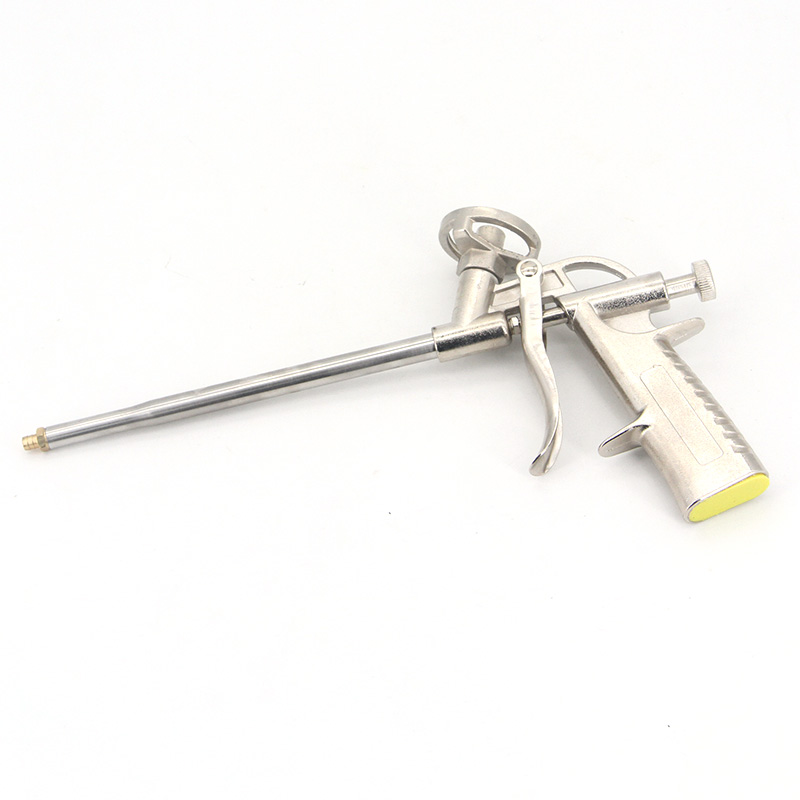
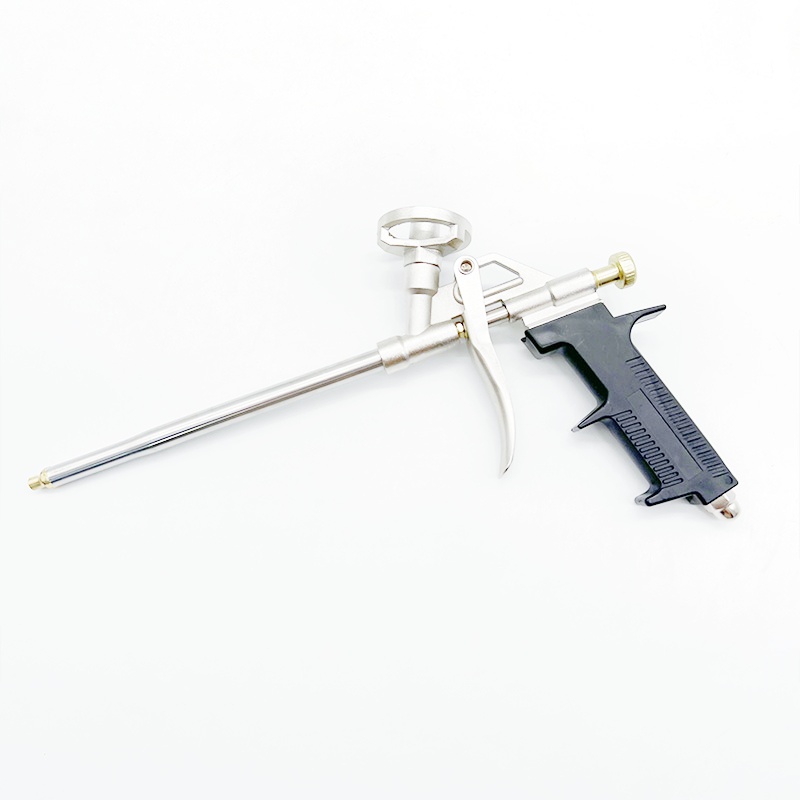
PU foam, low expansion foam, winter foam, fire retardant foam, adhesive foam, and PU foam cleaner.
Category depth matters because it allows buyers to build a more complete product line from one supplier. It also helps when the buyer wants to expand from basic retail products into project products, OEM packaging, or application-specific sealant solutions.
Repeat orders require more than placing the same product again. Buyers may need to adjust labels, colors, packaging, carton markings, product positioning, delivery schedules, or technical details. Stable communication helps avoid mistakes and keeps cooperation smooth.
| Communication Point | Why It Matters |
|---|---|
| Clear product confirmation | Reduces the risk of ordering the wrong curing type, color, packaging, or application grade. |
| Sample follow-up | Helps buyers compare curing, adhesion, viscosity, appearance, and market feedback before bulk orders. |
| Packaging detail control | Important for OEM labels, private label design, barcode, carton printing, and language requirements. |
| Problem handling | Fast and practical communication helps buyers deal with questions from distributors, contractors, or end users. |
Before requesting samples or placing bulk orders, buyers should prepare clear product and market information. The more specific the requirement is, the easier it is for the supplier to recommend the correct silicone sealant or PU foam product.
Before sample confirmation, buyers should clarify:
• Target application: glass, window, door, bathroom, kitchen, facade, mirror, roof, aquarium, or general construction
• Product type: acetic, neutral, sanitary, weatherproof, structural, mirror, PU foam, or cleaner
• Required color, cartridge size, sausage pack, can size, carton quantity, and shelf life
• Target market and label language
• Required documents, test reports, or technical data sheets
• Whether OEM packaging or private label design is needed
• Estimated order quantity and delivery schedule
Important: do not request “the cheapest silicone sealant” without explaining the application. The lowest-price product may not match the buyer’s market, packaging expectation, or performance requirement.
Long-term cooperation becomes easier when both sides treat the relationship as product development and market support, not only a one-time price negotiation. Buyers should share market feedback, common customer complaints, packaging preferences, and product direction. Suppliers should support with stable quality, clear recommendations, and practical communication.
Choose products according to real applications and market positioning, not only based on price comparison.
Test curing, adhesion, appearance, packaging, and installer feedback before scaling to bulk orders.
Confirm formulas, colors, labels, carton details, and documents clearly for repeat orders.
A suitable silicone sealant supplier should make purchasing easier over time. The more stable the cooperation becomes, the easier it is for buyers to expand their product line, manage quality, reduce communication cost, and serve their local customers with more confidence.
LOTFIX provides silicone sealant, PU foam, PU foam cleaner, and related sealing products for construction, distribution, OEM, and project applications. If you are comparing silicone sealant suppliers, product categories, packaging options, or long-term cooperation possibilities, you can visit the LOTFIX homepage to learn more about available product options.
For product selection, sample requests, packaging details, or OEM cooperation, please contact us and share your application and market requirements.
Visit LOTFIX Homepage Contact LOTFIX