Mobile / WhatsApp
E-mail
Choosing the right foam sealant ensures long-lasting performance and efficiency. PU foam sealant and silicone sealant have different strengths suited for specific applications. Understanding these differences helps buyers make informed decisions.
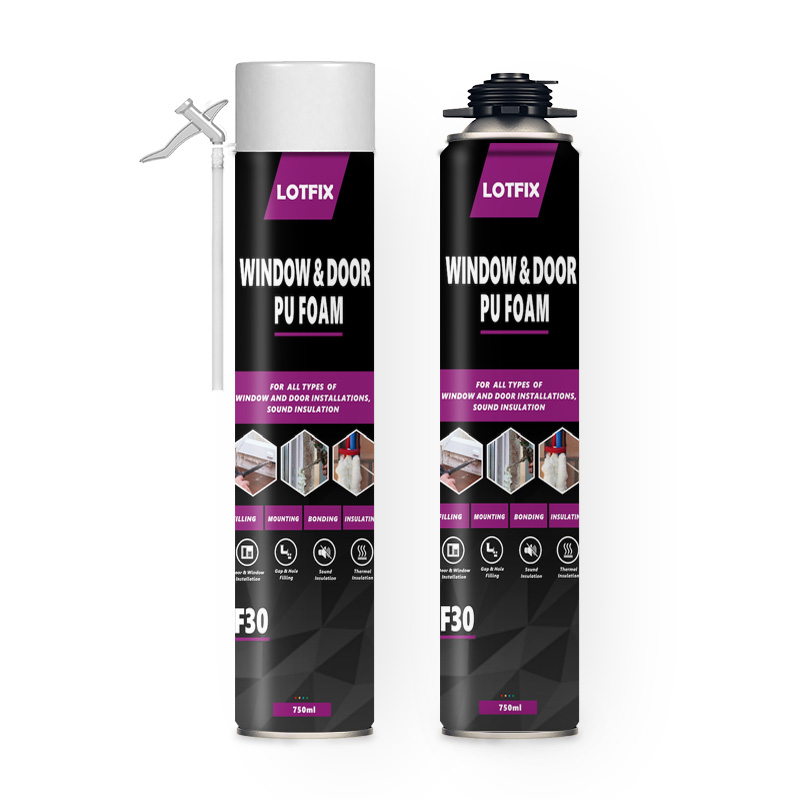
• PU Foam Sealant: Expands to fill gaps and irregular surfaces indoors; ideal for doors, windows, and wall cavities. Its adaptability to uneven spaces provides a strong and reliable indoor seal.
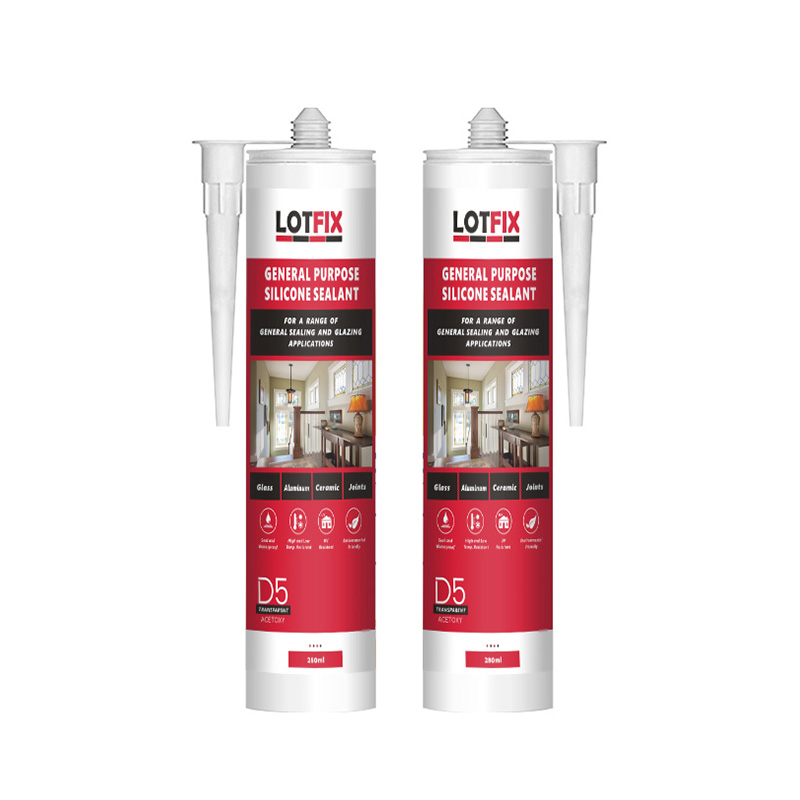
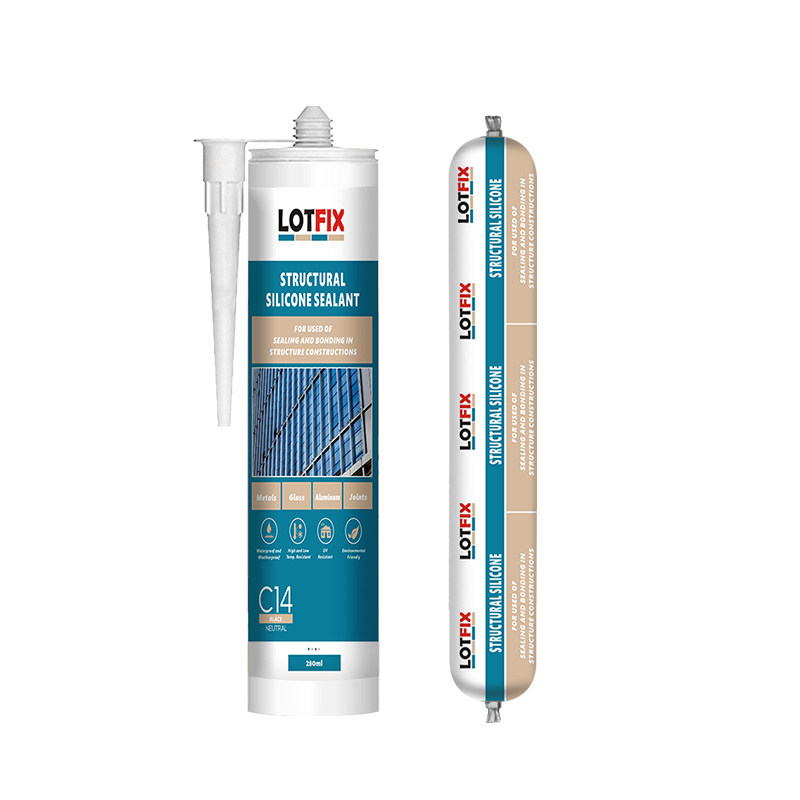
• Silicone Sealant: Forms a flexible, consistent seal; best for smooth or outdoor surfaces needing long-term stability. It excels in exterior applications where weather resistance is required.
• PU Foam Sealant: Excellent thermal and acoustic insulation for indoor spaces, helping reduce heat transfer and minimize noise.
• Silicone Sealant: Provides moderate insulation; main advantage is flexibility and durability under extreme conditions rather than insulation.
• PU Foam Sealant: Moisture-resistant but not designed for constant water exposure; best used indoors or in semi-protected areas.
• Silicone Sealant: Highly waterproof and resistant to rain, humidity, UV, and chemicals, making it ideal for outdoor applications.
• PU Foam Sealant: Durable indoors but can degrade under UV light or extreme weather conditions.
• Silicone Sealant: Maintains flexibility and performance in harsh environments; long-lasting outdoors and resistant to temperature fluctuations.
• PU Foam Sealant: Generally easy to apply and adapts well to irregular indoor surfaces, providing fast and reliable sealing.
• Silicone Sealant: Requires careful surface preparation and precise application, but ensures highly reliable seals for challenging outdoor environments.
PU foam sealant is ideal for indoor insulation, soundproofing, and gap filling. Silicone sealant is preferred for outdoor durability, waterproofing, and chemical resistance. Evaluating the application environment and project requirements ensures the right product is selected.