Mobile / WhatsApp
E-mail
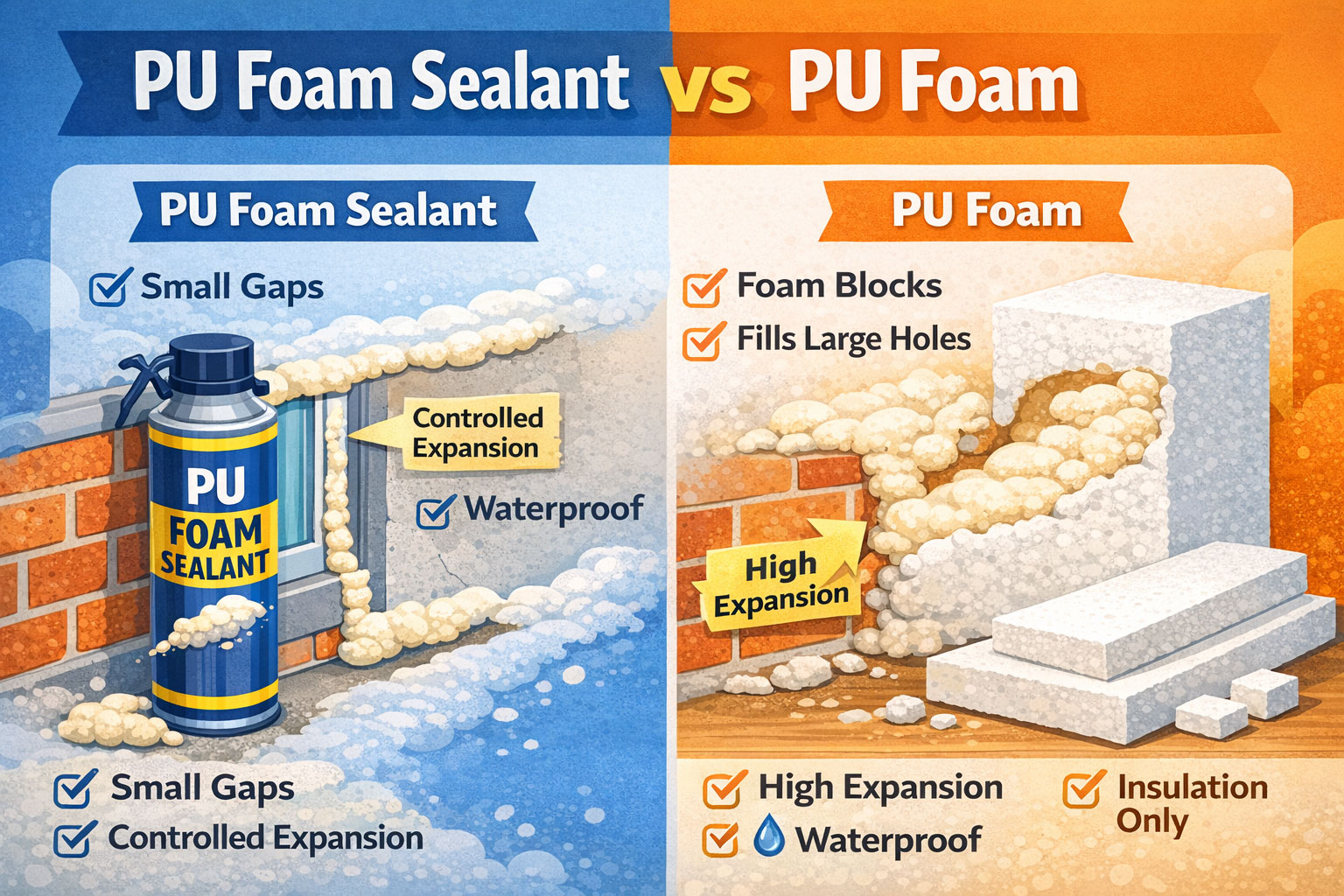
PU foam sealant and PU foam are often confused, both by end-users and within the industry. Understanding the distinction is essential for DIYers, home improvers, and professional users to select the correct product for sealing, insulation, or filling tasks.
In the foam industry, PU foam is a broad category that refers to polyurethane-based foam products, often available as foam blocks, sheets, or general-purpose insulation material. However, many suppliers and e-commerce platforms list PU foam Sealant under the generic label "PU foam," which can cause confusion.
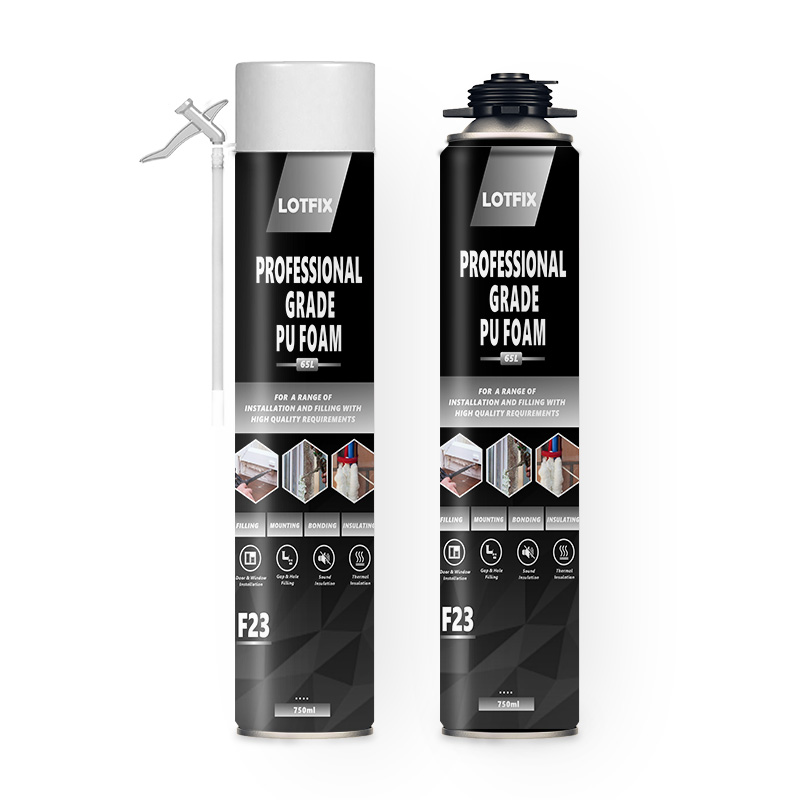
PU foam sealant is a specific type of PU foam designed for sealing gaps, cracks, and cavities. It is formulated to expand controllably, adhere to surfaces, and often provide waterproofing. Recognizing this distinction helps users avoid buying the wrong product for their needs.
PU foam sealant is made for precise gap filling and insulation. It adheres to wood, metal, concrete, and other construction surfaces, creating airtight and sometimes waterproof seals.
PU foam includes a wide range of foam products, such as foam blocks for insulation, soundproofing, or cushioning. While PU foam may expand, it generally does not have adhesive or waterproof properties.
• PU Foam Sealant: Controlled expansion for small to medium gaps, window frames, door frames, and precise filling.
• PU Foam: High-expansion foam for bulk insulation or large cavities; excess must often be trimmed.
PU foam sealant is usually waterproof once cured, suitable for bathrooms, kitchens, and outdoor gaps. In contrast, general PU foam may resist some moisture but is not intended for long-term exposure to water.
PU foam sealant requires careful application: clean, dry surfaces, proper temperature, and controlled dispensing. PU foam, as blocks or bulk foam, is easier to shape but less precise.
• PU Foam Sealant: Filling cracks around doors/windows, sealing gaps in walls, insulating pipes, and preventing drafts and moisture.
• PU Foam: Large-scale insulation, cushioning, or soundproofing where precision is less critical.
Consider the following when selecting:
• Specificity: Use PU foam sealant for sealing and waterproofing; PU foam for general insulation or filling.
• Gap size and expansion needs.
• Indoor vs. outdoor exposure.
• Precision vs. bulk coverage.
Understanding the industry naming conventions helps avoid mistakes when ordering products online or in stores.
PU Foam is a broad foam category, while PU Foam sealant is a specialized product for sealing, filling, and insulating gaps. Recognizing this distinction, and understanding typical applications, expansion, and waterproofing, ensures that DIYers and professionals choose the right material for lasting results.