Mobile / WhatsApp
E-mail
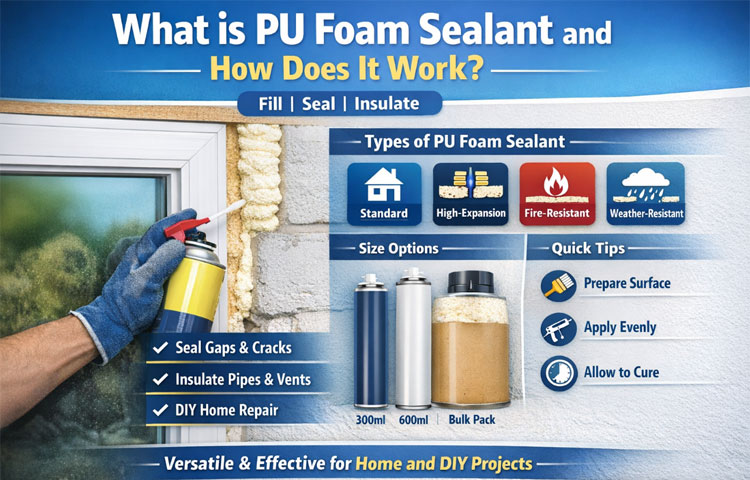
PU Foam Sealant is a versatile material used to fill gaps, seal joints, and insulate surfaces in homes and construction projects. But what exactly is PU Foam Sealant, and why is it so widely used in DIY and professional applications? This article explains the product, its types, and practical tips for selecting the right sealant for your needs.
PU foam sealant is a polyurethane-based expanding foam designed to fill gaps, cracks, and cavities. Unlike standard PU Foam used for insulation, PU foam sealant has controlled expansion properties and better adhesion, making it suitable for:
• Sealing gaps around windows and doors
• Filling small cracks in walls and ceilings
• Insulating around pipes, ducts, or vents
By using PU foam sealant, users can achieve a tight seal that prevents drafts, moisture ingress, and dust accumulation.
PU foam sealant comes in different types based on expansion, curing speed, and special properties. Choosing the right type depends on the gap size, surface material, and application environment.
• Standard PU Foam Sealant: General-purpose foam for small to medium gaps around windows, doors, and wall cracks. Adheres well to wood, brick, concrete, and metal. Ideal for DIY tasks.
• High-Expansion PU Foam Sealant: Expands significantly, suitable for large voids, wall cavities, or wide pipe penetrations. Trim excess after curing.
• Low-Expansion PU Foam Sealant: Minimal expansion, precise sealing around door/window frames or delicate materials. Prevents deformation or pressure on surfaces.
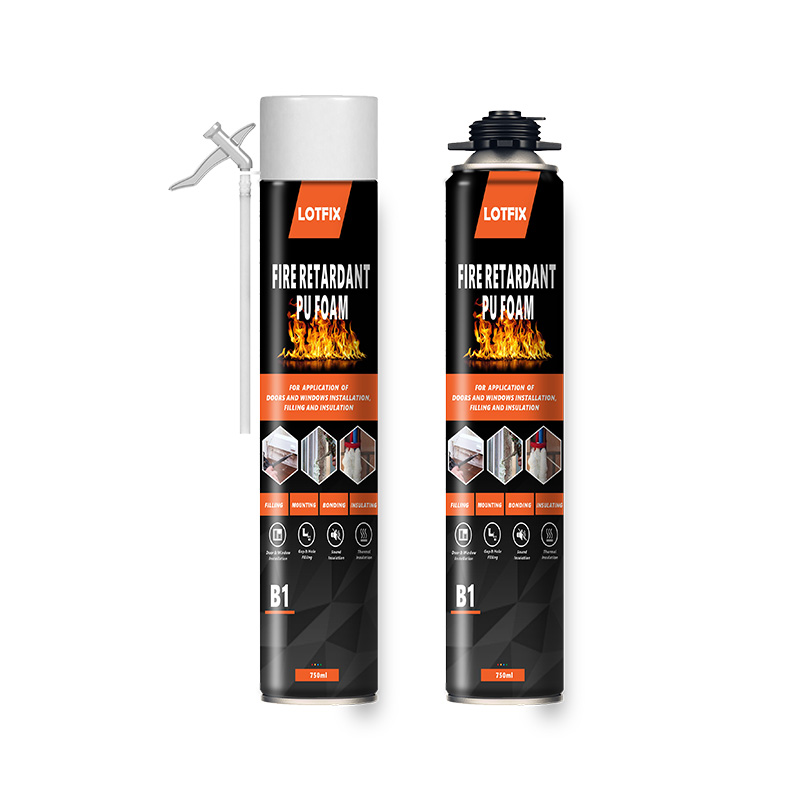
• Fire-Resistant PU Foam Sealant: Contains fire retardants, suitable for electrical conduits or areas requiring fire safety. Slows flame spread.
• Quick-Curing PU Foam Sealant: Hardens faster, useful for time-sensitive DIY projects requiring quick trimming and finishing.
• Weather-Resistant PU Foam Sealant: Formulated to resist UV, rain, and temperature changes. Ideal for outdoor walls, roofs, and window frames.
• Small cartridges (300ml): Best for minor repairs or occasional DIY use.
• Medium cartridges (500–600ml): Covers larger gaps or multiple small projects.
• Bulk options (5L+): Suitable for large-scale projects or frequent use by contractors.
| Scenario | Recommended Type | Cartridge Size |
|---|---|---|
| Small cracks in walls or window frames | Standard PU Foam Sealant | 300ml |
| Large gaps, wall cavities | High-Expansion PU Foam Sealant | 600ml or bulk |
| Precise sealing, sensitive materials | Low-Expansion PU Foam Sealant | 300–500ml |
| Areas requiring fire protection | Fire-Resistant PU Foam Sealant | 300–600ml |
| Fast project completion | Quick-Curing PU Foam Sealant | 300–600ml |
| Outdoor sealing exposed to weather | Weather-Resistant PU Foam Sealant | 600ml or bulk |
• Surface preparation: Ensure surfaces are clean, dry, and free of dust or grease.
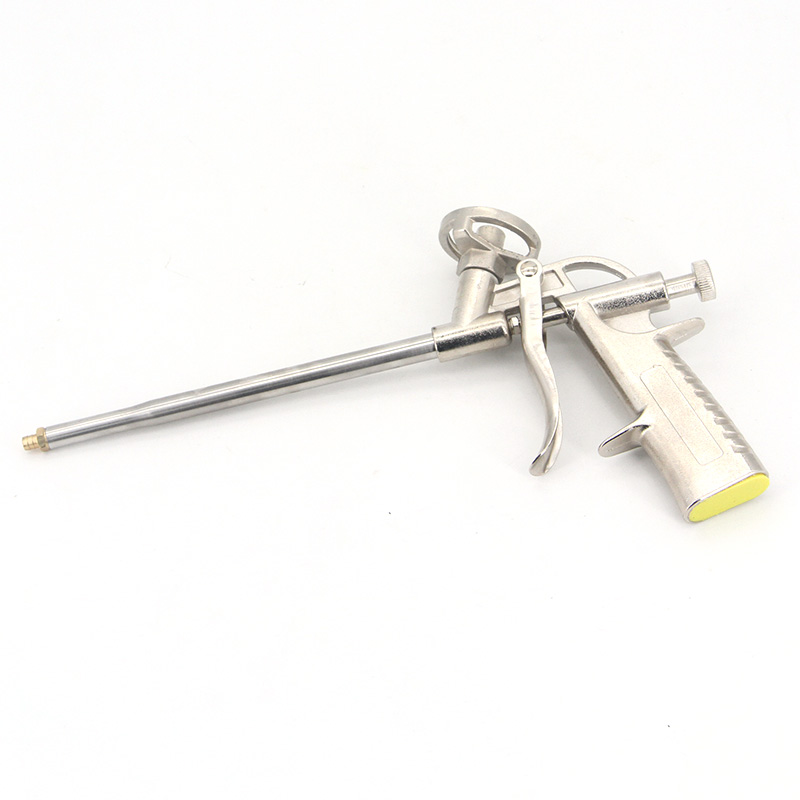
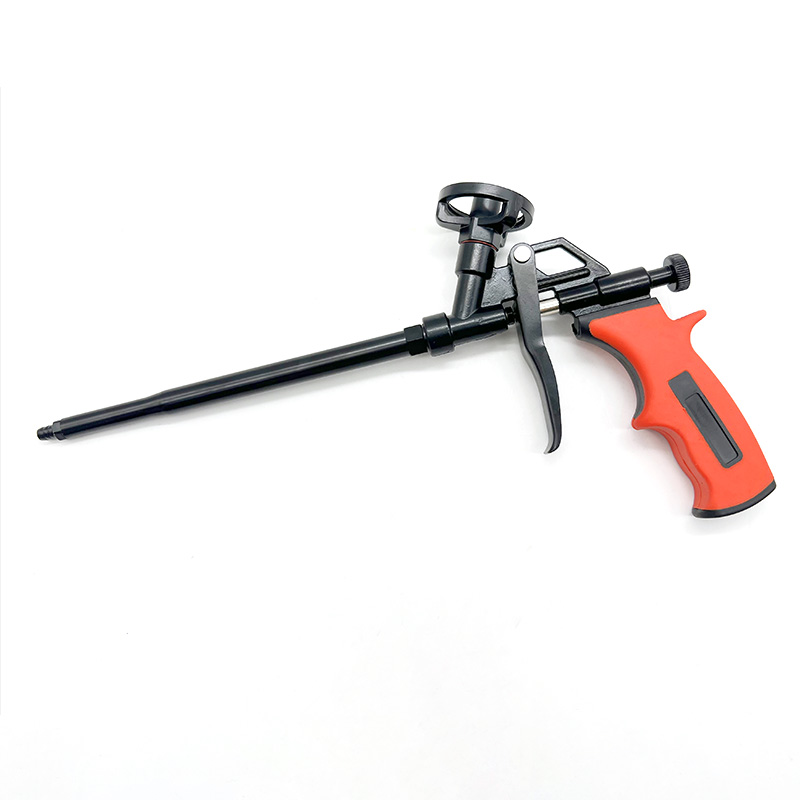
• Application method: Use a caulking gun for even and controlled foam application.
• Curing time: Allow the foam to fully cure before trimming excess or exposing it to water.
• Temperature and humidity: Follow manufacturer guidelines for proper expansion and adhesion.
PU foam sealant combines flexibility, strong adhesion, and insulation in one product. Whether filling small gaps, insulating window frames, or sealing pipe penetrations, it provides reliable performance for both DIY enthusiasts and professionals. Choosing the right type and applying it correctly ensures long-lasting results.
Understanding the different types, sizes, and application considerations of PU foam sealant allows users to choose the most suitable product for their specific needs. Proper preparation and application ensure a durable, airtight, and energy-efficient seal for a wide range of home and DIY projects.