Mobile / WhatsApp
E-mail
The global demand for China silicone sealant continues to expand across construction, glazing, interior finishing, and industrial assembly sectors. For international distributors and importers, working with a professional China silicone sealant manufacturer is less about sourcing a generic adhesive and more about building a stable, long-term supply structure.
Understanding product segmentation, performance standards, and export capability is essential before selecting a supplier.
A competitive China silicone sealant factory typically offers a structured product range instead of a single universal formula. Buyers should understand how different categories serve different markets.
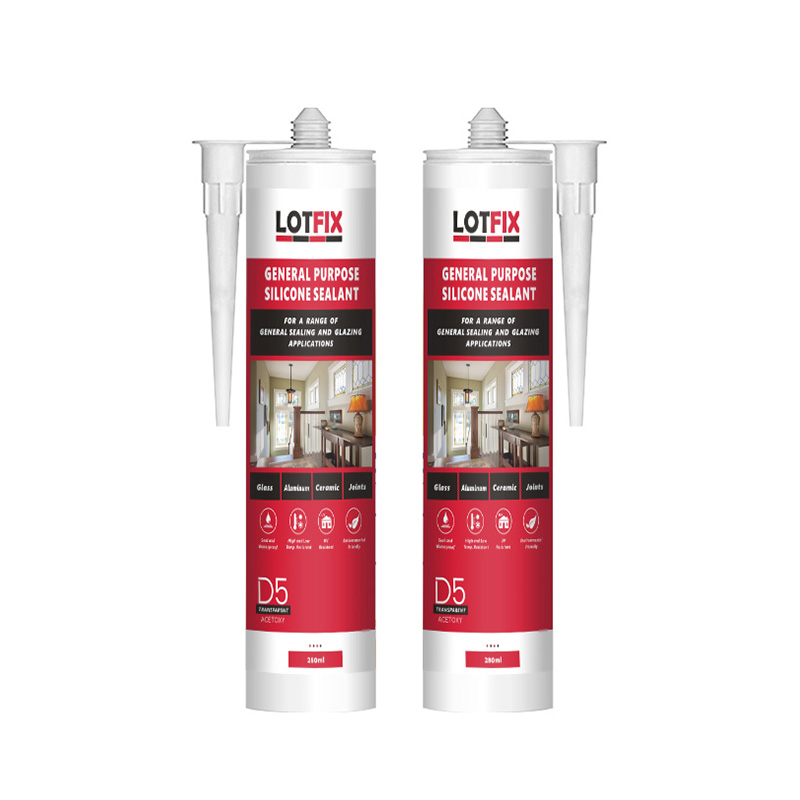
Commonly used for glass installation and general sealing. It offers fast curing speed and strong adhesion to non-porous materials. This type is usually positioned for cost-sensitive retail or wholesale markets.
Designed for broader substrate compatibility, including stone, metal, and concrete. Neutral systems are preferred in professional construction projects due to reduced corrosion risk.
Used in curtain wall and structural glazing applications. This category requires strict quality control and consistent mechanical properties.
Developed for exterior joints exposed to UV radiation, temperature fluctuation, and moisture. Long-term durability is the key selling point.
Primarily used in kitchens, bathrooms, and humid environments. Mold resistance performance determines repeat purchase rate in retail channels.
Professional buyers sourcing China silicone sealant must align product performance with regional climate and regulatory expectations.
• European markets emphasize environmental compliance and low VOC formulations.
• Middle Eastern markets prioritize heat resistance and UV stability.
• Southeast Asian markets demand enhanced anti-mold performance due to humidity.
• South American markets often focus on price-to-performance balance.
Suppliers with export experience typically adapt packaging, formulation, and certification documentation according to target markets.
Performance consistency is critical in the silicone sealant industry. Distributors should verify whether a China silicone sealant factory conducts internal testing for:
• Tensile strength
• Elongation at break
• Movement capability
• Skin formation time
• Full curing time
• Adhesion to multiple substrates
Batch traceability and raw material inspection systems significantly reduce the risk of product complaints and return claims. Factories equipped with automated filling lines also ensure consistent net weight and cartridge sealing integrity.
Many international buyers source China silicone sealant for private branding. In this context, OEM capability becomes a key evaluation factor.
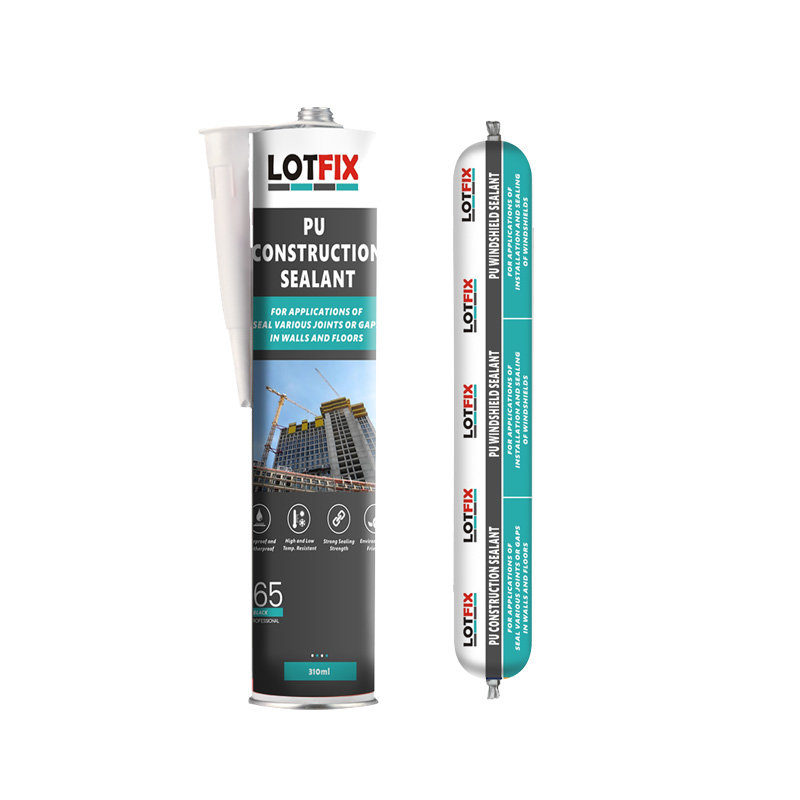
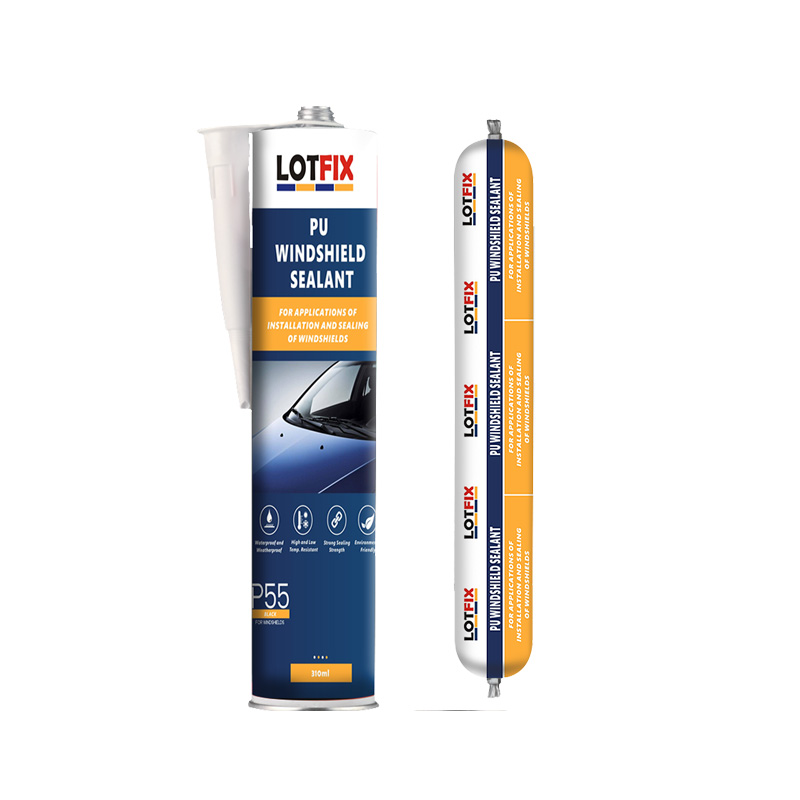
• 280ml / 300ml cartridge formats
• Sausage packaging options
• Multi-language labeling
• Custom color matching
• MSDS and technical documentation
• Export-compliant packaging
The global market for China silicone sealant remains competitive, but not all factories operate at the same technical level. Buyers should evaluate production capacity, automation level, raw material sourcing stability, technical support responsiveness, export track record, and product development capability.
A technically competent China silicone sealant supplier contributes more than just product supply—it supports distributors in building reliable brand reputation and expanding market share.