Mobile / WhatsApp
E-mail
Table of Contents
Silicone sealant can be used on glass, metal, PVC, and some concrete surfaces, but the correct product type matters. Acetic cure silicone is usually better for glass and many non-porous surfaces, while neutral cure silicone is usually safer for concrete, metal, PVC, and other sensitive substrates.
For buyers, the key question is not simply whether silicone sealant can stick to a material. The more important question is whether the sealant type, curing system, adhesion performance, movement capability, and long-term environment match the actual substrate. Using the wrong silicone sealant can cause poor adhesion, corrosion, staining, peeling, cracking, or early joint failure.
Yes, silicone sealant can be used on concrete, metal, glass, and PVC, but not every silicone sealant is suitable for every substrate. Glass is generally easier for silicone adhesion. Metal and PVC often require more careful product selection. Concrete and masonry surfaces usually need neutral cure silicone and proper surface preparation because they are porous, alkaline, dusty, and more sensitive to compatibility problems.
| Substrate | Can Silicone Sealant Be Used? | Better Product Direction | Main Risk If Mismatched |
|---|---|---|---|
| Glass | Yes, commonly used. | Acetic cure or glazing-grade silicone, depending on project requirement. | Weak adhesion if the surface is dirty or if the sealant is not designed for glazing use. |
| Metal | Yes, but product selection matters. | Neutral cure silicone is usually safer for aluminum, steel, coated metal, and galvanized surfaces. | Corrosion, odor, poor adhesion, or coating compatibility problems. |
| PVC | Yes, but adhesion should be checked. | Neutral cure silicone or a product recommended for plastic/PVC applications. | Poor bonding, peeling, or plasticizer-related compatibility issues. |
| Concrete | Yes, when the right silicone and preparation are used. | Neutral cure silicone, often with primer or compatibility testing for demanding joints. | Poor adhesion caused by dust, porosity, alkalinity, moisture, or unsuitable curing chemistry. |
A simple rule for buyers is this: use acetic cure silicone mainly for suitable non-porous surfaces, and use neutral cure silicone when the project involves concrete, metal, PVC, coated surfaces, or substrates that may react with acidic curing by-products.
Acetic cure silicone sealant is generally safer for glass, glazed ceramic tiles, and many non-porous surfaces where strong adhesion and fast curing are needed. It is commonly used in glass sealing, general glazing, aquarium-related applications, and some bathroom or kitchen joints where the substrate is compatible.
Acetic cure silicone is widely used on glass because it usually provides strong adhesion and clear curing performance on clean, non-porous glass surfaces.
It can work well on glazed, smooth, and non-porous tile surfaces when the surface is clean, dry, and free from soap film or grease.
Acetic sanitary silicone is often used for sinks, wash basins, shower screens, and ceramic edges, provided the substrate is not sensitive to acidic curing.
Acetic cure silicone should not be treated as a universal product. It may not be suitable for concrete, natural stone, some metals, mirrors, coated surfaces, or materials sensitive to acidic by-products.
Buyers should be careful when using acetic cure silicone on metal frames, concrete joints, natural stone edges, or unknown plastics. If the substrate is sensitive, alkaline, porous, coated, or likely to corrode, neutral cure silicone is usually a safer direction.
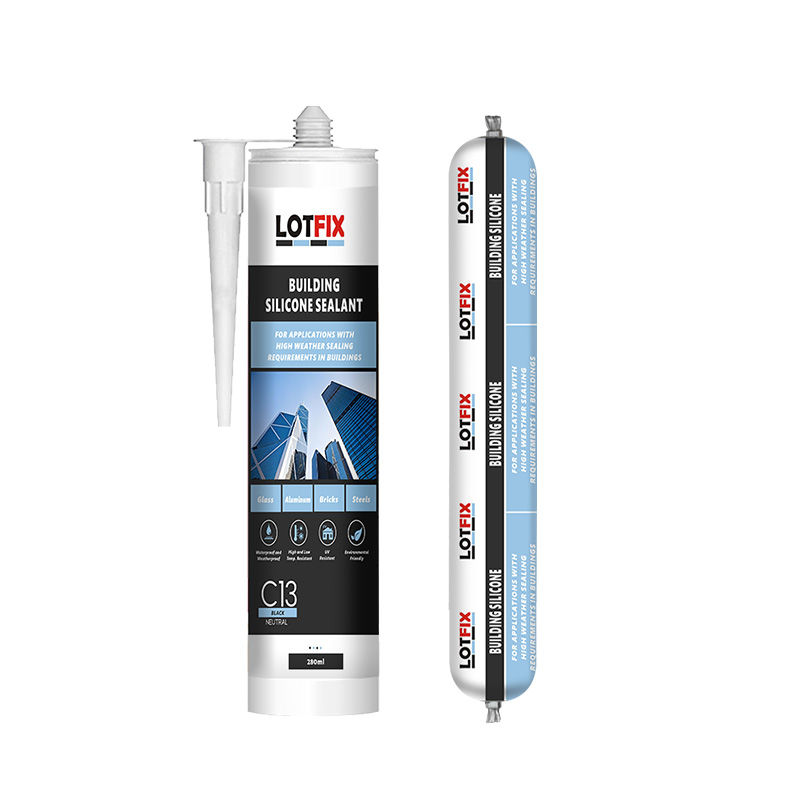
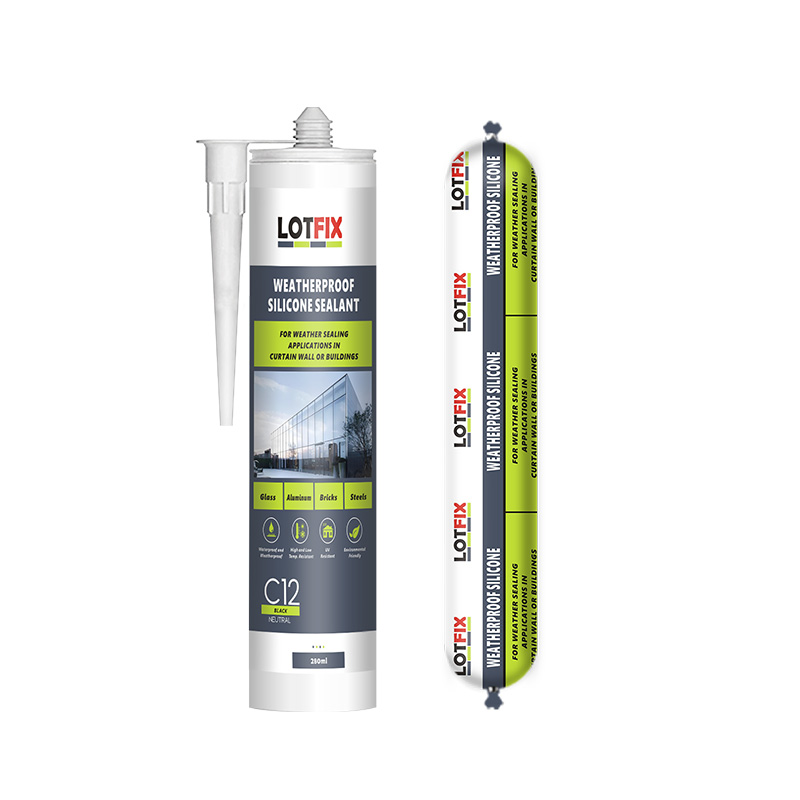
Neutral cure silicone sealant is usually better for concrete, metal, PVC, coated surfaces, mirrors, and many building materials where acetic cure silicone may cause corrosion, odor, staining, or adhesion problems. It is commonly used in construction joints, window and door frames, facade sealing, weatherproofing, roofing details, and mixed-substrate applications.
| Substrate | Why Neutral Cure Silicone Is Often Better | Buyer Reminder |
|---|---|---|
| Concrete and masonry | These surfaces are porous, alkaline, and often dusty, so a more compatible construction-grade sealant is needed. | Clean the surface carefully and check whether primer is needed. |
| Aluminum and metal frames | Neutral cure silicone reduces the risk of corrosion and is commonly used for window, door, and facade sealing. | Test adhesion on coated or painted metal before bulk use. |
| PVC and plastic profiles | Neutral cure products are often preferred for plastic-related sealing, but surface energy and plasticizer issues still matter. | Ask for PVC compatibility guidance or conduct a small adhesion test. |
| Mirrors and coated glass | Some acidic sealants may damage mirror backing or sensitive coatings. | Use mirror-grade or neutral cure silicone recommended for mirror bonding. |
| Natural stone | Sensitive stone may stain if the wrong sealant is used. | Choose non-staining silicone and confirm compatibility first. |
Neutral cure silicone is often the better choice for professional construction projects because jobsite surfaces are rarely only clean glass. Window frames, concrete edges, coated metal, PVC profiles, and exterior joints often appear together, so a more substrate-friendly curing system reduces mismatch risk.
Silicone sealant substrate compatibility matters because the sealant must bond, cure, move, and age properly on the selected material. A sealant may look normal after application but still fail later if it is chemically incompatible, poorly bonded, or unable to handle movement and exposure conditions.
Adhesion risk: silicone may peel from dusty concrete, oily metal, wet PVC, or coated surfaces without proper preparation.
Corrosion risk: acidic curing by-products may affect some metals or sensitive materials.
Staining risk: natural stone, porous surfaces, and decorative materials may discolor if the wrong product is used.
Curing risk: incompatible substrates, contamination, or trapped moisture may affect proper curing and final performance.
Movement risk: exterior joints, window frames, and facade gaps need enough flexibility to handle expansion and contraction.
Service-life risk: UV, water, temperature change, cleaning chemicals, and outdoor exposure can shorten performance if the product is not designed for the application.
This is why buyers should not select silicone sealant only by color, price, or packaging. The substrate and application environment determine whether the sealant can provide reliable sealing performance after curing.
Buyers can avoid silicone sealant mismatch by confirming the substrate, application area, curing system, surface condition, movement requirement, and exposure environment before ordering. For project use, it is safer to send the supplier clear application details instead of asking only for a “general silicone sealant.”
| Before Ordering | What Buyers Should Confirm | Why It Helps |
|---|---|---|
| Substrate | Glass, aluminum, steel, concrete, PVC, ceramic tile, natural stone, wood, or coated surface. | Helps decide whether acetic cure, neutral cure, sanitary, glazing, or special-purpose silicone is more suitable. |
| Application area | Bathroom, kitchen, window frame, curtain wall, roof joint, mirror, facade, or general construction gap. | Prevents using indoor-grade or general-purpose sealant in demanding project areas. |
| Surface condition | Clean, dusty, porous, oily, wet, painted, powder-coated, smooth, rough, or previously sealed. | Shows whether cleaning, primer, surface treatment, or compatibility testing is needed. |
| Joint movement | Static gap, small movement joint, exterior expansion joint, or frame connection joint. | Helps select a sealant with suitable elasticity and movement capability. |
| Exposure environment | Indoor, outdoor, wet area, UV exposure, high humidity, chemical cleaning, or temperature change. | Reduces premature failure caused by water, weathering, mold, or UV exposure. |
If buyers are unsure whether acetic cure or neutral cure silicone is better, the safer approach is to confirm the substrate and application first, then request a matching product recommendation and sample test.
For distributors, contractors, and project buyers, avoiding mismatch is not only about reducing complaints. It also helps improve installation quality, reduce rework, and make product selection easier for different sales channels or jobsite requirements.
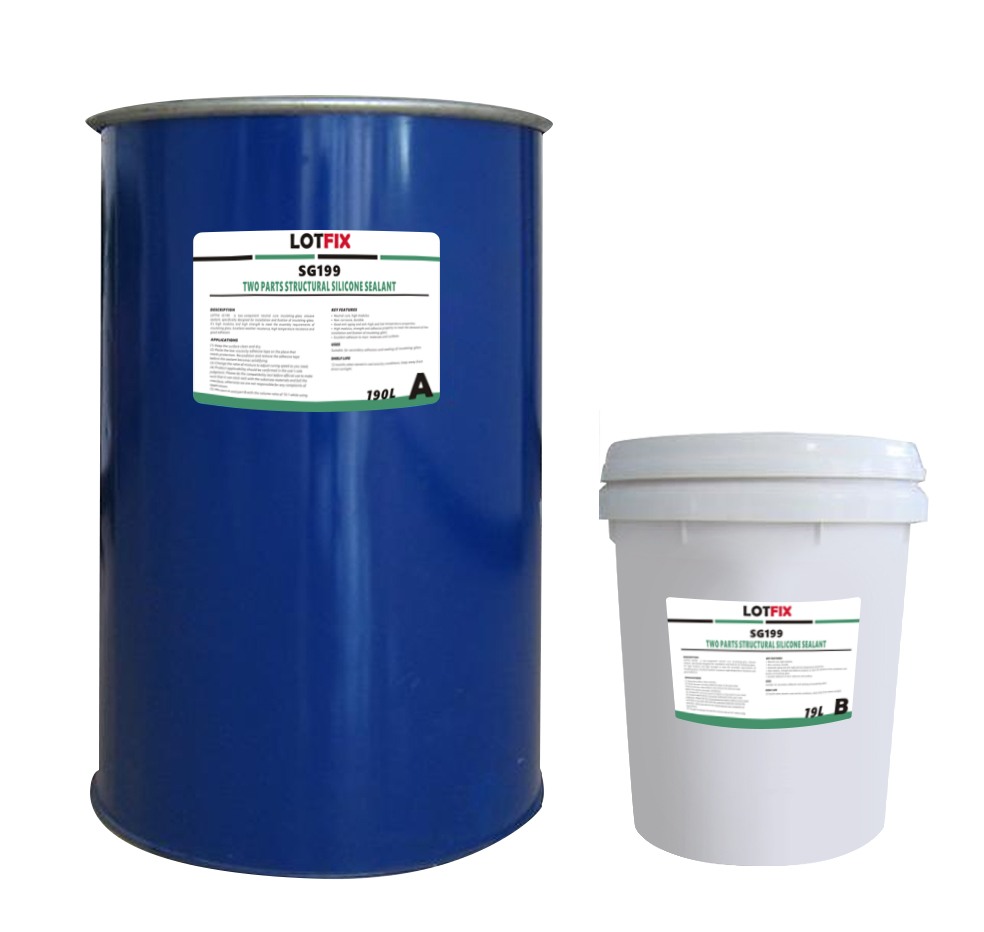
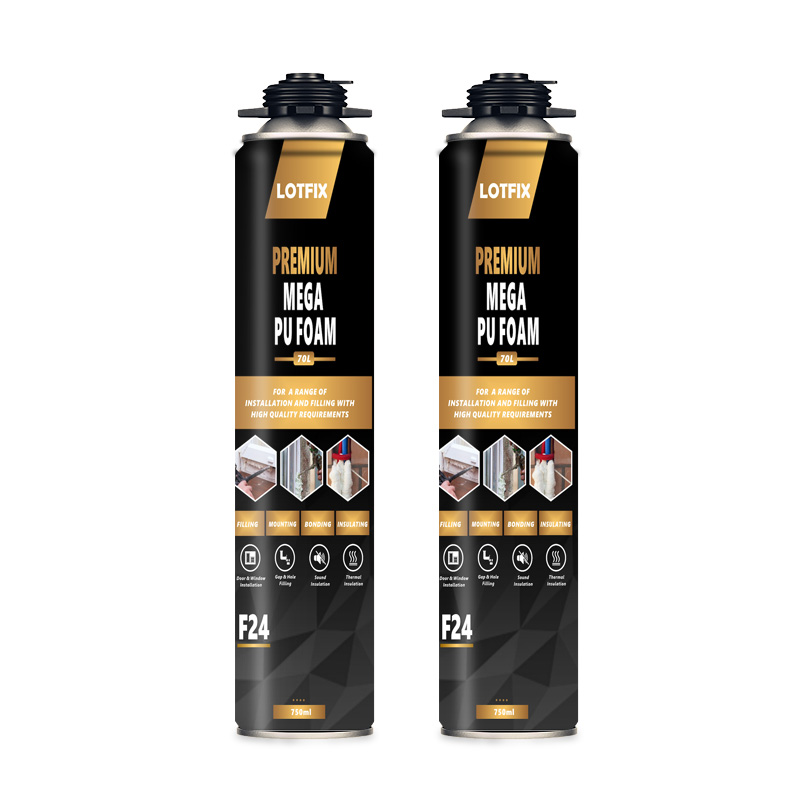
LOTFIX provides silicone sealant, PU foam, acrylic sealant, adhesive, and related construction material solutions for sealing, filling, bonding, insulation, and installation applications. If you are comparing sealants for glass, metal, concrete, PVC, bathroom, kitchen, window, door, or general construction use, you can visit the LOTFIX homepage to learn more about available product categories.
If you have questions about product selection, application scenarios, or cooperation requirements, please Contact Us.