Mobile / WhatsApp
E-mail
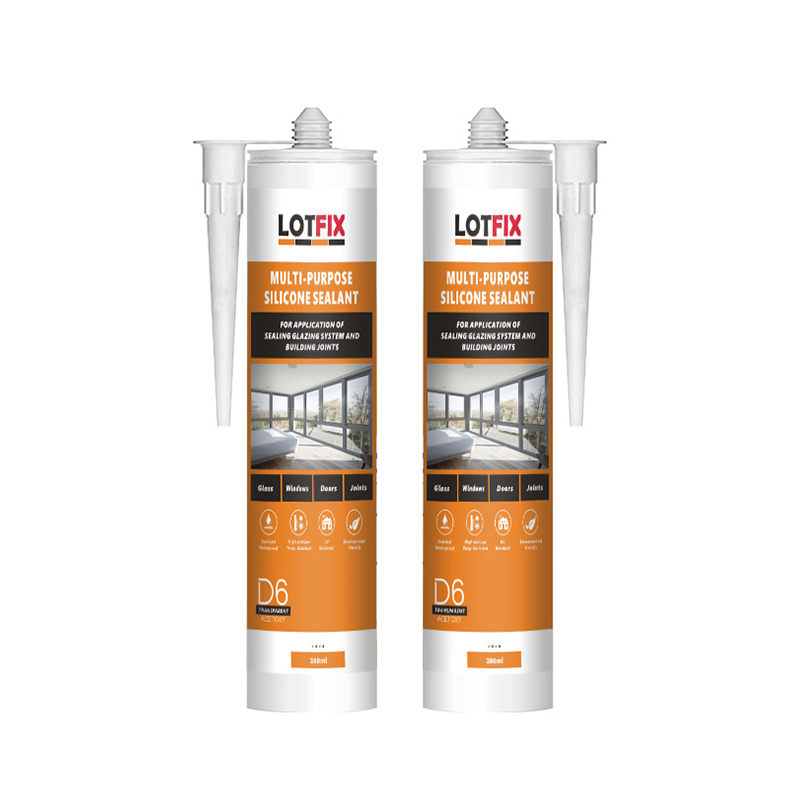
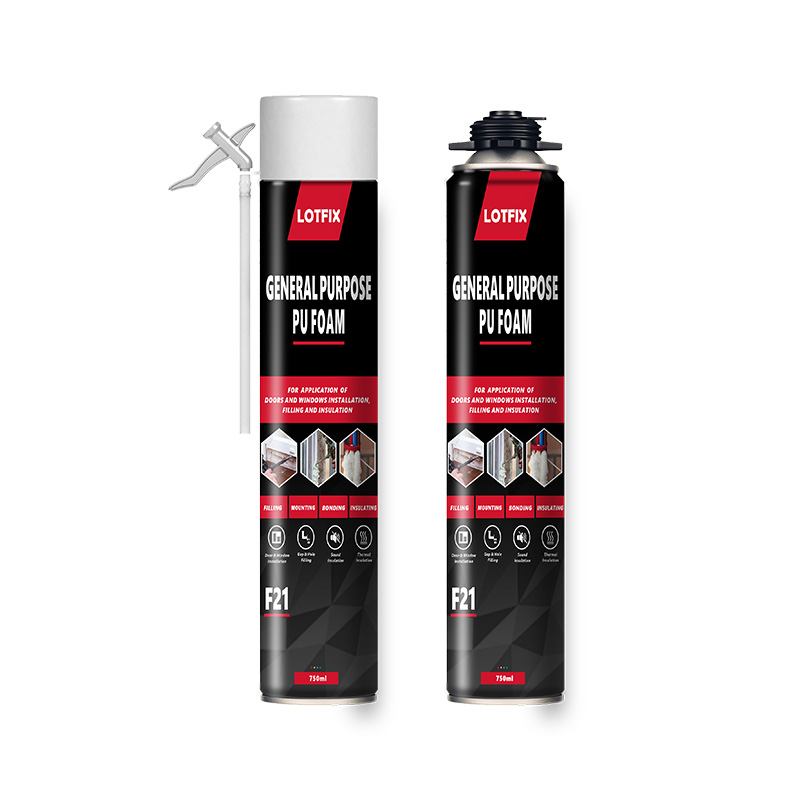
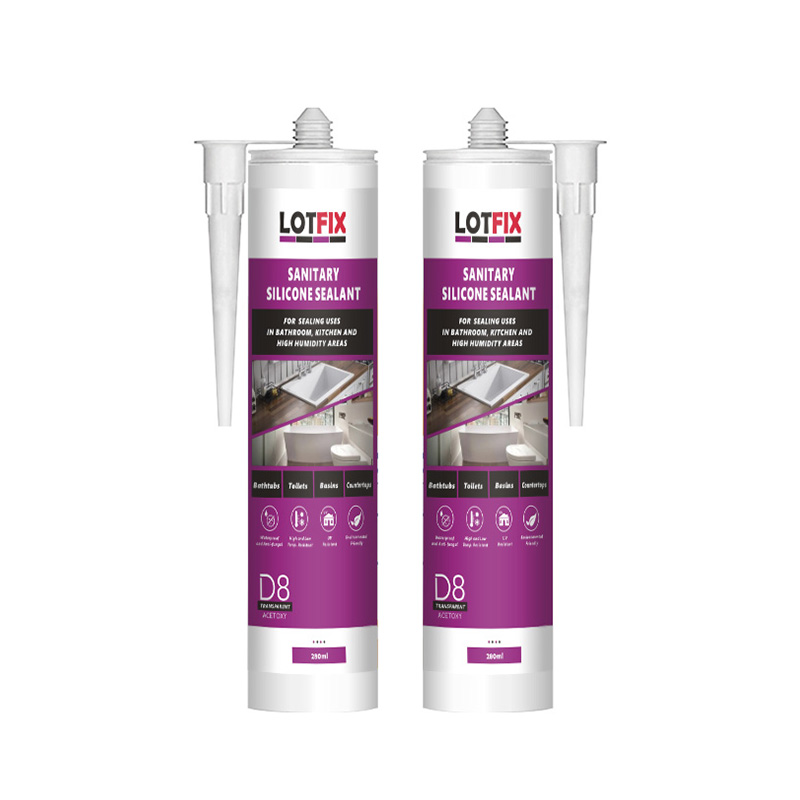
Shelf life is an important factor in sealant purchasing because it affects product usability, inventory turnover, customer satisfaction, and reorder planning. Silicone sealant, PU foam, PU foam cleaner, and other sealing products should be purchased and stored according to their shelf life, storage conditions, sales speed, and expected application scenarios.
For importers, distributors, wholesalers, and project buyers, shelf life is not only a date printed on the package. It should be managed together with production date, shipping time, warehouse temperature, stock rotation, seasonal demand, and customer usage habits.
Shelf life usually means the period during which the product can maintain expected performance under recommended storage conditions. Actual storage condition means how the product is really stored after production, during shipping, in the buyer’s warehouse, and before end users apply it.
A sealant with a reasonable shelf life can still create problems if it is stored under high heat, direct sunlight, freezing conditions, moisture exposure, or poor warehouse rotation.
| Factor | What It Means | Buyer Concern |
|---|---|---|
| Shelf life | Expected usable period under proper storage conditions | Affects purchase volume, sales cycle, and customer confidence. |
| Production date | The date or batch period when the product was produced | Important for stock rotation, traceability, and repeat-order control. |
| Storage condition | Temperature, humidity, sunlight exposure, carton handling, and warehouse environment | Poor storage may shorten practical usability even before expiry. |
Old stock may create problems even before the printed shelf life ends, especially if it has been stored in unsuitable conditions. Sealants and foam products can become harder to extrude, slower to cure, less stable in appearance, or less reliable in real application.
Old sealant may become difficult to extrude, uneven in texture, slower to cure, or less predictable during application.
End users may complain if the product does not flow, cure, expand, bond, or clean up as expected.
Slow-moving stock can become harder to sell, especially when customers check production dates carefully.
Reorder timing should be based on sales speed, shipping lead time, warehouse stock, shelf life, and market seasonality. Buyers should avoid ordering too much at once if the product sells slowly, but they should also avoid waiting too long and causing stock shortages.
| Planning Point | How It Helps |
|---|---|
| Check monthly sales speed | Helps estimate how much stock can be sold before shelf life becomes a concern. |
| Calculate shipping lead time | Helps avoid urgent orders or long periods with no available stock. |
| Use FIFO stock rotation | First-in, first-out management reduces old stock accumulation. |
| Plan seasonal demand | Some products, such as winter PU foam, construction sealants, or project-use sealants, may sell faster in specific seasons. |
Suppliers and buyers should confirm shelf life, production date marking, storage guidance, shipping arrangement, and stock planning before bulk orders. Clear confirmation helps avoid disputes and supports smoother repeat cooperation.
Before ordering, both sides should confirm:
• Product shelf life and recommended storage temperature
• Production date, batch number, and traceability marking
• Whether the product is silicone sealant, PU foam, foam cleaner, or another sealing product
• Shipping time and expected remaining shelf life upon arrival
• Carton quantity, pallet loading, and warehouse handling requirements
• Whether the buyer needs smaller first orders to test sales speed
Buyers can reduce inventory risk by choosing suitable order quantities, monitoring stock age, rotating inventory correctly, and working with suppliers who provide clear production information. For new products, sample testing and smaller initial orders can help buyers understand real market demand before scaling up.
Important: shelf life planning should start before purchase, not when products are already slow-moving in the warehouse.
A practical purchasing plan should balance price, order quantity, shipping cost, shelf life, and sales speed. This helps buyers avoid both stock shortage and old-stock pressure, especially when managing multiple sealant and PU foam product lines.
LOTFIX provides silicone sealant, PU foam, PU foam cleaner, and related sealing products for construction, distribution, OEM, and project applications. If you are comparing sealant shelf life, packaging plans, inventory turnover, or repeat-order arrangements, you can visit the LOTFIX homepage to learn more about available product options.
For product selection, sample requests, packaging details, or OEM cooperation, please contact us and share your application and market requirements.
Visit LOTFIX Homepage Contact LOTFIX