Mobile / WhatsApp
E-mail
Choosing sealant products for different sales channels is not only about selecting popular items. Wholesale, project supply, retail distribution, and private label channels usually need different product grades, packaging formats, price levels, technical support, and stock planning.
For buyers, the safest method is to match the product line with the real customer group. A product that sells well in hardware wholesale may not be suitable for a facade project, and a project-grade sealant may not be the best item for fast-moving retail shelves.
Wholesale channels usually need products with stable demand, clear positioning, easy packaging, and competitive pricing. Buyers often focus on fast-moving items that can serve hardware stores, installers, small contractors, and general construction users.
| Wholesale Product Type | Why It Fits Wholesale | Buyer Note |
|---|---|---|
| General purpose silicone sealant | Suitable for common sealing jobs and broad market demand. | Good for basic product line coverage. |
| Acetic silicone sealant | Often used for glass, ceramic, and simple indoor applications. | Cost-effective, but not suitable for all substrates. |
| Neutral silicone sealant | Better compatibility for many construction materials. | Useful for buyers serving more professional users. |
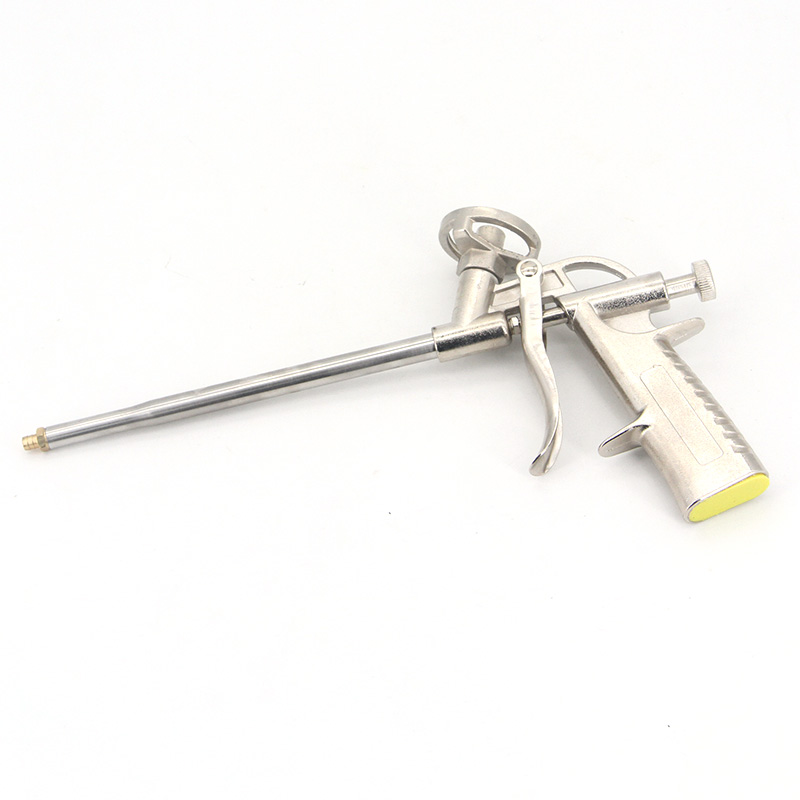
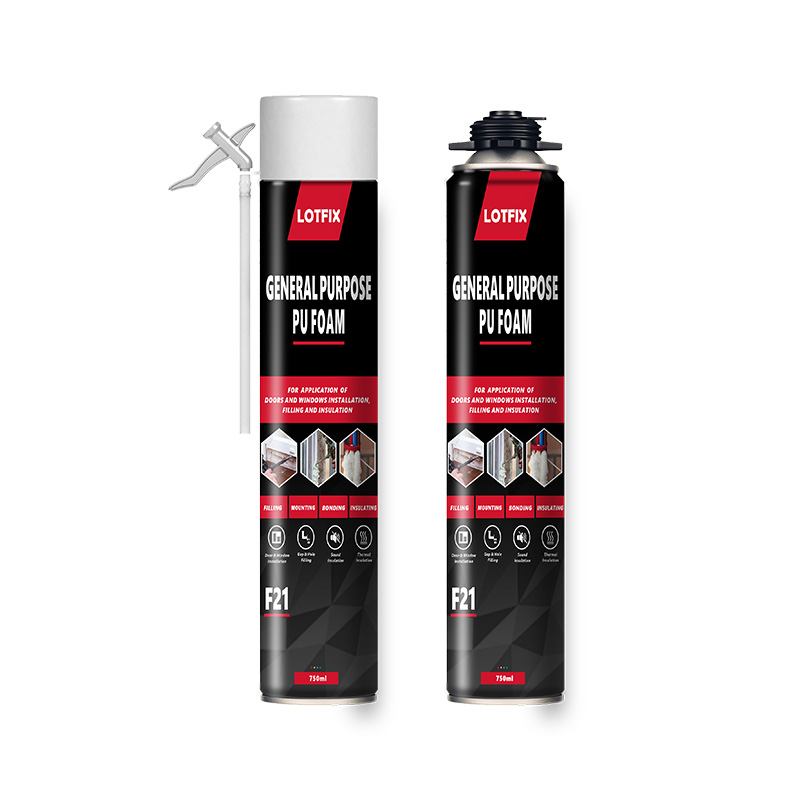
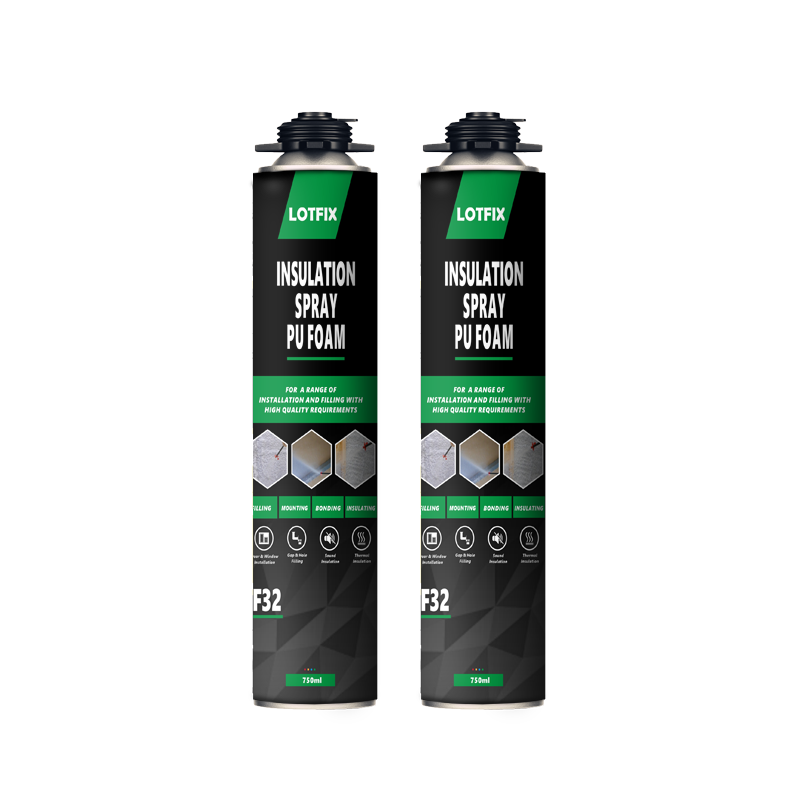
| PU foam | Common for filling, sealing, insulation, and installation work. | Gun foam and straw foam should be selected by user habit. |
Project-oriented channels usually care more about performance, documentation, application matching, and long-term reliability. Buyers serving contractors, facade companies, glass processors, or construction projects should not select products only by low price.
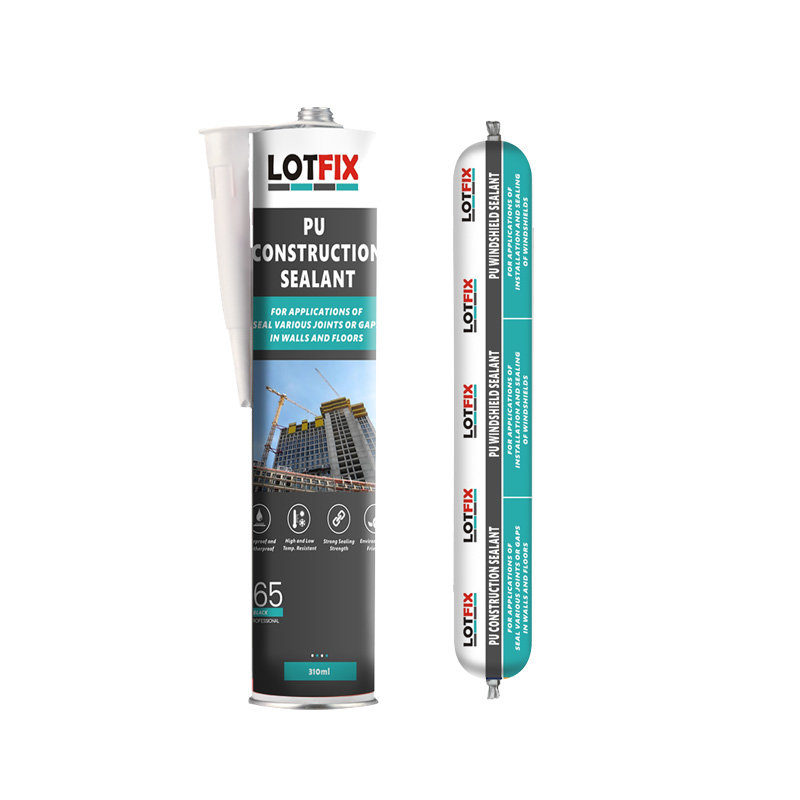
Useful for exterior joints, windows, doors, curtain wall edges, and weather-exposed construction details.
Selected for professional glazing and facade systems where technical review and testing are required.
Suitable for glass factories and IG unit production where secondary sealing and process stability matter.
Important: project products should be matched with the actual application, substrate, test requirement, and installation method. Do not replace technical sealants with general-purpose products.
Private label buyers need to think about both product performance and market presentation. The product should fit the brand position, packaging style, target users, sales channel, and expected price range. A private label line should not be built only around one cheap product.
Suitable for price-sensitive markets, basic retail, and fast-moving wholesale channels.
Better for installers, contractors, and users who care about workability, curing, adhesion, and consistency.
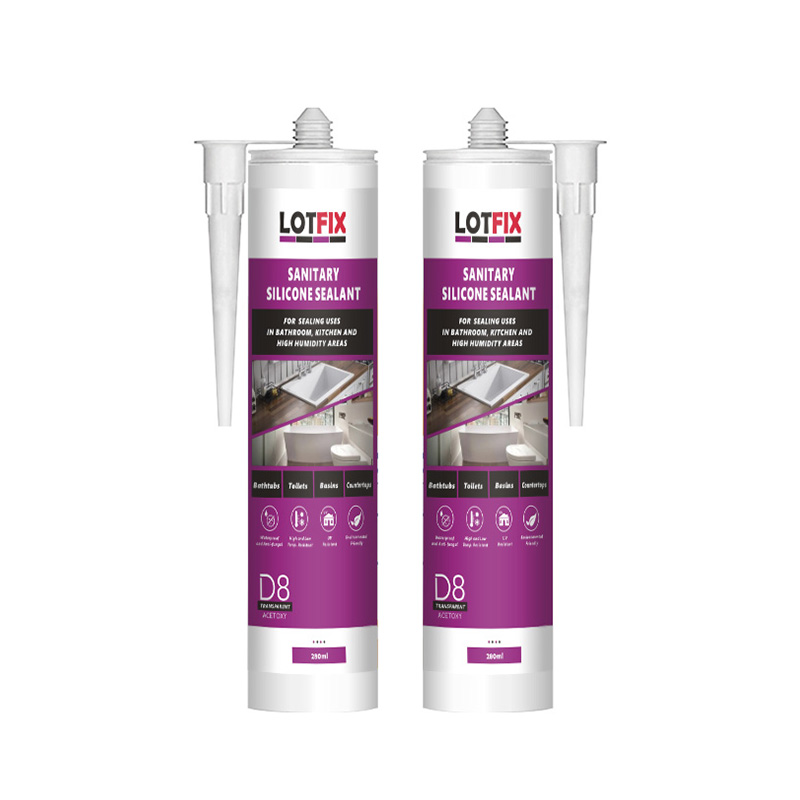
Sanitary, mirror, aquarium, roof and gutter, fire retardant foam, winter foam, and adhesive foam can help differentiate the brand.
Product mix should change according to market climate, construction habits, user skill level, sales channel, and common applications. A market with many professional installers may need more gun foam and neutral sealant. A retail-focused market may need simpler packaging, straw foam, and common household-use sealants.
| Market Type | Suggested Product Mix | Reason |
|---|---|---|
| Retail hardware market | General silicone, sanitary silicone, straw foam, PU foam cleaner | Easy to understand, easy to sell, suitable for small repairs and household use. |
| Contractor supply market | Neutral silicone, weatherproof sealant, gun foam, low expansion foam | Better for repeated installation work and professional users. |
| Facade and glass market | Structural silicone, IG sealant, weatherproof sealant, neutral sealant | Application performance and technical matching are more important. |
| Cold-climate market | Winter PU foam, low-temperature foam, weatherproof sealant | Products must support colder installation and storage conditions. |
Before selecting products for a sales channel, buyers should confirm:
• Target channel: wholesale, retail, contractor supply, project use, factory use, or private label
• Main product types: silicone sealant, PU foam, PU foam cleaner, structural sealant, IG sealant, or specialty sealant
• Application areas: windows, doors, bathrooms, kitchens, facades, mirrors, roofs, insulation, or general gaps
• Packaging needs: cartridge, sausage, tube, drum, gun foam can, straw foam can, or custom packaging
• Price level, quality grade, target market, label language, shelf life, and reorder plan
• Whether samples, test reports, technical data sheets, or OEM design support are required
A good product mix should cover basic demand first, then add professional and specialty products based on real market feedback. This helps buyers build a practical sealant line instead of carrying too many similar products that compete with each other.
LOTFIX provides silicone sealant, PU foam, PU foam cleaner, and related sealing products for wholesale, project supply, OEM, private label, and market distribution. If you are planning a product mix for your channel, you can visit the LOTFIX homepage to learn more about available product options.
For product selection, sample requests, packaging details, or OEM cooperation, please contact us and share your target market and sales channel requirements.
Visit LOTFIX Homepage Contact LOTFIX