Mobile / WhatsApp
E-mail
A complete sealant product line should help distributors cover daily demand, special applications, project requirements, and future category expansion without creating unnecessary inventory pressure.
For distributors, wholesalers, and importers, building a sealant product line is not just about adding more items to a catalogue. A practical product line should help customers find the right sealing solution quickly, support repeat purchases, reduce inventory waste, and leave enough room for higher-value products as the market develops.
Many buyers begin with several popular silicone sealants, then gradually add acrylic sealant, PU sealant, MS sealant, PU foam, adhesives, or project-grade products. However, if the product structure is not planned clearly, the catalogue may soon become crowded with similar SKUs, slow-moving colors, overlapping grades, and confusing product names. The better approach is to build the range step by step, starting with market basics and then expanding according to real customer needs.
A sealant distributor usually needs a group of core products that can cover frequent applications in construction, decoration, sanitary installation, glass work, window and door installation, roofing repair, and general maintenance. These products should be easy to explain, easy to stock, and suitable for repeat sales.
Suitable for common sealing jobs where customers need a practical and affordable product. It is often one of the first SKUs for distributors because demand is stable and applications are broad.
Designed for kitchens, bathrooms, and humid areas. It helps distributors serve installers and retail customers who care about mildew resistance, clean appearance, and long-term sealing.
Useful for interior gaps, wall joints, small cracks, and paintable applications. It is a good support product for building material shops and decoration channels.
After the basic range is stable, distributors can add neutral silicone sealant, mirror sealant, roof and gutter sealant, high-temperature sealant, PU sealant, MS sealant, or other products based on market demand. The goal is not to cover every possible application immediately. The goal is to make sure the first group of products can generate regular sales and customer confidence.
| Product Type | Main Application | Why It Is Usually a Core SKU |
|---|---|---|
| General Purpose Silicone Sealant | Windows, doors, glass, general sealing | Broad demand, easy to sell, suitable for many daily jobs |
| Sanitary Silicone Sealant | Bathrooms, kitchens, humid areas | Clear function and strong retail demand |
| Acrylic Sealant | Interior cracks, wall joints, paintable gaps | Complements silicone products and serves decoration channels |
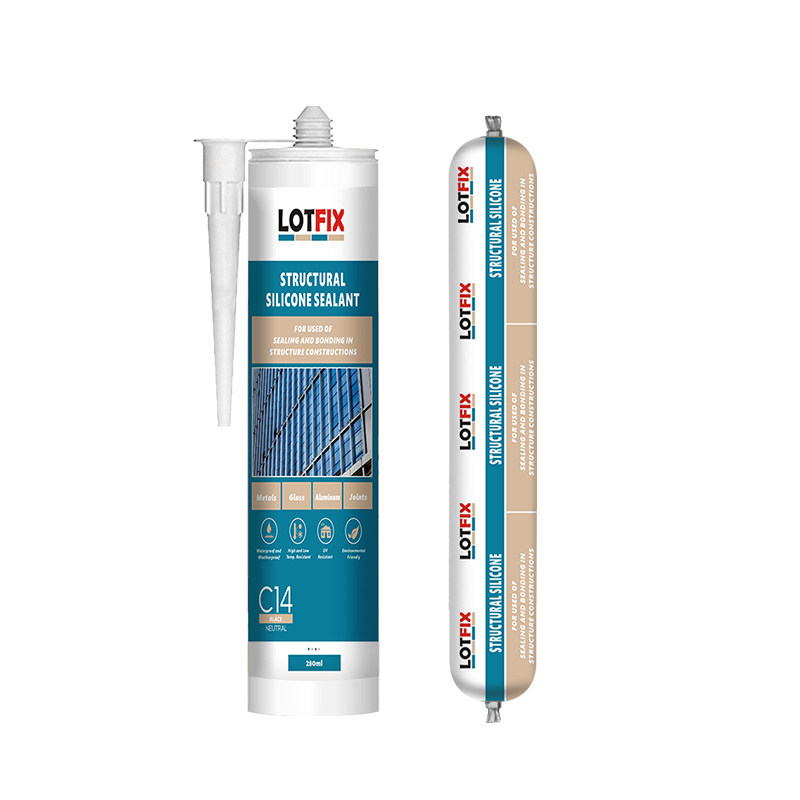
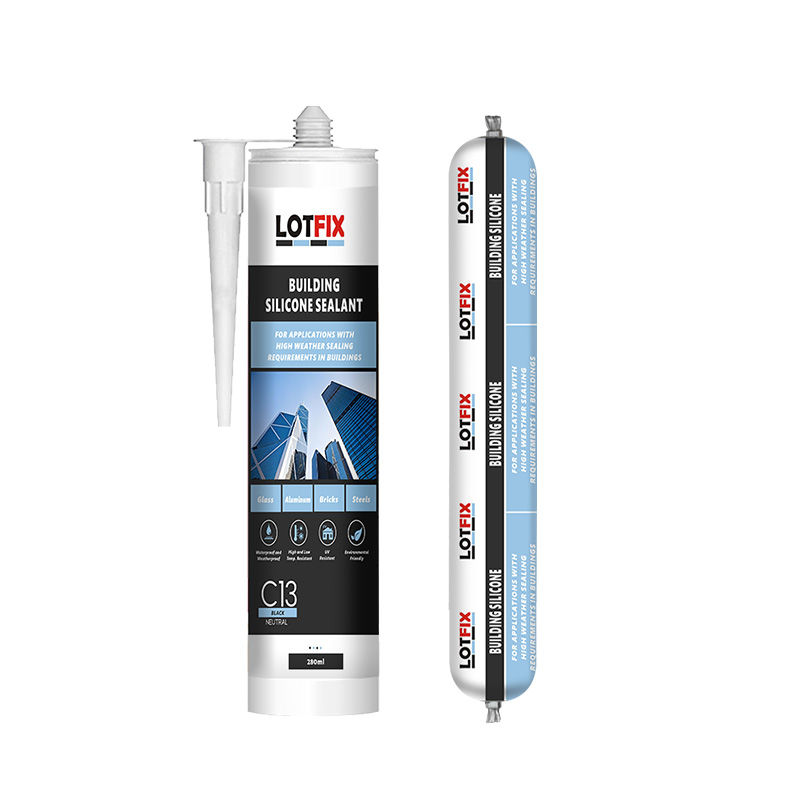
| Neutral Silicone Sealant | Metal, concrete, stone, aluminum, construction joints | Better compatibility for more professional applications |
A mature sealant product line usually has three layers: general products, specialty products, and engineering products. Each layer has a different role. General products bring volume. Specialty products solve specific customer problems. Engineering products support professional projects and higher-value applications.
A balanced product line should not rely only on low-price general products. It should also include products that answer clear application questions, such as waterproofing, anti-mold performance, weather resistance, bonding strength, paintability, flexibility, or project-grade durability.
These are daily-use products for broad applications. They should be competitively priced, easy to stock, and available in common colors and packaging.
These products target specific applications, such as sanitary use, mirror bonding, roofing, high temperature, waterproof repair, or paintable interior gaps.
These are for professional users or project channels, where performance, test data, technical documents, and consistent quality are more important.
For example, a distributor can use general purpose silicone sealant to cover daily retail sales, sanitary silicone for bathrooms and kitchens, acrylic sealant for paintable indoor gaps, neutral silicone for construction compatibility, and PU or MS sealant for stronger bonding or more demanding joints. This structure makes the catalogue easier to understand because each product has a clear reason to exist.
| Product Layer | Typical Products | Business Role |
|---|---|---|
| General | General purpose silicone, acrylic sealant | Build sales volume and cover frequent market demand |
| Specialty | Sanitary silicone, mirror sealant, roof and gutter sealant, high-temperature sealant | Solve specific customer problems and improve product differentiation |
| Engineering | Neutral silicone, PU sealant, MS sealant, project-grade sealants | Support professional users, contractors, and project channels |
One common mistake in sealant product planning is adding many similar products too quickly. For example, a distributor may stock several general silicone sealants with almost the same function, similar price, similar packaging, and only small differences in wording. This may look like a complete catalogue, but it can create confusion for sales teams and customers.
Too many similar SKUs can also increase inventory pressure. Slow-moving items occupy warehouse space, increase cash flow burden, and make replenishment planning more difficult. A better product line should have clear segmentation by application, grade, price level, color, packaging, and sales channel.
Separate products by application: Each SKU should answer a specific use case, such as sanitary sealing, glass sealing, roof repair, interior cracks, or bonding.
Limit unnecessary grade overlap: Avoid having several products at almost the same price and performance level.
Control color expansion: Start with high-demand colors first, such as clear, white, black, gray, or other local market basics.
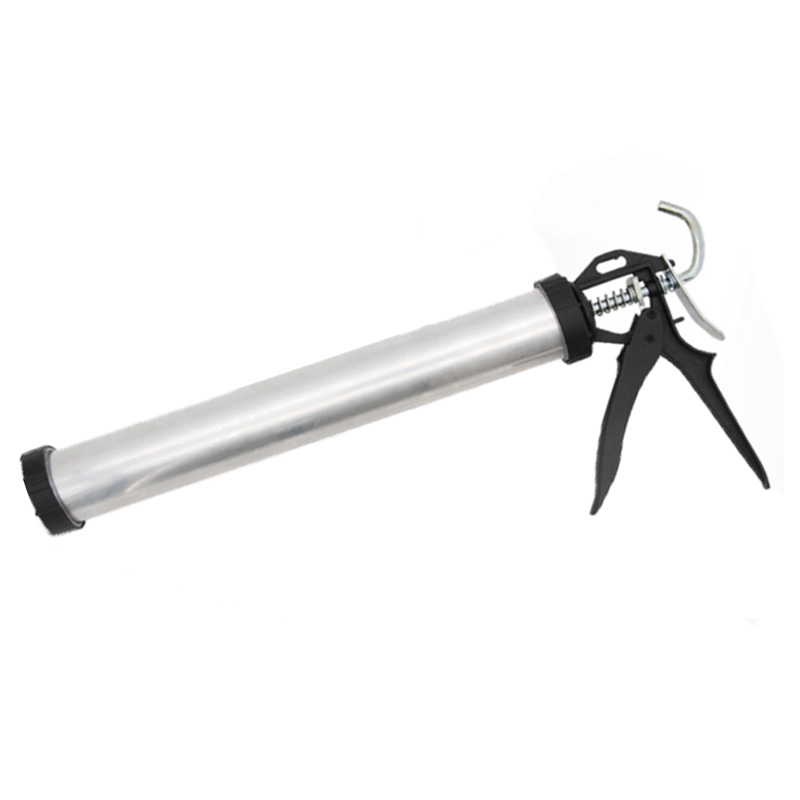
Use packaging strategically: Cartridge, sausage, tube, or bucket packaging should match the user group and sales channel.
Review sales data regularly: Keep strong-moving products, adjust weak items, and avoid expanding only based on assumptions.
Before adding a new sealant SKU, ask one simple question: “What customer problem does this product solve that our current range cannot solve clearly?” If the answer is not clear, the new item may only create overlap instead of real market value.
Distributors can also organize products into a simple good-better-best structure. The entry-level product serves price-sensitive customers, the mid-range product supports regular professional use, and the premium product targets projects or users who care more about performance. This structure is usually easier to explain than a catalogue filled with many similar items.
After the basic sealant line becomes stable, many distributors consider expanding into PU foam, two-part sealants, or more specialized systems. This can be a good direction, but expansion should follow market demand, sales capability, technical support, and inventory planning.
PU foam is often a natural extension for distributors serving construction, window and door installation, insulation, gap filling, and renovation markets. Compared with standard cartridge sealants, PU foam may bring additional sales opportunities because it serves different application scenarios and is frequently used by installers and contractors.
| Expansion Direction | Best Timing | Key Considerations |
|---|---|---|
| PU Foam | When customers already buy construction sealants, window and door products, or installation materials | Foam expansion, density, yield, adhesion, packaging, gun type, storage and shipping conditions |
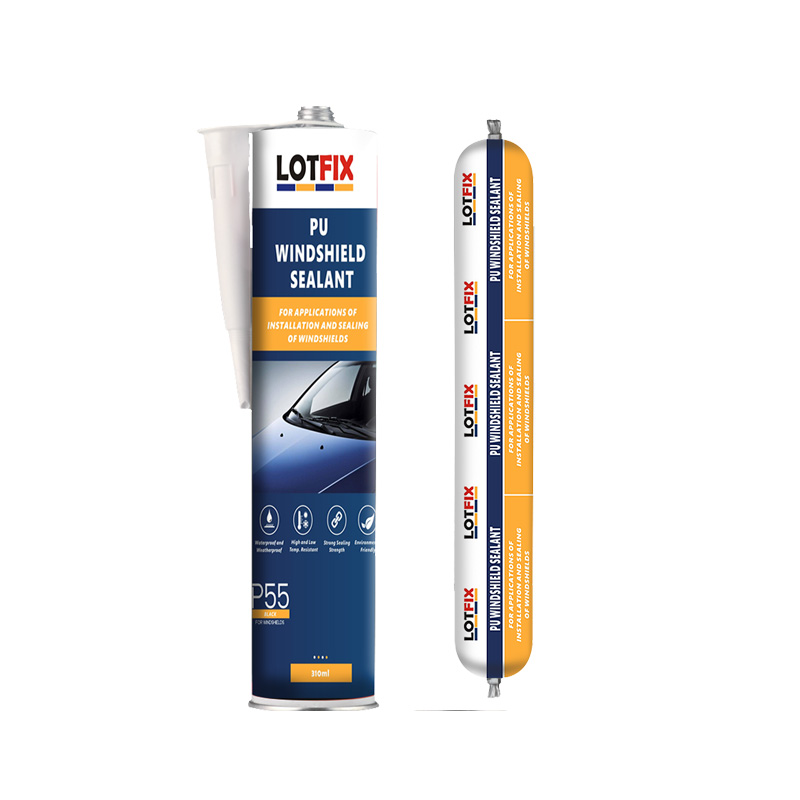
| PU Sealant or MS Sealant | When the market needs stronger bonding, flexibility, weather resistance, or professional sealing | Application training, substrate compatibility, curing conditions, technical data support |
| Two-Part Systems | When serving project customers, industrial users, or applications requiring controlled curing and higher performance | Mixing ratio, equipment, shelf life, user training, project specification and after-sales support |
Two-part systems usually require more technical explanation than standard one-component sealants. They may be suitable for professional projects, industrial bonding, construction joints, or specialized applications, but distributors should not add them only for catalogue completeness. Before expansion, make sure your team can explain the product, your customers understand the application method, and your supplier can provide technical support.
A practical expansion strategy is to first strengthen the core sealant range, then add related categories that your current customers already need. For example, if your customer base includes construction material shops, installers, and contractors, PU foam may be a logical next step. If your customer base includes engineering contractors or industrial users, PU sealant, MS sealant, or two-part systems may create more value.
A more complete sealant product line is not the same as a larger product list. The best product line has clear structure, practical market coverage, controlled SKU quantity, and enough flexibility to expand into new applications when customers are ready.
If you still have questions about sealant product selection, SKU planning, private label cooperation, PU foam expansion, or market-based product line building, LOTFIX is ready to support you with practical recommendations and reliable supply solutions.
Contact LOTFIX