Mobile / WhatsApp
E-mail
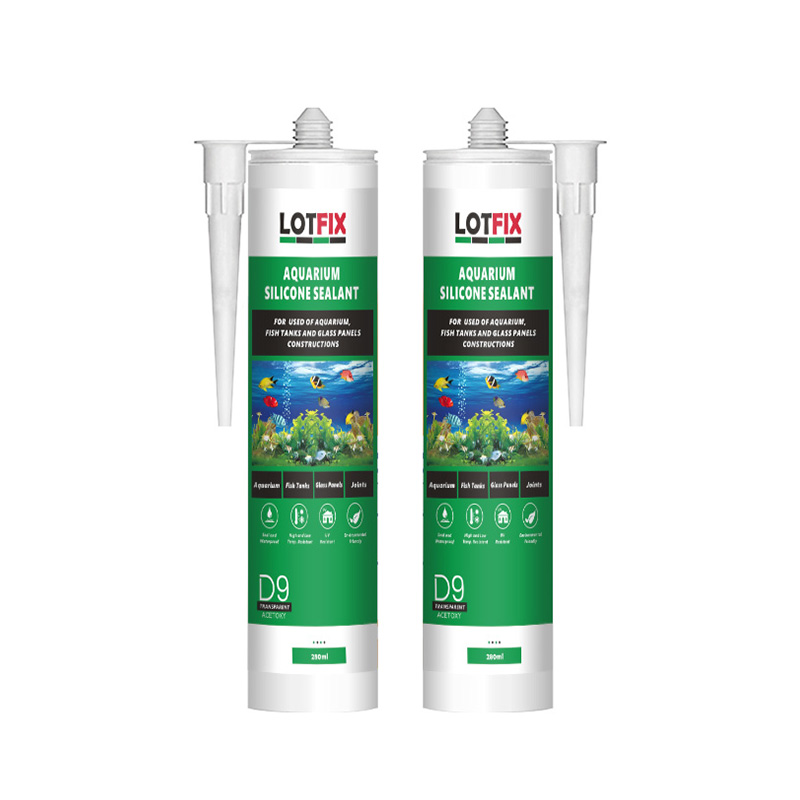
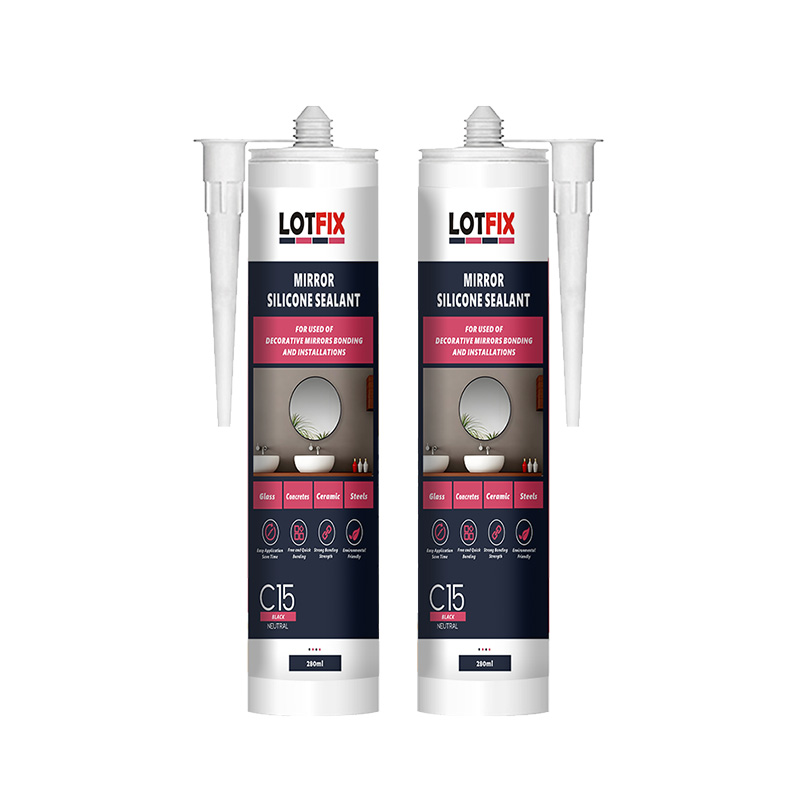
Acetic silicone sealant and neutral silicone sealant are both widely used for sealing, bonding, and waterproofing. The key difference is not simply “which one is better”, but which one fits the material, environment, and application requirement better. Acetic silicone is often suitable for glass, ceramic tiles, and simple indoor sealing. Neutral silicone is usually preferred for metals, concrete, coated surfaces, exterior joints, and mixed construction substrates where lower corrosion risk and wider compatibility are required.
The curing system is the first difference buyers usually notice. Acetic silicone sealant releases acetic acid during curing, which creates a strong vinegar-like smell. Neutral silicone sealant cures through a neutral system, so the odor is milder and the formula is generally less aggressive to sensitive materials.
| Item | Acetic Silicone Sealant | Neutral Silicone Sealant |
|---|---|---|
| Curing odor | Strong vinegar-like smell | Lower odor and more comfortable during application |
| Curing behavior | Fast curing on compatible surfaces | Stable curing with wider material compatibility |
| Material sensitivity | May affect some metals or sensitive surfaces | Lower risk for metals, coatings, concrete, and mixed substrates |
For buyers, substrate compatibility is usually more important than the product name. A sealant that works well on glass may not perform well on coated aluminum, concrete, stone, mirror backing, or painted surfaces. This is why the application surface should be confirmed before placing a bulk order.
• Glass
• Ceramic tiles
• Simple indoor joints
• Smooth non-porous surfaces
• General household sealing
• Aluminum frames
• Coated metal
• Concrete
• Masonry
• Exterior window and door joints
• Mixed construction materials
If the project involves only glass-to-glass or tile sealing, acetic silicone may be enough. If the joint connects different materials, or if the material surface is coated, porous, metallic, or weather-exposed, neutral silicone sealant is usually the safer option.
Indoor sealing usually focuses on neat appearance, basic waterproofing, odor control, and easy application. Outdoor sealing requires stronger weather resistance, UV resistance, joint movement tolerance, and adhesion to construction materials. This is why neutral silicone sealant is often selected for exterior applications, while acetic silicone is more common in simple indoor sealing.
A simple rule: use acetic silicone for compatible indoor glass and ceramic applications; use neutral silicone for exterior joints, metal frames, concrete surfaces, and projects with mixed substrates.
| Application | Recommended Type | Reason |
|---|---|---|
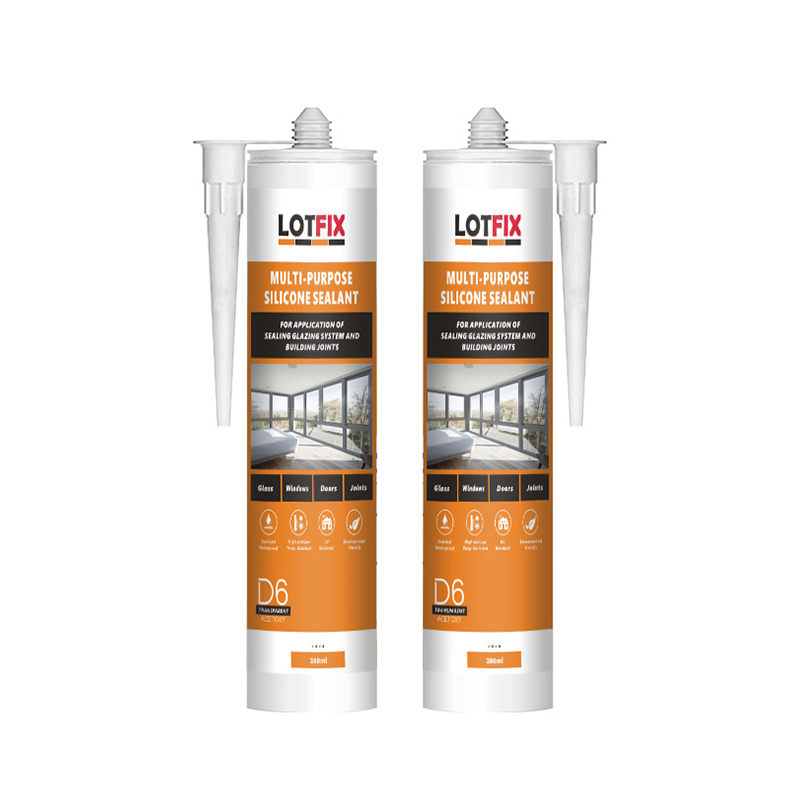
| Glass sealing | Acetic or neutral | Acetic is common for glass, but neutral may be better when other materials are involved. |
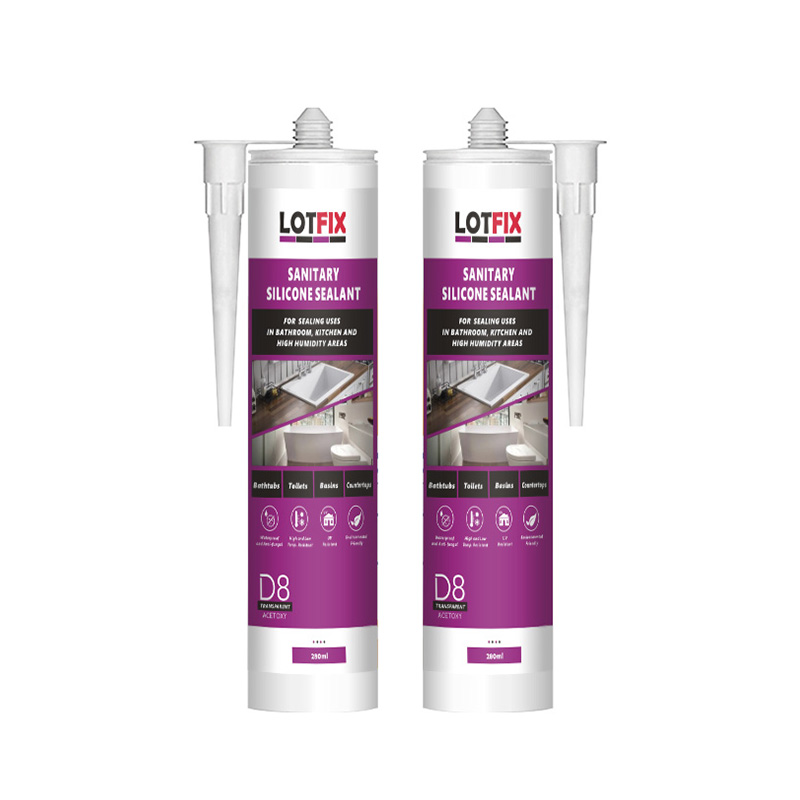
| Bathroom and kitchen joints | Depends on surface and formula | Sanitary performance, mold resistance, and substrate compatibility should be checked. |
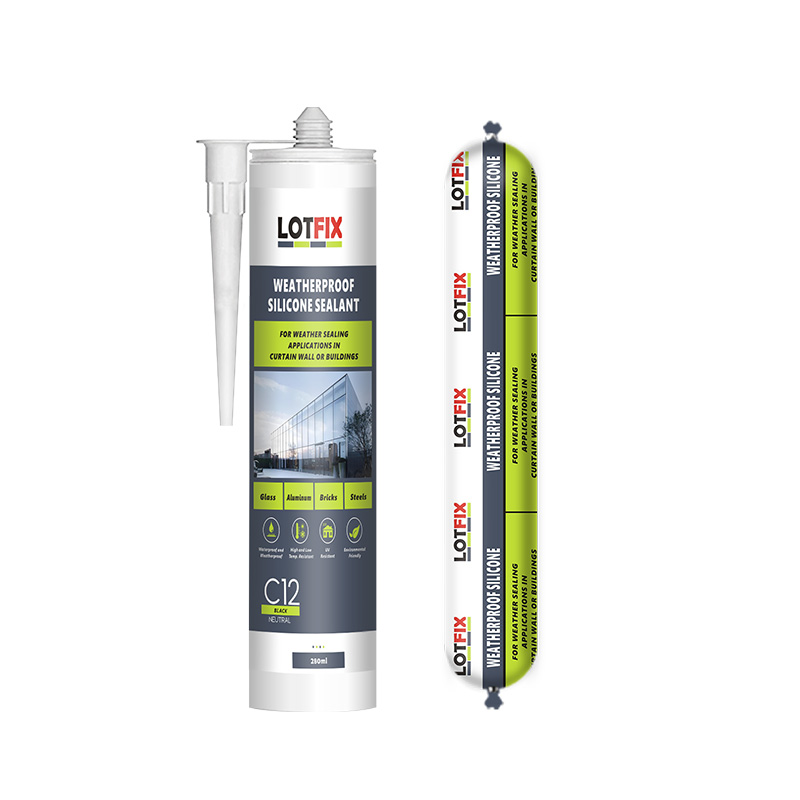
| Exterior window and door sealing | Neutral silicone | Better compatibility with aluminum, coating, concrete, and weather-exposed joints. |
| Curtain wall or facade details | Neutral silicone or special-grade sealant | Exterior movement, UV exposure, and project specifications require stronger compatibility. |
Many ordering mistakes happen because buyers only ask for “silicone sealant” without confirming the curing type, application surface, working environment, color, packaging, or performance requirement. For wholesalers and importers, this can lead to complaints from end users, slow-moving inventory, or product returns.
Before ordering, buyers should confirm:
• Is the project indoor or outdoor?
• What materials will the sealant touch?
• Is the surface glass, ceramic, metal, concrete, coating, stone, or plastic?
• Does the joint need weather resistance or movement capability?
• Is low odor important for the market?
• What color, cartridge size, carton packing, and shelf life are required?
• Is private label or OEM packaging needed?
Acetic silicone can be a cost-effective option if the surface is compatible and strong odor during curing is acceptable.
Neutral silicone is usually a better choice for metal frames, concrete, coated surfaces, and weather-exposed joints.
Ask for samples and test adhesion before bulk ordering, especially for new markets or unfamiliar substrates.
A suitable silicone sealant supplier should help buyers choose by application, not only by price. For B2B purchasing, the right supplier can provide product recommendations, sample support, packaging options, and stable supply for different market needs.
| Supplier Capability | Why It Helps Buyers |
|---|---|
| Multiple silicone sealant options | Buyers can match acetic, neutral, sanitary, weatherproof, and other products to different applications. |
| Application-based recommendation | Reduces the risk of ordering a sealant that does not fit the substrate or environment. |
| OEM and packaging support | Helps importers, distributors, and wholesalers build market-ready products. |
| Sample and technical communication | Allows buyers to test appearance, curing, adhesion, and usability before placing larger orders. |
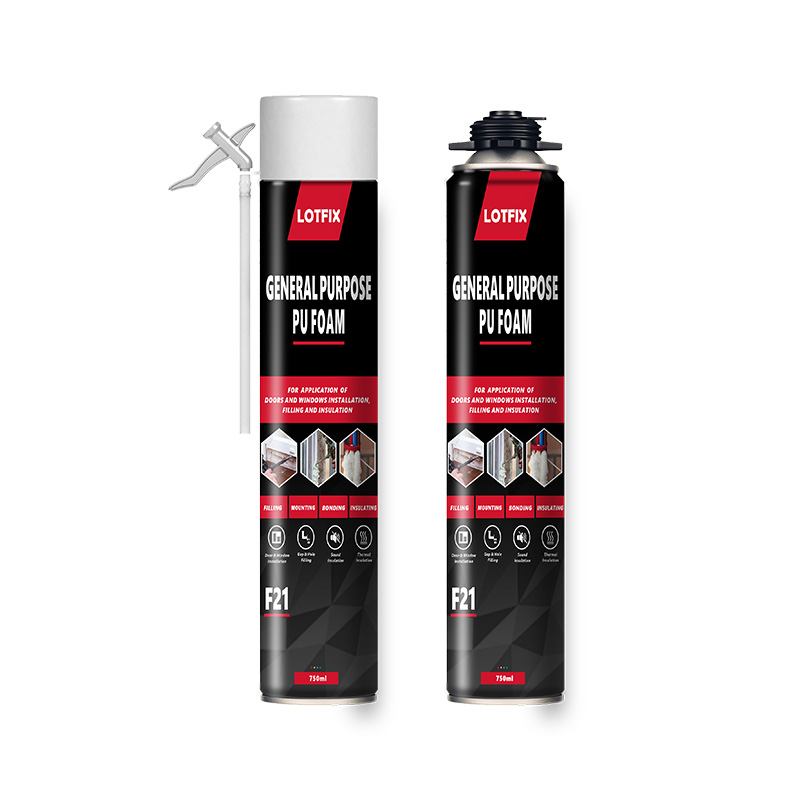
LOTFIX provides silicone sealant and related sealing products for construction, distribution, and project markets. If you are comparing acetic silicone sealant, neutral silicone sealant, PU foam, or other sealing solutions, you can visit the LOTFIX homepage to learn more about available product options.
For product selection, sample requests, packaging details, or OEM cooperation, please contact us and share your application requirements.
Visit LOTFIX Homepage Contact LOTFIX