Mobile / WhatsApp
E-mail
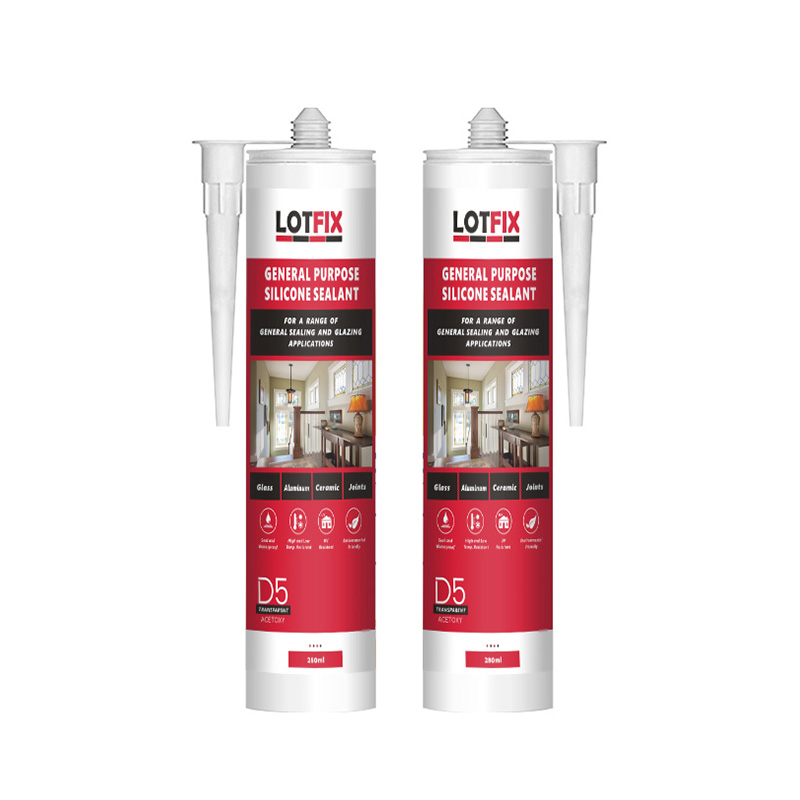
Silicone sealant is a flexible, moisture-curing adhesive and sealing material made from silicone polymers. It is primarily used to create waterproof, airtight and weather-resistant joints in construction, automotive, electronics and general industrial applications. Its long-term elasticity, chemical stability and resistance to UV and extreme temperatures make it one of the most reliable sealing materials on the market.
Silicone sealants bond well to glass, metal, ceramic, stone, concrete, plastics and many composites. They do not shrink or crack with aging, and remain stable under humidity, heat, cold and continuous outdoor exposure. These characteristics are why silicone sealants are commonly used in windows, doors, bathrooms, facades, curtain walls, machinery and various assembly tasks.
Silicone sealant functions as a versatile sealing and bonding material designed to provide waterproofing, insulation, structural support and environmental protection in a wide range of residential, commercial and industrial applications.
Creates an elastic, watertight joint ideal for bathrooms, kitchens, roofs, pipelines and HVAC systems.
Offers durable adhesion to glass, aluminum, ceramics, stainless steel, plastics (including PVC), composites and more.
Maintains stability under sunlight, humidity, rain, salt spray and temperatures from -40°C to 150°C (high-temp grades up to 300°C).
Used in electronics to protect components from moisture, dust and vibration; offers heat resistance and dielectric strength.
High-modulus or structural silicone is used in curtain walls, insulating glass units (IGU) and industrial joint systems.
Silicone sealants are divided into several types based on curing chemistry, performance characteristics and intended application, helping users select the best formulation for their project.
Fast curing, strong adhesion to glass, tiles and ceramics
Releases acetic acid (vinegar smell) during curing
Common in household repairs and glazing work
Low odor, non-corrosive to metal and natural stone
Safe on concrete, aluminum, PVC, polycarbonate
Suitable for construction joints, windows, façades
Withstands continuous 250°C–300°C
Used in ovens, engines, boilers and industrial machines
High bonding strength and high movement capability
Used in curtain walls, IGU bonding and architectural glazing
Contains anti-fungal components
Ideal for bathrooms, kitchens and humid environments
Food-grade silicone
Automotive gasket silicone
Weatherproofing silicone for outdoor joints
Silicone sealant is applied by preparing the surface, dispensing the material in a controlled bead, and allowing sufficient curing time to form a durable, flexible seal.
Ensure the surface is clean, dry and firm
Remove dust, oil, rust, old sealant or loose materials
Apply masking tape if clean joint lines are needed
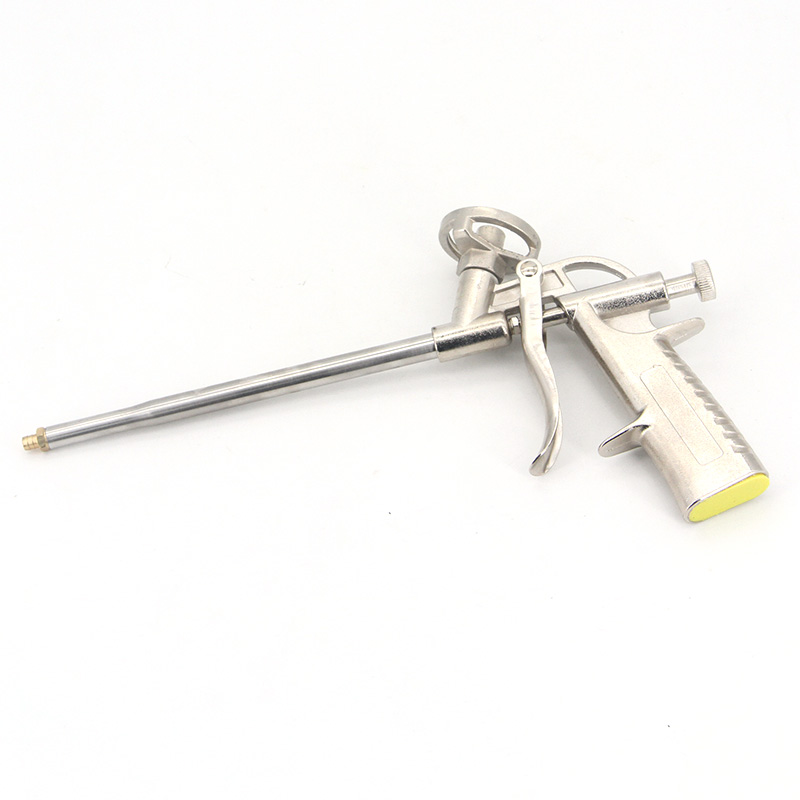
Cut the nozzle at a 45° angle and load cartridge into a caulking gun
Apply a steady, continuous bead along the joint
Smooth the bead using a finishing tool or soapy finger for best appearance
Silicone cures by moisture in the air
Avoid touching or pressing during skin formation
Ensure ventilation in enclosed areas
Silicone sealant typically forms a surface skin within minutes and fully cures within one to two days, depending on temperature, humidity and the type of silicone.
Skin forming: 5–20 minutes
Tack-free time: 20–60 minutes
Initial strength: 3–6 hours
Full cure: 24–48 hours (structural types up to 72 hours)
High humidity = faster curing
Low humidity or cold weather = slower curing
Thicker beads require more time to cure completely
Silicone sealant cannot be dissolved completely by ordinary solvents. The recommended method is to remove the majority mechanically and use chemical removers or heat to soften residue.
Cut along edges with a utility knife or razor scraper
Peel away as much cured silicone as possible
Apply silicone remover gel
Leave for 2–6 hours depending on product
Wipe off softened material and clean the surface
Mineral spirits, rubbing alcohol or acetone help clean oils and remaining traces
Note: These do not dissolve fully cured silicone
Apply gentle heat (hair dryer or heat gun on low)
Softens the silicone for easier scraping
Use plastic scrapers on delicate surfaces
Test chemicals on a small area before use
The above content provides a comprehensive introduction to the definition, functions, classification, application methods, drying time, and removal methods of silicone sealants, suitable for both beginners and industry professionals.
If you require more professional advice on product selection, performance comparison, procurement, or technical parameters, please contact Lotfix or consult industry professionals for more accurate and in-depth guidance.