Mobile / WhatsApp
E-mail
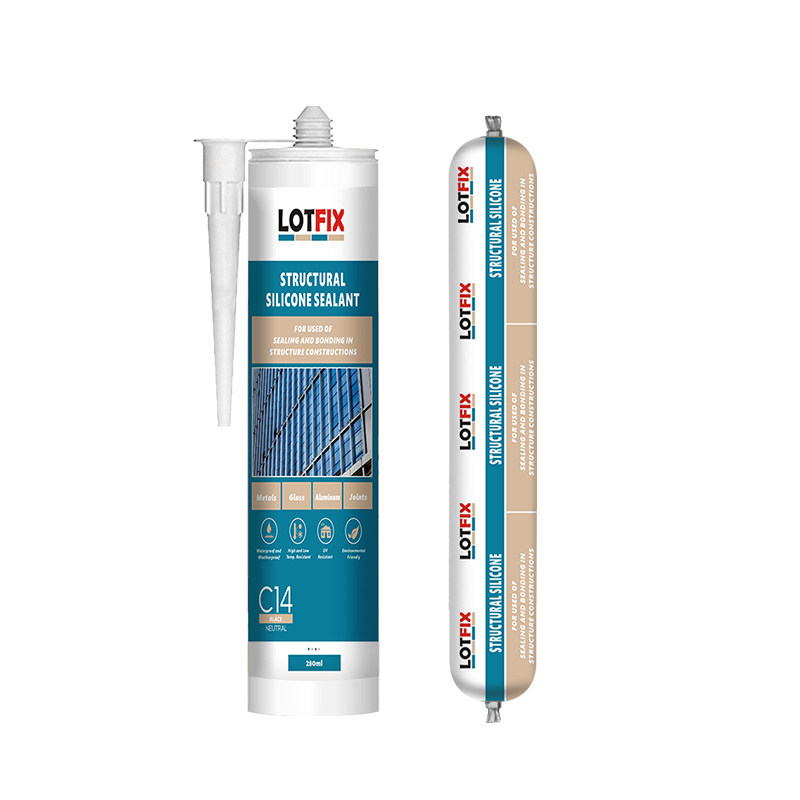
Structural silicone sealant is designed for bonding and load-related glazing applications, while general sealant is mainly used for gap filling, waterproofing, perimeter sealing, and finishing work. The real difference is not only strength. It also involves adhesion performance, movement capability, durability, compatibility, project testing, and whether the sealant is suitable for structural bonding under specified conditions.
For buyers, this distinction is critical. A general silicone sealant may look similar in packaging, color, and texture, but it should not be used to replace structural silicone sealant in curtain wall or structural glazing applications.
A structural silicone sealant is formulated to transfer certain loads between building components, especially in structural glazing systems. It must maintain strong adhesion to approved substrates, resist long-term weather exposure, tolerate joint movement, and remain stable under demanding exterior conditions.
In simple terms, general sealant mainly seals a gap; structural silicone sealant can become part of a designed bonding system when used according to project specifications.
| Requirement | Why It Matters for Structural Use |
|---|---|
| High adhesion | The sealant must bond reliably to approved glass, aluminum, coated metal, or other specified substrates. |
| Durability | Exterior glazing systems face UV, rain, wind, temperature changes, and long-term aging. |
| Movement capability | Facade materials expand, contract, and move, so the sealant must remain flexible without losing bond. |
| Project compatibility | Structural sealant must be compatible with the exact substrate, coating, spacer, gasket, and other system materials. |
Structural silicone sealant is mainly used in professional building envelope systems, especially where glass or panels are bonded to frames as part of a designed facade or glazing system. It is not usually selected for simple household sealing, bathroom gaps, or ordinary interior finishing.
Used in glazing systems where silicone bonding helps connect glass to metal framing under specified design conditions.
Applied in facade systems where long-term adhesion, weather exposure, and movement tolerance are critical.
Used where compatible glass, aluminum, or coated metal components require reliable bonding performance.
Structural silicone sealant should be selected and applied according to project design, substrate testing, compatibility testing, and professional application requirements.
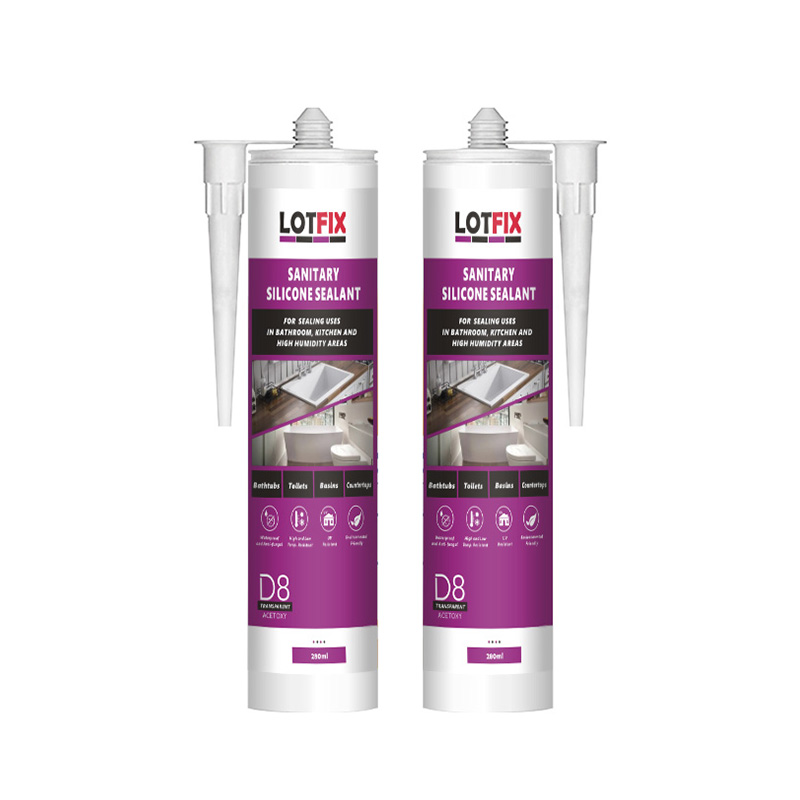
General sealing products are made for sealing, waterproofing, gap filling, finishing, or weather protection. They may perform well in their intended applications, but they are not designed to act as structural bonding materials. Using a general sealant in a structural glazing application can create serious performance and safety risks.
General sealants cannot replace structural silicone sealants because they may lack:
• Required adhesion strength for structural bonding
• Long-term durability under load-related conditions
• Verified compatibility with glazing system materials
• Required performance data for facade engineering
• Suitable movement capability for structural glazing joints
• Project-specific testing and approval support
| Comparison Point | Structural Silicone Sealant | General Sealant |
|---|---|---|
| Main purpose | Structural bonding in specified glazing or facade systems | Gap sealing, waterproofing, finishing, perimeter sealing |
| Typical application | Curtain wall, structural glazing, glass-to-frame bonding | Windows, doors, kitchens, bathrooms, interior and exterior gaps |
| Performance focus | Adhesion strength, durability, movement capability, compatibility, load-related performance | Water sealing, appearance, flexibility, basic weather resistance, easy application |
| Buyer risk if misused | Wrong selection may affect facade safety and project performance | Using it as a structural product may create serious failure risks |
Before ordering structural silicone sealant, buyers should not rely only on product name, price, or packaging. The project information should be clear enough for the supplier to recommend the correct product and testing process.
Is it for structural glazing, curtain wall bonding, weatherproof sealing, or general perimeter sealing?
What materials will the sealant contact: glass, aluminum, coated metal, spacer, gasket, stone, or other system parts?
Is the joint exposed to UV, rain, wind load, temperature changes, or high movement conditions?
Does the project require adhesion testing, compatibility testing, technical data, or approval documents?
Buyers should also confirm:
• One-component or two-component product requirement
• Cartridge, sausage, drum, or other packaging requirement
• Color and curing speed requirements
• Shelf life and storage conditions
• Whether the product is for project use, distribution, or OEM supply
The safest approach is to separate the purchasing logic clearly: use general sealant for general sealing work, weatherproof sealant for exterior weather-exposed joints, and structural silicone sealant only when the project specifically requires structural bonding performance.
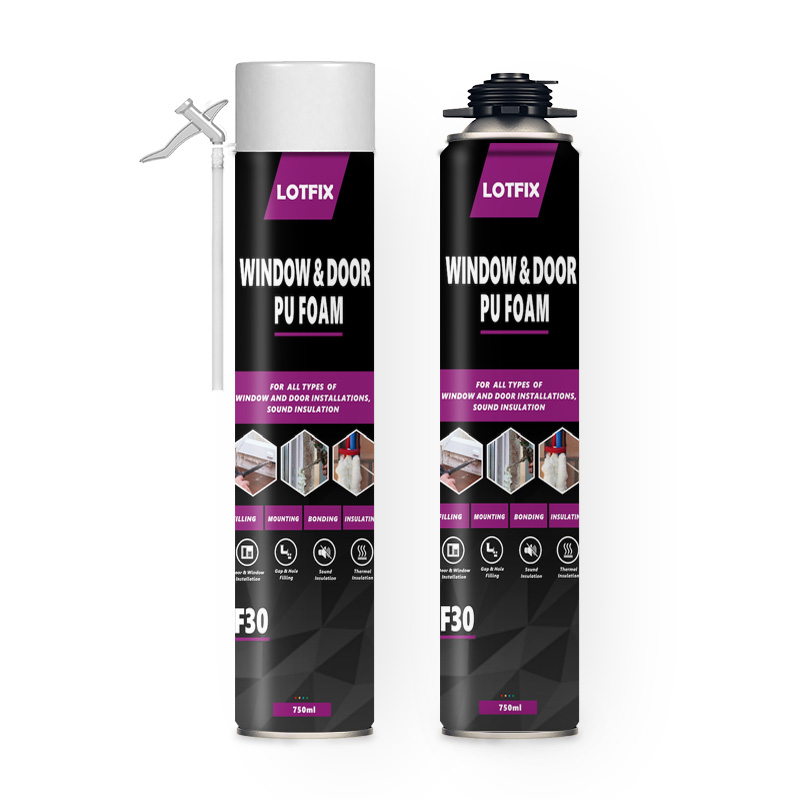
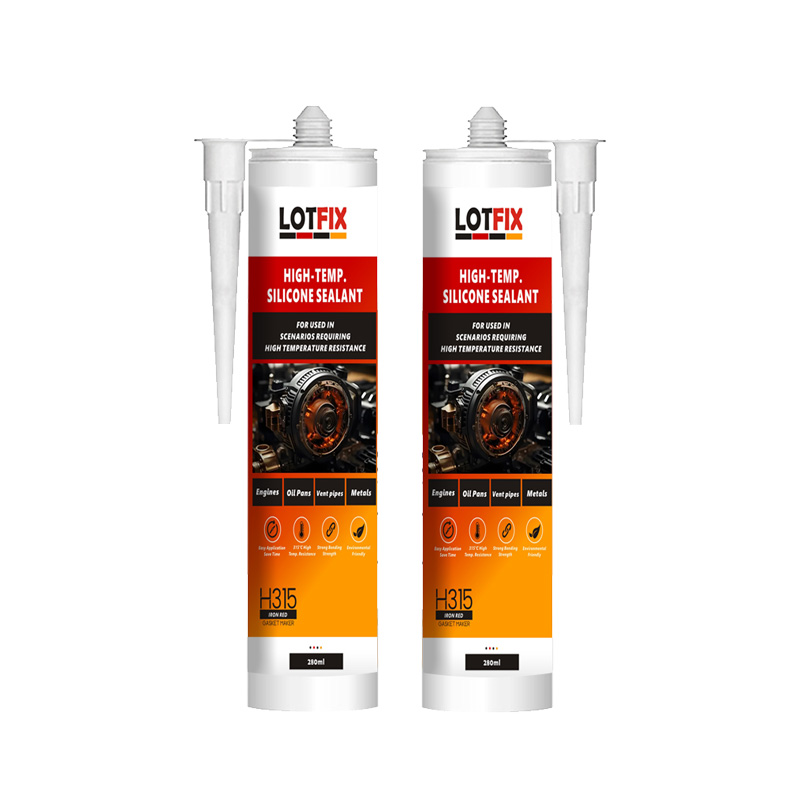
LOTFIX provides silicone sealant and related sealing products for construction, distribution, and project applications. If you are comparing structural silicone sealant, general silicone sealant, weatherproof silicone sealant, neutral silicone sealant, PU foam, or other sealing solutions, you can visit the LOTFIX homepage to learn more about available product options.
For product selection, sample requests, packaging details, or OEM cooperation, please contact us and share your application requirements.
Visit LOTFIX Homepage Contact LOTFIX