Mobile / WhatsApp
E-mail
Table of Contents
Grout should be used between tiles on the same flat surface, while silicone sealant should be used at corners, movement joints, wall-to-floor transitions, and places where tile meets another material.
Around tiles, silicone sealant and grout are not interchangeable. Grout gives tile joints a hard, neat, filled appearance, while silicone sealant provides flexible waterproof sealing where movement is expected. Choosing the wrong material is one of the most common reasons bathroom corners crack, shower edges leak, and tile joints fail earlier than expected.
The main difference between silicone sealant and grout is flexibility. Grout cures hard and rigid, while silicone sealant cures into a rubber-like, flexible material that can stretch, compress, and move with the joint.
| Item | Grout | Silicone Sealant |
|---|---|---|
| Final texture | Hard and cement-like after curing. | Flexible, rubber-like, and elastic after curing. |
| Main role | Fills the gaps between tiles on the same flat surface. | Seals corners, edges, transitions, and movement-prone joints. |
| Movement ability | Very limited movement tolerance. | Designed to absorb expansion, contraction, vibration, and building movement. |
| Water resistance | Cement-based grout is often porous and may need sealing. | Provides flexible waterproof sealing when properly applied. |
| Best use | Tile-to-tile joints on flat walls and floors. | Corners, shower edges, bathtub joints, countertop edges, and tile-to-fixture joints. |
A simple way to understand the difference is this: grout is for filling tile joints; silicone sealant is for sealing moving or changing joints. When the surface direction changes, or when tile meets another material, a flexible sealant is usually the safer choice.
Grout should be used between tiles on the same flat plane, such as the joints between wall tiles, floor tiles, backsplash tiles, and other stable tile-to-tile gaps.
Grout fills the visible gaps between tiles and creates a clean, continuous tiled surface.
For large areas of tile-to-tile joints, grout is usually more economical and efficient than silicone sealant.
Grout works best where the tiles are on the same flat surface and the joint is not expected to move.
Grout helps define tile lines and gives tiled walls, floors, and backsplashes a finished look.
The limitation is that grout is rigid. Cement-based grout can absorb water, stain, crack, or crumble if it is used in a joint that moves. This is why grout is not the right material for inside corners, wall-to-floor transitions, bathtub edges, countertop edges, or tile-to-glass joints.
Silicone sealant should be used where tile joints need waterproofing and flexibility, especially at changes of plane, corners, edges, and transitions between tile and another material.
Inside wall corners: use silicone where two tiled walls meet, because corners can move and grout may crack.
Wall-to-floor joints: use silicone at the base of shower walls, bathroom floors, and other plane changes.
Bathtub and shower tray edges: use sanitary silicone to seal the joint between tile and the tub or tray.
Tile-to-countertop joints: use silicone where backsplash tile meets a countertop or sink area.
Tile-to-glass or tile-to-metal joints: use silicone around shower glass, frames, metal trims, and fixtures.
Wet areas: use a suitable sanitary silicone sealant where waterproofing and mildew resistance are important.
Silicone sealant costs more than grout and requires cleaner application, but it is much better suited for moving, wet, or mixed-material joints. A properly applied silicone bead can remain flexible and help prevent water from entering the joint line.
Professional tile installation guidance commonly recommends using a flexible sealant at changes of plane instead of rigid grout. This means that corners, transitions, and movement-prone joints should not be treated the same as flat tile-to-tile grout lines.
Practical rule: when tile changes direction or meets another material, use a flexible silicone sealant. When tile continues across the same flat plane, use grout.
The reason is movement. Buildings naturally expand, contract, settle, and respond to temperature and humidity changes. A corner or transition joint must be able to absorb this movement. Grout is too rigid for that job, so it often cracks along shower corners, bathtub edges, and wall-to-floor lines.
In wet areas, 100% silicone sealant is usually preferred for these flexible joints because it offers strong water resistance, elasticity, and better long-term performance than rigid grout in moving corners. For bathrooms and showers, sanitary-grade silicone with mildew-resistant properties is often the better choice.
The easiest way to choose between silicone sealant and grout is to look at the joint location. If the joint is flat tile-to-tile, use grout. If the joint changes direction, moves, or meets another material, use silicone sealant.
| Joint Location | Use Grout? | Use Silicone Sealant? | Reason |
|---|---|---|---|
| Between wall tiles on the same flat surface | Yes | No | Static tile-to-tile joint. |
| Between floor tiles on the same flat surface | Yes | No | Grout creates a durable tile surface finish. |
| Inside shower corner | No | Yes | Corner joints move and need flexibility. |
| Wall tile meets floor tile | No | Yes | Change of plane requires flexible sealing. |
| Tile meets bathtub or shower tray | No | Yes | Different materials expand and move differently. |
| Tile meets countertop, sink, glass, or metal frame | No | Yes | Mixed-material joints need waterproof flexible sealing. |
This chart also explains why many tile repairs fail. People often grout everything because it looks uniform at first. But the corner cracks later because it needed a flexible material, not a rigid one.
The biggest mistake is using grout and silicone sealant in the wrong places. Grout should not be used in moving corners, and silicone should not be used to replace all grout lines on a flat tiled surface.
Do not grout shower corners: corners are movement joints and should usually be sealed with silicone.
Do not use silicone between every tile: flat tile-to-tile joints need grout for a proper tile finish.
Do not apply silicone over dirty grout: remove loose material, old sealant, soap residue, and dust first.
Do not ignore cure time: silicone needs time to cure before water exposure or cleaning.
Do not choose the wrong silicone type: bathrooms and showers usually need sanitary silicone with waterproof and mildew-resistant performance.
Do not expect grout to waterproof corners: even sealed grout can crack when used in a moving joint.
The golden rule is simple: use grout for flat tile-to-tile joints, and use silicone sealant for corners, changes of plane, wall-to-floor joints, and tile-to-other-material transitions. When each material is used in the right place, tile installations look cleaner and perform better for the long term.
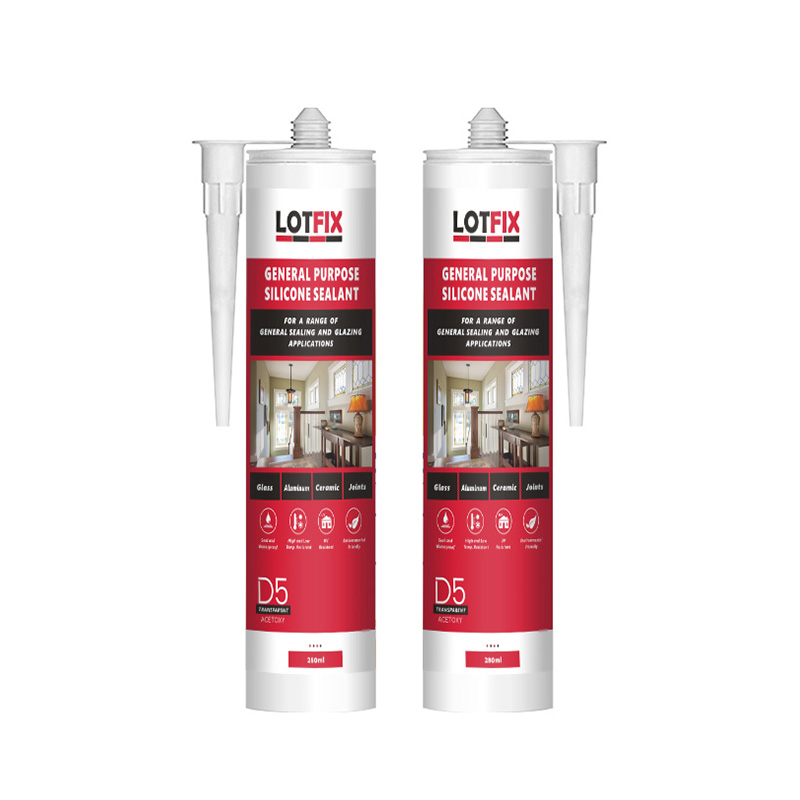
LOTFIX provides silicone sealant, acrylic sealant, PU foam, adhesive, hybrid sealant, and related construction material solutions for sealing, filling, bonding, insulation, and installation applications. If you are comparing products for tile corners, shower joints, bathtub edges, bathroom seams, kitchen gaps, or general construction sealing, you can visit the LOTFIX homepage to learn more about available product categories.
If you have questions about silicone sealant, tile joint sealing, bathroom applications, product selection, or cooperation requirements, please Contact Us.