
1. Selecting the Right PU Foam
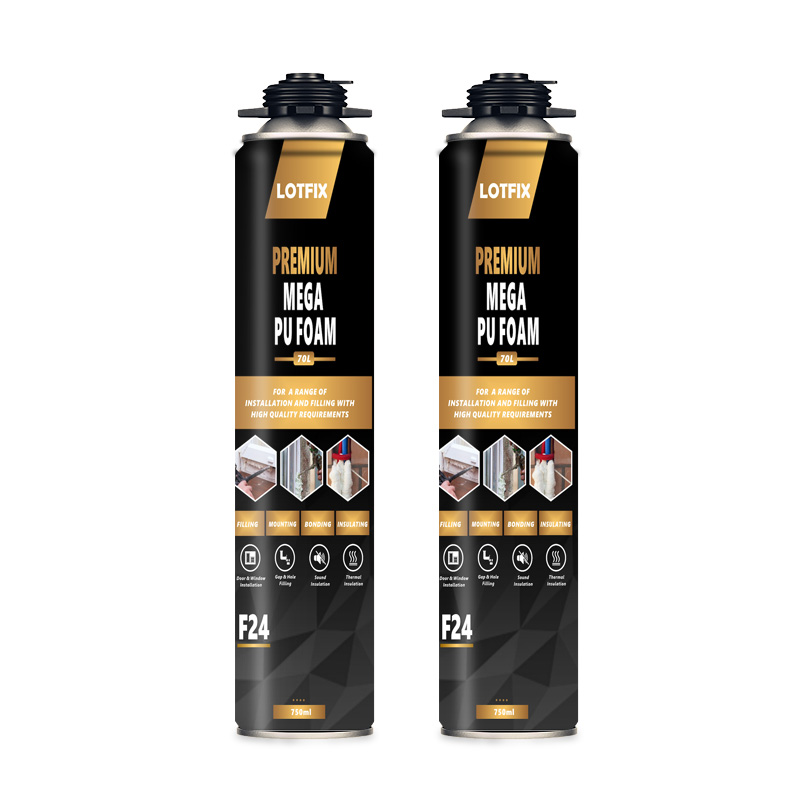
Not all PU Foam products are the same. Consider the following factors when selecting a foam for your project:
● Type: Choose between standard, high-expansion, or low-expansion foams depending on the gap size and application. Standard foams are suitable for general sealing, high-expansion foams for large cavities, and low-expansion foams for precise gaps.
● Fire Rating: Ensure compliance with local building codes. B1-rated foams provide better fire resistance than B2 and are suitable for indoor applications requiring higher safety.
● Temperature Range: Check product specifications for indoor or outdoor use, as extreme temperatures can affect curing and expansion.
● Adhesion: Make sure the foam is compatible with the materials you are sealing, such as wood, PVC, metal, or concrete.
2. Preparing the Surface
Proper surface preparation is crucial for maximum adhesion and effective sealing:
● Clean surfaces of dust, debris, and grease.
● Ensure surfaces are slightly damp for better bonding (if recommended by the manufacturer).
● Use masking tape to protect adjacent areas from accidental foam expansion.
3. Application Tips
Follow these tips to achieve professional results when applying PU Foam:
● Shake the Can Thoroughly: Before use, shake the foam can to mix components evenly.
● Apply in Layers: For deep gaps, apply foam in layers, allowing each layer to expand and cure partially before adding the next.
● Control Expansion: Avoid overfilling cavities, as excess foam may require trimming after curing.
● Use Protective Gear: Always wear gloves and ensure proper ventilation to avoid skin contact and inhalation of fumes.
4. Post-Application Handling
Once the foam has cured (usually 30–60 minutes for surface skin, 4–24 hours for full cure depending on product):
● Trim excess foam with a utility knife for a neat finish.
● Paint or cover the foam if exposed to sunlight, as UV rays can degrade it.
● Check all seals for gaps or weak adhesion, especially in critical areas like door frames and pipe interfaces.
5. Safety and Storage
● Store PU Foam cans upright in a cool, dry place away from direct sunlight and heat sources.
● Do not puncture or incinerate empty cans.
● Follow manufacturer’s safety instructions for handling and disposal.
Conclusion
By carefully selecting the right PU Foam and following proper application techniques, you can ensure effective sealing, insulation, and filling for your construction projects. Professional handling not only improves performance but also extends the longevity of the installation.
For a deeper understanding of PU Foam applications in real-world scenarios, see our guide on PU Foam Guide: Sealing, Insulating & Filling.