Mobile / WhatsApp
E-mail
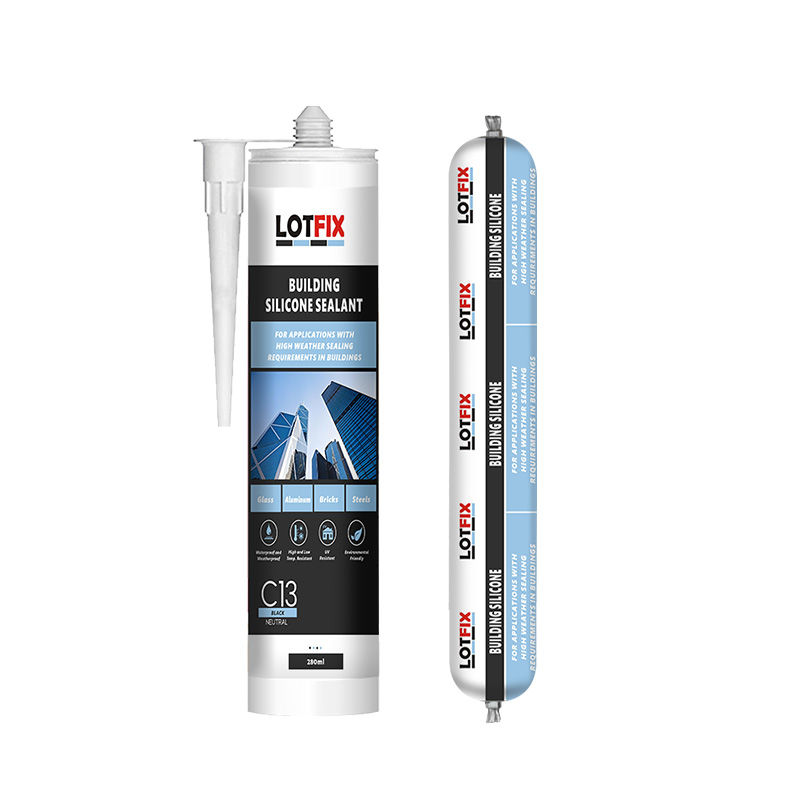
Neutral silicone sealant is widely used in construction, window and door sealing, curtain walls, kitchens, bathrooms, roofing details, and many industrial bonding or sealing tasks. Compared with acetic silicone sealant, neutral cure silicone is usually chosen when buyers need better compatibility with metals, concrete, coated surfaces, mirrors, stone, or exterior building materials. It is not always the “stronger” option in every case, but it is often the safer and more versatile choice for projects where substrate compatibility, low corrosion risk, and long-term weather resistance matter.
The main difference is the curing system. Acetic silicone releases an acidic smell during curing and is often used for glass, ceramic tiles, and general indoor applications. Neutral silicone sealant cures with a less corrosive system, making it more suitable for a wider range of construction materials, especially metals, concrete, stone-related surfaces, coated panels, and exterior joints.
| Comparison Point | Neutral Silicone Sealant | Acetic Silicone Sealant |
|---|---|---|
| Curing smell | Milder odor during curing | Sharp vinegar-like odor |
| Material compatibility | Better for metals, concrete, coated surfaces, stone-related materials, mirrors, and mixed substrates | Usually better for glass, ceramic, and simple indoor sealing |
| Corrosion risk | Lower risk on sensitive materials | May corrode some metals or affect sensitive surfaces |
| Typical use | Exterior joints, aluminum windows, curtain walls, building facades, bathrooms, kitchens, roofing details | Glass sealing, tile sealing, simple household applications |
| Buyer consideration | Good choice when application conditions are more complex | Cost-effective for simple and compatible surfaces |
Neutral cure silicone sealant is often selected because it can bond and seal many common construction materials. For buyers, the important point is not only whether the sealant can “stick”, but whether it can maintain adhesion after temperature changes, UV exposure, moisture, joint movement, and long-term weathering.
Suitable for aluminum windows, doors, curtain wall frames, and many coated metal systems where low corrosion risk is required.
Used for glass-related sealing, especially when the joint also connects to metal, concrete, or coated surfaces.
Useful for building joints and exterior gaps where neutral curing offers better compatibility than acidic systems.
Can be used around sinks, countertops, sanitary areas, and wet spaces when mold resistance and water sealing are needed.
Before bulk ordering, buyers should confirm whether the sealant is suitable for the exact substrate, surface coating, joint width, expected movement, and project environment. For sensitive stone, mirror, special coatings, or unknown materials, sample testing is recommended before full application.
Exterior sealing is more demanding than simple indoor sealing. The sealant must face sunlight, rain, wind pressure, temperature changes, dust, and joint movement. Neutral silicone sealant is often preferred for exterior projects because it offers a more balanced performance across different building materials.
Choose neutral silicone sealant when the project involves aluminum frames, exterior window joints, curtain wall gaps, concrete-to-metal joints, facade details, roofline gaps, or mixed substrates where acetic silicone may not be compatible enough.
Neutral silicone sealant is commonly used for:
• Window and door perimeter sealing
• Aluminum profile and glass joint sealing
• Curtain wall and facade sealing
• Exterior wall gaps and expansion-related joints
• Roofing details and weather-exposed construction gaps
• Projects requiring lower odor and lower corrosion risk
However, neutral silicone is not a universal solution for every exterior joint. For structural glazing, high-movement joints, fire-rated joints, submerged areas, or surfaces with poor adhesion, buyers should choose a sealant grade designed for that exact application instead of relying only on the word “neutral”.
Low price may mean lower solid content, weaker elasticity, shorter durability, or unstable performance. For exterior projects, replacement cost is often much higher than the initial sealant cost.
Neutral cure does not automatically mean suitable for every surface. Coated metal, stone, mirror backing, plastics, and porous materials may need specific testing.
General-purpose neutral silicone may work for many applications, but high-performance facade, sanitary, weatherproof, or structural applications may require different formulas.
Cartridge size, sausage pack, carton quantity, private label design, color, nozzle, and shelf life all affect distribution and project use.
For importers, wholesalers, and construction material distributors, a good order should define more than just “neutral silicone sealant”. It should also include application type, color, packaging, performance grade, curing system, shelf life, target market, labeling requirements, and whether OEM branding is needed.
| Buyer Question | Why It Matters |
|---|---|
| Can the supplier recommend sealant by application? | A reliable supplier should understand different uses, not only sell one general product. |
| Are technical data and samples available? | Samples help buyers test adhesion, curing, color, packaging, and actual working performance. |
| Can packaging be adjusted for the market? | Private label, carton design, language, and cartridge size affect retail and distribution sales. |
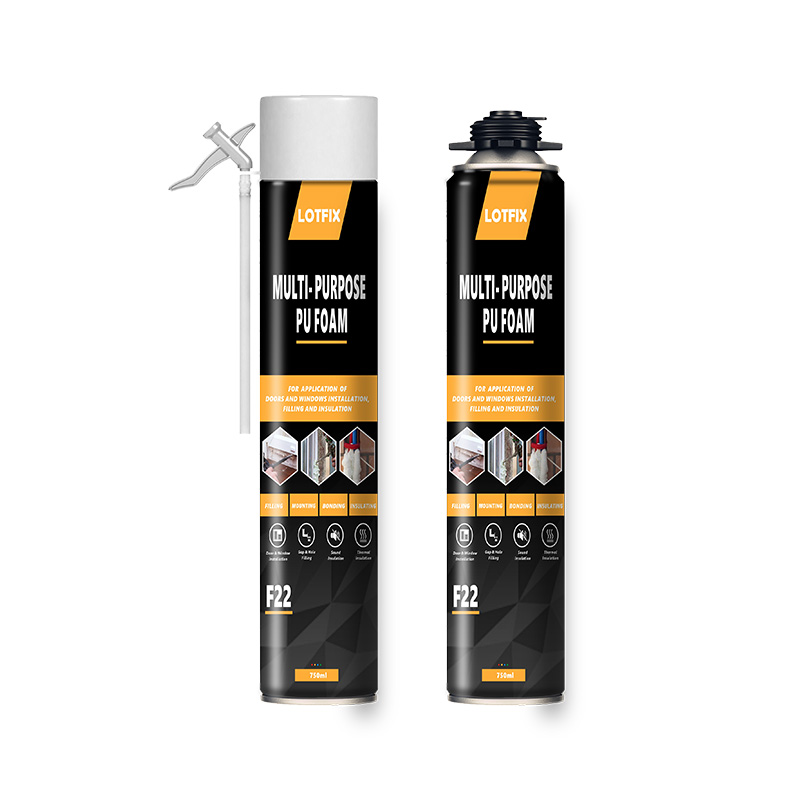
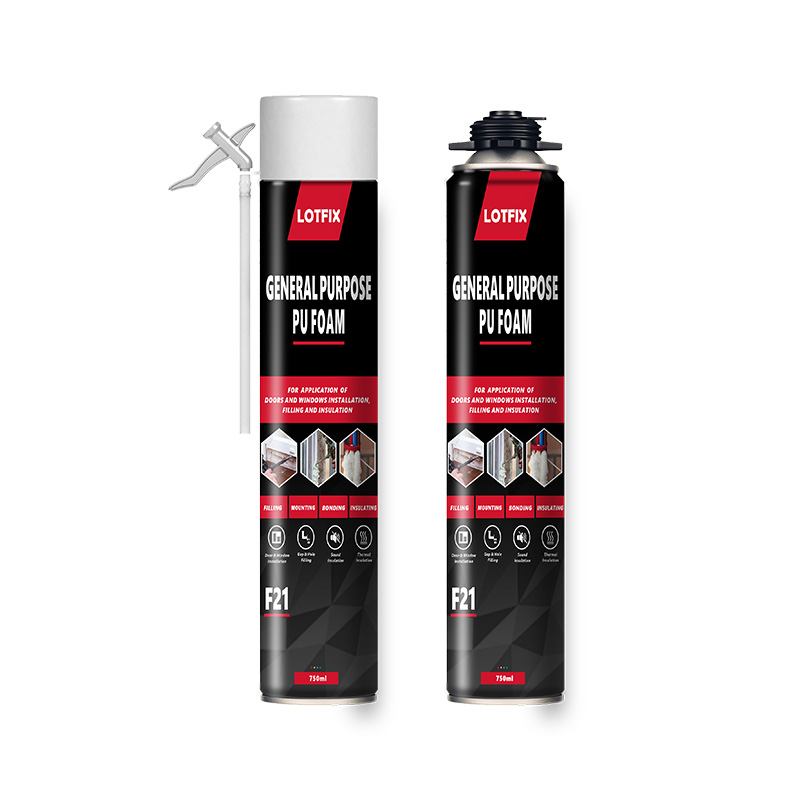
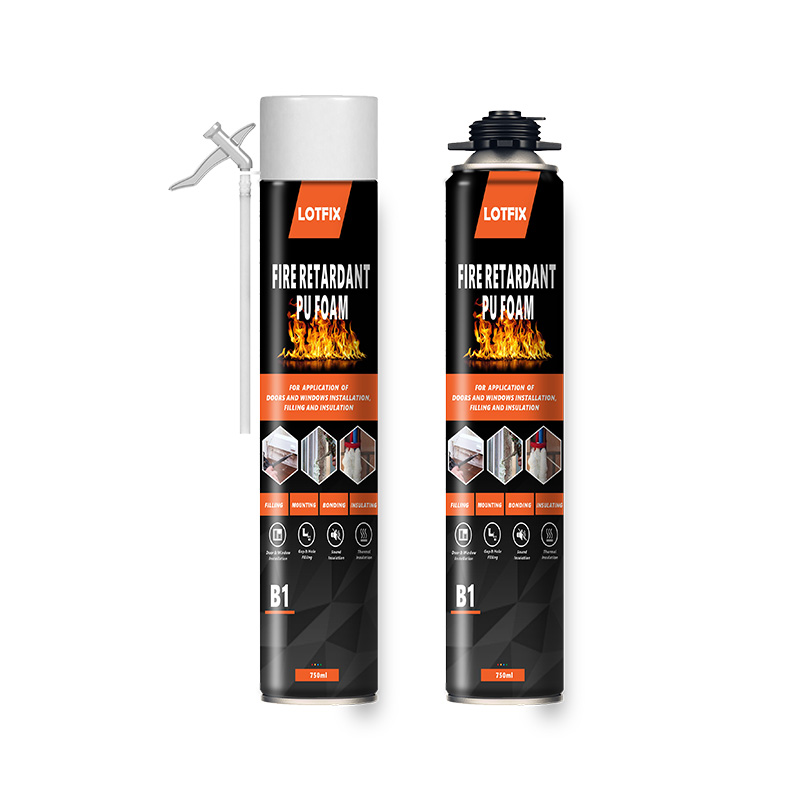
| Is the product range complete? | Buyers often need neutral silicone, acetic silicone, PU foam, acrylic sealant, and related products together. |
A clear purchasing decision starts with application. If the sealant will be used on simple glass or ceramic surfaces, acetic silicone may be enough. If the project involves metal, concrete, coated frames, exterior joints, mixed materials, or stricter compatibility requirements, neutral silicone sealant is usually the more practical choice.
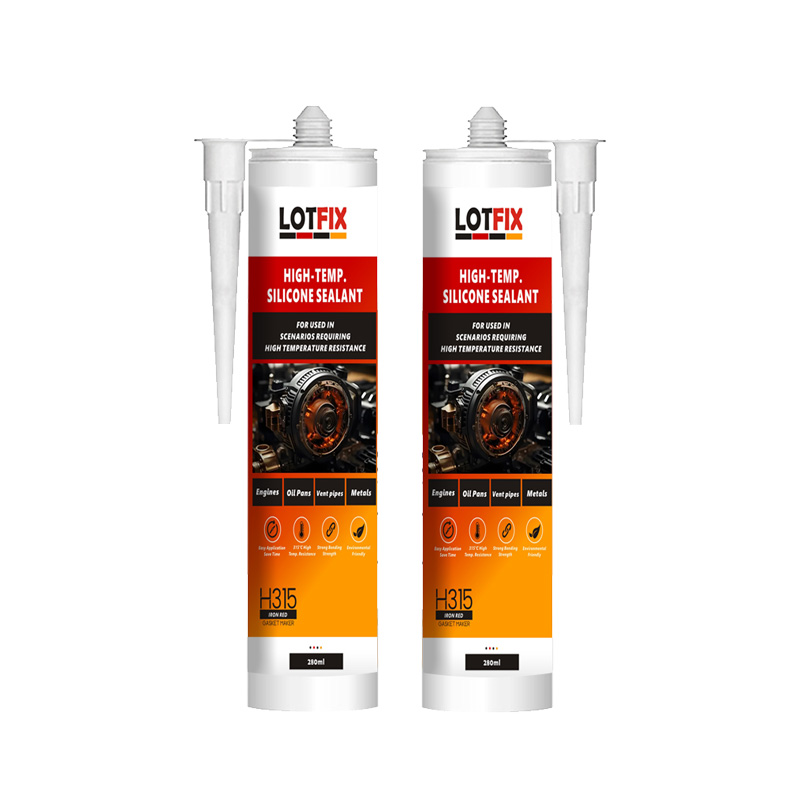
LOTFIX provides silicone sealant and related sealing products for construction, distribution, and project use. If you are comparing neutral silicone sealant, acetic silicone sealant, PU foam, or other sealing solutions for your market, you can visit the LOTFIX homepage to learn more about available products and application options.
For product selection, packaging details, sample requests, or OEM cooperation, please contact us and share your application requirements.
Visit LOTFIX Homepage Contact LOTFIX