Mobile / WhatsApp
E-mail
Table of Contents
Which is better for your project, hybrid polymer sealant or silicone?
Hybrid polymer sealant adhesion: which surfaces does it bond to?
Silicone sealant flexibility and weather resistance: where does it perform better?
Hybrid vs silicone sealant: which is easier to apply and cure?
How do you choose hybrid polymer sealant or silicone sealant?
Hybrid polymer sealant is better for paintable, high-adhesion, multi-surface bonding, while silicone sealant is better for extreme UV, high flexibility, glass, and long-term weather sealing.
The right choice depends on the project surface and final requirement. Hybrid polymer sealant is often selected when the joint must bond to concrete, wood, metal, PVC, stone, or mixed materials and may need painting later. Silicone sealant is often selected when the joint needs excellent elasticity, waterproofing, UV resistance, and long-term performance around glass, ceramic, exterior windows, kitchens, bathrooms, or weather-exposed gaps.
Hybrid polymer sealant is usually better when a project needs strong adhesion, paintability, low odor, and wider substrate compatibility. Silicone sealant is usually better when a project needs maximum weather resistance, long-term flexibility, and reliable waterproof sealing on glass, ceramic, metal, and exterior joints.
Simple rule: choose hybrid polymer sealant for paintable multi-surface bonding; choose silicone sealant for high-movement waterproof joints and long-term outdoor weather exposure.
Neither product is universally better. A bathroom glass joint, a concrete expansion joint, an exterior window perimeter, and a painted trim joint all have different requirements. The best selection should consider adhesion, flexibility, paintability, curing behavior, substrate compatibility, and exposure environment.
Hybrid polymer sealant is a modern sealant category often associated with MS polymer, STP, or similar hybrid technologies. It is designed to combine strong adhesion, elasticity, weather resistance, and paintability in one formula, making it useful for construction, renovation, glazing, panel bonding, and general sealing work.
Hybrid polymer sealant can bond to many common building materials, including concrete, wood, metal, PVC, stone, glass, and painted surfaces.
Many hybrid polymer sealants can be painted after curing, making them practical for decorative joints, facades, trims, and visible construction seams.
Hybrid polymer sealant is commonly neutral-curing and low odor, which makes it more comfortable for indoor and renovation applications.
It is often chosen when the project needs a balance between bonding strength, flexibility, weather resistance, and appearance.
Hybrid polymer sealant is not simply a “silicone replacement.” It is a different material direction. In many projects, it solves practical problems that silicone cannot handle well, especially paintability and adhesion to porous or mixed substrates.
Hybrid polymer sealant usually offers wider adhesion than standard silicone sealant, especially on construction materials such as concrete, wood, stone, PVC, aluminum, coated metal, and mixed surfaces. This is one of the biggest reasons contractors choose hybrid polymer sealant for building joints.
| Substrate | Hybrid Polymer Sealant | Silicone Sealant | Selection Note |
|---|---|---|---|
| Concrete and masonry | Often bonds well, depending on surface condition. | May need primer or a suitable neutral cure grade. | Hybrid is often more convenient for construction joints. |
| Wood and painted surfaces | Usually suitable for bonding and sealing. | Not always ideal, especially if painting is required. | Hybrid is often better when the final surface must be painted. |
| Glass and ceramic | Can be used in many formulas. | Often performs very well on non-porous surfaces. | Silicone remains a strong option for glazing and sanitary joints. |
| Metal and aluminum | Good adhesion in many construction formulas. | Neutral cure silicone is usually preferred for sensitive metals. | Check corrosion risk and primer requirement before use. |
| PVC and plastics | Often suitable, depending on plastic type. | Performance varies by silicone type and plastic surface. | Always test adhesion on plastic before large-scale use. |
Hybrid polymer sealant may also tolerate slightly damp surfaces in some formulations, which can be useful on construction sites. However, this does not mean every wet surface can be sealed without preparation. Dust, oil, loose particles, standing water, and weak substrates still need to be removed.
Many hybrid polymer sealants can be painted after full curing, especially with water-based or acrylic coatings. This makes hybrid polymer sealant useful for facades, trims, wall joints, decorative seams, and areas where the sealant line must match the surrounding surface.
Hybrid polymer sealant: often paintable after curing, but coating compatibility should be tested before large-area use.
Silicone sealant: most standard silicone sealants are not paintable because the cured surface is smooth and hydrophobic.
Color matching: if silicone must be used, choose a pre-colored silicone sealant instead of painting over it.
Project planning: if the joint must be painted later, choose a paintable sealant before application.
This difference is very important in renovation and decoration. Silicone may seal the joint well, but if the final surface needs paint, the result can be poor. Paint may peel, bead up, or flake from silicone. Hybrid polymer sealant is often a better choice when both sealing and final appearance matter.
Silicone sealant performs better in many high-movement, high-UV, high-temperature, and long-term weather-exposed joints. It remains one of the strongest options for exterior glazing, curtain walls, glass joints, sanitary joints, and areas exposed to sunlight, moisture, and temperature changes.
| Performance Factor | Hybrid Polymer Sealant | Silicone Sealant | Better Direction |
|---|---|---|---|
| Movement capability | Good flexibility, often suitable for moderate to high joint movement depending on grade. | Excellent flexibility, often preferred for high-movement joints. | Silicone for maximum movement; hybrid for balanced movement and adhesion. |
| UV resistance | Good in many exterior-grade formulas. | Excellent long-term UV stability in many grades. | Silicone for strong UV exposure. |
| Mechanical strength | Often stronger in adhesion, tear resistance, and abrasion resistance. | Flexible but usually not selected for structural bonding strength. | Hybrid for bonding and tougher joints. |
| Extreme temperature | Good service range depending on formula. | Often stronger in very high or low temperature stability. | Silicone for extreme temperature conditions. |
| Paintability | Usually better, but test coating compatibility. | Usually not paintable. | Hybrid for painted surfaces. |
Silicone sealant still has clear advantages. It should not be replaced blindly in curtain wall glazing, exterior glass joints, sanitary wet areas, or high-UV applications where long-term weather resistance is the main requirement.
Hybrid polymer sealant is often easier to use in mixed-substrate construction because it is usually neutral-curing, low odor, paintable, and able to build early strength quickly. Silicone sealant can also be easy to apply, but the curing type must be selected carefully.
Hybrid polymer sealants are often low odor. Acid cure silicone can release a vinegar-like smell during curing, which may be uncomfortable indoors.
Acid cure silicone may not be suitable for cement, masonry, or sensitive metals. Neutral cure silicone is safer for more construction materials.
Many hybrid sealants build usable strength quickly, which can help projects that need bonding and sealing in one step.
For professional use, always check the SDS and local regulations, especially for certain oxime-cure silicone systems and sensitive indoor applications.
In indoor renovation and professional construction, low odor, paintability, and wide substrate bonding often make hybrid polymer sealant attractive. In glazing and exterior waterproofing, silicone may still be the more proven option.
To choose between hybrid polymer sealant and silicone sealant, match the sealant to the substrate, movement level, paint requirement, weather exposure, waterproofing need, and final appearance. The correct product is the one that matches the joint condition, not simply the one with more listed advantages.
| Project Requirement | Better Choice | Why It Fits |
|---|---|---|
| Mixed substrates such as concrete, wood, metal, PVC, and stone | Hybrid polymer sealant | Better all-around adhesion and often less need for primer. |
| Joint must be painted after curing | Hybrid polymer sealant | More suitable for paintable decorative or facade joints. |
| Bathroom, kitchen, glass, or sanitary wet joint | Silicone sealant | Strong waterproofing, flexibility, and wet-area performance. |
| Exterior high-UV or high-temperature exposure | Silicone sealant | Often stronger in long-term UV and temperature stability. |
| Need both sealing and bonding strength | Hybrid polymer sealant | Better balance of adhesion, mechanical strength, and flexibility. |
| Curtain wall or professional glazing joint | Project-specific silicone or approved system sealant | Glazing systems often require tested and specified sealant systems. |
In simple terms, hybrid polymer sealant is a strong choice for modern construction joints that need adhesion, paintability, and balanced performance. Silicone sealant remains a strong choice for waterproof, flexible, high-UV, and glass-related sealing. For important projects, always check the product technical data sheet, primer requirement, coating compatibility, and application environment before final selection.
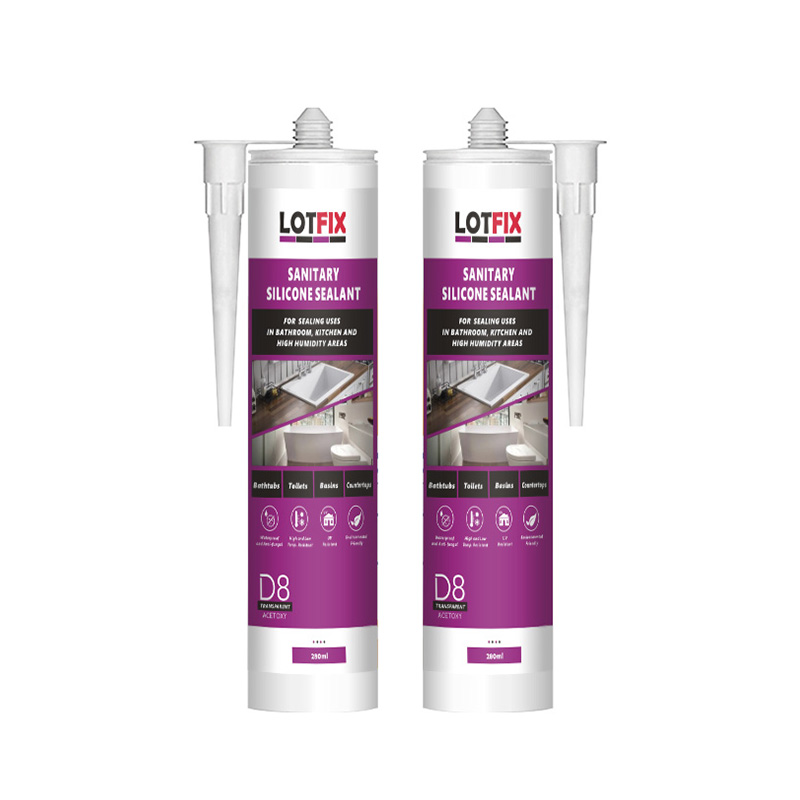
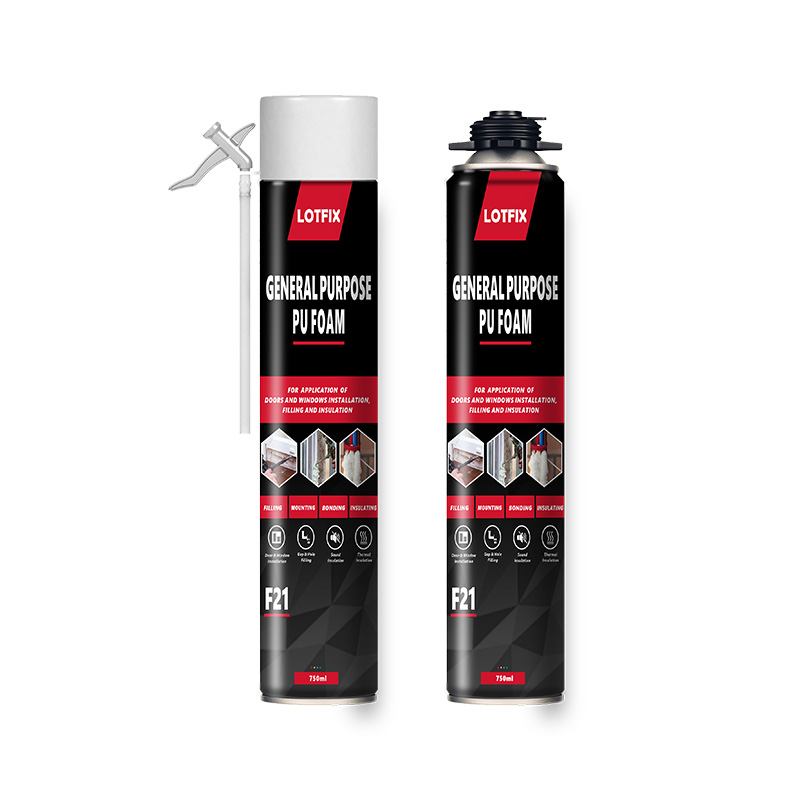
LOTFIX provides silicone sealant, acrylic sealant, PU foam, adhesive, hybrid sealant, and related construction material solutions for sealing, filling, bonding, insulation, and installation applications. If you are comparing sealants for mixed substrates, painted joints, bathrooms, kitchens, windows, exterior gaps, or construction projects, you can visit the LOTFIX homepage to learn more about available product categories.
If you have questions about product selection, application scenarios, or cooperation requirements, please Contact Us.