Mobile / WhatsApp
E-mail
Table of Contents
Caulk is mainly used for static indoor gaps and decorative filling, while sealant is more flexible and better for waterproof, outdoor, and moving joints.
The two terms are often mixed in daily use, but they are not always the same in construction selection. Caulk usually focuses on filling and finishing. Sealant focuses more on movement, waterproofing, adhesion, and long-term sealing performance. To choose correctly, buyers should understand the main caulk types, their performance limits, and the actual environment of the joint.
The main difference between caulk and sealant is movement capability. Caulk is usually used for small, low-movement gaps such as interior trims, baseboards, ceilings, and wall cracks. Sealant is used where the joint may face water, expansion, contraction, vibration, UV exposure, or outdoor weather.
Simple rule: use caulk for dry, paintable, static indoor gaps; use sealant for waterproof, flexible, exterior, or dynamic joints.
This distinction helps avoid common mistakes. For example, acrylic latex caulk is practical for a painted baseboard line, but it is not the right choice for a shower joint. Silicone sealant works well in wet areas, but it is usually not paintable. Polyurethane or hybrid sealant may be better when stronger adhesion and movement capability are needed.
Common caulk types include acrylic latex caulk, silicone caulk, polyurethane sealant, hybrid sealant, butyl rubber caulk, and acrylic or oil-based caulk. Each type has a different balance of paintability, flexibility, waterproofing, adhesion, durability, and cost.
| Caulk Type | Main Strength | Best Use | Main Limitation |
|---|---|---|---|
| Acrylic latex caulk | Paintable, easy to apply, water cleanup, low odor. | Baseboards, trims, drywall gaps, wall cracks, ceiling lines. | Not suitable for constant water exposure or high-movement joints. |
| Silicone caulk / silicone sealant | Waterproof, flexible, mildew resistant, good for wet areas. | Bathrooms, kitchens, sinks, showers, glass, tiles, metal joints. | Most standard silicone products are not paintable. |
| Polyurethane sealant | Strong adhesion, abrasion resistance, paintability, durability. | Door frames, window frames, concrete joints, industrial floors, construction gaps. | Not always ideal for long-term immersion or strong UV exposure unless designed for it. |
| Hybrid sealant | Balanced adhesion, flexibility, weather resistance, and paintability. | Windows, doors, exterior joints, facades, mixed substrate sealing. | Performance varies by formula, so TDS data should be checked. |
| Butyl rubber caulk | Strong waterproofing and moisture barrier performance. | Roofing, flashing, gutters, waterproof layers, exterior repairs. | Usually not paintable and may be messy for decorative indoor work. |
| Acrylic / oil-based caulk | Cost-effective for selected indoor or traditional applications. | General gap filling where high flexibility is not required. | May cure slowly and usually has lower performance than modern formulas. |
The best caulk type is not the one with the most features. It is the one that matches the joint. A dry decorative gap, a wet shower joint, a moving window perimeter, and a roof seam all need different product directions.
Different caulk types should be compared by movement capability, paintability, waterproofing, mildew resistance, UV resistance, adhesion range, and curing behavior. These factors decide whether the bead will last or fail after installation.
Low-movement products may only fit static gaps, while higher-performance sealants can handle expansion and contraction. Movement range may vary from about ±5% to ±50% depending on product grade.
Acrylic latex caulk and many polyurethane or hybrid sealants are paintable. Standard silicone and butyl products are usually not suitable for painting.
Silicone is usually preferred for bathrooms, kitchens, sinks, and showers because it offers better moisture and mildew resistance than basic acrylic caulk.
Silicone and exterior-grade hybrid sealants usually perform better under sunlight and weather exposure. Acrylic products are mainly for indoor or protected areas.
Professional buyers should not rely only on product names. Check the technical data sheet for movement class, service temperature, curing time, adhesion substrates, paintability, UV resistance, and application limits.
Different caulk types should be selected according to location, moisture level, movement, substrate, and finish requirement. The wrong product may crack, peel, shrink, discolor, or fail to seal against water.
| Application Area | Recommended Caulk Type | Why It Fits |
|---|---|---|
| Baseboards, trims, and wall gaps | Acrylic latex caulk | Paintable, easy to smooth, suitable for dry low-movement indoor gaps. |
| Bathroom, kitchen, sink, and shower joints | Sanitary silicone sealant | Better for waterproofing, flexibility, and mildew resistance. |
| Door and window frame joints | Polyurethane or hybrid sealant | Better adhesion and movement capability for frame-to-wall gaps. |
| Exterior facade and expansion joints | Silicone, polyurethane, or hybrid sealant | Better weather resistance, flexibility, and durability under outdoor exposure. |
| Roofing and waterproof layer joints | Butyl rubber caulk or suitable waterproof sealant | Good moisture barrier performance for selected roofing and waterproofing repairs. |
For indoor decoration, acrylic latex caulk is usually enough. For wet areas, choose sanitary silicone. For construction joints with movement, choose polyurethane, silicone, or hybrid sealant according to substrate and exposure. For waterproofing repairs, butyl or project-specific waterproof sealant may be more suitable.
To choose caulk or sealant, first decide whether the joint is static or dynamic, then check paintability, moisture exposure, UV exposure, substrate material, special certification needs, and curing time. This process is more reliable than choosing by price alone.
Step 1: Check movement. Static indoor gaps can use caulk; moving joints usually need flexible sealant.
Step 2: Check paintability. Use acrylic latex, polyurethane, or hybrid sealant if the joint must be painted. Avoid standard silicone for painted finishes.
Step 3: Check moisture. For bathrooms, kitchens, and showers, choose sanitary silicone or a wet-area sealant.
Step 4: Check outdoor exposure. Strong UV, temperature change, and rain require weather-resistant sealant.
Step 5: Check special requirements. Food-grade, low VOC, low odor, or special certification needs must be confirmed from the product data.
This selection logic helps avoid overusing one material. Silicone is not always better because it is usually not paintable. Acrylic is not always enough because it cannot handle constant water or high movement. Hybrid and polyurethane sealants are useful when stronger adhesion and more demanding performance are needed.
Correct application is just as important as choosing the right caulk type. Poor surface preparation, wrong nozzle size, overfilling, early water exposure, or insufficient curing time can cause failure even when the product itself is suitable.
| Application Step | What to Do | Why It Matters |
|---|---|---|
| Clean the surface | Remove dust, oil, old caulk, loose paint, moisture, and debris. | Poor cleaning can reduce adhesion and cause peeling. |
| Cut the nozzle correctly | Match the nozzle opening to the joint width. | A bead that is too small or too large can affect appearance and performance. |
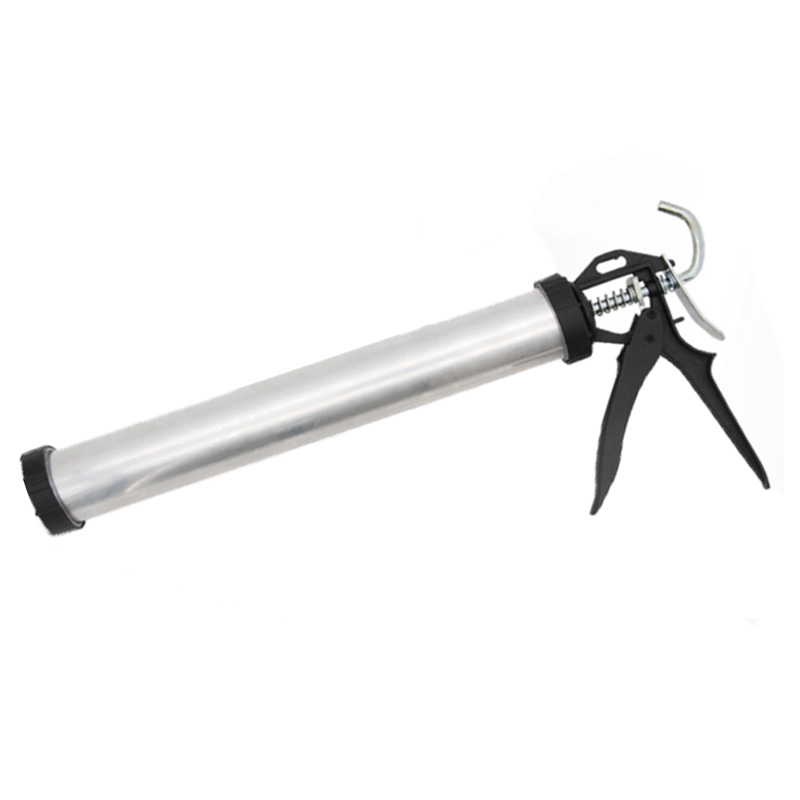
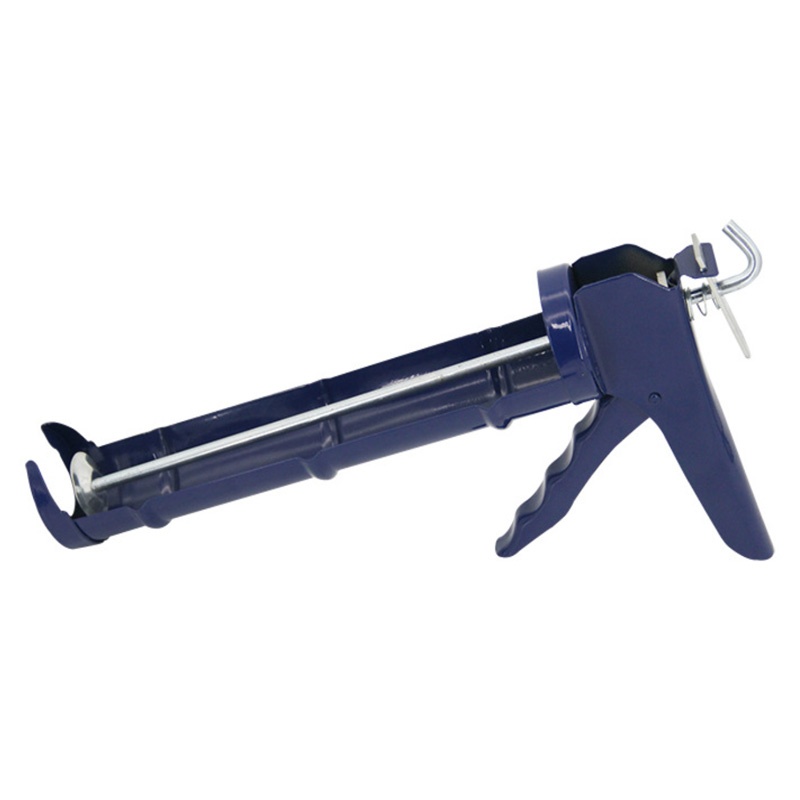
| Apply a steady bead | Move the caulking gun smoothly and avoid gaps. | A continuous bead improves sealing and reduces weak points. |
| Tool the bead in time | Smooth the bead before skin-over. | Tooling improves adhesion contact and creates a cleaner finish. |
| Allow proper curing | Follow the TDS for drying, painting, and full cure time. | Early painting, water exposure, or movement can damage the joint. |
Different caulk types cure at different speeds. Acrylic latex may dry faster on the surface, while silicone, polyurethane, hybrid, and butyl products may need longer curing before normal service. Always check the technical data sheet instead of relying only on general drying estimates.
LOTFIX provides silicone sealant, acrylic sealant, PU foam, adhesive, hybrid sealant, and related construction material solutions for sealing, filling, bonding, insulation, and installation applications. If you are comparing caulk types for bathrooms, kitchens, baseboards, windows, doors, exterior gaps, roofing joints, or general construction use, you can visit the LOTFIX homepage to learn more about available product categories.
If you have questions about product selection, caulk types, application scenarios, or cooperation requirements, please Contact Us.