Mobile / WhatsApp
E-mail
Table of Contents
Caulk is usually used for smaller, low-movement gaps that need a smooth or paintable finish, while sealant is better for joints that need flexibility, waterproofing, weather resistance, or movement accommodation.
The two terms are often used together, but they should not always be treated as the same product. In real projects, the better choice depends on where the gap is, how much movement the joint has, whether the area is wet or dry, whether the joint is indoors or outdoors, what surface materials are involved, and whether the final surface needs to be painted.
The main difference between caulk and sealant is flexibility. Caulk is commonly used for filling small indoor gaps where movement is limited. Sealant is used when the joint may expand, contract, stay exposed to water, face outdoor weather, or need long-term elastic performance.
| Comparison Point | Caulk | Sealant |
|---|---|---|
| Main use | Filling small indoor cracks, trim gaps, and paintable seams. | Sealing joints that need waterproofing, flexibility, or weather resistance. |
| Movement handling | Best for low-movement gaps. | Better for joints that expand, contract, vibrate, or move slightly. |
| Water exposure | Usually better for dry indoor areas unless specifically designed for wet use. | Often preferred for bathrooms, kitchens, windows, doors, and exterior joints. |
| Paintability | Many caulks are paintable and suitable for decorative finishing. | Some sealants are not paintable, especially many silicone sealants. |
| Typical areas | Baseboards, skirting boards, wall cracks, indoor trim, and small seams. | Bathrooms, kitchens, windows, doors, glass, metal, exterior gaps, and construction joints. |
A simple rule: use caulk for small, dry, low-movement, paintable gaps; use sealant for wet, outdoor, flexible, or long-term sealing joints.
Caulk is commonly used for indoor trim gaps, wall cracks, skirting boards, baseboards, crown molding, interior corners, and paintable seams where movement is limited and the surface needs a smooth finish.
Caulk is useful for filling gaps between trim, molding, skirting boards, baseboards, and walls before painting.
For minor cracks in indoor walls or low-stress seams, caulk can help create a smoother surface before finishing.
Caulk is often chosen when the final surface needs to be painted, especially in decorative indoor finishing work.
Caulk is not the best choice for every gap. If the joint is exposed to constant water, outdoor weather, strong sunlight, heavy movement, or repeated expansion and contraction, a more flexible sealant is usually a better option.
Sealant is better for waterproof joints, exterior gaps, windows, doors, kitchens, bathrooms, metal joints, glass joints, and areas where the joint may expand, contract, move, or stay exposed to moisture.
| Sealant Application | Why Sealant Is Better | Buyer Reminder |
|---|---|---|
| Bathroom and kitchen joints | These areas need waterproofing, mildew resistance, and stable adhesion under humidity. | Sanitary silicone sealant is often preferred for wet-area joints. |
| Window and door frames | Frames can move slightly with temperature, wind, and building movement. | Choose a sealant suitable for frame material, UV exposure, and movement. |
| Exterior construction gaps | Outdoor joints face rain, sunlight, temperature change, and weathering. | Weatherproof sealant is usually more suitable than standard indoor caulk. |
| Glass and metal joints | These surfaces may require flexible, waterproof, and substrate-compatible sealing. | Check whether acetic cure or neutral cure silicone is more suitable. |
Sealant is not only about filling a gap. It is used to protect the joint from water, air leakage, movement, and environmental exposure. That is why it is commonly used in construction, glazing, sanitary, roofing, exterior, and industrial sealing work.
To choose between caulk and sealant, check whether the area is wet or dry, fixed or moving, indoor or outdoor, paintable or non-paintable, and whether the joint needs long-term flexibility. These questions are more useful than choosing only by product name.
Is the area wet or dry? Wet areas usually need waterproof sealant instead of basic caulk.
Will the joint move? Moving joints need flexible sealant that can expand and contract.
Is it indoor or outdoor? Outdoor gaps need weather resistance, UV resistance, and long-term durability.
Does the surface need paint? Paintable indoor seams may be better suited to caulk or paintable sealant.
What surfaces are involved? Glass, metal, concrete, PVC, ceramic, wood, and painted surfaces may need different product compatibility.
Is mold resistance needed? Bathrooms, kitchens, and wet-area seams should use sanitary or mildew-resistant sealant.
For ordinary indoor decorative gaps, caulk may be enough. For bathrooms, kitchens, windows, doors, exterior joints, and construction gaps, sealant is often the safer direction because these areas need more than a smooth surface.
Common home and construction gaps should be matched by use condition. A paintable living-room trim gap is different from a wet kitchen sink seam or an exterior window frame joint.
| Gap or Joint | Better Choice | Reason |
|---|---|---|
| Baseboard and wall gap | Caulk | Usually indoor, low-movement, and often needs painting. |
| Small wall crack | Caulk or suitable filler | Main goal is smooth repair and paintable finishing, not waterproofing. |
| Bathroom sink seam | Sanitary sealant | Needs waterproofing, mold resistance, and adhesion to wet-area surfaces. |
| Kitchen countertop seam | Sanitary or waterproof sealant | Faces water, oil, detergent, wiping, and visible appearance requirements. |
| Window frame joint | Flexible sealant | Needs weather resistance, frame compatibility, and movement handling. |
| Exterior door gap | Weatherproof sealant | Exposed to rain, temperature change, sunlight, and repeated movement. |
When users are unsure, the safest approach is to look at the working condition first. If the joint needs waterproofing, flexibility, or weather resistance, sealant is usually more appropriate than basic caulk.
Before purchasing caulk or sealant, buyers should confirm the application area, substrate, water exposure, movement requirement, paintability, curing time, color, packaging, and shelf life. This is especially important for distributors, contractors, private-label buyers, and construction material suppliers.
| Buyer Check | What to Confirm | Why It Matters |
|---|---|---|
| Application area | Indoor trim, bathroom, kitchen, window, door, exterior joint, glass, metal, or construction gap. | Different areas require different levels of flexibility, waterproofing, and durability. |
| Substrate | Wood, drywall, tile, glass, aluminum, steel, PVC, concrete, stone, or painted surface. | Prevents poor adhesion, staining, corrosion, or product mismatch. |
| Water exposure | Dry indoor use, wet-area use, regular water splashes, or outdoor rain exposure. | Helps decide whether waterproof or sanitary sealant is needed. |
| Movement | Fixed seam, slight movement, expansion joint, or frame connection. | Moving joints need flexible sealant rather than low-movement caulk. |
| Finish requirement | Paintable, clear, white, colored, smooth finish, or visible decorative seam. | Some products are paintable, while others offer better waterproofing or clarity. |
| Packaging and supply | Cartridge size, private label support, shelf life, carton packing, and target market demand. | Important for retail, wholesale, project supply, and brand distribution. |
For product planning, buyers can keep both caulk-type and sealant-type products in a full construction material line. Caulk can serve indoor finishing needs, while sealant can cover wet areas, exterior joints, and flexible sealing applications.
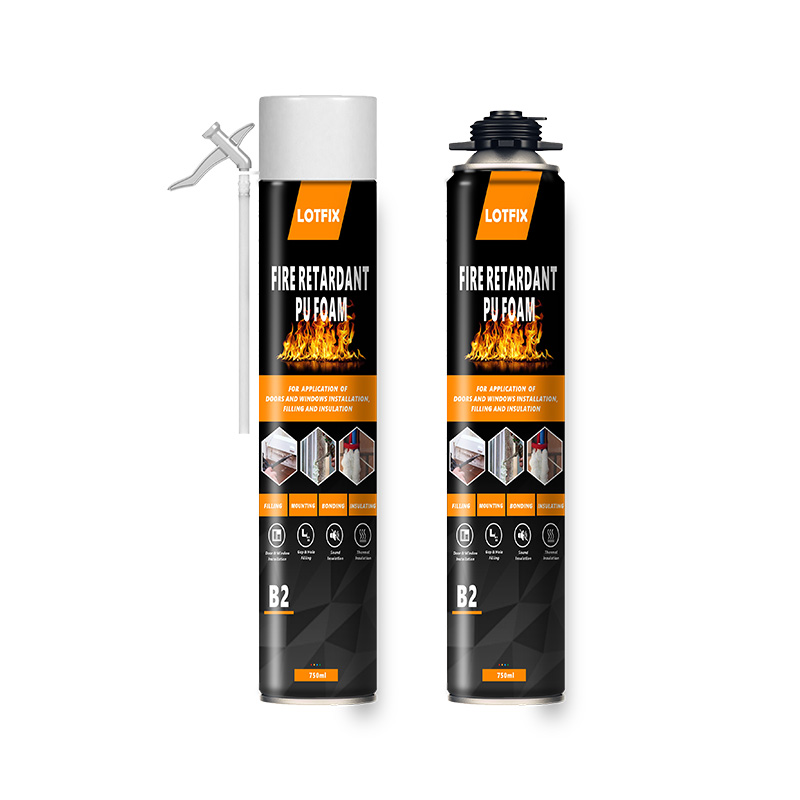
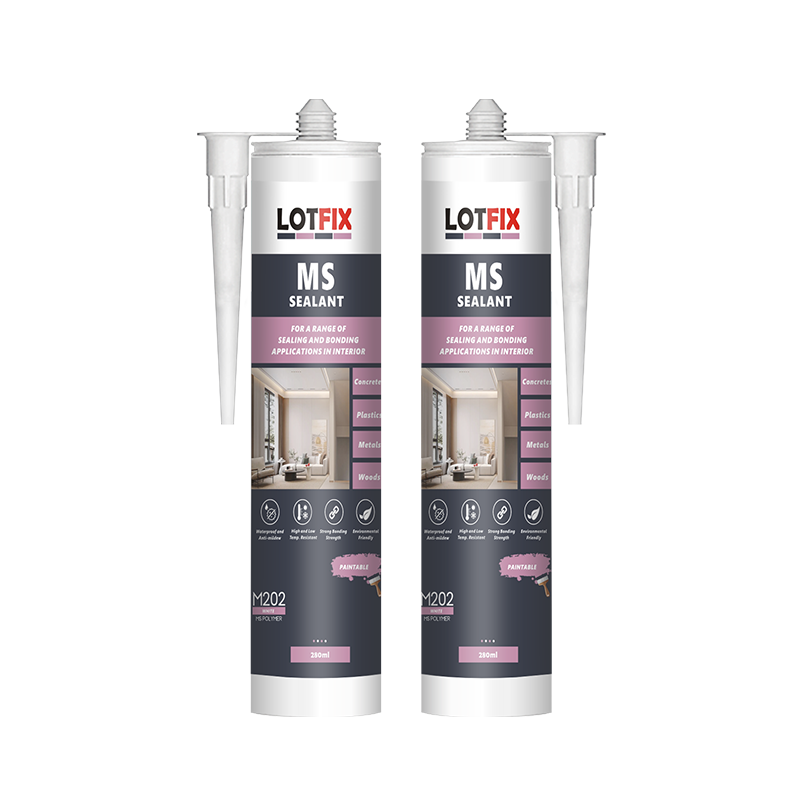
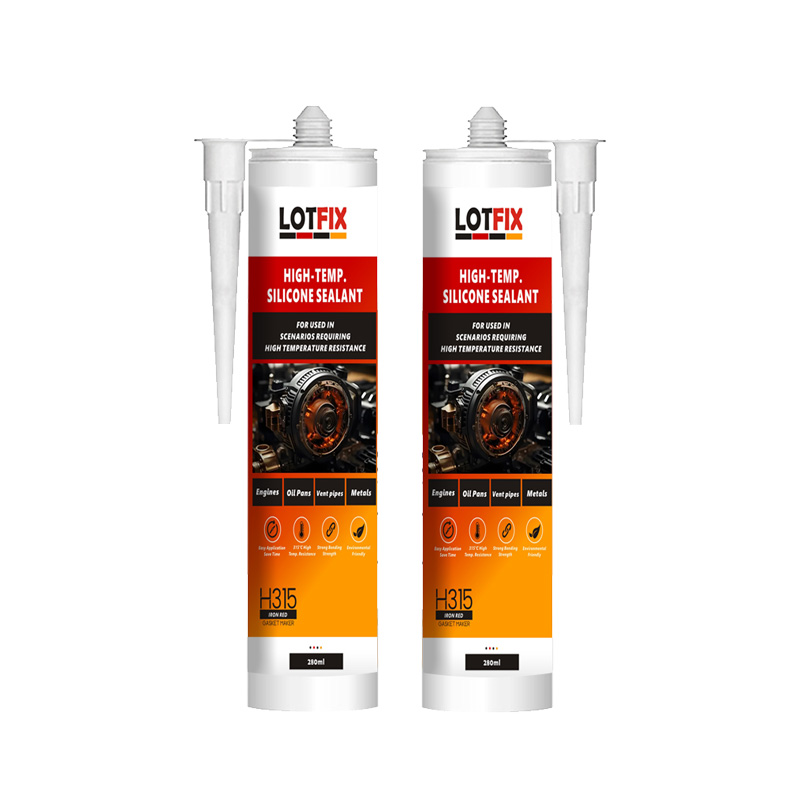
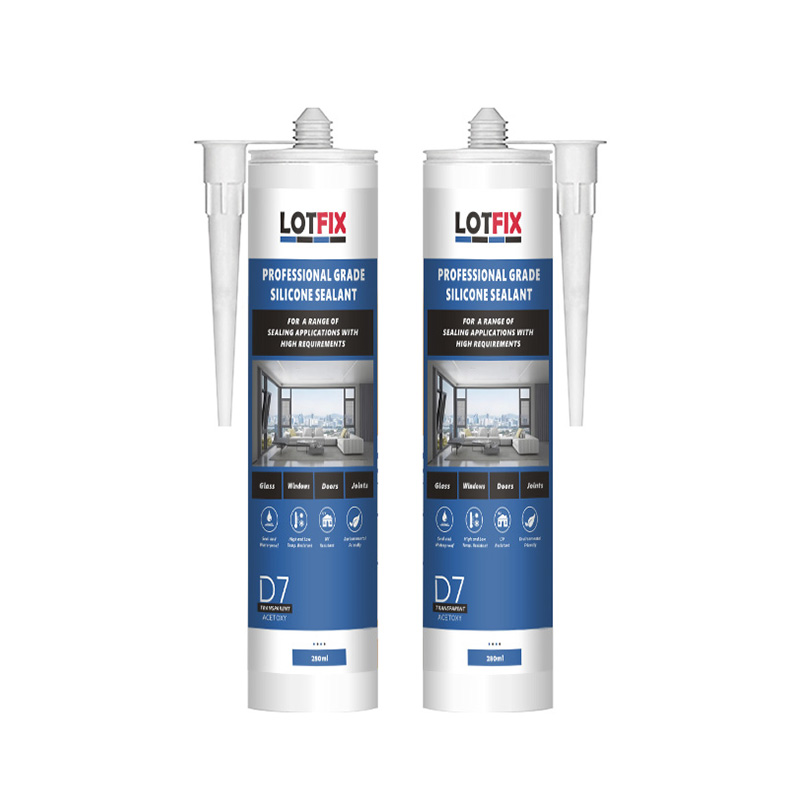
LOTFIX provides silicone sealant, acrylic sealant, PU foam, adhesive, and related construction material solutions for sealing, filling, bonding, insulation, and installation applications. If you are comparing products for bathrooms, kitchens, windows, doors, interior trim, exterior joints, or general construction gaps, you can visit the LOTFIX homepage to learn more about available product categories.
If you have questions about product selection, application scenarios, or cooperation requirements, please Contact Us.