Mobile / WhatsApp
E-mail
Table of Contents
Acrylic latex sealant is a water-based, paintable, low-odor caulk used for interior trim, baseboards, drywall gaps, wall cracks, and decorative joints.
It is popular because it is easy to apply, easy to smooth, and suitable for clean finishing before painting. For baseboards and trim, the main requirement is usually a neat paintable joint rather than heavy waterproofing. This is why acrylic latex caulk for baseboards is often preferred by painters and decorators. However, it should not be used as a replacement for sanitary silicone in bathrooms, kitchens, showers, or constantly wet joints.
Acrylic latex sealant is a water-based caulk made with acrylic resin and latex components. It is designed for filling small gaps, cracks, and seams on interior building surfaces. After drying, most acrylic latex sealants can be painted, making them suitable for decorative finishing work.
Acrylic latex sealant is easier to clean before curing and is commonly used in indoor repair and finishing work.
Once dry, it can usually be painted over, helping the caulk line blend into walls, trims, ceilings, and baseboards.
Compared with many solvent-based products, acrylic latex caulk is more suitable for interior finishing projects.
It works best on dry indoor joints with limited movement, not on constantly wet or high-expansion gaps.
In simple terms, acrylic latex sealant is a practical finishing material. It helps close visible gaps before painting, but it is not designed to replace high-performance waterproof or structural sealants.
Acrylic latex caulk for baseboards is commonly used because baseboard gaps are usually dry, visible, low-movement, and often painted after installation. The caulk fills the narrow line between the wall and the baseboard, creating a smoother finished appearance.
Simple rule: choose acrylic latex caulk for baseboards when the gap is indoors, dry, small, low-movement, and needs painting afterward.
For painters and decorators, the biggest benefit is not extreme strength. It is clean finishing. Acrylic latex caulk can be smoothed into a neat bead, painted over, and visually integrated with the surrounding wall or trim.
| Baseboard Requirement | Why Acrylic Latex Caulk Fits | Use Reminder |
|---|---|---|
| Paintable finish | It can usually be painted after drying. | Wait until the caulk is dry before painting. |
| Small indoor gaps | It fills narrow gaps between wall and trim neatly. | Large or deep gaps may need backing support. |
| Easy smoothing | The bead is easy to tool for a clean line. | Tool the bead before it skins over. |
| Low odor indoor work | Water-based acrylic latex is more comfortable for interior use. | Ventilation is still recommended during application. |
Acrylic latex sealant is better for paintable indoor trim and baseboards. Silicone sealant is better for waterproof bathroom and kitchen joints. Polyurethane sealant is better for stronger bonding, abrasion resistance, and heavy-duty construction gaps.
For baseboards, painters usually choose acrylic latex caulk because the finished joint often needs to be painted. Silicone may be more waterproof and flexible, but most standard silicone sealants are not paintable. Polyurethane can provide stronger adhesion, but it is often more than what a simple interior baseboard joint requires.
| Comparison | Acrylic Latex Sealant | Silicone Sealant | Polyurethane Sealant |
|---|---|---|---|
| Best use | Baseboards, trims, drywall cracks, wall gaps, interior decorative seams. | Bathrooms, kitchens, glass, metal, wet and flexible joints. | Concrete joints, industrial gaps, construction joints, heavy-duty areas. |
| Paintability | Usually paintable after drying. | Usually not paintable unless specially formulated. | Often paintable after proper curing. |
| Water resistance | Suitable mainly for dry or low-moisture indoor areas. | Better for wet-area and waterproof sealing. | Varies by formula; not always suitable for long-term immersion. |
| Flexibility | Best for low to moderate movement. | Better for moving and wet joints. | Good flexibility and stronger mechanical performance depending on grade. |
| Baseboard suitability | Usually the most practical choice. | Not ideal if the surface must be painted. | May be unnecessary for simple decorative indoor gaps. |
Instead of relying on a single “best sealant” answer, choose by job condition. For baseboards and trim, paintability and smooth finishing matter most. For bathrooms and kitchens, moisture resistance matters more. For concrete and industrial gaps, bonding strength and durability matter more.
To apply acrylic latex caulk for baseboards, clean the surface, cut the nozzle correctly, apply a steady bead, smooth the joint before it skins, and allow enough drying time before painting. Good preparation is the key to a clean and durable finish.
Clean the baseboard gap: remove dust, loose paint, oil, old caulk, and debris from the wall and trim edge.
Cut the nozzle at the right size: use a small angled opening for narrow baseboard gaps to avoid overfilling.
Apply a steady bead: move the caulking gun smoothly along the gap without stopping too often.
Tool the bead while wet: smooth the caulk with a damp finger or caulking tool before the surface skins over.
Let it dry before painting: follow the product instruction for drying and painting time, especially in cooler or humid conditions.
A clean bead should fill the gap without spreading too far onto the wall or baseboard. For visible trim work, masking tape can help create a sharper line, especially when the installer needs a consistent decorative finish.
The most common acrylic latex caulk problems are shrinkage, cracking, bubbles, poor adhesion, rough finish, and paint discoloration. These problems often come from wrong product selection, poor surface preparation, overfilling, painting too early, or using acrylic caulk in wet or high-movement areas.
| Problem | Common Cause | How to Avoid It |
|---|---|---|
| Shrinkage after drying | The gap is too deep, the bead is too thin, or the product is over-stretched. | Use enough material and add backing support for deeper gaps when needed. |
| Cracking along baseboards | Joint movement is higher than the caulk can handle. | Use acrylic latex only for low-movement indoor gaps; choose a more flexible sealant if movement is high. |
| Surface bubbles | Air trapped during application or caulk applied too quickly. | Apply a steady bead and smooth it before the surface dries. |
| Poor adhesion | Dust, oil, loose paint, or damp substrate remains on the surface. | Clean and dry the wall and baseboard before application. |
| Paint discoloration or yellowing | Painting too early, incompatible paint, or unsuitable caulk formula. | Allow proper drying time and check paint compatibility before large-area use. |
A small test area is useful when the final appearance is important. Apply, let it dry, paint over it, and check whether the surface finish meets the project requirement before using the product across a large area.
Acrylic latex sealant should be allowed to dry before painting, and the exact time depends on bead size, temperature, humidity, ventilation, and product formula. Thin beads usually dry faster than deep or wide joints, while cold or humid conditions can slow drying.
Check the product label: different acrylic latex sealants have different paint-over times.
Do not paint too early: early painting can cause poor finish, cracking, or discoloration.
Allow more time for deep gaps: thick beads dry slower and may need longer curing before painting.
Clean tools while uncured: water-based acrylic latex caulk is easier to clean before it fully dries.
Protect the joint during curing: avoid water, dust, and heavy movement before the caulk has dried properly.
The best finishing result comes from patience. A bead that looks dry on the surface may still be soft underneath if the joint is deep. When in doubt, allow more curing time before sanding, painting, or exposing the joint to stress.
To choose the right acrylic latex sealant, check the application area, gap size, paint requirement, substrate, movement level, drying time, and final appearance requirement. For baseboards and trim, paintability and smooth finish are usually the most important factors.
| Selection Factor | What to Check | Why It Matters |
|---|---|---|
| Application area | Baseboards, trims, drywall cracks, wall gaps, ceiling lines, or decorative joints. | Confirms whether acrylic latex is suitable or another sealant type is needed. |
| Paintability | Whether the sealant can be painted after drying. | Important for baseboards, trims, walls, and visible interior finishing. |
| Moisture exposure | Dry indoor area, low moisture, or wet-area joint. | Acrylic latex is not the best choice for constant water exposure. |
| Joint movement | Static gap, low movement, or frequent expansion and contraction. | High-movement joints may need silicone, polyurethane, or hybrid sealant. |
| Surface material | Drywall, plaster, wood trim, painted wall, masonry, or other substrates. | Different surfaces may need different adhesion performance. |
For baseboards, acrylic latex caulk is usually a practical choice when the gap is dry, small, visible, and paintable. For bathrooms, kitchens, wet joints, exterior windows, or high-movement gaps, another type of sealant may be more suitable.
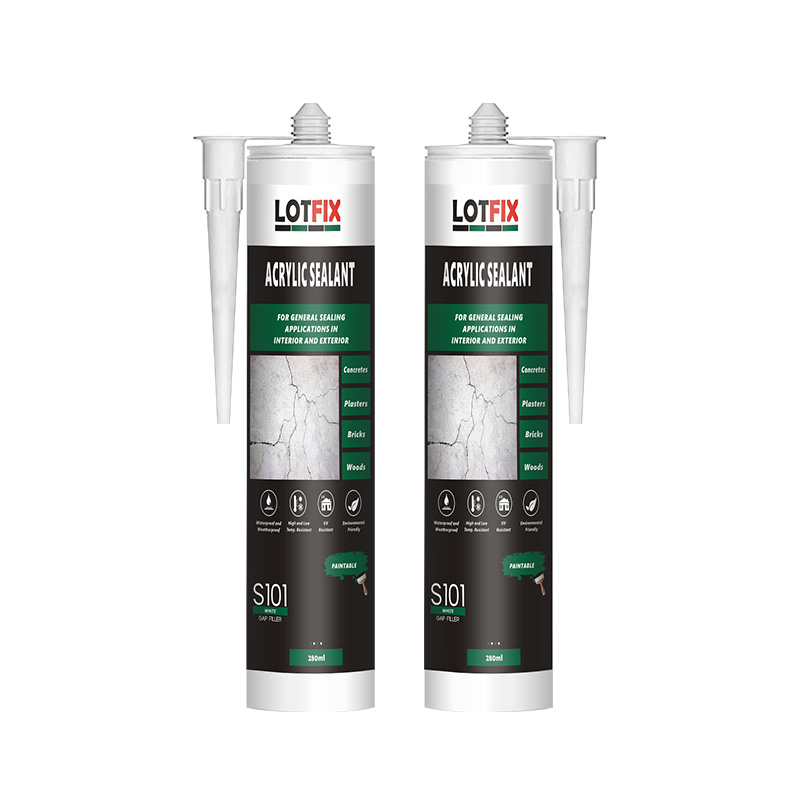
LOTFIX provides acrylic sealant, silicone sealant, PU foam, adhesive, and related construction material solutions for sealing, filling, bonding, insulation, and installation applications. If you are comparing products for baseboards, trims, drywall gaps, interior wall cracks, bathroom seams, kitchen joints, or general construction use, you can visit the LOTFIX homepage to learn more about available product categories.
If you have questions about product selection, application scenarios, or cooperation requirements, please Contact Us.