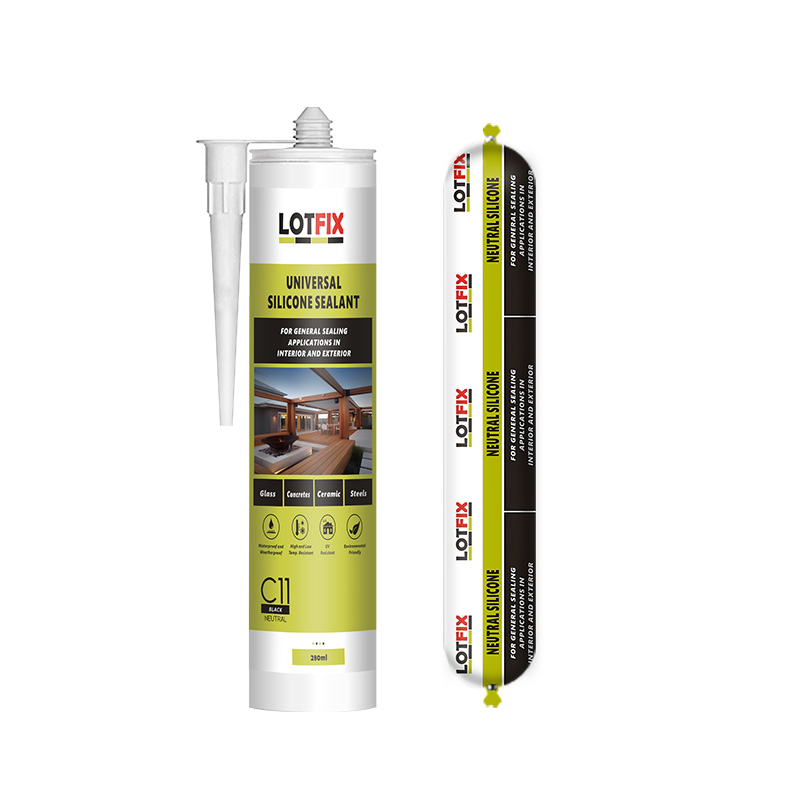

Compared with heat-cured or pressure-cured silicones, RTV silicone sealants are easier to apply and suitable for a wide range of substrates. Their ability to maintain flexibility after curing makes them particularly effective in environments subject to movement, vibration, or temperature fluctuation.
Classification of RTV Silicone Sealants
Classification by Curing System:
RTV-1 (One-Component RTV)
Cures by reacting with moisture in the air.
Ready to use, no mixing required.
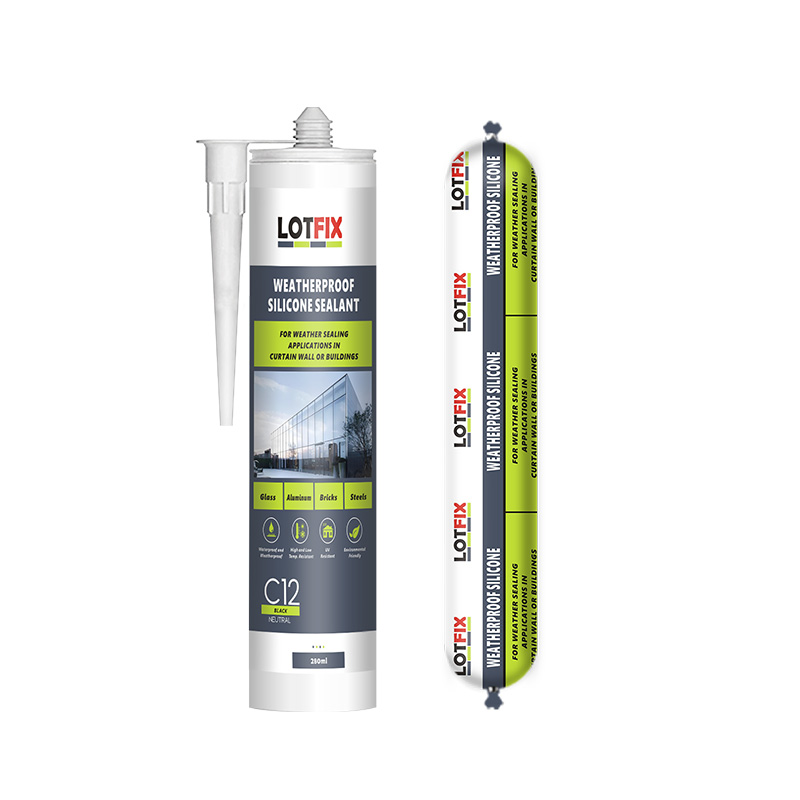
Commonly used in construction, glazing, and general industrial sealing.
RTV-2 (Two-Component RTV):
Cures through a chemical reaction after mixing two components.
Offers controlled curing speed and higher precision.
Typically used for mold making, electronic encapsulation, and industrial potting.
Classification by Byproduct Type (RTV-1):
Acetoxy (Acid-Curing):
Fast curing speed and strong adhesion.
Releases acetic acid during curing and may corrode certain metals.
Neutral Cure:
Low odor and non-corrosive.
Better compatibility with metals, plastics, and sensitive materials.
Comparison with Similar Sealant Products
| Property | RTV Silicone Sealant | PU Sealant | Acrylic Sealant |
|---|---|---|---|
| Curing Method | Room-temperature curing | Moisture curing | Water evaporation |
| Elasticity | Very high | High | Low |
| Temperature Resistance | -50°C to 200°C+ | -40°C to 90°C | -20°C to 80°C |
| Weather Resistance | Excellent | Good | Moderate |
| Typical Applications | Sealing, waterproofing, vibration absorption | Construction joints | Decorative filling |
Key Features of RTV Silicone Sealant
Cures at room temperature without special equipment.
Maintains long-term elasticity and resists cracking.
Excellent resistance to UV radiation, moisture, and aging.
Strong adhesion to glass, metal, ceramics, and many plastics.
Reliable electrical insulation properties.
Common Applications
1. Construction and Home Improvement: glazing, doors and windows, sanitary sealing.
2. Industrial Manufacturing: equipment joints, vibration damping, protective sealing.
3. Electronics and Electrical: PCB protection, component fixing, insulation.
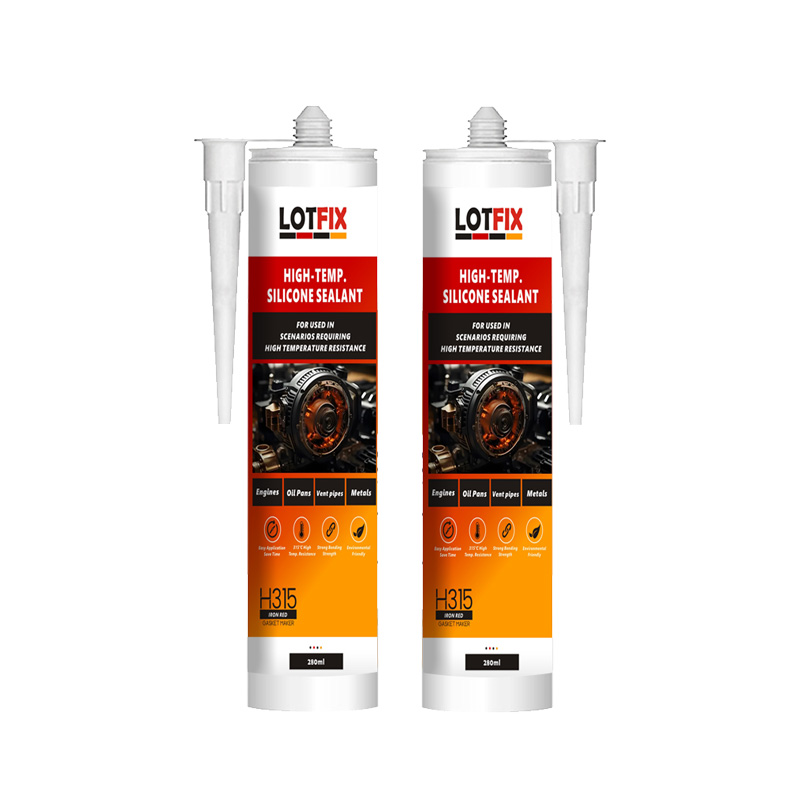
4. Automotive Industry: engine components, lighting assemblies, gaskets.
5. HVAC Systems: ductwork and connection sealing.
Important Usage Considerations
Ensure surfaces are clean, dry, and free of oil or dust.
Select acetoxy or neutral cure types based on substrate compatibility.
Curing time varies with temperature and humidity.
Avoid stress or water exposure before full curing.
Conclusion
RTV silicone sealant is a versatile and reliable sealing material known for its room-temperature curing, high elasticity, and outstanding weather resistance. From construction projects to industrial and electronic applications, RTV silicone sealants deliver long-lasting protection and consistent performance.