Mobile / WhatsApp
E-mail
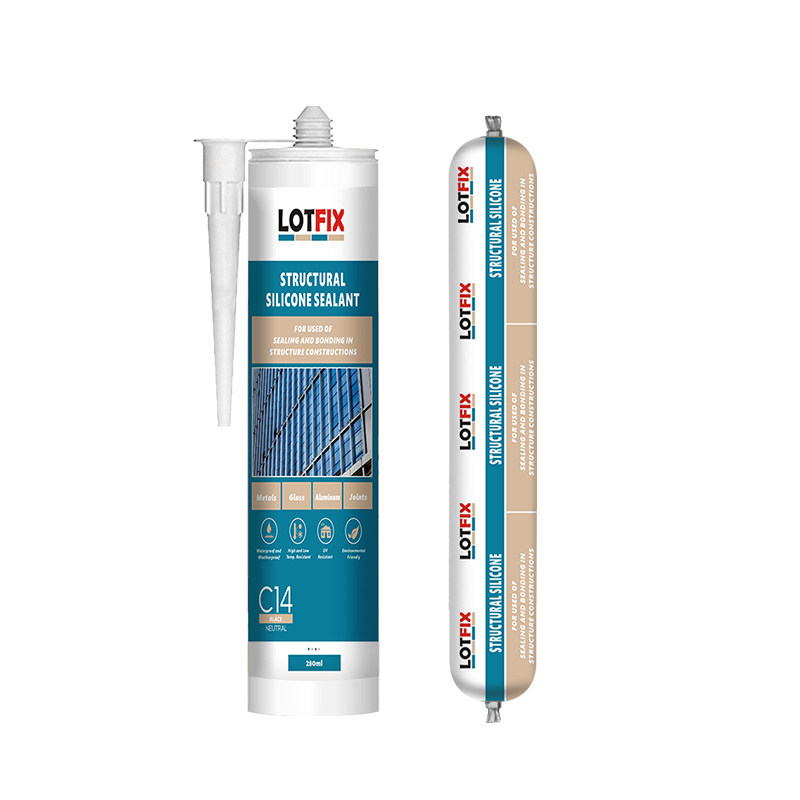
Silicone sealants are widely used in construction, automotive, and industrial sealing applications because of their flexibility, weather resistance, and long-term durability. However, not all silicone sealants provide the same bonding strength.
This guide explains how high-strength silicone sealants work, where they are used, and how to select the right product for demanding applications.
These sealants are engineered to provide strong adhesion, excellent tensile strength, and long-term durability in demanding environments.
• High tensile strength
• Strong adhesion to glass, aluminum, steel, and ceramics
• Resistance to UV exposure and weather conditions
• Long-term flexibility without cracking
Because of these properties, they are widely used in façade construction, glazing systems, and industrial sealing applications.
The strength of a silicone sealant depends on its formulation, curing technology, and mechanical properties.
• Modulus level
• Adhesion technology
• Curing system
• Elastic recovery
A well-balanced sealant combines both durability and flexibility to maintain reliable bonding over time.
Neutral cure silicone sealants are usually preferred for high-performance construction applications because they provide better compatibility with different materials.
• Suitable for metals, plastics, and natural stone
• No corrosive by-products during curing
• More stable long-term adhesion
• Better compatibility with construction materials
Acid cure silicone still performs well on glass and ceramic surfaces but may cause corrosion on some metals.
High-strength silicone sealants are used in projects where durability and weather resistance are critical.
• Curtain wall glazing
• Window and door installation
• Exterior façade sealing
• Automotive component sealing
• Industrial equipment protection
Silicone and polyurethane sealants both provide strong adhesion but perform differently in certain environments.
• Higher mechanical strength
• Better abrasion resistance
• Suitable for heavy load joints
• Superior flexibility
• Better UV resistance
• Longer outdoor lifespan
Selecting the right sealant depends on the material, movement requirements, and environmental exposure.
• Material compatibility
• Movement capability
• Temperature resistance
• Indoor or outdoor exposure
• Curing speed
Proper installation is essential to achieve the best sealing performance.
• Clean and dry surfaces before application
• Remove dust, grease, and old sealant
• Use primer if required
• Design proper joint depth
• Allow sufficient curing time
Following these steps helps ensure reliable bonding and long-term sealing performance.